
Key Takeaways
- Personalized supplement plans should start with a medical evaluation, including your history, medications, and any needed lab work, rather than a product catalog.
- Tampa options include integrative and functional medicine practices, primary care offices with wellness services, and some telehealth services, each differing in credentials, testing, and pricing.
- Primary care is often the safest starting point because a doctor can check interactions with prescription drugs and look for root causes like thyroid problems or sleep apnea.
- Before booking, verify the clinician's Florida license, confirm follow-up care is included, and ask whether supplements are optional or sold in-house.
- Supplements are regulated as foods, not drugs, so share every product you take with your provider, including over-the-counter items, to avoid side effects or interactions.
- Costs vary widely: primary care visits are often insurance-covered, while advanced testing and supplement products are frequently self-pay, so request a clear fee breakdown upfront.
Walk into any Tampa pharmacy or health store, and you will find hundreds of supplements promising better energy, sleep, or longevity. The harder question is which ones, if any, you actually need. That is why many residents ask who provides personalized supplement plans in Tampa and how to find a provider they can trust.
The answer is not a single storefront. In Tampa Bay, personalized supplement guidance comes from a mix of primary care, integrative, and functional medicine practices, along with some telehealth services. Each one differs in credentials, testing, follow-up, and pricing. A sound plan starts with a medical evaluation, not a product catalog.
This guide explains who offers these plans, how a clinician builds one, what to ask before you book, and why a primary care setting is often the safest starting point. It is written for busy professionals, young families, wellness-minded adults, and anyone who wants evidence-based guidance instead of guesswork.

What Is a Personalized Supplement Plan?
A personalized supplement plan is a set of recommendations tailored to one person. It is based on health history, diet, symptoms, current medications, and, when appropriate, laboratory results. It is not a one-size-fits-all bottle of vitamins.
A responsible plan usually includes these elements:
- A clinical review: your medical history, family history, lifestyle, and goals.
- A medication and supplement check: every product you already take, including over-the-counter items.
- Targeted testing when indicated: blood work to look for deficiencies or imbalances.
- Specific recommendations: the nutrient, the dose, the timing, and the reason.
- Follow-up: a plan to recheck results and adjust or stop products.
The National Institutes of Health Office of Dietary Supplements notes that needs and appropriate doses vary by person. It also advises patients to tell their healthcare providers about every supplement they take, because products can cause side effects or interact with medicines.

Who Provides Personalized Supplement Plans in Tampa?
Personalized supplement recommendations are not a standard service at every clinic. They tend to appear in practices that take a broader, prevention-focused approach to care. Current search results point to several types of providers in the Tampa Bay area.
Integrative and Functional Medicine Practices
Some Tampa practices describe integrative or functional medicine consultations that include practitioner-selected supplements. Examples found in recent listings include Spectra Wellness Solutions in Tampa and Wellness Vitalized in nearby Riverview, which describes a consultation with testing when appropriate and a personalized plan for Tampa Bay adults. Services and credentials can change, so confirm details directly with any practice.
Primary Care Clinics With a Wellness Focus
Some primary care offices include targeted supplementation as part of individualized care when it is clinically indicated. Compassion Primary Care, for example, says supplementation may be included when appropriate. The advantage of this model is that your doctor already knows your full medical picture, your medications, and your screening history.
Telehealth Services
Telehealth is another option. Some services advertise lab-guided vitamin and nutrient support for Tampa residents. These can be convenient, but make sure a licensed clinician reviews your history and that there is a clear plan for follow-up care.
InCare in Tampa and Riverview
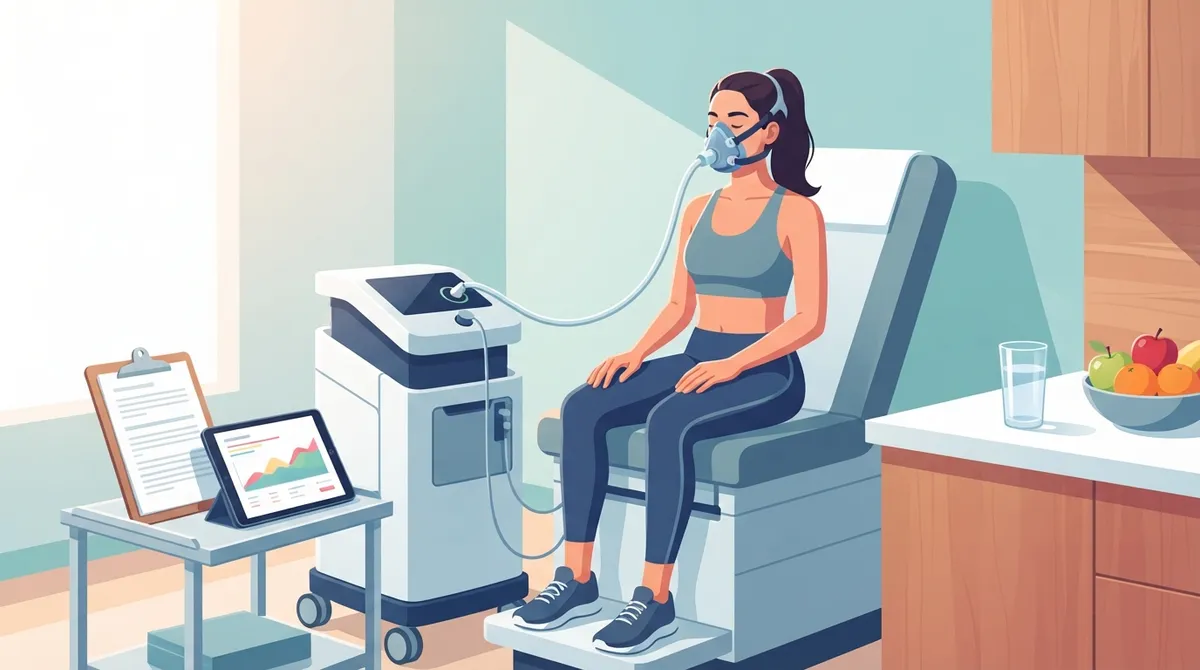
InCare is a personalized healthcare clinic with locations in Tampa and Riverview. The practice pairs primary care with advanced wellness tools, including DNA gene testing, metabolic breath analysis, body composition analysis, and IV hydration and vitamin drips. This matters because supplement decisions work best when they rest on real data about your body. Patients who want a whole-body view of their health can start with a primary care visit and build from there. Read what patients say by visiting our InCare reviews on Google.
How Do Provider Types Compare?
Each model has strengths and trade-offs. The table below gives a general comparison to help you decide where to begin.
|
Provider Type |
Typical Strength |
Points to Verify |
|---|---|---|
|
Primary care clinic with wellness services |
Full medical history, medication review, screenings, and ongoing care in one place |
Which advanced tests and wellness services are offered |
|
Integrative or functional medicine practice |
Longer consultations and detailed nutrition focus |
Clinician credentials, fees, and whether supplements are sold in-house |
|
Telehealth service |
Convenience and flexible scheduling |
Licensing, lab access, and follow-up quality |
|
Retail store or online seller |
Easy access to products |
No medical evaluation or personalization |
Why Start With a Primary Care Doctor?
Supplements are not risk-free. They are regulated as foods, not drugs, in the United States. Manufacturers are responsible for product safety and truthful labeling, and supplements are not intended to diagnose, treat, cure, or prevent disease. A physician can place them in the right context.
Starting with primary care offers several practical benefits:
- Safety first: a doctor checks for interactions with prescription drugs and for conditions that change what is safe for you.
- Root-cause thinking: fatigue, poor sleep, or low mood can come from thyroid problems, sleep apnea, or hormone changes. A supplement may not be the answer.
- Coordinated care: your supplement plan fits alongside screenings, vaccines, and chronic disease management.
- Less waste: testing can show what you truly lack, so you avoid paying for products you do not need.
If you are still choosing a doctor, these guides can help: Best Primary Care Doctor in Tampa: How to Choose in 2026 and How to Choose the Best Primary Care Near You in Tampa.
How Does a Clinician Decide Which Supplements You Need?
A qualified clinician follows a clear process. Here is what a thorough evaluation typically looks like:
- Intake and history. You discuss symptoms, diet, sleep, stress, activity, and health goals.
- Medication and supplement reconciliation. The clinician lists everything you take, including doses and brands.
- Physical exam and screenings. Findings may point to conditions that need treatment first.
- Testing when appropriate. Blood work can sometimes identify nutrient deficiencies. Testing should be guided by a healthcare professional rather than assumed to be necessary for everyone.
- A written plan. You receive specific products, doses, and a timeline for recheck.
- Follow-up. Results are reviewed, and the plan is adjusted, simplified, or stopped.
For examples of how supplement decisions can be handled carefully, see How to Decide if Vitamin D3 and K2 Supplements Fit You and Quality Longevity Supplements Under Doctor Care in 2026.
What Role Does Testing Play?
Testing helps replace guesswork with data. It is not always required, and it is not always useful. The right choice depends on your symptoms, history, and goals.
Common tools that may inform a plan include:
- Routine blood work: to check vitamin levels, blood counts, kidney and liver function, and metabolic markers.
- DNA gene testing: to provide personalized health insights and predisposition analysis that a clinician can interpret in context.
- Metabolic breath analysis: to assess how your body uses energy and where metabolism may be improved.
- Body composition analysis: to track muscle, fat, and progress over time.
Results should always be interpreted by a licensed professional. A test result alone does not prove you need a product. Learn more about what a supplement optimization clinic in Tampa does and what to expect at a clinical supplement consult.
What Should You Ask Before Choosing a Provider?
Before you book, confirm a few essentials. These questions protect your health and your budget.
- Is the clinician licensed in Florida? You can verify a license through the Florida Department of Health.
- Does the service include a medical evaluation and follow-up? A plan without follow-up is incomplete.
- How are recommendations individualized? Ask what data they use.
- Are supplements optional or sold by the practice? Understand any financial interest.
- What are the fees, and is insurance accepted? Many wellness services are self-pay, so ask upfront.
- Is care in person, by telehealth, or both? Choose what fits your schedule.
- How are interactions screened? Your clinician should review all medications.
These questions apply equally to peptide and advanced wellness services, where careful vetting matters even more.
Are Practitioner-Recommended Supplements Better Than Store Products?
Not automatically. Quality varies among both practitioner-sold and retail products. What differs is the process. A clinician can match a product to your needs, set a dose, watch for side effects, and stop it when it no longer helps.
The risk of side effects can rise with high doses or when you take multiple products at once. More is not better. A good plan often removes items instead of adding them. Be cautious of any provider who recommends a long list of products without testing or explanation.
Who Benefits Most From a Personalized Plan?
Different people come to this question for different reasons. A personalized approach can be a good fit for:
- Busy professionals who feel tired and want data-driven answers without trial and error.
- Young families who want to simplify routines and avoid unnecessary products for the household.
- Women focused on prevention who want a full wellness picture beyond reproductive care.
- Young adults exploring gene testing and prevention who want guidance that is grounded in evidence.
- High-income wellness seekers who want advanced testing paired with real medical oversight.
For a broader look at how local care options compare, see 11 Tampa Bay Healthcare Services Transforming Primary Care in 2026.
What About Cost and Insurance?
Costs vary widely. Primary care visits are often covered by insurance, while advanced wellness testing and supplement products are frequently self-pay. Ask for a clear fee breakdown before you start. Confirm which parts of the visit, labs, and follow-up are billed to insurance and which are not. No reliable public data compares pricing across Tampa providers, so direct questions are your best tool.
Safety Reminders Before You Start
- Tell your doctor about every supplement, vitamin, and herbal product you take.
- Do not stop or replace prescribed medication with supplements without clinician guidance.
- Stop a product and call your provider if you notice new symptoms.
- Bring bottles or photos of labels to your appointment.
- Be wary of claims that a supplement cures disease or guarantees results.
For related safety reading, review 4 Glutathione Side Effects You Should Know in 2026.
Take the Next Step With Confidence
The best answer to who provides personalized supplement plans in Tampa is a licensed clinician who evaluates you first, tests when it makes sense, explains each recommendation, and follows up. A primary care practice with advanced wellness tools can deliver exactly that, while keeping your safety at the center.
InCare brings together primary care, urgent care, DNA gene testing, metabolic breath analysis, body composition analysis, and IV hydration under one roof, with locations in Tampa and Riverview. If you want a plan built around your data and your goals, book your visit with InCare today or contact our team with questions. You can also follow our updates on Instagram, Facebook, and TikTok.
FAQs
Q: Which Tampa providers offer personalized supplement plans?
A: Some primary care, integrative, and functional medicine practices in Tampa and nearby Riverview offer personalized supplement guidance, along with certain telehealth services. It is not a standard service at every clinic, so verify current offerings, credentials, and fees directly. InCare offers primary care with advanced wellness tools in Tampa and Riverview.
Q: Do I need blood tests before starting a personalized supplement plan?
A: Not always. Blood tests can sometimes help identify nutrient deficiencies, but testing should be guided by a healthcare professional based on your symptoms and history. Your clinician will decide whether labs or other testing are appropriate.
Q: Can supplements interact with my prescription medications?
A: Yes. The NIH Office of Dietary Supplements advises that supplements can cause side effects or interact with medicines, and risk may increase with high doses or multiple products. Always share your full supplement list with your doctor before starting anything new.
Q: Are personalized supplement plans covered by insurance in Tampa?
A: Coverage varies. Primary care visits and some labs may be covered, while supplement products and advanced wellness services are often self-pay. Ask the provider for a clear fee breakdown and confirm coverage with your insurer before you begin.
Q: How can I check a provider's license and credentials?
A: You can verify a clinician's Florida license through the Florida Department of Health's online license search. Also ask whether the service includes a medical evaluation, individualized recommendations, and follow-up care.