
Explain What Changed
Tell us when the problem began, how it has changed, and what makes it better or worse. We'll also review relevant medications, allergies, health conditions, and recent care.
When an illness or minor injury can't wait for a routine visit, InCare offers prompt evaluation for non-life-threatening concerns. Same-day appointments and walk-in care help you get answers and a clear next step.
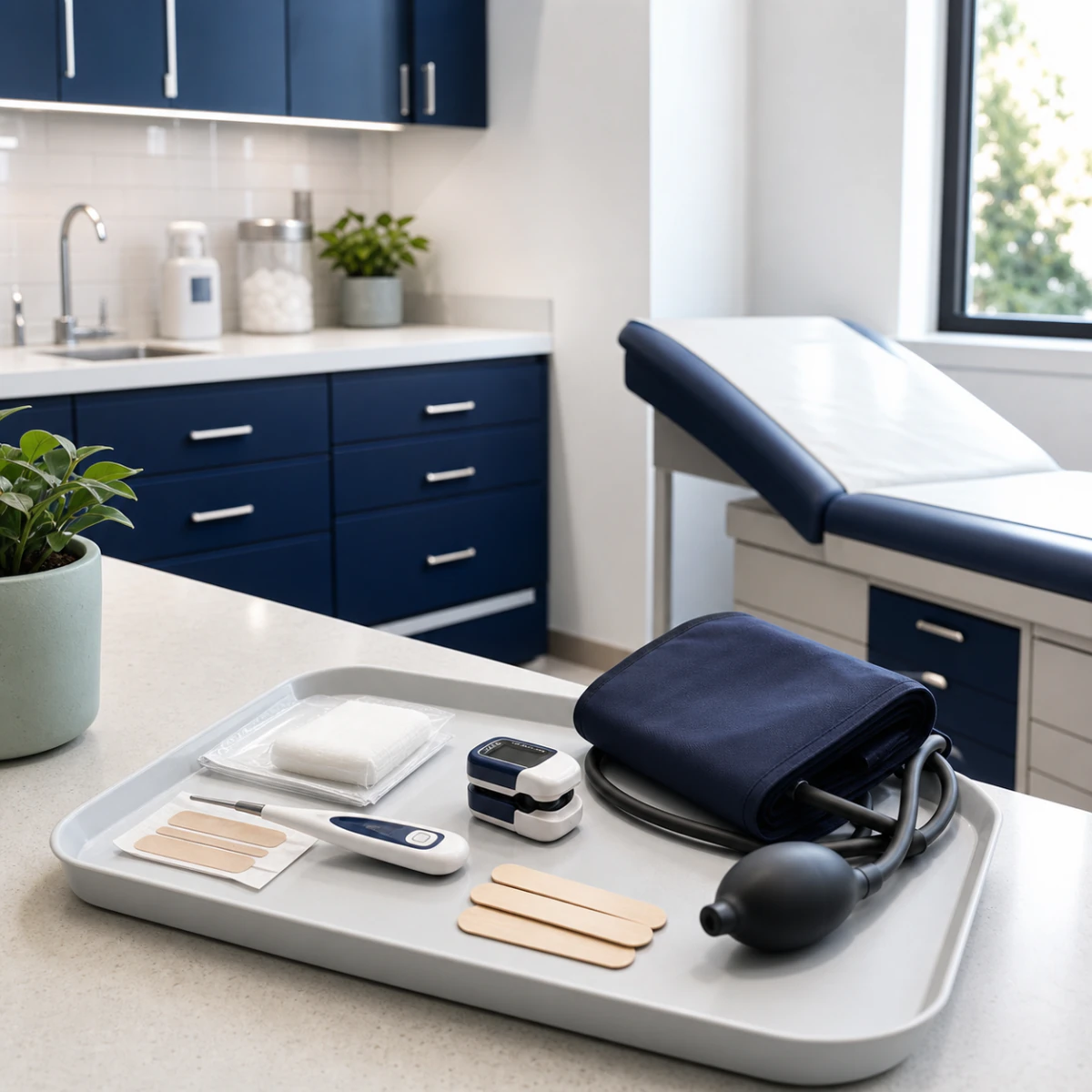
A fever starts overnight. A sore throat gets worse before the weekend. You twist an ankle, develop a rash, or notice symptoms that shouldn't be ignored. These concerns may not be emergencies, but waiting days for an evaluation doesn't feel like the right choice either.
InCare urgent care gives you a familiar place to turn for illnesses and injuries that need prompt attention. Our team listens to what happened, reviews the details that could affect your care, and performs an evaluation based on your symptoms. You'll leave knowing what to do next, what warning signs to watch for, and when follow-up is needed.
Because urgent care is part of InCare's broader medical practice, your visit can stay connected to your health history and ongoing care. If today's concern reveals a need for primary care follow-up, additional testing, or another type of medical support, we'll help make that next step clearer.
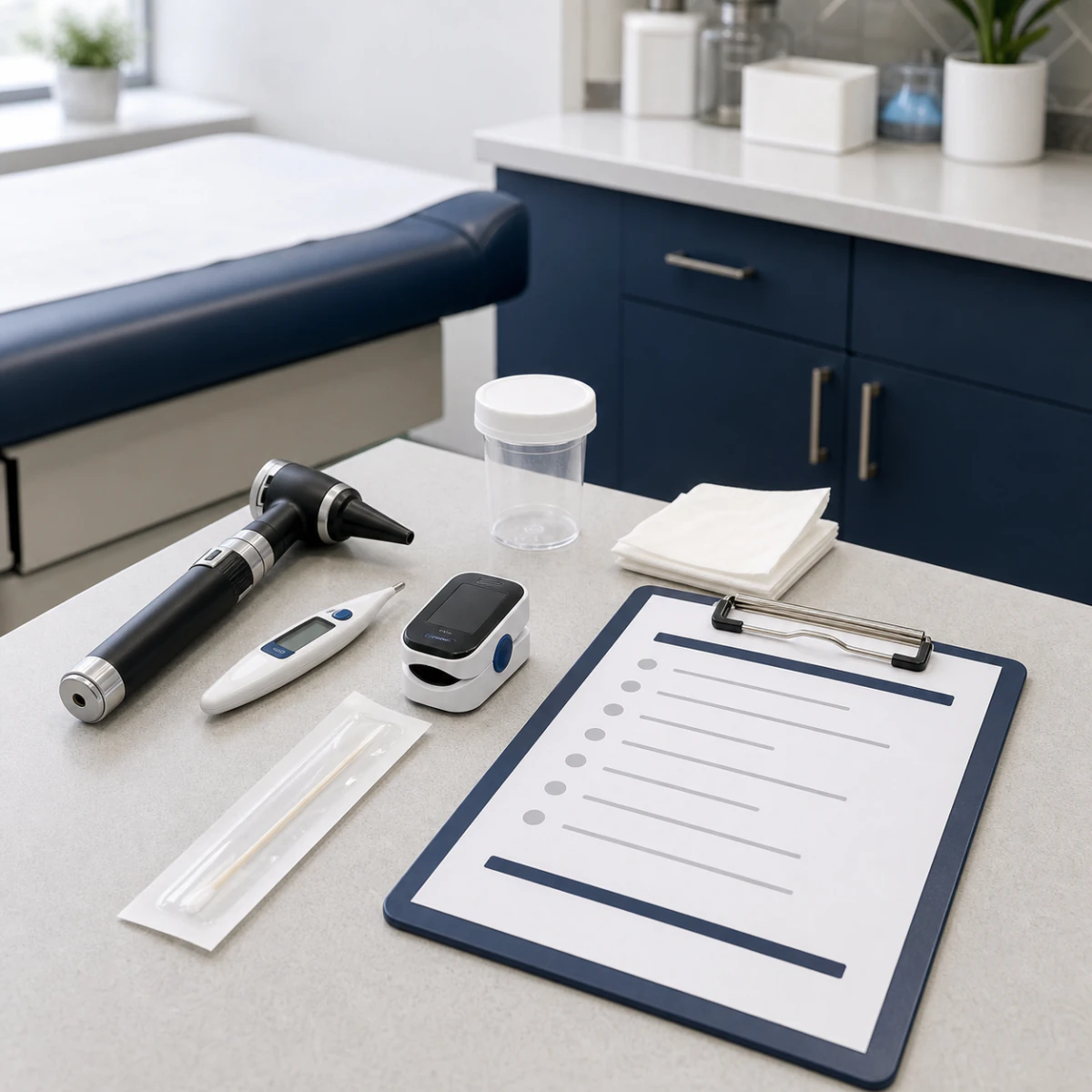
We evaluate many non-life-threatening concerns for adults. If you're unsure whether urgent care is appropriate, call our team before you come in.
This list isn't exhaustive. The right setting depends on the severity of your symptoms, your health history, and how quickly the condition is changing.
A little preparation helps your clinician understand the situation quickly. Bring a photo ID, insurance information if applicable, and a current list of medications, supplements, and allergies. If you've taken an at-home test, received recent treatment, or have records related to the concern, bring those details too.
For an injury, think about when and how it happened, where the pain is located, whether you can use the affected area, and what you've already tried. For an illness, note when symptoms began, whether they've changed, your highest measured temperature, and any recent exposure to illness.
Tell the team right away if symptoms are becoming rapidly worse. If you think the problem may be life-threatening, don't drive to a routine clinic visit. Call 911 or go to the nearest emergency department.

Your visit focuses on the immediate concern while keeping your health history and next steps in view.
Tell us when the problem began, how it has changed, and what makes it better or worse. We'll also review relevant medications, allergies, health conditions, and recent care.
Your clinician performs an exam based on your symptoms and determines whether testing, treatment, supportive care, or a higher level of evaluation is appropriate.
Before you leave, we'll explain your care instructions, warning signs, and follow-up needs. If the concern should be managed elsewhere, we'll help you understand why.
Urgent care is for prompt attention to problems that aren't life-threatening. Emergency symptoms need emergency care.
Consider urgent care for a common illness, mild dehydration, a minor cut or burn, a sprain, a rash, urinary symptoms, or another stable concern that needs attention sooner than a routine appointment.
Get emergency help for severe chest pain, major trouble breathing, stroke warning signs, uncontrolled bleeding, loss of consciousness, a severe allergic reaction, or any condition you believe may threaten life or limb.
InCare serves patients at our Riverview office on Boyette Road and our Tampa office on North Franklin Street. Walk-ins are welcome, and same-day appointment availability can vary, so call if you'd like help choosing a location or visit time.
InCare welcomes walk-ins for urgent care, and same-day appointments may also be available. Scheduling ahead can reduce uncertainty about availability. Call 813-553-3330 or use online scheduling to find the next appropriate visit.
Urgent care can evaluate many non-life-threatening concerns, including cold and flu symptoms, sore throat, ear or sinus infections, rashes, urinary tract infections, nausea, minor cuts, burns, sprains, strains, and possible simple fractures. Your clinician will determine whether you need a different level of care.
Call 911 or go to the nearest emergency department for symptoms that may be life-threatening, such as severe chest pain, major trouble breathing, stroke warning signs, uncontrolled bleeding, a severe allergic reaction, loss of consciousness, or a serious injury. Do not wait for an urgent care appointment in an emergency.
Urgent care can evaluate many minor injuries and possible simple fractures. The clinician will assess the injury and explain whether imaging, stabilization, specialist follow-up, or emergency care is appropriate. An obvious deformity, open fracture, loss of feeling, or severe injury needs emergency evaluation.
Bring a photo ID, insurance information if applicable, a list of current medications and allergies, and any relevant test results or medical records you have. If your visit is for an injury, be ready to explain when and how it happened and what you have already tried.
Yes, new patients are welcome. Arriving with your medication list, allergies, health history, identification, and insurance information if applicable helps the team understand your needs. Call ahead if you are unsure whether urgent care is the right setting for your symptoms.
Schedule urgent care in Riverview or Tampa, walk in, or call our team if you're unsure where to start.