
Check the Hair Loss
We review the pattern, timing, symptoms, family history, medicines, and health changes. You may need testing before PRP.
Hair thinning can have many causes. InCare looks at the pattern and your health first. We then discuss PRP or another next step.
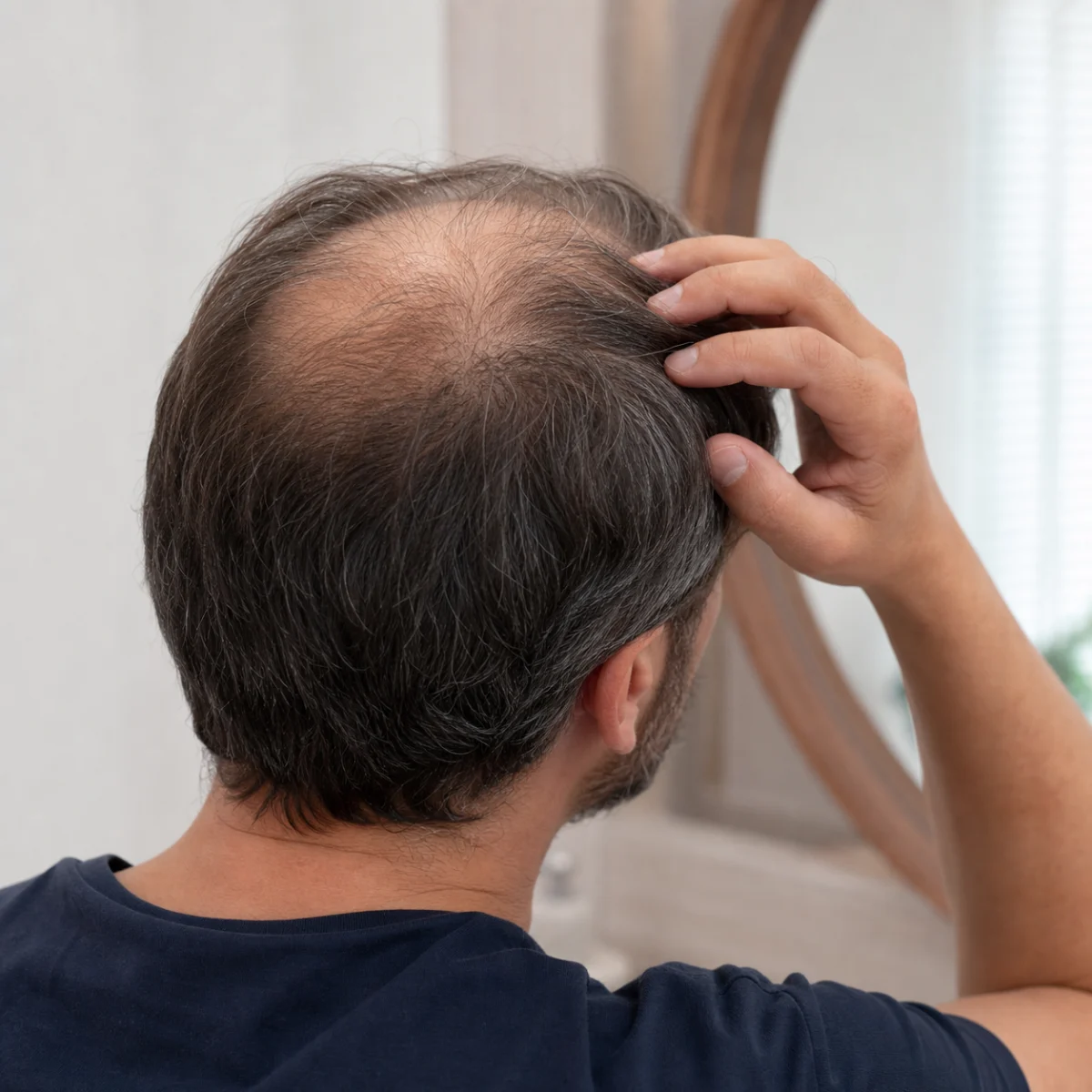
Genes and age often play a role in slow hair thinning. Other causes include stress, illness, hormone changes, poor nutrition, medicines, and scalp problems.
We ask when the change began and where you see it. We also ask about itching, pain, flakes, and sudden shedding. Your medicines, family history, and recent health changes may give us more clues.
PRP may help some people with certain types of thinning. It does not treat every cause of hair loss. You may need blood work, medicine, scalp care, or a skin doctor instead.
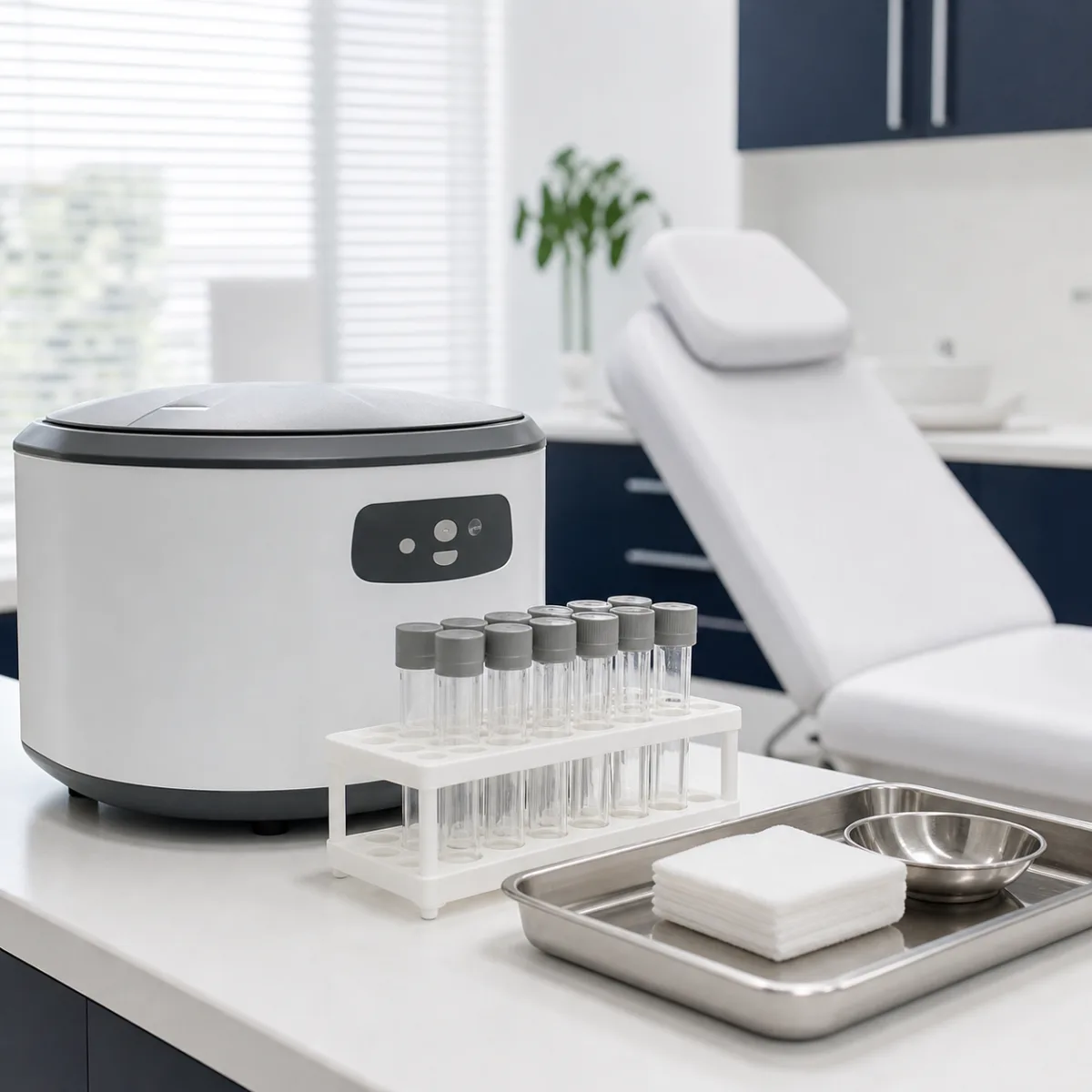
PRP uses a part of your own blood. It is placed into the areas of your scalp that need treatment.
Results vary. PRP cannot make a new hair root where one no longer works. Hair also grows slowly, so change takes time.
PRP is often done as a set of treatments. The number and timing of visits depend on your plan and response. Your physician will explain the schedule without promising a set result.
Your scalp may feel sore or look red after treatment. Swelling, tiny spots of blood, headache, or bruising can also happen. Follow your care steps and call about severe or unusual symptoms.
Photos taken in the same light can make changes easier to see. Try to part and style your hair the same way. We may also track shedding and scalp symptoms.
We first check if PRP fits your type of hair loss. Then we plan treatment and follow-up.
We review the pattern, timing, symptoms, family history, medicines, and health changes. You may need testing before PRP.
We take a blood sample and separate the PRP. We clean the scalp and place PRP into the planned areas.
Return as advised so we can compare photos, shedding, side effects, and growth. We then discuss the next step.
PRP offers a non-surgical way to support healthier-looking hair using platelets from your own blood.
PRP is a simple, in-office treatment. It does not require surgery or incisions.
PRP uses platelets from your own blood to support active hair follicles and healthy hair growth.
Many people return to their normal routine soon after treatment. Mild scalp soreness or redness may occur for a short time.
PRP may help active follicles produce hair that looks fuller and feels stronger over time. Results vary from person to person.
Meet with InCare in Riverview or Tampa to discuss the cause of thinning and whether PRP may help.
PRP uses a part of your own blood that is rich in platelets. We place it into selected parts of the scalp. The goal is to support hair roots that still work, but results vary.
PRP may help some adults with early or moderate pattern thinning. The cause, stage, scalp health, medicines, and active hair roots all matter.
PRP often takes a set of visits, not just one. The number and timing depend on your plan and response. InCare will explain the schedule first.
Hair grows in cycles, so results take time. Changes in shedding or growth may take months to see. Photos can help compare progress. No set amount of growth can be promised.
Many people return to normal tasks soon. Soreness, redness, swelling, tiny spots of blood, headache, or bruising can happen. Call if symptoms are severe or get worse.
No. Scars, swelling, immune problems, medicines, poor nutrition, and other health issues can cause hair loss. These causes may need different care.
Schedule a consultation to learn whether PRP or another next step makes sense for your pattern of hair loss.