
Schedule and Prepare
Choose an appointment time and gather the health information you already have. Write down the main concerns or questions you want to discuss.
Starting with a new medical team should feel clear. We take time to understand your health history, hear what matters to you, and explain the next steps that fit your needs.

You do not need to arrive with every answer or have your health history perfectly organized. Your first visit creates a starting point. We listen to the concerns that brought you in, review the information available, and learn what you want from your care.
Some needs may be addressed during that appointment. Others may require records, testing, monitoring, a referral, or another visit. Your doctor will explain what can happen now and what should come next.
The details vary by visit, but the goal is always the same: understand your needs and give you a clear plan.
Choose an appointment time and gather the health information you already have. Write down the main concerns or questions you want to discuss.
Your doctor reviews your history, medications, allergies, symptoms, recent care, and priorities. An appropriate examination may be included.
You leave with guidance about treatment, testing, referrals, monitoring, or follow-up when those steps are appropriate for your care.
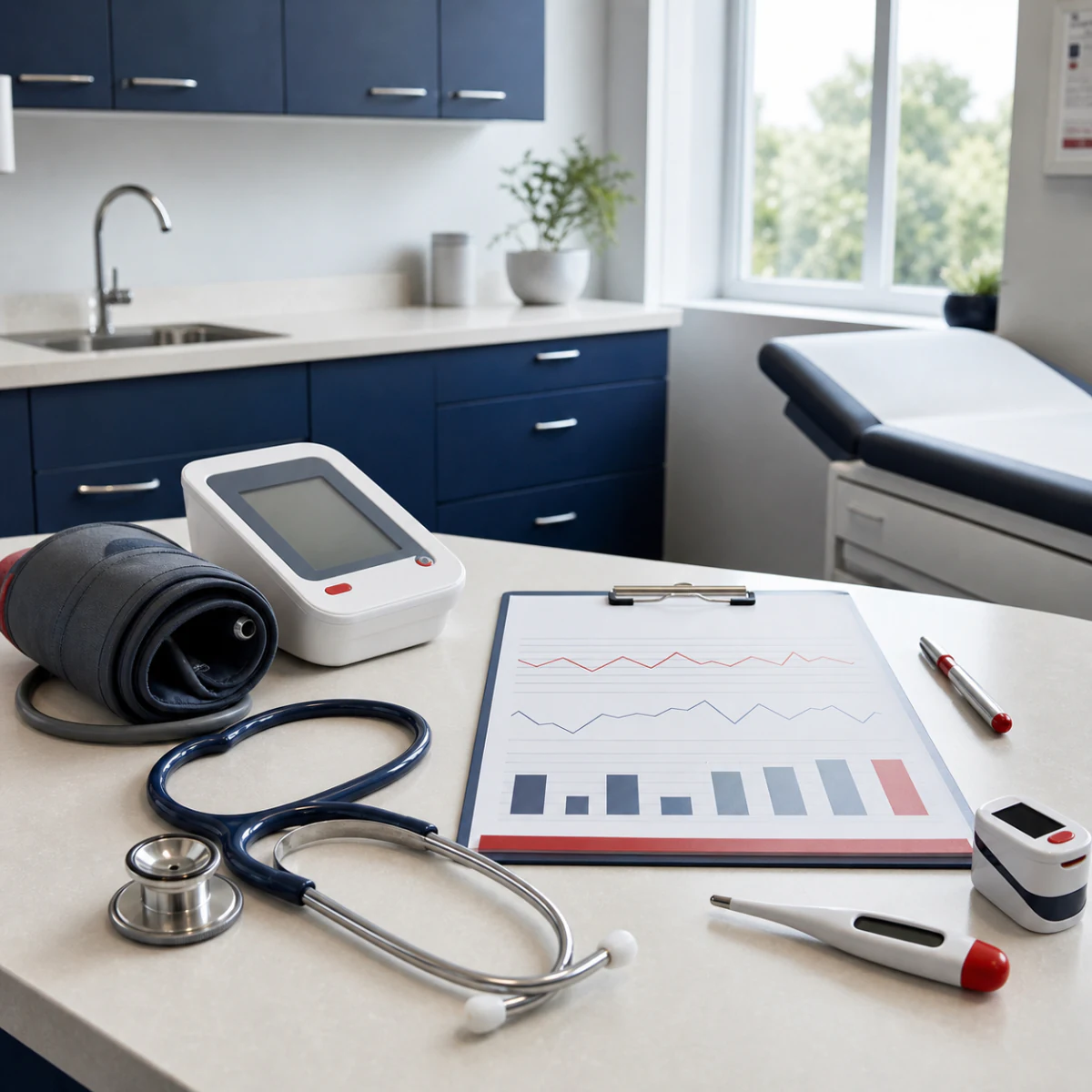
Bring what is available. If you do not have every record yet, you can still tell us where you received previous care.
Your visit is shaped by why you scheduled, your medical history, and what the doctor finds during the evaluation.
Describe what you are experiencing, when it began, what makes it better or worse, and how it is affecting daily life.
Review past diagnoses, surgeries, hospital care, family history, medications, allergies, and the doctors involved in your care.
Talk about the concerns you want addressed first and the health goals you would like your care plan to support.
Your next step may be simple, or it may involve more than one part. Depending on your needs, the plan may include medication guidance, lifestyle changes, laboratory work, imaging, a referral, symptom monitoring, or a return appointment.
If several concerns need attention, your doctor may help decide what to address first and what deserves its own follow-up. That gives each issue appropriate time instead of rushing through everything at once.
Ask questions before you leave. The goal is for you to understand what was decided, what you need to do, and when to follow up.

Schedule at our Riverview office on Boyette Road or our Tampa office on North Franklin Street. Virtual visits are available when telehealth is appropriate.
Bring a photo ID, insurance information if applicable, a current list of medications and supplements, allergy information, and relevant medical records or recent test results you already have. A written list of your main concerns and questions can also help.
Bring what you have available. You can explain where you previously received care and which records may be useful. Missing records do not prevent you from discussing your concerns, although some decisions may require additional information.
Yes. Tell your doctor about all of your concerns, then identify which ones feel most important. The doctor can help prioritize what can be addressed during the visit and what may need testing or another appointment.
It depends on your symptoms, history, examination, and care needs. Your doctor will explain whether laboratory work, imaging, a referral, monitoring, or follow-up may be appropriate.
InCare offers virtual visits when telehealth is appropriate for the patient and concern. Some symptoms, tests, and physical examinations require an in-person visit. Call the office if you are unsure which appointment type to choose.
Schedule your first visit in Riverview or Tampa and tell us what you want help with.