
VO2 Max
The highest rate at which your body uses oxygen during hard exercise. This is a key sign of heart and lung fitness.
Breath testing can measure energy use at rest or oxygen use during exercise. InCare helps turn the numbers into a clear food, weight, or fitness plan.
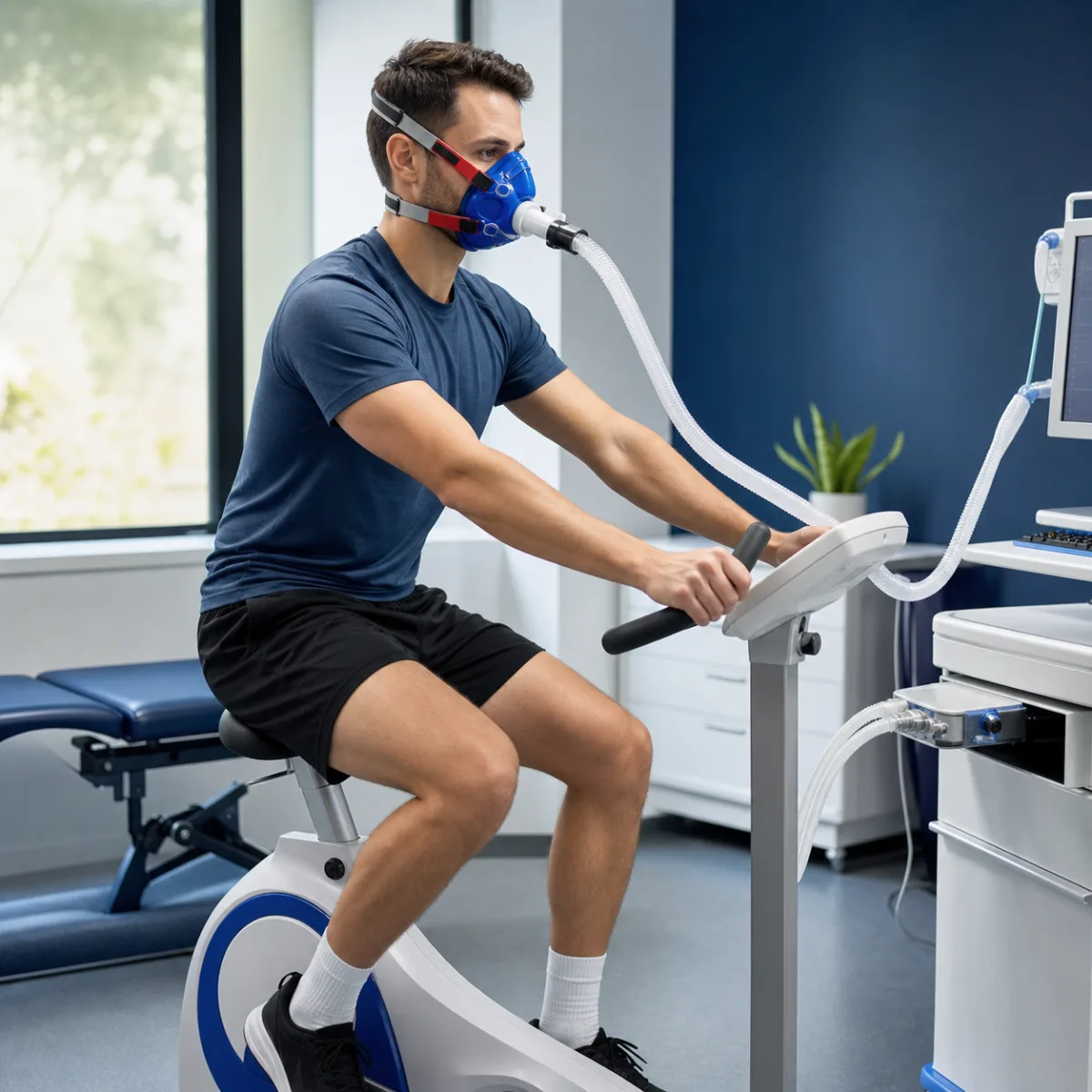
Online calorie tools use averages from many people. A breath test measures the oxygen you use and the carbon dioxide you breathe out. This gives a result based on your body that day.
A resting test estimates the energy your body uses for basic needs. An exercise test measures oxygen use while you move. It may also show heart rate zones or a fitness number called VO2 max.
The right test depends on your question. InCare explains how to prepare and which test fits your goal. We also explain what the numbers can and cannot show.
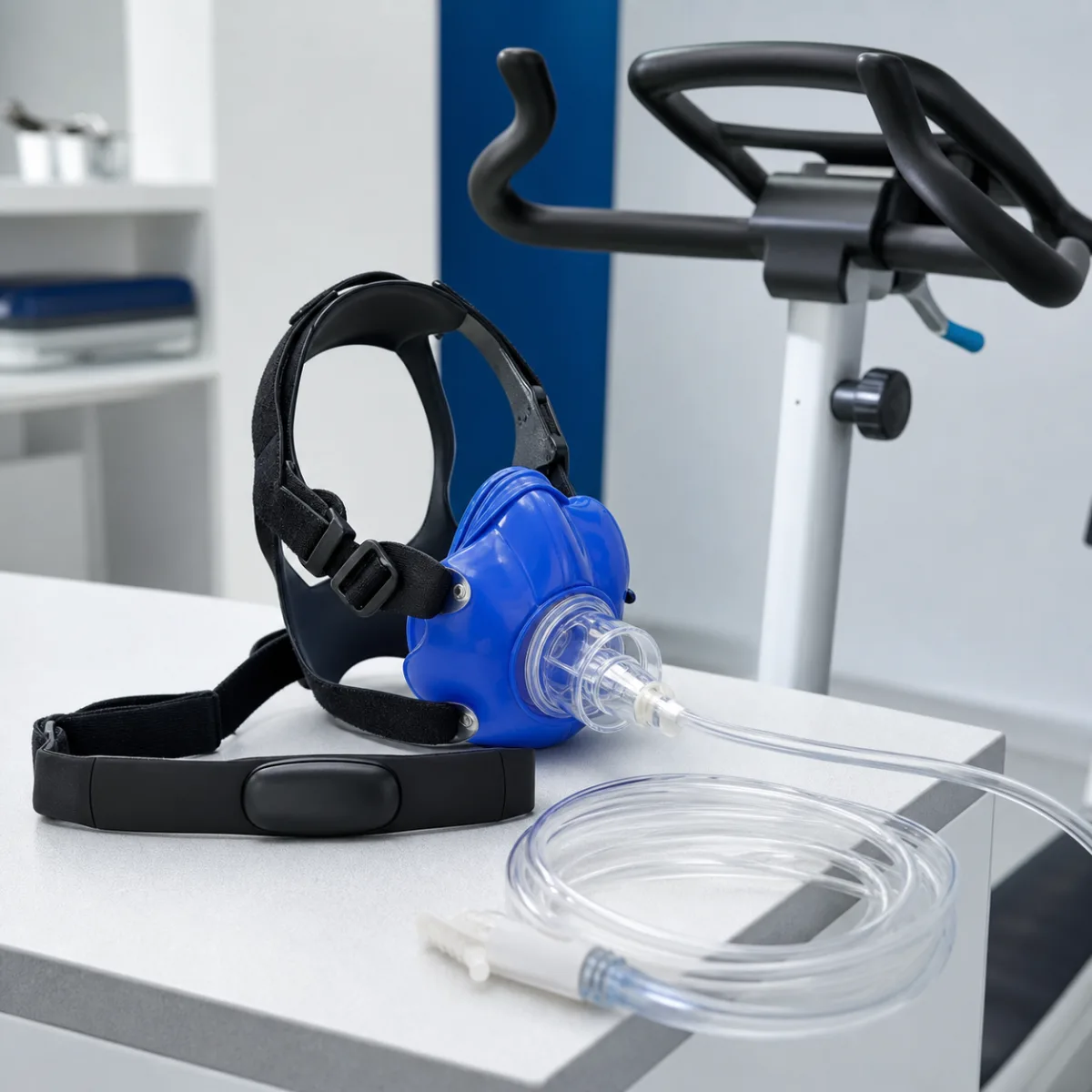
You breathe through a mask or mouthpiece while the system measures the gases in your breath.
Results reflect your body on the test day. Your health, medicines, symptoms, and goals help us explain what they mean.
Food, caffeine, nicotine, exercise, sleep, stress, illness, and some medicines can change the result. Follow the prep steps we give you. Tell us if test day is not a normal day for you.
Before an exercise test, tell us about symptoms, heart or lung problems, injuries, and your current fitness. We may change or delay the test if it is not safe that day.
The result is a tool, not a promise. It can guide a food or training plan. Your habits, rest, health, and normal body changes still matter.
Depending on the test, you breathe into a special device while resting or while exercising on a treadmill or stationary bike. The device measures oxygen and carbon dioxide in your breath to evaluate:
The highest rate at which your body uses oxygen during hard exercise. This is a key sign of heart and lung fitness.
The number of calories your body burns at rest. This result can help guide an effective weight management plan.
See how your body uses fats and carbohydrates during exercise and rest. The results can help shape a nutrition plan for your needs.
Testing helps most when it answers a clear question and leads to a useful next step.
A resting test may help plan food intake or review a weight loss stall. It can add facts to a medical weight plan.
Exercise data may help set training levels and a starting point. It can help balance easy work, long work, and hard work.
Heart and lung fitness data can guide talks about activity, risk, rest, and safe ways to improve over time.
Weight loss is about more than a short-term diet. Metabolic breath analysis measures how your body uses energy. The results may help shape food and movement goals around your needs.
This information can support a medical weight loss plan and help you track what works over time. Your health, daily habits, and follow-up care still matter.
Download the Weight Management GuideExercise breath testing can show how your body responds at different effort levels. The results may help set heart rate zones and guide the balance between easier and harder training.
The data may also support a careful return to activity after time away. A clinician or rehabilitation professional should guide decisions about an injury or recovery plan.
Download the Performance GuideMetabolic health and VO2 max can show how your body uses energy and oxygen. These results may help guide changes to movement, food, rest, and other daily habits.
Tracking these measures over time can support fitness, independence, and well-being. The test gives you useful information, but it cannot promise a longer life or prevent disease.
Download the Longevity GuideContact InCare in Riverview or Tampa to choose the right breath test and learn how to prepare.
It measures oxygen use and carbon dioxide in your breath. A resting test estimates energy use. An exercise test shows how your body responds while you move.
Resting rate is the energy your body uses for basic needs. VO2 max is the highest oxygen use reached during an exercise test. It is one measure of heart and lung fitness.
Not always. A resting test is done while you rest. An exercise test uses a bike or treadmill. Your goal and health help guide the choice.
Follow the steps from InCare. Food, caffeine, nicotine, exercise, sleep, illness, and some medicines can change results. Do not stop medicine unless your clinician tells you to.
No. It gives a measured starting point. Your activity, goals, health, medicines, and daily changes also affect your energy needs.
It may add useful facts to a medical weight loss plan. It cannot promise weight loss. It may reduce some guesswork when you plan food and movement.
Schedule a breath test to bring clear facts into your food, weight, or fitness plan.