
Key Takeaways
- GLP-1 peptide therapy is a broad marketing term, so ask each Tampa clinic exactly which FDA-approved product you would receive and why it is prescribed for you.
- Eligibility should follow a real medical evaluation covering history, current medicines, labs, and conditions that make treatment unsafe, not marketing claims.
- Compounded GLP-1 products are not FDA-approved generics and FDA does not review them for safety, effectiveness, or quality, so ask who dispenses the product and its source.
- Quality programs include baseline labs, gradual dose increases, regular check-ins, lifestyle support, and a written long-term plan, not just a vial sent home.
- Compare Tampa pricing by asking whether the medicine, labs, visits, and dose changes are included, and what the cost is after the program ends.
- Weight can return after stopping GLP-1 medicine, so discuss maintenance goals and next steps with your provider from the start.
If you have searched for GLP-1 peptide therapy in Tampa, you have likely seen bold promises and wide price swings. The phrase sounds like one product, but it is not. It is a broad term used by clinics, and it can mean very different things from one office to the next.
In medical care, GLP-1 therapy usually means a prescription medicine that acts on the glucagon-like peptide-1 pathway. These medicines can help eligible adults lose weight when they are paired with nutrition, activity, and follow-up. They are not a quick fix, and they are not right for everyone.
Florida's weight challenge is real. The CDC's 2024 self-reported estimate put adult obesity in Florida at 27.1%. State survey data from FLHealthCHARTS shows that 65.5% of Florida adults were overweight or obese in 2024. Many Tampa residents are asking whether medical weight management could help them.
This guide explains what GLP-1 peptide therapy is, who may qualify, what care should look like, and what questions to ask before you start. It is written for busy adults, young families, and wellness-minded readers who want clear facts.

What Is GLP-1 Peptide Therapy?
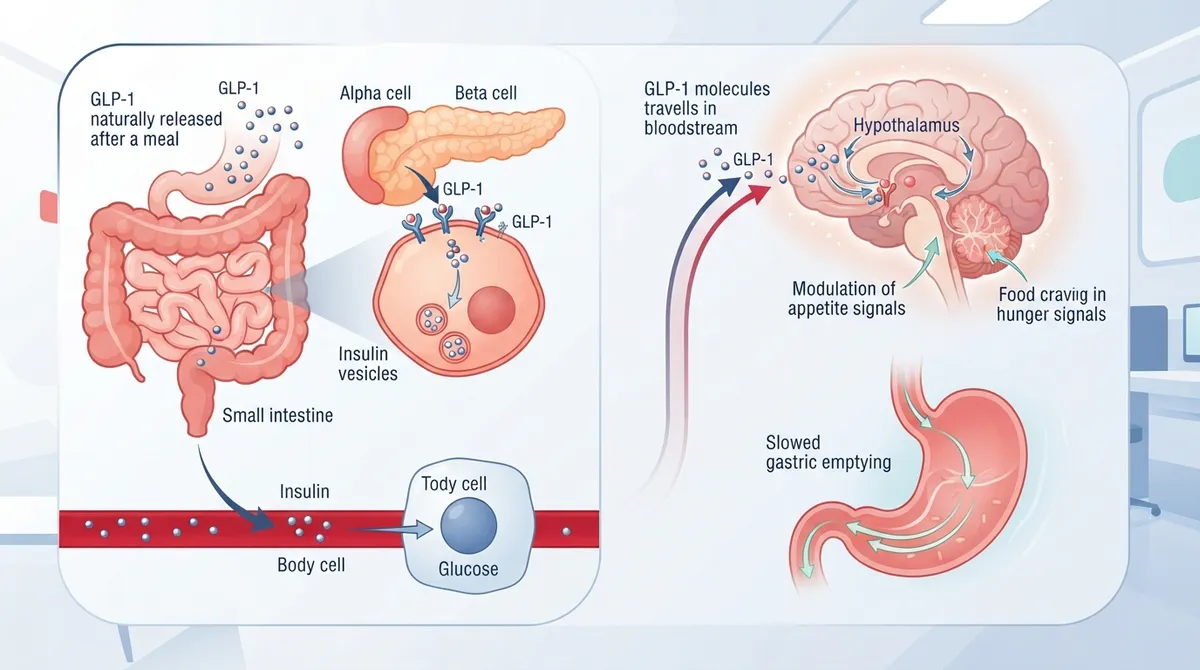
GLP-1 peptide therapy is a care plan built around a prescription medicine that mimics or supports the body's GLP-1 signals. These signals help regulate appetite, blood sugar, and how quickly the stomach empties after a meal.
In a Tampa primary care setting, the term usually refers to a clinician-supervised program, not a stand-alone supplement. A responsible program includes a medical review, a dosing plan, lab monitoring, and lifestyle support.
Here are the main medicines people ask about:
- Semaglutide: a GLP-1 receptor agonist.
- Liraglutide: an older GLP-1 receptor agonist, taken daily.
- Tirzepatide: a medicine that acts on both GIP and GLP-1 receptors.
Each has its own approved uses, and brand names matter. Your prescriber should tell you exactly which product you are receiving and why.
How Does GLP-1 Therapy Support Weight Loss?
These medicines work in several ways. They can help you feel full sooner, reduce hunger between meals, and slow stomach emptying. Many people find it easier to eat smaller portions and make steadier food choices.
That said, the medicine is only one part of the plan. Lasting results usually come from a mix of medical care, better eating habits, regular movement, sleep, and stress support. This is the difference between medical weight management and a simple diet. You can learn more in our guide to what makes medical weight loss different from dieting.
Which Brand Is Which? Wegovy, Ozempic, Zepbound, and Mounjaro
Brand names cause a lot of confusion. The table below shows the basics. Always confirm the exact product and its approved use with your prescriber.
|
Brand |
Active Ingredient |
Primary FDA-Approved Use |
|---|---|---|
|
Wegovy |
Semaglutide |
Chronic weight management |
|
Ozempic |
Semaglutide |
Type 2 diabetes |
|
Zepbound |
Tirzepatide |
Chronic weight management |
|
Mounjaro |
Tirzepatide |
Type 2 diabetes |
|
Saxenda |
Liraglutide |
Chronic weight management |
For a deeper comparison, see our article on semaglutide vs. tirzepatide. You can also read how to choose the best injection for weight loss in 2026.
Who May Qualify for GLP-1 Treatment?
Eligibility is decided one patient at a time. Product labels for weight-management medicines commonly point to adults with obesity, or adults who are overweight and also have a weight-related health condition. Examples include high blood pressure, type 2 diabetes, or high cholesterol.
A clinician should look at the full picture before prescribing. That review usually covers:
- Your medical and family history
- Current medicines and supplements
- Your weight, goals, and past weight-loss attempts
- Lab results and other health markers
- Any conditions that make treatment unsafe
Do not rely on a clinic's marketing claims to decide if you qualify. Ask for a real medical evaluation first. Our overview of who can benefit from medical weight loss programs offers more detail.
What Does a Good GLP-1 Program Look Like?
Strong programs follow a clear path. They do not hand you a vial and send you home. Here is what quality care typically includes:
- Medical assessment. A licensed clinician reviews your history, medicines, and goals.
- Baseline testing. Lab work and body measurements set a starting point.
- Gradual dose increases. Doses usually start low and rise slowly to limit side effects.
- Regular check-ins. Your provider tracks results, side effects, and overall health.
- Lifestyle support. Nutrition and activity guidance help build habits that last.
- A long-term plan. You and your provider discuss how long to continue and what comes next.
Tools like body composition scans can show whether you are losing fat or muscle. At InCare, body composition analysis and metabolic breath analysis help guide personalized plans. This kind of data supports smarter decisions than the scale alone.
What Are the Risks and Side Effects?
GLP-1 medicines can cause side effects. The most common are stomach-related. Many people notice them most when they start or raise a dose.
- Nausea
- Diarrhea or constipation
- Vomiting
- Abdominal discomfort
Other points need careful medical attention. Severe stomach symptoms can lead to dehydration, which may strain the kidneys. Gallbladder problems and pancreatitis are also on the list of prescribing concerns.
These medicines carry a boxed warning about thyroid C-cell tumors. Product labeling says they should not be used by people with a personal or family history of medullary thyroid carcinoma or multiple endocrine neoplasia syndrome type 2 (MEN2). Tell your provider about your full family history before starting.
If you want practical tips for common complaints, read how to manage semaglutide's gastrointestinal side effects.
Are Compounded GLP-1 Products Safe?
This is one of the most important questions you can ask. Compounded drugs are not FDA-approved generic versions of brand-name medicines. The FDA does not review compounded products for safety, effectiveness, or quality before they are sold.
The FDA has also reported dosing errors and other risks with compounded semaglutide. In 2025, the agency determined that the semaglutide and tirzepatide injection shortages were resolved, though local supply gaps can still happen. Rules and enforcement policies on compounding can change, so no clinic should treat shortage-era practices as a given.
Before you start, ask these questions:
- Is this product FDA-approved?
- Who dispenses it, and from what source?
- If it is compounded, why is that medically necessary for me?
- How will my dose be measured and taught to me?
A trustworthy provider will answer plainly and in writing. For more on this topic, see our guide to compounded semaglutide facts, risks, and options.
How Much Does GLP-1 Therapy Cost in Tampa?
Prices vary widely, and they are not easy to compare. One Tampa-area clinic advertises a four-month program at $799 per month that includes GLP-1 therapy, lab monitoring, provider check-ins, and lifestyle guidance. That is one clinic's advertised rate, not a citywide average.
When you compare costs, look past the headline number. Ask what the price includes and what it leaves out.
|
Question to Ask |
Why It Matters |
|---|---|
|
Is the medicine included? |
Some plans bill the drug separately. |
|
Are labs and visits included? |
Monitoring is part of safe care. |
|
What happens if my dose changes? |
Higher doses may cost more. |
|
Is the product FDA-approved? |
Approved and compounded products differ in oversight. |
|
What is the cost after the program ends? |
Long-term use affects your budget. |
Insurance coverage also varies by plan and by diagnosis. Our article on weight loss injections cost in 2026 walks through what to expect.
What Happens After You Stop?
Many patients ask how long they will need treatment. There is no single answer. Obesity is a chronic condition, and weight can return after medication stops. Your provider should talk about this from the start.
A smart plan builds habits while you are on treatment. It also sets goals for maintenance. Learn more in our guide on whether weight comes back after semaglutide stops.
How Do You Pick the Right Tampa Provider?
Choosing where to get care matters as much as choosing a medicine. A primary care practice can look at your whole health, not just the scale. That matters if you take other medicines or manage conditions like blood pressure or diabetes.
Use this checklist when you compare Tampa options:
- The prescriber is a licensed clinician you can verify.
- You get a full medical review before any prescription.
- The practice explains the exact product and where it comes from.
- Follow-up visits and lab checks are part of the plan.
- Pricing is clear and in writing.
- You receive nutrition and activity guidance, not only a prescription.
InCare is a personalized primary care and wellness clinic with locations in Tampa and Riverview. Our team pairs medical expertise with advanced tools, including AI-powered body composition tracking and metabolic testing. Patients can explore our weight loss programs, meet our providers, or read about our approach to primary care. We also share local guidance in our article on medical weight loss in Tampa. You can see what patients say when you visit us on Google — InCare.
Follow our updates on Instagram, Facebook, and TikTok for health tips and clinic news.
Who Should Be Extra Careful?
Some people need extra caution or a different approach. Talk with your provider first if any of these apply to you:
- You are pregnant, planning pregnancy, or breastfeeding.
- You have a history of pancreatitis or gallbladder disease.
- You have kidney problems.
- You or a close relative has had medullary thyroid cancer or MEN2.
- You take insulin or other diabetes medicines.
Your clinician may adjust other medicines, change your dose plan, or suggest a different path. Safety comes first.
Take the Next Step With a Tampa Care Team
GLP-1 peptide therapy in Tampa can be a useful tool for the right patient. It works best inside a medical plan that includes careful screening, ongoing monitoring, and real lifestyle support. Be cautious with big promises, unclear pricing, and products with an unknown source.
If you are ready to find out whether medical weight management fits your health goals, our team at InCare is here to help. Review your options in a personal visit, and bring your questions. Book your consultation online or contact our team to get started.
This article is for general education and is not medical advice. Eligibility, products, pricing, and FDA policies can change, so confirm current details with a licensed clinician and current FDA guidance.
FAQs
Q: What is GLP-1 peptide therapy and how does it work for weight loss?
A: GLP-1 peptide therapy usually means clinician-supervised treatment with a prescription medicine that acts on the GLP-1 pathway. These medicines can help you feel full sooner, reduce hunger, and slow stomach emptying. They work best alongside nutrition, activity, and regular medical follow-up.
Q: Who qualifies for semaglutide or tirzepatide for weight management?
A: Eligibility is reviewed individually by a licensed clinician. Product labels commonly point to adults with obesity, or those who are overweight with at least one weight-related condition. Your provider will also review your medical history, current medicines, and any conditions that make treatment unsafe.
Q: Are compounded semaglutide or tirzepatide injections FDA-approved?
A: No. Compounded versions are not FDA-approved generic equivalents, and the FDA does not review them for safety, effectiveness, or quality before they are sold. The FDA has reported dosing errors with compounded semaglutide, so ask your provider who dispenses the product and why compounding is medically necessary.
Q: What side effects should I discuss with a provider before starting?
A: Common side effects include nausea, diarrhea, vomiting, constipation, and abdominal discomfort. Your provider should also review risks such as dehydration, gallbladder disease, pancreatitis, and the boxed warning about thyroid C-cell tumors. People with a personal or family history of medullary thyroid carcinoma or MEN2 should not use these medicines.
Q: How much does GLP-1 weight-loss treatment cost in Tampa?
A: Costs vary by clinic, product, and what the program includes. One Tampa-area clinic advertises a four-month program at $799 per month, but that is not a citywide average. Ask whether the medicine, labs, and visits are included, and confirm current pricing in writing.