
Key Takeaways
- Tesamorelin's only FDA-approved use is reducing excess abdominal fat in adults with HIV-associated lipodystrophy; the label states it is not a weight-loss treatment, so other uses are off-label.
- Tesamorelin can raise blood glucose, so the FDA label calls for a glucose check before starting and regular checks during treatment; long-term cardiovascular safety has not been established.
- Tesamorelin is contraindicated with active cancer, pregnancy, known hypersensitivity, and hypothalamic-pituitary disruption; a past cancer history needs careful clinical review first.
- Verify any Tampa tesamorelin offer by asking for the exact FDA-approved brand and formulation, since products like Egrifta SV and Egrifta WR have different doses and are not interchangeable.
Search for peptide therapy in Tampa and you will soon see the name tesamorelin. Some clinics promote it for belly fat, body composition, and "optimization." Many busy professionals, young families, and wellness-minded adults want to know what is real and what is marketing.
The facts are narrower than the ads suggest. Tesamorelin is a prescription medicine with one FDA-approved use. It is not a general weight-loss tool. This guide explains what it is, who it is meant for, what the risks are, and how to judge any tesamorelin peptide Tampa offer. At InCare, we believe good wellness care starts with honest information and careful medical oversight. Read on before you decide anything about tesamorelin.

What Is Tesamorelin?
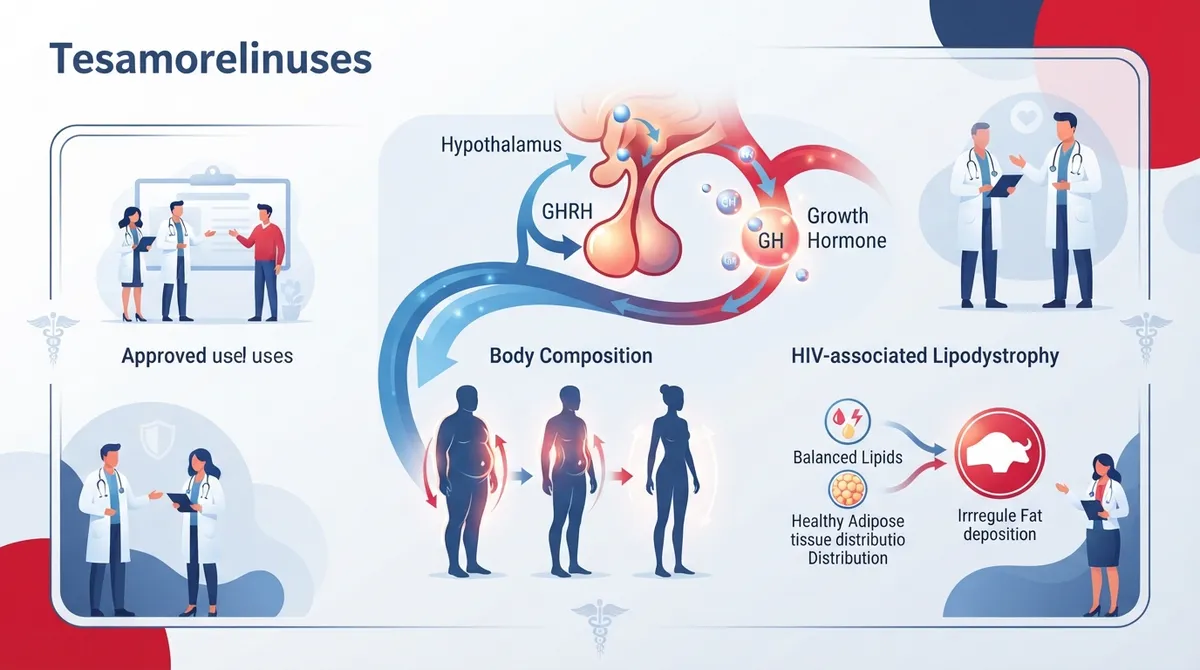
Tesamorelin is a growth hormone-releasing factor (GHRF) analog. In simple terms, it signals the pituitary gland to release more of the body's own growth hormone. That rise in growth hormone also raises IGF-1, a related hormone.
It is given as a daily injection under the skin. It is a prescription drug, not a supplement. It is also not a "research peptide" that you should buy online.
What Is Tesamorelin Approved For?
In the United States, FDA-approved tesamorelin products are indicated to reduce excess abdominal fat in adults with HIV-associated lipodystrophy. This is a condition in which some people living with HIV develop extra fat around the belly and organs.
That is the only approved use. The label also states clearly that tesamorelin is not a weight-loss treatment. Its effect on body weight is neutral.
What "off-label" means
Using tesamorelin for any other reason is off-label. That includes general belly fat, anti-aging, bodybuilding, or body shaping. A licensed clinician can discuss off-label use, but the evidence and risks should come from medical sources. Wellness marketing is not evidence.
Tesamorelin at a Glance
|
Topic |
Key Facts |
|---|---|
|
Drug type |
Growth hormone-releasing factor analog |
|
FDA-approved use |
Excess abdominal fat in adults with HIV-associated lipodystrophy |
|
Weight loss indication |
None; the label says it is not for weight-loss management |
|
Delivery |
Daily subcutaneous injection |
|
Egrifta SV labeled dose |
1.4 mg once daily |
|
Formulations |
Different products have different doses and prep steps and are not interchangeable |
|
Key monitoring |
Blood glucose before and during treatment |
|
Long-term cardiovascular safety |
Not established, per the FDA label |
Important Safety Information
Tesamorelin is a real drug with real risks. Anyone considering it should know these points before a first visit.
Who should not use tesamorelin
- Active cancer: Growth hormone pathways can affect cell growth, so active malignancy is a contraindication.
- Pregnancy: Tesamorelin should not be used during pregnancy.
- Known allergy: Anyone with a hypersensitivity to the product should avoid it.
- Pituitary or hypothalamic problems: Disruption of the hypothalamic-pituitary axis is a contraindication.
A past history of cancer needs careful review by a clinician before any treatment decision.
Blood sugar effects
Tesamorelin can raise blood glucose. It may cause or worsen glucose intolerance and diabetes. The FDA label calls for a glucose check before treatment and regular checks during treatment. People with diabetes also need monitoring for worsening eye disease (retinopathy).
Other reported side effects
- Redness, pain, or irritation at the injection site
- Joint pain or muscle aches
- Swelling in the hands, feet, or legs (peripheral edema)
- Changes in blood sugar control
The label also notes that long-term cardiovascular safety has not been established. Because tesamorelin acts on growth hormone and IGF-1 pathways, a clinician should review your full history and track your response over time.
Why Formulation Matters
Not all tesamorelin products are the same. FDA labeling describes distinct formulations, such as Egrifta SV and Egrifta WR. They differ in dose, mixing steps, and storage. The Egrifta WR label states that it cannot be substituted for Egrifta SV.
The labeled dose for Egrifta SV is 1.4 mg once daily. That figure applies to that product only. Never assume a dose from one source applies to another. Always follow the exact product label and your prescriber's instructions. Verify current details with the FDA and your clinician, since labels are updated.
Tesamorelin Versus Other Peptides and Weight Loss Options
Many people confuse tesamorelin with other peptides. It helps to know how they differ in purpose and regulatory status.
|
Option |
Main Purpose |
Regulatory Notes |
|---|---|---|
|
Tesamorelin |
Reduces abdominal fat in HIV-associated lipodystrophy |
FDA-approved for that use only |
|
GLP-1 medicines |
Diabetes control or weight management, depending on product |
Approved products exist with specific labels |
|
Other growth hormone-related peptides |
Varies; often marketed for wellness |
Status varies; discuss with a clinician |
If your goal is general weight loss, a medically supervised program is a better place to start. You can learn how this works in our guide on what makes medical weight loss different from dieting, or review how to choose the best injection for weight loss in 2026.
How to Judge a Tesamorelin Peptide Offer in Tampa
Local clinic marketing is not proof that tesamorelin is approved for your goal. Use this checklist to protect yourself.
- Ask what condition is being treated. A clear answer should connect to the FDA-approved indication or an openly discussed off-label plan.
- Confirm the prescriber's credentials. You should be able to see who is licensed and responsible for your care.
- Ask whether the product is FDA-approved. Request the exact brand and formulation, not a vague "peptide blend."
- Request baseline testing. Blood glucose and a full medical history should come before any prescription.
- Ask about follow-up. You need a plan for monitoring blood sugar and handling side effects.
- Be wary of guarantees. No ethical clinician promises fat loss, muscle gain, or anti-aging results.
For a broader look at safe peptide care, see our overview of peptide therapy in Tampa benefits and safety and our tips on what to look for in a peptide therapy clinic.
What Tests and Monitoring Are Typically Involved?
Safe care with a prescription growth hormone-releasing drug includes more than a quick consult. A responsible plan often covers:
- A full review of your medical and cancer history
- Baseline blood glucose and related lab work
- A discussion of current medicines and conditions such as diabetes
- Periodic glucose checks during treatment
- Review of injection technique, storage, and side effects
Coverage is a separate question. A Florida Blue coverage guideline, for example, lists prior-authorization criteria tied to HIV-associated lipodystrophy, including documented HIV and clinical measurements. Insurer rules differ and are not universal treatment criteria, so check your own plan.
Why Primary Care Is the Right Starting Point
Hormone-active drugs should not be handled in isolation. A primary care team sees the whole picture: your blood sugar, blood pressure, heart health, family history, and screening status. That context is what makes a safety decision possible.
InCare offers primary care and advanced wellness services at our Tampa and Riverview locations. Tools such as body composition analysis and metabolic breath analysis help measure where you stand instead of guessing. Our providers can help you sort out which options fit your health goals and which do not.
If you are interested in related options, you may also want to read about peptides in Tampa and our weight loss programs. For a clear comparison between similar-sounding peptides, see why ipamorelin and tesamorelin get confused.
You can also follow our health tips on Instagram and see community updates on Facebook.
Questions to Bring to Your Visit
Come prepared. These questions help you get a clear, honest answer from any Tampa clinician:
- Is tesamorelin right for my specific diagnosis, or would this be off-label?
- Which FDA-approved formulation would you prescribe?
- What baseline tests do I need first?
- How will you monitor my blood sugar?
- What happens if I develop side effects?
- Are there better-studied options for my goal?
A good clinician welcomes these questions. If you feel rushed or sold to, that is a signal to pause.
The Bottom Line on Tesamorelin in Tampa
Tesamorelin is a legitimate prescription medicine with a narrow, well-defined use: reducing excess abdominal fat in adults with HIV-associated lipodystrophy. It is not a general weight-loss drug, and using it for other goals is off-label. Glucose monitoring, careful screening for contraindications, and the right product formulation all matter.
The safest path is a licensed clinician who reviews your history, orders the right tests, and explains your options honestly. See what patients say by visiting our InCare reviews on Google, then take the next step toward personalized care.
Ready to talk with a Tampa-area clinician about your goals? Book your visit with InCare today, or contact our team with any questions first.
FAQs
Q: Is tesamorelin FDA-approved for weight loss or belly fat in people without HIV?
A: No. FDA-approved tesamorelin is indicated only to reduce excess abdominal fat in adults with HIV-associated lipodystrophy. The label states it is not a weight-loss treatment, so use for other reasons is off-label and should be discussed with a licensed clinician.
Q: What are the main risks and side effects of tesamorelin?
A: Tesamorelin can raise blood glucose and may cause or worsen glucose intolerance or diabetes. Other reported effects include injection-site reactions, joint or muscle pain, and swelling. The FDA label also notes that long-term cardiovascular safety has not been established.
Q: Who should not use tesamorelin?
A: Tesamorelin is contraindicated with active malignancy, pregnancy, known hypersensitivity to the product, and disruption of the hypothalamic-pituitary axis. A history of cancer requires careful clinical review before any treatment decision.
Q: What should I ask a Tampa clinician before considering tesamorelin?
A: Ask which condition is being treated, which FDA-approved formulation would be used, what baseline tests are required, and how blood sugar will be monitored. Also confirm the prescriber's credentials and ask about alternatives better suited to your goals.
Q: Are different tesamorelin formulations interchangeable?
A: No. FDA-approved formulations differ in dose, preparation steps, and storage needs. For example, the Egrifta WR label states it is not substitutable with Egrifta SV, so always follow the specific product label and your prescriber's instructions.