

Key Takeaways
- Glutathione levels decline by 46.2% in older adults compared to younger adults, and this decline is linked to reduced resilience against illness and slower recovery from physical stress.
- Support natural glutathione production through cysteine-rich foods like whey protein, broccoli, garlic, and eggs rather than oral glutathione supplements, which break down before absorption.
- Higher glutathione levels explain 24% of variance in morbidity, meaning people with better glutathione status tend to have fewer illnesses and better self-rated health outcomes.
- Chronic stress, poor sleep, low protein intake, environmental toxins, alcohol, smoking, and sedentary lifestyle directly drain glutathione stores faster than your body can replace them.
- Simple lifestyle changes including 7-9 hours of sleep, regular moderate exercise, stress management, and hydration can slow or partially reverse age-related glutathione decline.
- Persistent fatigue, frequent infections, brain fog, slow wound healing, and sensitivity to toxins may indicate low glutathione levels requiring comprehensive evaluation by a healthcare provider.
Your body makes its own antioxidant defense system every single day. It's called endogenous glutathione, and most people have never heard of it. Yet this quiet molecule may play a bigger role in your energy, immunity, and healthy aging than almost anything else you can measure. If you've ever wondered why some 60-year-olds feel sharp and resilient while others feel worn down, glutathione levels may be part of the answer.
At InCare, we look at markers like this as part of a bigger picture of whole-body wellness. Understanding endogenous glutathione can help you make smarter choices about nutrition, lifestyle, and preventive care. Let's break down what it is, why it matters, and what you can do to support it naturally.
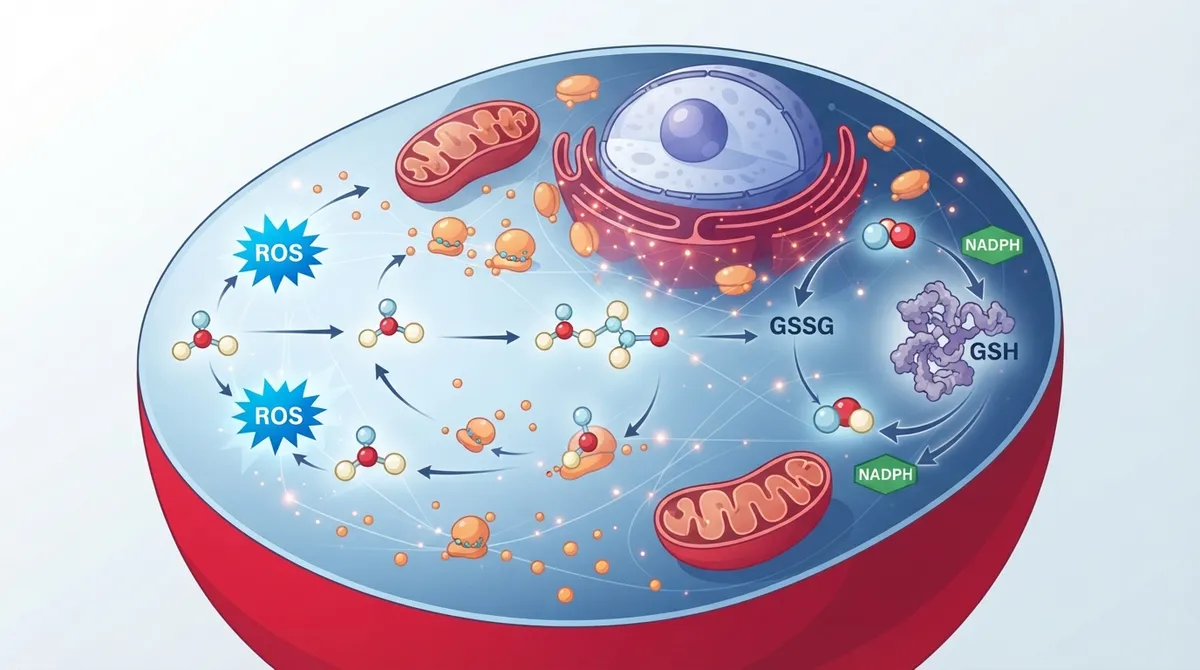
What Is Endogenous Glutathione?
Endogenous glutathione is the antioxidant your body produces on its own, inside your cells. It's built from three amino acids: glutamate, cysteine, and glycine. Unlike vitamins you get only from food, your body manufactures this compound using specific enzymes, mainly glutamate cysteine ligase and glutathione synthetase.
This process depends heavily on having enough raw material, especially cysteine. Without it, your cells can't keep up production, even if the enzymes are working fine. Glutathione is considered the most abundant intracellular antioxidant in the human body, according to research published by the National Institutes of Health.
Why This Antioxidant Matters So Much
Every day, your cells produce waste products called reactive oxygen species. Left unchecked, these molecules damage cells and speed up aging. Glutathione neutralizes them, keeping your internal chemistry balanced.
This process, called redox balance, affects nearly every system in your body. It supports your immune response, helps your liver process toxins, and protects tissues from oxidative stress. When glutathione stores run low, your body has a harder time defending itself.
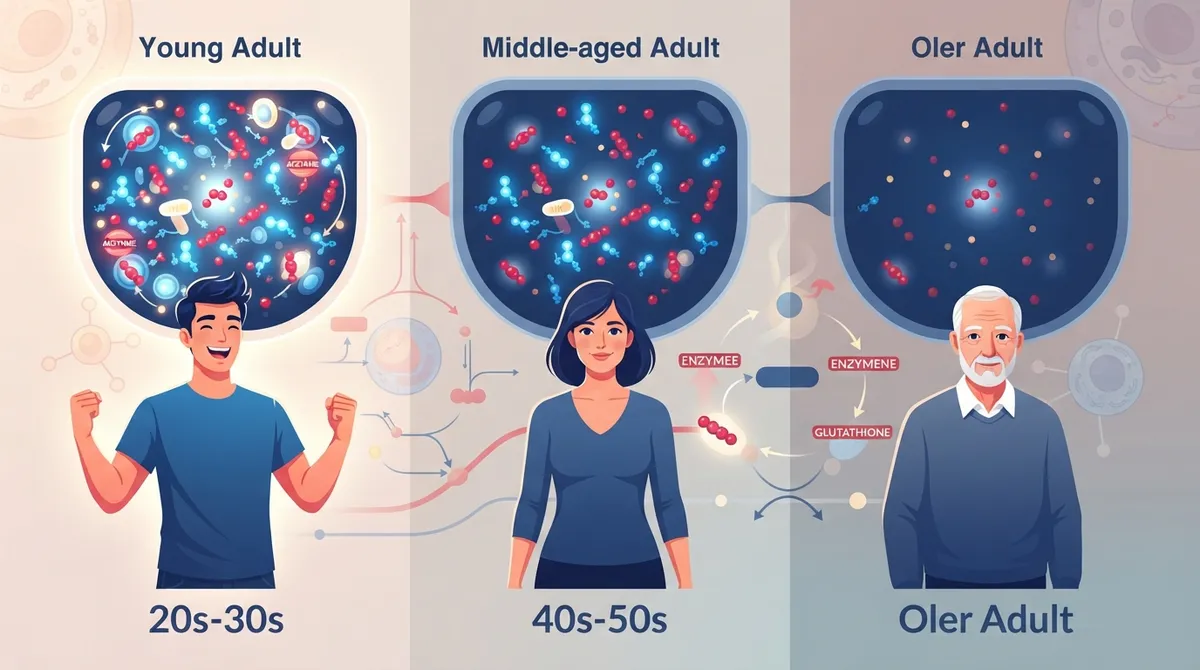
How Endogenous Glutathione Changes With Age
Research shows a clear pattern: glutathione levels tend to decline as people get older. A 2011 study found that older adults had 46.2% lower red blood cell glutathione concentrations compared to younger adults. That's a significant drop.
A 2023 review of aging and glutathione research found that five out of seven blood studies showed significant declines with age. This decline is linked to reduced resilience against illness and slower recovery from physical stress.
- Blood and plasma glutathione levels often decrease steadily through adulthood.
- Lower glutathione status has been linked to more frequent illness in older adults.
- Some brain regions may preserve or even increase glutathione as a compensatory response.
- Chronic health conditions are more common in people with lower glutathione levels.
- Lifestyle factors can slow or partially reverse age-related decline.
Interestingly, not all research points in the same direction. Some studies on brain aging suggest certain regions may maintain or slightly raise glutathione levels as people age, possibly as a protective adaptation. This mixed evidence shows why personalized testing and care matter more than general assumptions.
Glutathione and Overall Health Outcomes
A community-based study of older adults found that glutathione levels explained 24% of the variance in a morbidity index. In simple terms, people with higher glutathione levels tended to have fewer illnesses and better self-rated health.
A 2024 review noted that sub-optimal glutathione levels are common in the general population. The same review linked many age-related chronic conditions to lower glutathione status, reinforcing why this marker deserves attention in preventive care.
What Lowers Endogenous Glutathione Levels?
Several everyday factors can drain your body's glutathione stores faster than it can replace them. Recognizing these triggers is the first step toward protecting your levels.
- Chronic stress and poor sleep quality
- Diets low in protein and sulfur-containing foods
- Exposure to environmental toxins, pollution, and heavy metals
- Excessive alcohol consumption
- Smoking and secondhand smoke exposure
- Sedentary lifestyle with little physical activity
- Chronic illness and prolonged inflammation
Many of these factors overlap with issues we address during routine visits. If you're managing a chronic condition, our team can help you understand how it may relate to oxidative stress. Learn more about how primary doctors help manage chronic illnesses and support long-term health.
How to Naturally Support Endogenous Glutathione Production
The good news is that your body's glutathione production responds well to lifestyle changes. Small, consistent habits can make a real difference over time.
Nutrition Strategies That Help
|
Food or Nutrient |
Role in Glutathione Support |
|---|---|
|
Whey protein |
Provides cysteine precursors for synthesis |
|
Broccoli, cauliflower, cabbage |
Rich in sulfur compounds and Nrf2 activators |
|
Garlic and onions |
Contain sulfur-based compounds supporting production |
|
Eggs and lean meats |
Supply amino acids needed for synthesis |
|
Berries and leafy greens |
Provide additional antioxidant support |
Sulfur-rich vegetables like broccoli are frequently discussed in nutrition research for their role in antioxidant support. For a deeper look, you can read more about broccoli and its connection to glutathione and how food choices support this process.
Lifestyle Habits That Make a Difference
- Prioritize 7 to 9 hours of quality sleep each night.
- Engage in regular moderate exercise, such as brisk walking or strength training.
- Reduce alcohol intake and avoid tobacco products.
- Manage chronic stress through mindfulness, breathing exercises, or counseling.
- Limit exposure to environmental toxins when possible.
- Stay hydrated to support cellular detoxification pathways.
Some patients also explore supplement-based support, such as N-acetylcysteine (NAC), which supplies a direct precursor for glutathione synthesis. If you're curious about supplement options, our guide on glutathione supplements worth trying in 2026 offers helpful context, and you can also explore whether oral glutathione is actually absorbed by the body before choosing a supplement route.
NAC vs. Direct Glutathione Supplements
|
Factor |
NAC (Precursor) |
Direct Glutathione Supplement |
|---|---|---|
|
Absorption |
Well absorbed orally |
Often broken down before absorption |
|
Mechanism |
Provides raw material for synthesis |
Attempts to supply the finished antioxidant |
|
Common Use |
Supports natural production |
Marketed for direct replenishment |
|
Clinical Support |
Well-documented in research |
Mixed evidence on oral effectiveness |
Because oral glutathione tends to break down in the digestive tract, many clinicians favor supporting the body's natural production pathway instead. This is one reason precursor support and lifestyle changes are often emphasized over direct supplementation alone.
Signs Your Glutathione Levels May Be Low
While lab testing offers the clearest picture, certain patterns may suggest your antioxidant defenses need attention. These signs are not exclusive to low glutathione but are worth discussing with your provider.
- Frequent colds or slow recovery from illness
- Persistent fatigue despite adequate rest
- Brain fog or difficulty concentrating
- Slower wound healing
- Increased sensitivity to environmental toxins
- Signs of accelerated skin aging
If you're experiencing several of these symptoms, a comprehensive evaluation can help identify underlying causes. Our primary care services are designed to look at the full picture of your health, not just isolated symptoms.
How Endogenous Glutathione Fits Into Primary Care and Wellness
Glutathione status connects to many areas we already focus on in preventive medicine. It touches immune function, detoxification, cellular aging, and metabolic health, all core parts of a proactive wellness plan.
At InCare, we combine advanced diagnostics with personalized guidance to help you understand what's happening inside your body. Services like DNA gene testing can reveal genetic factors that influence antioxidant metabolism, while body composition analysis helps track how lifestyle changes affect your overall health over time.
Supporting Cellular Health Through Comprehensive Care
Oxidative stress doesn't exist in isolation. It's connected to weight, metabolism, sleep, and chronic disease risk. That's why our approach looks at the whole person rather than a single lab value.
Our weight loss programs, for example, often improve metabolic markers that indirectly support better oxidative balance. Combined with IV hydration and vitamin drips, patients can address hydration and nutrient gaps that may affect antioxidant capacity.
Steps to Take If You're Concerned About Oxidative Stress
- Schedule a comprehensive wellness visit to review your current health status.
- Ask about relevant lab testing to assess markers related to oxidative stress.
- Discuss your diet and identify gaps in protein or sulfur-rich foods.
- Review your sleep habits and stress levels with your provider.
- Consider genetic testing to understand your personal risk factors.
- Follow up regularly to track progress and adjust your plan.
Our providers, including Dr. Naveen Paddu and Dr. Pramjeet Ahluwalia, take time to understand each patient's unique health history before recommending a plan. This personalized approach is central to how we practice medicine at both our Tampa and Riverview locations.
Why Choose InCare for Preventive Wellness Care
Finding a clinic that takes oxidative stress and healthy aging seriously can be difficult. Many traditional practices focus only on treating symptoms after they appear, rather than addressing root causes early.
InCare was built differently. We combine cutting-edge technology with genuine medical expertise to help patients understand what's happening at the cellular level. Whether you're interested in cancer screenings, metabolic breath analysis, or simply want a thorough wellness checkup, our team is ready to help.
Patients consistently share positive experiences with our staff and providers. You can see what real patients say by visiting our InCare location on Google, where our clinic maintains strong reviews for quality care and attentive service. You can also connect with us on Facebook, Instagram, and TikTok for health tips and clinic updates.
Locations Serving Tampa and Riverview
We proudly serve patients across Tampa and Riverview, Florida, with flexible options including in-person and virtual visits. If you're searching for a clinic near you, explore our locations to find the option that fits your schedule.
Our providers bring diverse expertise to every visit, ensuring you receive care tailored to your specific needs and goals. From routine primary care to advanced wellness services, we aim to be your long-term health partner.
Take Control of Your Cellular Health Today
Endogenous glutathione may be invisible, but its impact on your health is very real. Supporting this natural antioxidant system through nutrition, lifestyle, and preventive care can help you feel more resilient as you age.
Ready to learn more about your body's antioxidant status and overall wellness? Book your appointment today and take the next step toward proactive, personalized healthcare. You can also get in touch with our team if you have questions about which services are right for you.
FAQs
Q: What is endogenous glutathione and why is it important?
A: Endogenous glutathione is the antioxidant your body naturally produces inside cells to neutralize oxidative stress. It plays a critical role in immune defense, detoxification, and protecting cells from damage that contributes to aging and chronic disease.
Q: Does glutathione decline with age?
A: Research generally shows glutathione levels decline with age, with one study finding older adults had 46.2% lower levels than younger adults. However, some studies suggest certain brain regions may preserve or even increase glutathione as a compensatory response during healthy aging.
Q: What foods help support glutathione production?
A: Foods rich in sulfur compounds and protein support natural glutathione synthesis. This includes whey protein, broccoli, garlic, onions, eggs, and lean meats, all of which supply the amino acids and cofactors your body needs.
Q: Is NAC better than glutathione supplements for raising levels?
A: NAC provides a direct precursor that supports your body's natural glutathione production and is generally well absorbed. Oral glutathione supplements often break down in digestion before they can be used, making precursor support a more reliable approach for many patients.
Q: What are the signs of low glutathione?
A: Common signs may include frequent illness, persistent fatigue, brain fog, slow wound healing, and increased sensitivity to environmental toxins. These symptoms are not exclusive to low glutathione, so a comprehensive evaluation is the best way to understand your specific health status.