
Key Takeaways
- No universally approved glutathione dosage exists for wellness use; oral studies range from 250-1,000 mg daily, but results are inconsistent and require clinician guidance tailored to your specific health goals.
- IV glutathione carries serious risks including anaphylaxis, liver injury, and kidney damage with no standardized dosing protocol, making it unsafe for routine wellness; oral forms have a much better safety profile with only mild side effects.
- Blood glutathione levels generally return to baseline after stopping supplementation, suggesting ongoing use may be needed to maintain any benefit, but long-term safety data beyond 6 months is lacking.
- Avoid glutathione supplementation if pregnant, breastfeeding, have asthma, liver/kidney disease, cancer history, or take regular medications, as interactions and effects are not well established in these populations.
Walk into any wellness clinic today and you will hear people talking about glutathione. This antioxidant promises clearer skin, more energy, and better immune health. But one question keeps coming up again and again: what glutathione dosage actually works, and is it safe?
The truth is more complicated than most supplement labels admit. There is no single approved dose that fits everyone. Your ideal amount depends on why you want to take it, your health history, and how your body responds. This guide breaks down what current research actually shows, so you can make an informed choice with a qualified clinician instead of guessing based on marketing claims.
At InCare, our providers in Tampa and Riverview help patients sort fact from hype when it comes to wellness supplements like glutathione. If you are considering this antioxidant as part of your health routine, understanding the dosing science is the first step toward using it safely.
What Is Glutathione and Why Do People Take It?
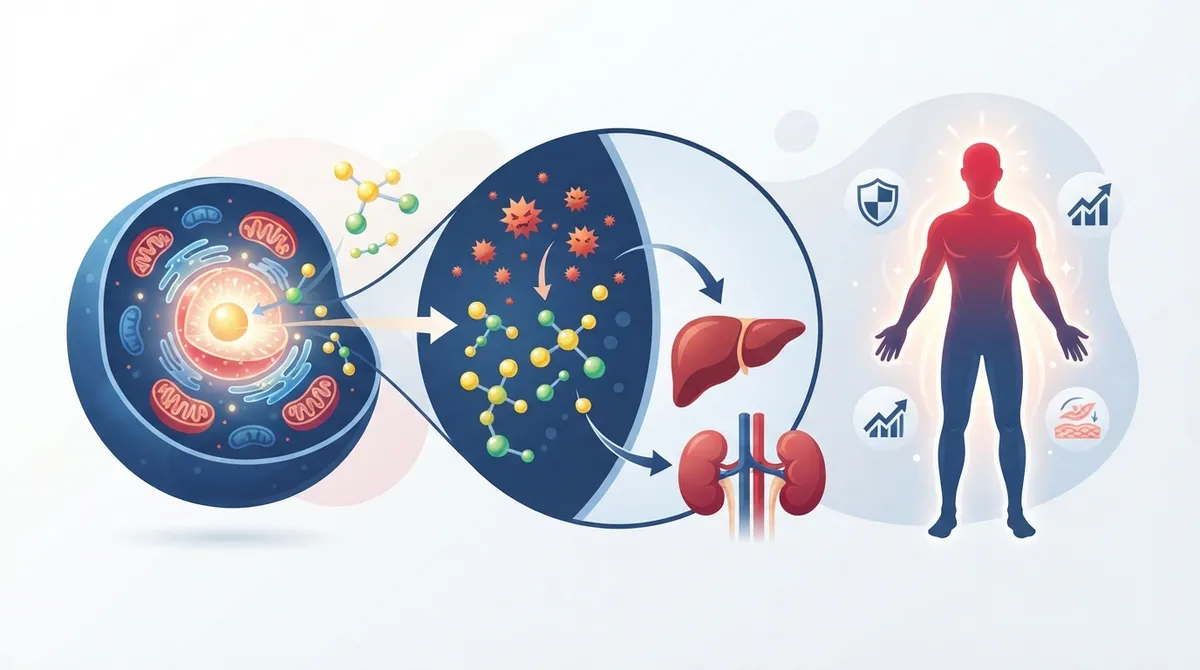
Glutathione is a natural antioxidant your body makes on its own. It helps protect cells from damage and supports your liver's detox processes. As you age, or face chronic illness, your natural glutathione levels can drop.
This decline has fueled interest in supplementation. People take glutathione hoping to support their immune system, improve skin tone, or slow signs of aging. Some also use it alongside medically supervised weight loss programs as part of a broader wellness plan.
However, it's important to separate hope from evidence. Research on glutathione supplementation is still developing, and dosing recommendations remain inconsistent across studies.

Is There a Standard Glutathione Dosage?
No. There is no FDA-approved, universally accepted glutathione dosage for general wellness, anti-aging, detox, or skin lightening. This surprises many patients who expect a clear, one-size-fits-all number.
Small clinical trials have tested oral doses ranging from roughly 250 mg to 1,000 mg daily. These studies suggest supplementation may raise glutathione levels in the body. But evidence connecting this to real health improvements remains limited and inconsistent.
Glutathione does have one specific FDA-approved use: certain ophthalmic (eye-related) formulations. It is not approved as a general intravenous wellness treatment or dietary supplement for systemic health goals.
Commonly Studied Oral Doses
Here is a breakdown of doses that have appeared in published research:
|
Dose |
Study Duration |
Purpose Studied |
Findings |
|---|---|---|---|
|
250 mg/day |
Six months |
General glutathione stores |
Increased blood glutathione by roughly 17–29% |
|
500 mg/day |
4–12 weeks |
Skin lightening (cosmetic) |
Modest, inconsistent melanin reduction |
|
1,000 mg/day |
Six months |
General glutathione stores |
Increased blood glutathione by roughly 30–35% |
These numbers come from a well-known 2015 randomized controlled trial in healthy adults. Both doses raised glutathione markers, but levels generally returned to baseline once supplementation stopped. This tells us ongoing use may be needed to maintain any benefit, assuming the benefit is meaningful for your specific health goals.
How Oral Glutathione Compares to IV Glutathione
Patients often ask whether pills or IV drips work better. The answer depends heavily on safety, not just effectiveness.
- Oral glutathione is generally well tolerated in short-term studies. Reported side effects are usually mild, including stomach upset, headache, rash, or nausea.
- Intravenous glutathione carries far greater risk. Reports describe serious complications including anaphylaxis, liver injury, kidney damage, and severe skin reactions.
- Contaminated or improperly compounded IV products have caused additional harm in documented cases, since there is no standardized IV dosing protocol.
Because of these risks, IV glutathione should never be marketed as a routine wellness treatment. A 2025 safety review confirmed that oral and topical forms carry a much better safety profile than intravenous use, which lacks standardized guidelines entirely.
Oral vs. IV Glutathione: A Quick Comparison
|
Factor |
Oral Glutathione |
IV Glutathione |
|---|---|---|
|
Typical Studied Dose |
250–1,000 mg/day |
No standardized dosing exists |
|
Common Side Effects |
Mild GI upset, headache, rash |
Anaphylaxis, liver injury, kidney injury |
|
FDA Status |
Dietary supplement (unregulated dosing) |
Approved only for specific ophthalmic use |
|
Recommended for Wellness Use? |
Possible with clinician guidance |
Not recommended as routine therapy |
If you're exploring supplement options as part of a broader wellness plan, our team can walk you through safer alternatives during a primary care visit. We also offer IV hydration and vitamin drip therapy using evidence-supported formulations, so you understand exactly what you're receiving.
Glutathione for Skin Lightening: What the Research Shows
Skin lightening is one of the most popular reasons people search for glutathione dosage information. A 2024 systematic review looked at five randomized trials using approximately 250–500 mg daily, or equivalent divided doses.
Here's what researchers found:
- Modest reductions in melanin index were reported in some studies
- Results were inconsistent across trials
- Study quality was generally limited
- Treatment duration ranged from about 4 to 12 weeks
- Intravenous glutathione was specifically flagged as unsafe for this purpose
The review's conclusion was clear: IV glutathione should be avoided for cosmetic skin lightening because the risks outweigh any uncertain benefit. If skin tone is your goal, discussing safer, evidence-based options with a primary care provider is a smarter path forward.
Who Should Avoid Glutathione Supplementation?
Not everyone is a good candidate for glutathione, even at commonly studied doses. Certain health conditions and life stages call for extra caution.
You should talk to a clinician before starting glutathione if you:
- Are pregnant or breastfeeding
- Have asthma
- Have liver or kidney disease
- Have a history of cancer or are receiving chemotherapy
- Have known medication allergies
- Take other prescription medications regularly
Glutathione can potentially interact with certain medications, and its effects during chemotherapy are not well established. This is why disclosing all supplements to your provider matters so much. Product quality, formulation, and labeling can vary widely between brands, which adds another layer of uncertainty.
How Long Does It Take to See Results?
Patience matters with glutathione, just as it does with most wellness supplements. Short oral studies for cosmetic outcomes generally lasted 4 to 12 weeks. The longest well-known trial in healthy adults ran for six months.
Here is a general timeline based on available research:
- Weeks 1–4: Early changes in blood glutathione markers may begin, though visible effects are unlikely yet.
- Weeks 4–12: Some cosmetic studies reported modest melanin index changes during this window.
- Months 3–6: Larger, more consistent increases in glutathione stores were seen at higher doses in longer trials.
- After stopping supplementation: Levels generally trend back toward baseline, suggesting ongoing use may be needed for continued effect.
Because robust long-term safety data beyond six months is lacking, using glutathione indefinitely without medical oversight is not advisable.
Questions to Ask Before Starting Glutathione
Before adding any supplement to your routine, it helps to have a conversation grounded in your personal health picture. Consider raising these points during your next visit:
- What is my specific health goal, and does the evidence support glutathione for that goal?
- Do I have any conditions that make supplementation risky?
- Am I currently taking medications that could interact?
- What dose range is appropriate for my situation?
- How will we monitor for side effects or interactions?
These questions apply whether you're interested in general wellness, skin goals, or supporting your body's natural detox processes. A thorough annual wellness visit is a great place to start this conversation, especially if you don't already have an established relationship with a primary care provider.
Why Personalized Guidance Matters
Wellness trends move fast, and supplement marketing often outpaces the actual science. Glutathione is a good example of an antioxidant with real biological importance, but uncertain benefits when taken as a standalone supplement.
This is exactly why individualized care matters so much. Our physicians, including Dr. Pramjeet Ahluwalia and Dr. Naveen Paddu, take the time to review your full health picture before recommending any wellness therapy. We combine DNA gene testing and other advanced diagnostics with old-fashioned clinical judgment to build a plan that actually fits your body.
Patients considering glutathione alongside other wellness goals, like body composition optimization or cancer screening, benefit from a coordinated approach rather than isolated supplement decisions. Our team of providers across Tampa and Riverview can help connect these pieces into one cohesive health strategy.
Making an Informed Decision
Glutathione dosage isn't a simple number you can copy from a supplement label. It depends on your goals, your health history, and current evidence quality. Oral doses between 250 mg and 1,000 mg daily have been studied with generally reassuring short-term safety, while IV glutathione carries risks that make it unsuitable for routine wellness use.
The smartest path forward is working with a clinician who understands both the science and your individual needs. You can follow our team's ongoing wellness insights on Facebook and Instagram, or catch quick health tips on TikTok. Many patients also check Visit us on Google — InCare to see real experiences from people in Tampa and Riverview before booking their first appointment.
Ready to talk through your wellness goals with a provider who listens? Book your appointment today and get personalized guidance on glutathione, supplements, and your overall health plan. You can also reach out to our team with any questions before your visit.
FAQs
Q: What is the recommended glutathione dosage for adults?
A: There is no universally approved dose for general wellness use. Small clinical trials have studied oral doses of 250 mg to 1,000 mg daily, but any use should be personalized with a qualified clinician based on your specific health goals and history.
Q: Is 500 mg of glutathione per day safe?
A: Oral doses around 500 mg daily have been studied in short trials with generally mild side effects like headache or nausea. Long-term safety data beyond several months is still limited, so ongoing medical guidance is recommended.
Q: Can I take 1,000 mg of glutathione daily?
A: A six-month clinical trial evaluated 1,000 mg daily and found larger increases in glutathione levels compared to 250 mg. However, this was a research dose, not a universal recommendation, and should only be considered with clinician oversight.
Q: Is intravenous glutathione safe for wellness or skin lightening?
A: No. IV glutathione is associated with serious risks including anaphylaxis, liver injury, and kidney damage, and lacks standardized dosing protocols. It should not be marketed as a routine wellness or skin-lightening treatment.
Q: Can glutathione interact with medications or chemotherapy?
A: Glutathione may interact with certain medications, and its effects during chemotherapy are not well established. Always disclose all supplements to your doctor before starting glutathione, especially if you have cancer, liver, or kidney conditions.