Key Takeaways
- Many primary care practices hold same-day or next-day slots for non-emergency problems, but availability varies, so call your office and describe your symptoms rather than assuming a slot is open.
- Primary care is well suited for colds, flu, sore throat, ear pain, urinary symptoms, and mild rashes, and your doctor knows your history, which supports safer decisions.
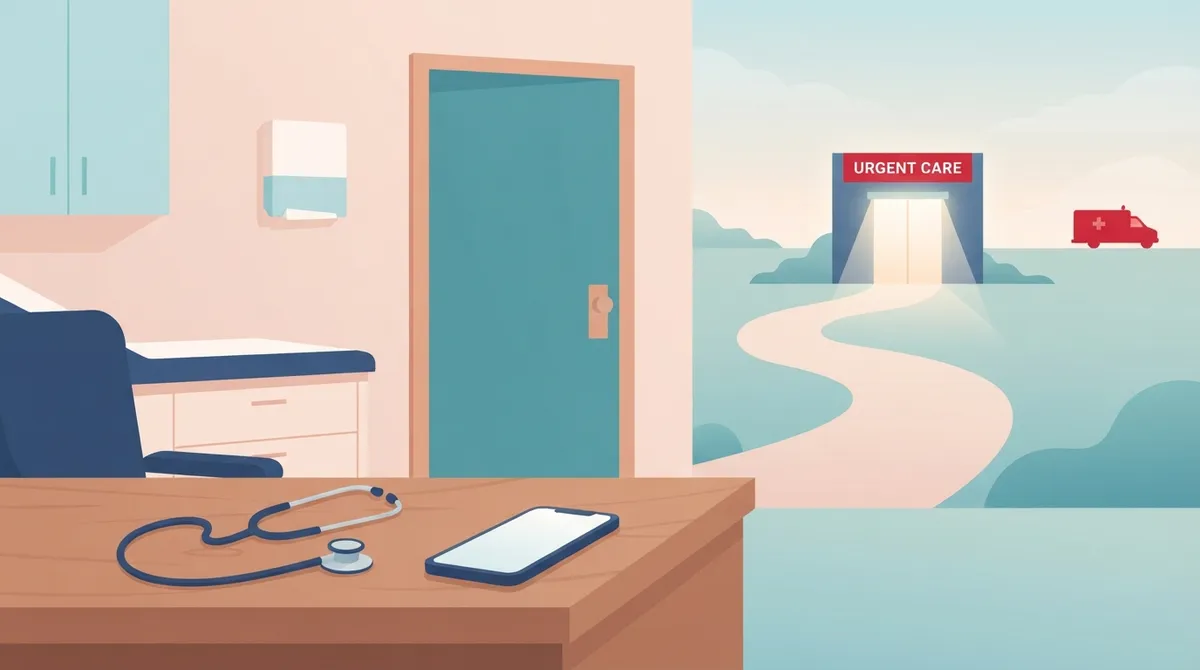
- Choose urgent care when your primary office is closed or fully booked, and confirm walk-in access and hours before going, since capabilities vary.
- Skip both and go to the emergency room or call emergency services for severe breathing trouble, stroke or heart attack signs, major trauma, or uncontrolled bleeding.
You wake up with a sore throat, a fever, or an ear that will not stop aching. Your first thought is simple. Can your regular doctor see you today, or do you have to go somewhere else? It is one of the most common questions patients ask, and the answer shapes how fast you feel better.
So, do primary care doctors do urgent care visits? In many cases, yes. Most primary care practices set aside same-day or next-day slots for non-emergency problems. But the details vary from clinic to clinic. Staffing, schedules, and testing tools all play a role.
This guide gives you 14 clear facts. You will learn what primary care can treat, when urgent care or the emergency room is the better choice, and how to get seen faster. Whether you are a busy parent, a working professional, or someone who wants one trusted team for every need, these facts will help you act with confidence in 2026.
What an "Urgent Care Visit" Really Means
The phrase "urgent care visit" can mean two different things. Understanding both is the first step.
Fact 1: It Can Mean a Time-Sensitive Appointment With Your Own Doctor
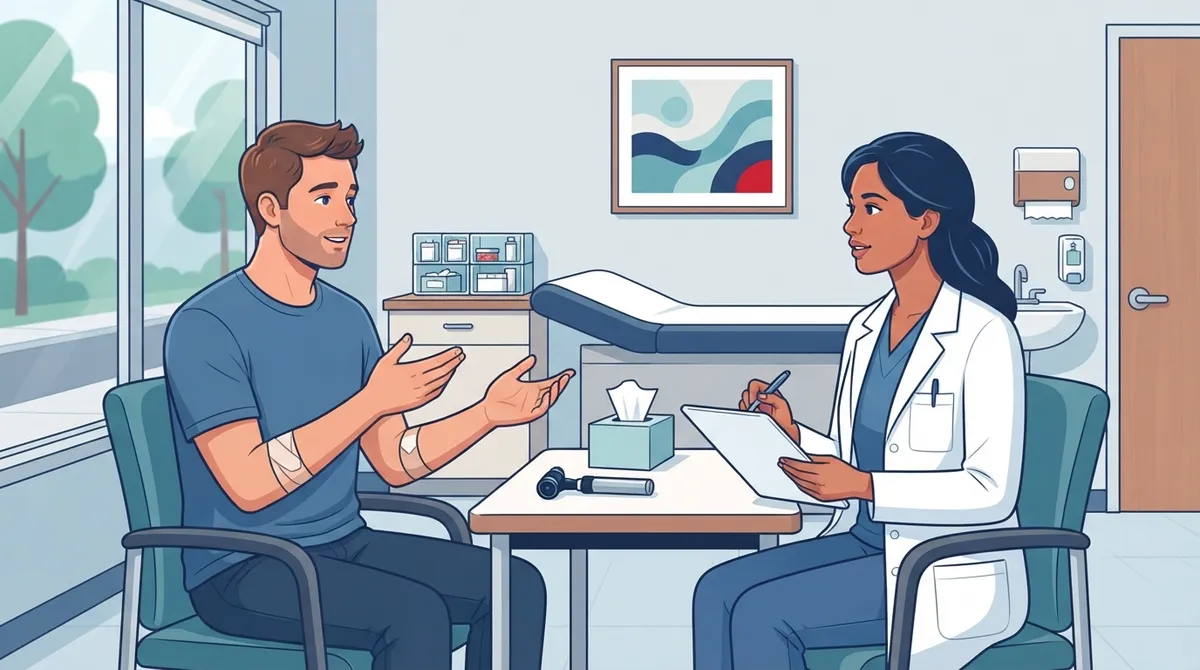
An urgent visit often just means a prompt, acute appointment. Your primary care clinician sees you soon for a new, non-emergency problem. It does not always mean a trip to a separate urgent care center.
Fact 2: Many Primary Care Practices Offer Same-Day or Next-Day Slots
Many clinics reserve part of each day for acute concerns. Availability depends on the practice, its staff, and how it triages symptoms. Never assume a slot is open. Call and describe what you feel.
Fact 3: Some Clinics Combine Both Under One Roof
A few practices offer primary care and urgent care together. This model removes the guesswork. At InCare, patients can access primary care and urgent care services in the same personalized setting, with locations in Tampa and Riverview. You can learn more about how the two settings differ in our guide on primary care vs. urgent care.
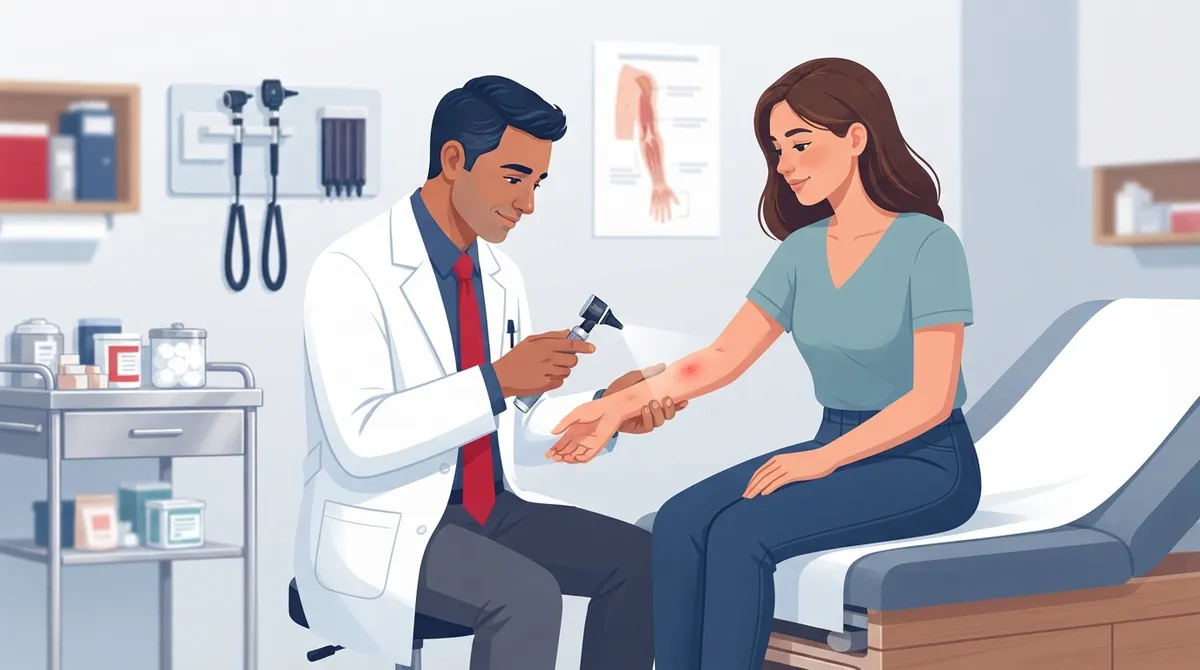
What Primary Care Doctors Can Treat on Short Notice
Primary care clinicians handle many acute problems well. Exact services and on-site testing vary by practice, but these are common examples.
Fact 4: Cold, Flu, and Sore Throat Are Routine
Respiratory illness is one of the most frequent reasons for an acute visit. Your clinician can examine you, order tests if available, and recommend treatment. If you suspect strep, see our tips on getting effective strep throat treatment fast.
Fact 5: Urinary Symptoms, Ear Pain, and Mild Rashes Are Common
These problems are often straightforward to diagnose. A quick exam or simple test can guide the right treatment.
Fact 6: Minor Burns and Some Stomach Issues Can Be Managed
Primary care can address mild burns and certain gastrointestinal symptoms. The clinician may refer you elsewhere if you need imaging, stitches, or procedures the office does not provide.
|
Common Acute Concern |
Often Handled by Primary Care? |
Notes |
|---|---|---|
|
Cold or flu symptoms |
Yes |
Testing varies by clinic |
|
Sore throat |
Yes |
Rapid tests may be on-site |
|
Urinary symptoms |
Yes |
Simple urine tests are common |
|
Ear pain |
Yes |
Exam in office |
|
Mild rash |
Yes |
Referral if severe |
|
Minor burn |
Yes |
Severe burns need emergency care |
|
Broken bone suspected |
Sometimes |
Imaging may require another site |
Why Seeing Your Own Doctor Can Be Better
Fact 7: Your Doctor Already Knows Your History
A clinician who knows your medications, allergies, and chronic conditions can make safer, faster decisions. That context matters when a new symptom might connect to an ongoing issue like diabetes or high blood pressure.
Fact 8: Follow-Up Is Built In
When your own team treats you, follow-up is simple. They can recheck you, adjust medication, and coordinate any specialist care. That continuity often prevents repeat visits. If you are still building that relationship, read how to establish care with a new doctor in 2026.
Fact 9: Prevention Stays in the Picture
An acute visit is also a chance to review screenings, vaccines, and wellness goals. Primary care looks at the whole person, not just today's symptom.
When Urgent Care Is the Smarter Choice
Fact 10: Urgent Care Fits When Your Doctor Cannot See You Promptly
Urgent care is a reasonable choice for a non-life-threatening problem that needs quick attention. It helps when your primary office is closed, fully booked, or does not offer the service you need.
Fact 11: Walk-In Access and Extended Hours Are the Main Advantages
Urgent care centers commonly offer walk-in visits and evening or weekend hours. Hours and capabilities vary, so confirm before you go. For a closer look at the trade-offs, see how to choose urgent care vs. primary care in 2026.
|
Situation |
Best First Step |
|---|---|
|
Mild illness, office open, same-day slot available |
Primary care |
|
Office closed or fully booked, non-severe issue |
Urgent care |
|
Need a test your office does not offer |
Urgent care or referral |
|
Chest pain, stroke signs, severe bleeding |
Emergency room |
When to Skip Both and Call for Emergency Help
Fact 12: Some Symptoms Need the Emergency Room Immediately
Do not wait for an appointment if you have severe trouble breathing, signs of a stroke or heart attack, major trauma, or heavy bleeding. Call emergency services or go to an emergency department right away.
- Severe shortness of breath or chest pressure
- Sudden weakness, face drooping, or slurred speech
- Uncontrolled bleeding or major injury
- Loss of consciousness or sudden confusion
How to Get Seen Faster
Fact 13: A Phone Call Beats Guessing
Call your practice and explain your symptoms clearly. Staff may offer a same-day slot, nurse triage, or a virtual visit. If they cannot see you quickly, they will often tell you whether urgent care or the emergency room is safer. Follow that advice, and seek emergency help if symptoms worsen fast.
- Call the office as early in the day as possible.
- Describe your main symptom, when it started, and how severe it is.
- Ask about same-day appointments, nurse triage, or telehealth.
- Have your medication list and insurance card ready.
- Follow the triage advice you are given.
Fact 14: Technology Is Making Fast Access Easier
Virtual visits and online scheduling have changed how people reach care. Many patients can book online or start with a telehealth visit to find out whether they need to come in. If you want to see how same-day options work locally, read about where to get a same-day sick visit in Riverview.
Why InCare Is Built for Both Needs
InCare combines primary care, urgent care, and advanced wellness under one roof. That means the clinician treating your sudden fever can also see your full health picture, from preventive screenings to weight loss programs and DNA gene testing. Patients in Tampa and Riverview value this connected approach because it saves time and avoids repeating their story at every stop. See what neighbors say by reading InCare reviews on Google, or connect with the team through Facebook, Instagram, or TikTok.
Comfort at home matters during recovery too. If you are managing a fever in Florida heat, a reliable cooling system helps, and local providers like Marks Air can keep your home comfortable while you rest.
The Bottom Line
So, do primary care doctors do urgent care visits? Often, yes, especially for common non-emergency problems. The best choice depends on your symptoms, your clinic's availability, and the services you need. When in doubt, call your practice first. For true emergencies, go straight to the ER.
If you want one team that can handle sudden illness and long-term wellness, book your appointment with InCare today. Questions first? Contact our team and we will help you find the right level of care.
FAQs
Q: Can I get a same-day appointment with my primary care doctor?
A: Often, yes. Many primary care practices hold same-day or next-day slots for acute, non-emergency problems. Availability depends on staffing and schedule, so call the office and describe your symptoms.
Q: Should I go to my primary care doctor or urgent care?
A: Start with your primary care doctor if the office is open and can see you promptly, since they know your history. Choose urgent care if your office is closed, fully booked, or lacks the service you need.
Q: What should I do if my primary care doctor has no same-day appointments?
A: Ask about nurse triage or a virtual visit, then follow the staff's advice. They may direct you to urgent care or, for severe symptoms, the emergency room.
Q: What symptoms mean I should go to the emergency room?
A: Go to the emergency room or call emergency services for severe trouble breathing, signs of stroke or heart attack, major trauma, or severe bleeding. Do not wait for a regular appointment in these cases.
Q: Can primary care doctors treat infections, minor injuries, or flu symptoms?
A: Yes, many can treat common infections, flu symptoms, and minor injuries such as mild burns. Services and testing vary by practice, and your clinician may refer you if you need imaging or procedures.