
Key Takeaways
- Kisspeptin testing is not yet standard practice for diagnosing IHH; doctors still rely on testosterone, LH, FSH, and prolactin measurements alongside detailed patient history for diagnosis.
- Men with IHH seeking fertility should avoid testosterone replacement therapy as it suppresses sperm production; instead, they should use gonadotropin or pulsatile GnRH therapy to restore fertility.
- Some patients with IHH experience spontaneous reversal where the reproductive system restarts on its own, and those who reverse show strong kisspeptin responsiveness, suggesting recovery rather than treatment effect.
- Kisspeptin responsiveness may indicate that the reproductive system has recovered, making it potentially useful for prognosis rather than as a direct treatment that works uniformly across all IHH patients.
- Untreated IHH carries serious long-term health risks including reduced bone density, increased cardiovascular risk, muscle loss, and mental health challenges, making early evaluation and treatment crucial.
- Primary care doctors play a key diagnostic role by ruling out functional causes like extreme dieting or stress, checking thyroid and prolactin levels, and referring to endocrinologists when structural or genetic causes are suspected.
If your periods have stopped, your sex drive has vanished, or puberty never quite finished the job, you may have searched online and stumbled on a confusing term: kisspeptin idiopathic hypogonadotropic hypogonadism. It sounds intimidating, but the science behind it matters for anyone dealing with unexplained low testosterone, missing periods, or fertility struggles. Kisspeptin is a brain signal that controls your reproductive hormones, and researchers are studying whether it can diagnose or even treat a condition called idiopathic hypogonadotropic hypogonadism (IHH). This article breaks down what kisspeptin does, what current research shows, and how it compares to the standard treatments primary care and specialty doctors use today. Whether you are a young adult puzzled by delayed puberty or an adult facing fertility questions, understanding your options is the first step toward better health. At InCare, our Tampa and Riverview teams help patients sort through confusing hormone symptoms and connect them with the right specialists when needed.
What Is Idiopathic Hypogonadotropic Hypogonadism?
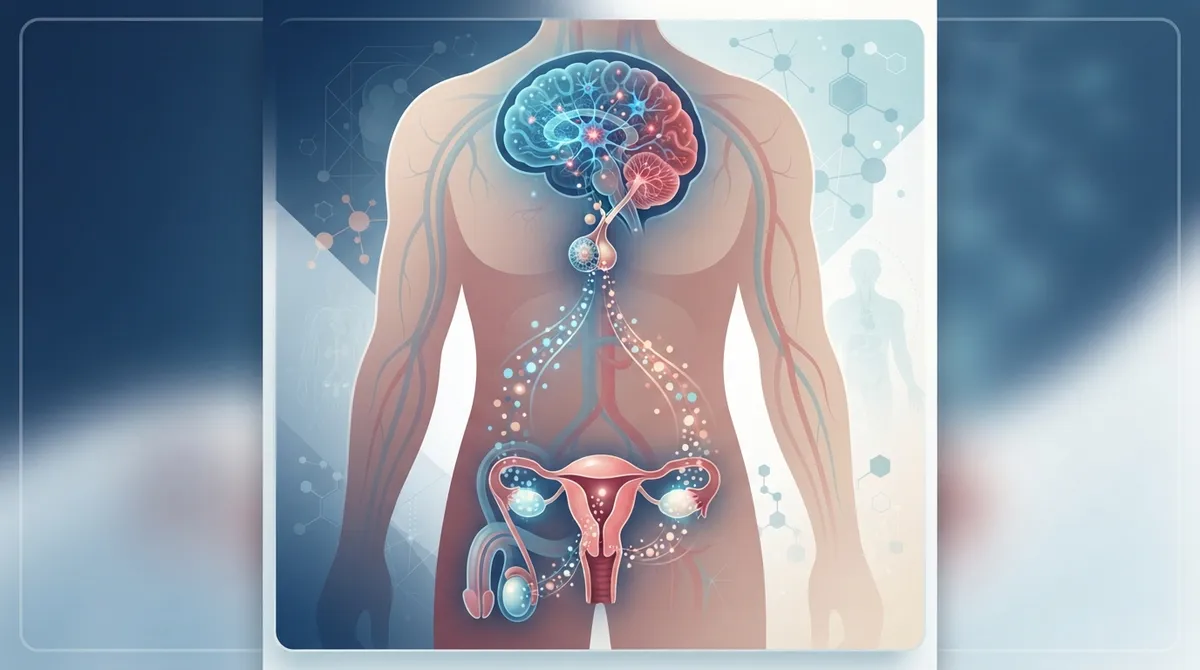
Idiopathic hypogonadotropic hypogonadism, often shortened to IHH, is a condition where the brain fails to send proper signals to the reproductive organs. Doctors also call it isolated hypogonadotropic hypogonadism. The root problem sits in the hypothalamus, a small brain region that releases a hormone called GnRH (gonadotropin-releasing hormone).
When GnRH signals are weak or missing, the pituitary gland cannot release enough luteinizing hormone (LH) and follicle-stimulating hormone (FSH). Without these hormones, the testes or ovaries do not produce enough testosterone, estrogen, or progesterone. This can cause:
- Delayed or incomplete puberty in teens
- Missing or irregular periods in women
- Low testosterone symptoms in men, such as fatigue and low libido
- Infertility in both men and women
- Reduced bone density over time
Because IHH looks similar to other hormone problems, primary care doctors play a key role in catching it early. A thorough primary care evaluation often starts the diagnostic process before a patient ever sees a specialist.
How Kisspeptin Connects to This Condition
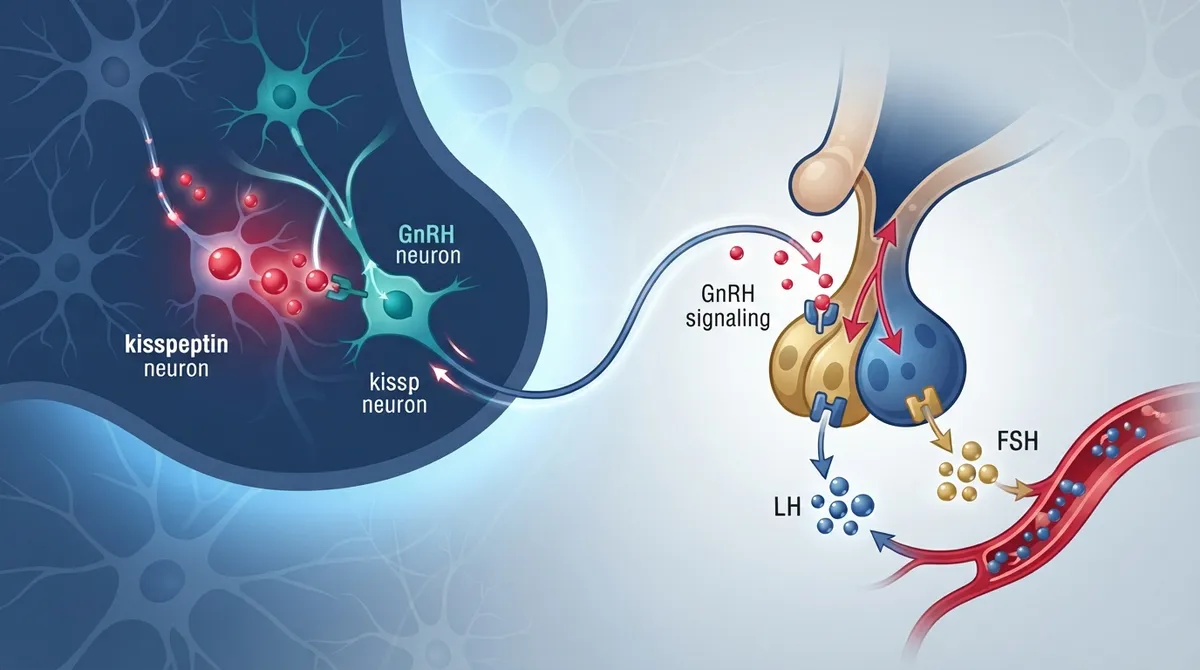
Kisspeptin is a natural chemical messenger made in the hypothalamus. It attaches to a receptor called KISS1R on the neurons that produce GnRH. Think of kisspeptin as the switch that turns on your body's reproductive signal. Without a working kisspeptin system, GnRH release becomes irregular or stops altogether.
This is why scientists believe kisspeptin plays a central role in IHH. If the kisspeptin signal is broken, the entire hormone chain below it breaks down too. Understanding this pathway has opened new doors for both diagnosing and possibly treating central hypogonadism, and you can read more about the discovery story in our guide to kisspeptin and fertility.
Why Kisspeptin Testing Is Not Yet Standard Practice
Despite the exciting science, testing kisspeptin directly is not part of routine care. Research studies have given administered kisspeptin to patients with IHH to see how their bodies respond, but this remains an investigational approach rather than an approved clinic test.
A 2014 study published in the Journal of Clinical Endocrinology & Metabolism found that participants with persistent IHH did not show a meaningful LH response after receiving physiologic doses of kisspeptin. Yet one participant whose hypogonadism had reversed did respond strongly. A follow-up 2018 study found similar results: patients responded normally to GnRH but not to kisspeptin, even after sex-steroid treatment.
Kisspeptin as Diagnosis vs. Kisspeptin as Treatment
It helps to separate two different uses of kisspeptin being studied today. The table below compares them directly.
|
Approach |
Purpose |
Current Status |
|---|---|---|
|
Kisspeptin as a diagnostic probe |
Tests whether GnRH neurons respond to stimulation |
Investigational, used mainly in research settings |
|
Kisspeptin as a treatment |
Attempts to restart pulsatile GnRH and hormone production |
Under active clinical trial, not yet approved |
|
Standard hormone testing |
Measures testosterone, estradiol, LH, FSH, prolactin |
Routine part of primary care and endocrinology evaluation |
|
Gonadotropin or pulsatile GnRH therapy |
Restores fertility in men and women with IHH |
Established, standard specialist treatment |
What the Research Actually Shows
Several studies have tried to understand why some people with IHH respond to kisspeptin while others do not. Here is a numbered summary of key findings:
- A 2014 study found all participants with persistent IHH failed to show an LH response to physiologic kisspeptin doses.
- A 2018 study confirmed that patients responded to GnRH but not to kisspeptin, even after sex-steroid treatment.
- A 2016 review of reversal cases found that four patients with recovered IHH had strong LH responses after receiving intravenous kisspeptin doses between roughly 0.24 and 2.20 nmol/kg.
- Two patients in that same review who had relapsed back into hypogonadism did not respond to kisspeptin at all.
- An active clinical trial (NCT05896293) is testing subcutaneous pulsatile kisspeptin over 15 days in men and women with IHH, tracking LH pulses and, in women, follicle growth using ultrasound.
These findings suggest that kisspeptin responsiveness may be a sign that the reproductive system has recovered, rather than something kisspeptin itself can force to happen in everyone. This is an important distinction for patients hoping for a quick fix.
Reversible vs. Persistent IHH
Not everyone with IHH has the condition for life. Some patients experience what doctors call reversal, where the hypothalamic-pituitary-gonadal axis restarts on its own after months or years of treatment or even without treatment. This reversal can happen more often than once thought, which is why regular monitoring matters.
Patients who reverse tend to respond well to kisspeptin stimulation in research settings. Those with persistent or relapsed IHH generally do not. This pattern helps researchers understand the underlying biology, even though it does not yet change day-to-day treatment plans.
How Primary Care Doctors Evaluate Suspected IHH
Since kisspeptin testing is not routine, your primary care physician relies on a structured evaluation. Here are the typical steps:
- Review your symptoms, growth history, and family history of delayed or absent puberty.
- Order morning testosterone levels in men or check estradiol and menstrual patterns in women.
- Measure LH and FSH to distinguish central (hypothalamic or pituitary) causes from gonadal causes.
- Check prolactin and thyroid hormones, since abnormalities here can mimic IHH.
- Rule out functional causes like extreme dieting, overtraining, low body weight, high stress, or certain medications.
- Consider genetic testing or imaging if a structural or congenital cause is suspected.
- Refer to endocrinology, and reproductive specialists if fertility is a goal.
The European Association of Urology recommends confirming low testosterone with at least two morning blood draws before diagnosing male hypogonadism, alongside LH and FSH testing to separate primary from secondary causes. This careful, stepwise approach protects patients from unnecessary treatment while catching real problems early.
Distinguishing IHH From Similar Conditions
Many conditions can look like IHH at first glance. Getting the diagnosis right matters because treatments differ significantly. Consider these common look-alikes:
- Kallmann syndrome: A genetic form of IHH often paired with a reduced or absent sense of smell.
- Functional hypothalamic amenorrhea: Missing periods caused by low body weight, excessive exercise, or high stress, which can often reverse with lifestyle changes.
- Pituitary tumors: Structural growths that disrupt hormone signaling and require imaging to identify.
- Primary gonadal failure: A problem in the testes or ovaries themselves, marked by high LH and FSH rather than low levels.
- Chronic illness or medication effects: Certain drugs and long-term diseases can suppress reproductive hormones temporarily.
A trained provider will sort through these possibilities using targeted lab work and a detailed history. If you are unsure where to start, scheduling a visit with a provider near you is a practical first step.
Current Treatment Options for IHH
While kisspeptin therapy remains experimental, effective treatments already exist for people diagnosed with IHH. The right choice depends on whether the patient's goal is symptom relief or fertility.
Hormone Replacement for Symptom Control
For men, testosterone replacement therapy can restore energy, libido, and bone strength. For women, estrogen and progesterone therapy support bone health, menstrual regularity, and overall well-being. These treatments are widely used and well understood in testosterone replacement therapy programs.
However, testosterone therapy alone will not restore fertility. In fact, it can suppress sperm production further, since the body senses adequate testosterone levels and reduces its own signaling even more. Men who want to father children should avoid testosterone therapy and instead pursue fertility-focused treatment.
Fertility-Focused Treatment
For men and women hoping to conceive, gonadotropin therapy or pulsatile GnRH treatment is the standard approach. These therapies directly stimulate the pituitary and gonads, bypassing the need for a working kisspeptin signal. This is typically managed by a reproductive endocrinologist or fertility specialist working alongside your primary care team.
Long-Term Health Risks of Untreated IHH
Leaving IHH untreated carries real risks beyond fertility concerns. Patients and families should understand what is at stake:
- Reduced bone density and higher fracture risk due to low sex hormone levels
- Increased cardiovascular risk over time
- Emotional and mental health challenges linked to delayed puberty or unexplained infertility
- Muscle loss and reduced physical stamina
- Lower quality of life without proper hormone support
This is why early evaluation matters so much. A yearly wellness visit can catch warning signs long before they become serious. Learn more about what typically happens during a annual wellness visit and how it supports early detection.
When to See a Specialist
Primary care providers are often the first to notice signs of central hypogonadism, but certain situations call for a referral. Consider seeing an endocrinologist or fertility specialist if:
- Puberty has not started or progressed by the expected age
- Periods have stopped for more than three months without an obvious cause
- Testosterone levels remain low across repeated morning tests
- You are trying to conceive and have not succeeded after standard evaluation
- Genetic testing reveals a known cause like Kallmann syndrome
Your primary care team can coordinate this referral process and manage ongoing care, including bone density monitoring and general health support, while specialists handle the more complex hormone therapies.
Why Choose InCare for Your Hormone Health Journey
Navigating a condition like IHH can feel overwhelming, especially with emerging research on kisspeptin creating both hope and confusion. At InCare, our providers in Tampa and Riverview take time to listen, order the right tests, and guide you toward trusted specialists when advanced care is needed. We combine DNA gene testing, comprehensive lab work, and personalized wellness planning to give you a clear picture of your hormone health.
Our patients consistently share positive experiences, and you can visit us on Google — InCare to read real reviews from people we have helped. We also share health education and patient stories on Facebook, Instagram, and TikTok, so you can stay connected between visits.
Take the Next Step Toward Answers
If you suspect a hormone imbalance is affecting your health, fertility, or quality of life, do not wait to get answers. Our team can order the right tests, explain your results in plain language, and connect you with specialists if kisspeptin research or advanced fertility treatment becomes relevant to your care. Book your appointment today and take control of your hormone health with a team that puts your goals first.
FAQs
Q: What is kisspeptin and how does it affect GnRH, LH, and FSH?
A: Kisspeptin is a brain chemical that activates GnRH neurons through the KISS1R receptor. This activation controls the release of GnRH, which then tells the pituitary gland to release LH and FSH. These two hormones drive testosterone, estrogen, and progesterone production in the body.
Q: Can a kisspeptin blood test diagnose idiopathic hypogonadotropic hypogonadism?
A: No, kisspeptin measurement is not part of standard diagnostic testing today. Doctors rely on testosterone, estradiol, LH, FSH, prolactin, and thyroid testing along with a detailed history to diagnose IHH.
Q: Is kisspeptin approved to treat infertility or low testosterone in people with IHH?
A: Not yet. Kisspeptin remains an investigational treatment studied in clinical trials. Standard treatment still relies on hormone replacement for symptoms and gonadotropin or pulsatile GnRH therapy for fertility.
Q: Can idiopathic hypogonadotropic hypogonadism reverse on its own?
A: Yes, some patients experience spontaneous reversal of IHH after treatment or over time. Research shows these patients often regain kisspeptin responsiveness, while those with persistent or relapsed IHH generally do not.
Q: Why should testosterone not be used by men with IHH who want to preserve fertility?
A: Testosterone replacement can suppress the body's natural hormone signaling even further, reducing sperm production. Men trying to conceive should pursue gonadotropin therapy instead, which supports both hormone levels and fertility.