
Key Takeaways
- A weight loss consult is a health planning visit, not just a weigh-in, and it typically starts with a conversation about your goals, history, and daily habits before any plan is built.
- Expect weight, height, and blood pressure checks, and possibly waist measurement; BMI is only a screening tool, so clinicians may also use body composition or other markers.
- Blood tests are individualized, not automatic; your clinician may check blood sugar or A1C, cholesterol, liver function, or hormones based on your history and risk.
- Bring a full list of medicines, vitamins, and supplements, your health history and recent labs, notes on past diets, a few days of food and activity notes, and your top goals.
- Medication may be an option for adults with a BMI of 30 or higher, or 27 or higher with a weight-related health problem, used alongside lifestyle support rather than instead of it.
- Weight management is ongoing care: expect follow-up visits to review progress, side effects, and barriers, and to adjust your plan as needed.
Booking your first weight loss consult can feel a little uncertain. You may wonder if you will be weighed in front of others, judged, or handed a strict diet. The truth is much more helpful. A weight loss consult in primary care is a health planning visit, not just a weigh-in. This guide explains what happens, what to bring, and what comes next.
Weight is a common health concern. According to the CDC, adult obesity prevalence in the U.S. was 40.3% from August 2021 to August 2023. That means millions of adults are asking the same question you are. If you are a busy parent, a professional with a packed calendar, or someone who simply wants a smarter plan, knowing what to expect can make your first visit easier and more productive.

What Is a Weight Loss Consult?
A weight loss consult is an individualized health assessment and planning visit. A clinician looks at your goals, health history, daily habits, and current health markers. Then you build a plan together. The exact steps depend on your health, your preferences, and local clinical practice.
Think of it as a conversation first and a plan second. Good clinicians discuss weight in a respectful, collaborative way. You are not there to be lectured. You are there to learn what is possible for your body and your life.
At a primary care and wellness clinic like InCare, the visit often connects weight to the bigger picture of your health. This can include blood pressure, blood sugar, sleep, stress, and mood. That whole-body view is what sets medical weight loss apart from a quick diet plan.
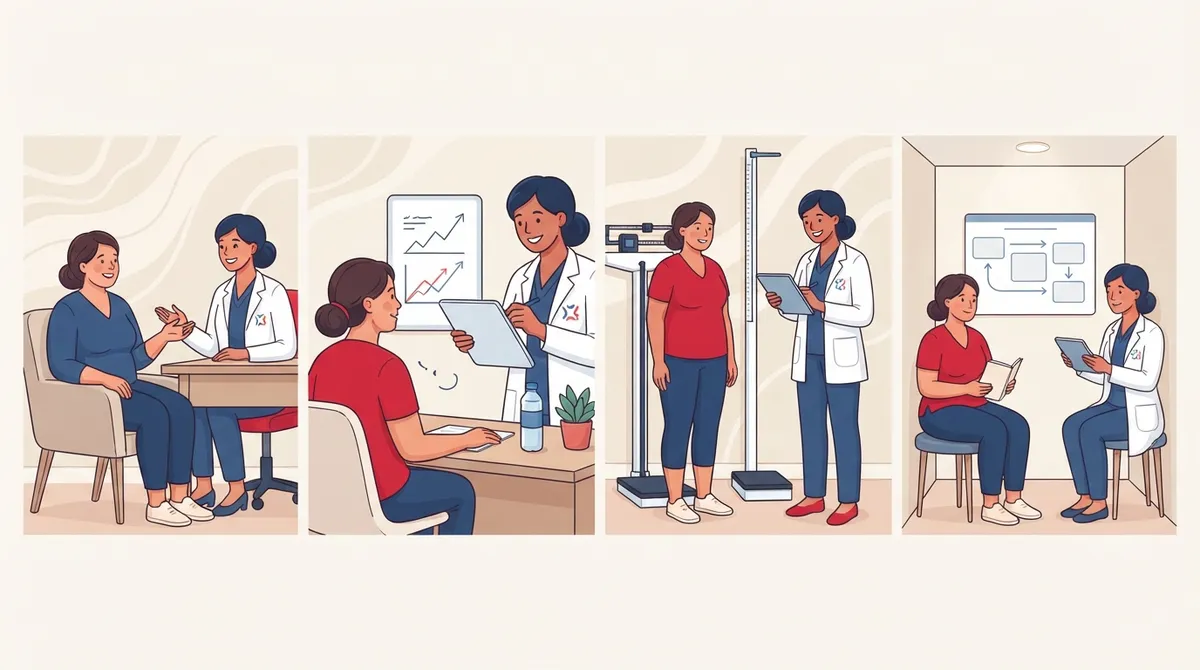
A Step-by-Step Look at Your First Visit
Every clinic runs a little differently, but most first consults follow a similar path. Here is what you can usually expect.
- Check-in and paperwork. You will share basic health information, current medicines, and past medical conditions.
- Goal-setting conversation. Your clinician asks what you hope to achieve and what worries you most.
- Health and weight history review. You talk through past weight changes, diets you have tried, and what worked or did not.
- Physical measurements. Staff check height, weight, blood pressure, and other vital signs.
- Lab work or testing, if needed. Your clinician decides which tests make sense for you.
- Shared plan and next steps. You leave with a plan and a follow-up date.
Many patients are surprised by how much of the visit is simply talking. That is by design. Your story guides the plan.
The Conversation: Goals, History, and Habits
The first part of your consult usually starts with your goals and concerns. Your clinician may ask questions such as:
- What do you want to change, and why does it matter to you now?
- How has your weight changed over the years?
- What diets or programs have you tried before?
- What does a normal day of eating and movement look like?
- How are your sleep and stress levels?
- What medicines or supplements do you take?
- Do weight-related conditions run in your family?
These questions are not meant to judge you. They help your clinician spot patterns and barriers. For example, poor sleep, high stress, or certain medicines can make weight loss harder. Finding these hidden factors early saves time and frustration later.
Measurements and Physical Checks
Yes, you will likely be weighed. Your clinician may also measure height, blood pressure, and other vital signs. Some clinicians check waist circumference too, since it can help show health risk.
You may also hear about BMI, or body mass index. BMI is a useful screening tool, but it is not a full picture of your health. It cannot tell the difference between muscle and fat. That is why many modern clinics add more detailed tools. At InCare, for example, body composition analysis uses 3D imaging to show how much of your weight is fat and how much is lean mass. Learn more in our guide on why body composition analysis matters.
Some clinics also offer metabolic breath analysis, which looks at how your body uses energy. This can help tailor your plan to your unique metabolism.
Health Conditions Your Clinician Will Review
Weight can be linked to other health conditions, and some conditions can affect your treatment choices. Your clinician will usually review items such as:
- High blood pressure
- Abnormal cholesterol
- Prediabetes or diabetes
- Sleep apnea
- Joint problems
- Mood concerns, such as depression or anxiety
Screening for disordered eating or mental health concerns may also be part of a thoughtful visit. This is normal and helps keep your plan safe. If you live with diabetes, you can also read about how medical weight loss supports diabetics.
Will You Need Blood Work?
Blood tests are individualized, not automatic. Depending on your history and risk, your clinician may check some of the following.
|
Test |
What It Can Show |
|---|---|
|
Blood glucose or A1C |
Blood sugar control and diabetes risk |
|
Cholesterol panel |
Heart health and fat levels in the blood |
|
Liver function tests |
Liver health and medicine safety |
|
Thyroid and other hormone tests |
Possible hormone-related causes of weight changes, when clinically appropriate |
Not every patient needs every test. Your clinician chooses tests based on your story, symptoms, and risk. Having labs done on site, when available, can also speed up decisions. For more on this, see our comparison of in-house and external lab testing.
Building Your Personalized Plan
After the review, you and your clinician build a plan that fits your life. The USPSTF recommends offering or referring adults with a BMI of 30 or higher to intensive, multicomponent behavioral interventions. Many effective programs aim for at least 5% weight loss through diet changes and more physical activity. The NIDDK notes that losing 5% to 10% of starting body weight may improve blood sugar, blood pressure, and triglycerides.
Your plan may include one or more of these pieces:
- Nutrition guidance that fits your tastes, culture, and schedule
- Physical activity goals that start where you are
- Behavioral support to build lasting habits
- Sleep and stress strategies that support your results
- Referrals to a dietitian or a structured program
- Medication, when it is appropriate
This is what makes medical weight loss different from dieting. The plan is built around you, and it can change as you progress. If you want a deeper look at planning, read how to build weight loss plans that actually work.
Will Medication Come Up?
It might. Medication can be one option, used alongside lifestyle support. The NIDDK describes common adult eligibility as a BMI of 30 or higher, or a BMI of 27 or higher with a weight-related health problem. Your clinician also considers your health history, other medicines, possible benefits and risks, and cost.
Not everyone is a candidate, and that is okay. Research shared by the NIDDK shows adults using prescription weight-management medicine as part of a lifestyle program lose, on average, 3% to 12% more of their starting body weight after one year than those in a lifestyle program without medication. Results vary by person and by medicine.
If you are curious about injectable options, you can explore how these treatments work in our guides on weight loss injections and what they may cost in 2026. Your clinician can explain which option, if any, fits your needs.
What to Bring and How to Prepare
A little preparation helps you get more from your time. Consider bringing or writing down the following:
- A list of all medicines, vitamins, and supplements
- Your health history and any recent lab results
- Notes on past diets and what you learned from them
- A few days of food and activity notes, if you can
- Your questions and your top goals
- Your insurance information
It also helps to think about what matters most to you. Do you want more energy, better blood sugar, or less joint pain? Clear goals help your clinician shape a plan that feels meaningful.
Talking About Weight Without Feeling Judged
Many people feel nervous about this topic. That is normal. Here are a few ways to make the conversation easier:
- Be honest about what you have tried and what felt hard.
- Say how you want to be spoken to, such as using a certain word for weight.
- Ask for the reasons behind any advice.
- Share your limits, such as time, budget, or family needs.
A good clinician listens and works with you as a partner. If a visit does not feel respectful, you have every right to look for a better fit. You can learn what to look for in our guide to choosing a weight loss clinic that gets results.
What Happens After the First Visit?
A weight loss consult is the start of ongoing care, not a one-time weigh-in. Expect follow-up visits to review progress, side effects, barriers, and whether your plan needs changes. Weight management often needs long-term support, so steady check-ins matter.
Between visits, your clinician may ask you to track habits or take simple steps, such as adjusting meal timing or building a short daily walk. Small, steady changes often beat dramatic ones. For practical ideas, see these meal timing tips for weight loss. To understand the bigger picture of ongoing care, read about what weight management programs look like.
Why Choose a Primary Care and Wellness Clinic?
A primary care setting can connect your weight goals to the rest of your health. Your clinician already knows your history, your medicines, and your risks. That context makes your plan safer and more complete.
InCare offers medical weight loss alongside primary care, body composition tools, metabolic testing, and preventive screenings, all with personalized plans. Our team serves patients in Tampa and Riverview, and you can meet our providers before your visit. Patients also share their experiences on Google, so you can read InCare reviews on Google and see what to expect from our Riverview and Tampa teams. If you prefer to explore our approach first, see our page on weight loss consultations with InCare.
You can also follow our updates and wellness tips on Instagram, Facebook, and TikTok.
Ready to Take the First Step?
A weight loss consult should leave you feeling informed, heard, and ready. You will know your starting point, your options, and your next steps. That clarity is often the biggest win of the first visit.
If you are ready to start, book your weight loss consultation with InCare today. Have questions first? Contact our team and we will gladly help you find the right time and format, including in-person or virtual care.
FAQs
Q: What happens during a weight loss consultation with a primary care doctor?
A: Your clinician reviews your goals, weight history, habits, and health conditions, and takes measurements such as weight and blood pressure. Some patients also get lab tests. You then build a personalized plan together and set a follow-up visit.
Q: Will my doctor weigh me and calculate my BMI?
A: Most likely, yes. Height, weight, and BMI are common starting measurements. BMI is only a screening tool, so clinicians often look at other factors, such as blood pressure, waist size, lab results, and body composition.
Q: What tests might be done at a weight loss consult?
A: Tests are individualized. Depending on your history and risk, a clinician may check blood glucose or A1C, cholesterol, liver function, or other markers to guide safe care.
Q: Can a primary care doctor prescribe weight loss medication, and who qualifies?
A: Yes, when it is appropriate. Common adult criteria include a BMI of 30 or higher, or a BMI of 27 or higher with a weight-related health problem. Your health history, other medicines, risks, and cost all play a role, and not everyone is a candidate.
Q: How often will I need follow-up visits for weight management?
A: Weight management is ongoing care, so follow-ups are common. Your clinician sets a schedule based on your plan, and you review progress, side effects, and any needed changes at each visit.