

Key Takeaways
- Injectable glutathione carries significantly higher risks than oral forms, including documented FDA cases of contamination with bacterial endotoxins causing severe reactions like fever, low blood pressure, and bloodstream infections.
- Oral glutathione appears generally safe for short-term use in healthy adults, with only mild gastrointestinal side effects like bloating and loose stools reported in research studies.
- Injectable glutathione for skin lightening and detox lacks FDA approval and standardized dosing, with limited evidence supporting popular wellness claims but documented risks of liver damage and infection.
- Before considering any glutathione product, consult your primary care provider about your health history, current medications, product sourcing, and verify injectable products come from licensed compounding pharmacies with proper sterility testing.
Glutathione has become one of the most talked-about supplements in wellness circles, promoted for everything from brighter skin to better energy. But before you try an oral capsule or book an IV drip, it helps to understand what glutathione actually does and where the real safety concerns lie. Understanding glutathione and toxicity risks is essential whether you are a busy parent researching supplements or a wellness-focused professional considering an IV lounge visit. This guide breaks down the science in plain language, so you can make an informed choice with your primary care provider.
At InCare, our providers in Tampa and Riverview regularly field questions about glutathione, detox therapies, and IV treatments. This article explains what current evidence shows about safety, who should be cautious, and when a symptom after taking glutathione needs urgent attention.
What Is Glutathione and Why Does It Matter?
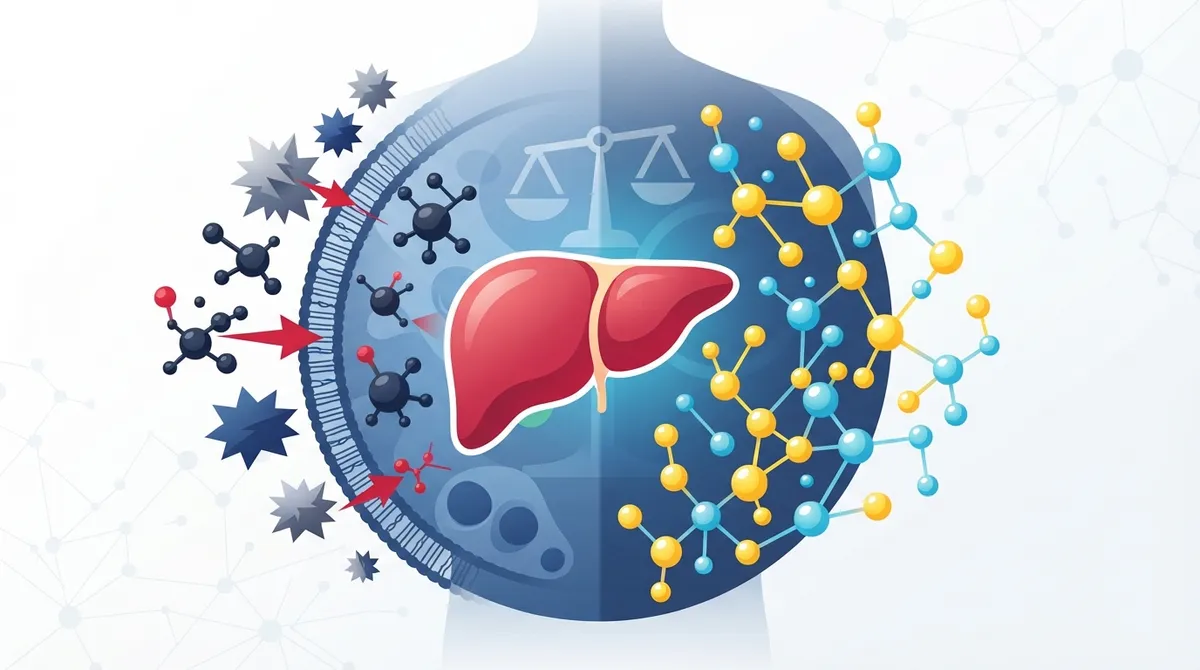
Glutathione is a natural antioxidant made inside your own cells. Your body builds it from three building blocks: glutamate, cysteine, and glycine. It plays a role in fighting oxidative stress, supporting immune function, and helping the liver process toxins.
Because your body already makes glutathione, having it naturally does not mean adding more through supplements is automatically safe or necessary. Many wellness claims about glutathione go beyond what current research actually supports. This distinction matters when weighing glutathione and toxicity concerns for any supplement or infusion you're considering.
How the Body Uses Glutathione
- Neutralizes free radicals that damage cells
- Supports liver detoxification pathways
- Helps regenerate other antioxidants like vitamins C and E
- Plays a role in immune cell function
- Assists in maintaining healthy skin and tissue repair
Oral Glutathione: What the Evidence Shows
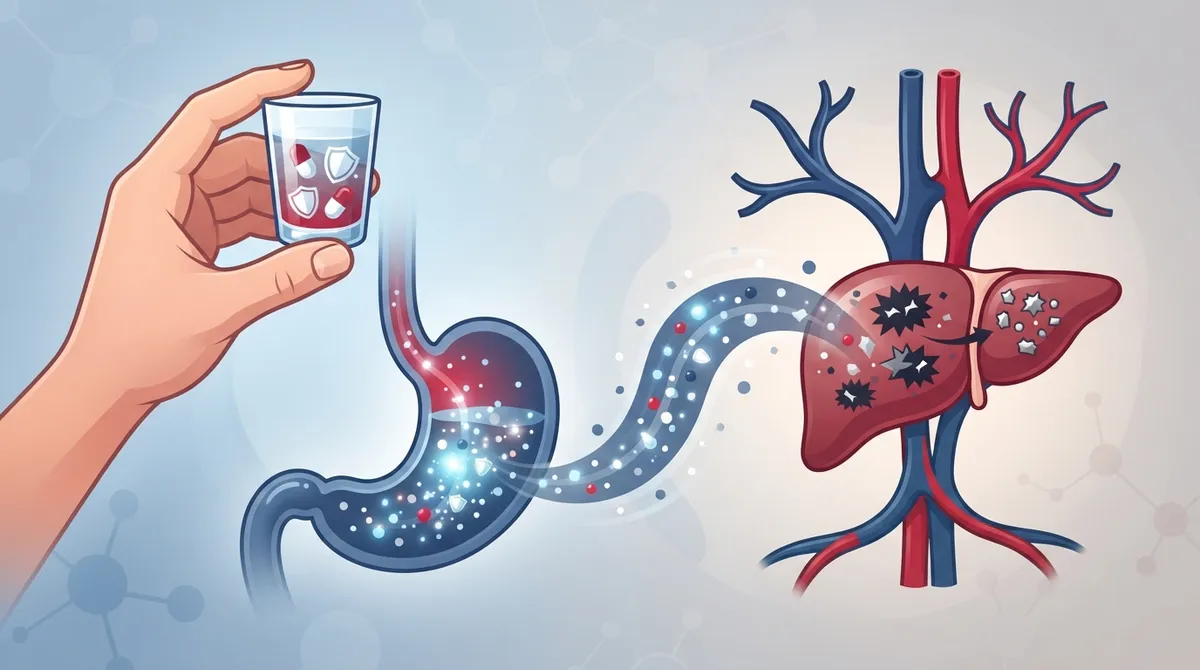
Short-term oral glutathione supplements appear generally well tolerated in healthy adults, according to available research. A study using 500 mg twice daily for four weeks found no serious adverse events. Reported side effects included flatulence, loose stools, flushing, and modest weight gain.
A 2025 review of glutathione safety confirmed this pattern, noting that oral and topical forms were generally well tolerated. Gastrointestinal symptoms such as bloating and loose stools were the most commonly reported effects. This is reassuring news for people considering oral supplementation as part of a broader wellness plan.
Common Oral Glutathione Side Effects
- Bloating or gas
- Loose stools or mild diarrhea
- Nausea or stomach discomfort
- Flushing of the skin
- Mild, temporary weight changes
Injectable Glutathione: Where Real Risk Increases
The safety picture changes dramatically with intravenous or injectable glutathione. This route carries far greater concerns than oral supplements because of dosing uncertainty, sterility risks, and limited evidence supporting many popular claims like skin lightening or full-body detox.
The U.S. Food and Drug Administration reported in 2019 that seven patients suffered adverse reactions after receiving compounded injectable glutathione contaminated with excessive bacterial endotoxins. Symptoms included nausea, vomiting, chills, fever, low blood pressure, and breathing trouble. One patient required hospitalization for a possible bloodstream infection.
FDA lab testing on the contaminated batches found endotoxin levels up to five times higher than safety limits allowed for the administered dose. This kind of contamination can happen when dietary-grade glutathione powder, meant for oral use, gets used improperly in sterile injectable products.
Reported Serious Reactions From Injectable Glutathione
- Anaphylaxis (severe allergic reaction)
- Hepatotoxicity (liver injury)
- Hypotension (dangerously low blood pressure)
- Fever, chills, and body aches from endotoxin exposure
- Bloodstream infection-like illness or shock
Oral vs. Injectable Glutathione: A Safety Comparison
|
Factor |
Oral Glutathione |
Injectable Glutathione |
|---|---|---|
|
Typical Side Effects |
Mild GI upset, bloating, flushing |
Possible severe allergic or systemic reactions |
|
Regulatory Status |
Dietary supplement ingredient |
Not FDA-approved for detox, anti-aging, or skin lightening |
|
Contamination Risk |
Low |
Higher, especially with compounded products |
|
Dosing Standards |
Some published research doses |
Not standardized |
|
Evidence for Wellness Claims |
Limited but some short-term data |
Very limited, mostly anecdotal |
Recent Compounding Alerts Worth Knowing
Concerns about compounded sterile injectables extend beyond glutathione alone. As recently as August 2026, a separate alert described compounded peptide injections recalled due to high endotoxin levels, echoing the same contamination risks seen in past glutathione incidents. The FDA has also specifically warned compounders against using certain glutathione raw materials for sterile injectable production, citing quality control failures. This history reinforces why product source and preparation matter so much for anything given by injection.
Special Concerns: Skin Lightening Injections
Injectable glutathione marketed for skin lightening has drawn particular scrutiny from health authorities. Reported risks include:
- Liver and kidney toxicity from unsupervised high-dose use
- Nervous system effects in some reported cases
- Severe skin reactions or discoloration
- Infection risk from unsafe injection practices
- Additional danger when combined with high-dose intravenous vitamin C
These concerns are distinct from, and generally more severe than, the mild effects reported with oral supplementation. Anyone considering this treatment should discuss it thoroughly with a licensed medical provider first.
Who Should Be Extra Cautious?
Certain health conditions and situations call for a closer look before using glutathione in any form. A thorough conversation with your primary care provider can help identify your personal risk factors.
Groups That Need Careful Evaluation
- People with liver or kidney disease
- Individuals with asthma, since inhaled glutathione may worsen symptoms
- Pregnant or breastfeeding women
- Patients taking multiple prescription medications
- Anyone with known allergies to supplement ingredients
- Patients considering compounded products from unverified sources
Steps to Take Before Trying Glutathione
If you are curious about glutathione for energy, skin health, or general wellness, follow these steps to reduce risk.
- Talk with a primary care provider about your health history and current medications.
- Ask whether oral, topical, or injectable forms are being discussed, since risk levels differ significantly.
- Request information about the product source, especially for any injectable or IV option.
- Avoid self-injection or treatments performed outside a licensed medical setting.
- Start with the lowest effective dose if oral supplementation is appropriate for you.
- Monitor for gastrointestinal symptoms or unusual reactions during the first few weeks.
- Report any severe symptoms immediately to your provider or seek urgent care.
Warning Signs That Need Immediate Medical Attention
Most people who try oral glutathione experience nothing beyond mild digestive discomfort. However, certain symptoms after any glutathione product, especially injectable forms, require prompt evaluation.
- Difficulty breathing or swelling of the face or throat
- Fainting or severe dizziness
- Chest pain or tightness
- High fever with shaking chills
- Persistent vomiting
- Jaundice, dark urine, or severe abdominal pain
If you experience any of these signs, do not wait. Visit your nearest emergency facility or contact our urgent care team right away for evaluation.
How InCare Approaches Glutathione and Wellness Safely
At InCare, our approach to wellness services always starts with a full health review. Before recommending IV therapy, supplements, or advanced testing, our providers review your medical history, current medications, and any allergy concerns. This is the same careful process we apply to services like IV hydration and vitamin drips, DNA gene testing, and body composition analysis.
Our team, including physicians like those featured on our providers page, believes that evidence-based, personalized care leads to better outcomes than one-size-fits-all wellness trends. If you are weighing the pros and cons of glutathione and toxicity risks, a conversation with a knowledgeable clinician can help you decide what fits your health goals safely.
Questions to Ask Your Provider
- Is oral or topical glutathione a better starting point than injections for my goals?
- What lab work should be checked before starting any wellness therapy?
- Are there interactions with my current prescriptions?
- How can I verify the sterility and sourcing of any injectable product?
- What symptoms should prompt me to stop treatment and call the office?
The Bottom Line on Glutathione and Toxicity
Short-term oral glutathione appears to carry a relatively low risk profile, with mostly mild digestive side effects reported in available studies. Injectable and compounded glutathione products carry far greater concerns, including allergic reactions, liver injury, and contamination risks documented by the FDA. Evidence for many popular wellness claims, especially around detox and skin lightening, remains limited and unstandardized.
Making a safe decision means working with a provider who understands both the science and your personal health picture. Our patients in Tampa and Riverview trust InCare for that kind of thoughtful, whole-body guidance, and you can visit us on Google — InCare to see what current patients say about their experience. You can also follow our wellness updates on Facebook, Instagram, and TikTok for more health tips.
Ready to Discuss Glutathione and Your Wellness Goals?
Every wellness decision should start with a real conversation, not just a trend. If you're curious whether glutathione, IV therapy, or another wellness service fits your health plan, our team is ready to help. Book your appointment today and get personalized guidance from a provider who knows your full health history. You can also get in touch with our team with any questions before your visit.
FAQs
Q: Is glutathione toxic or safe to take as a supplement?
A: Short-term oral glutathione is generally well tolerated in healthy adults, with mostly mild digestive side effects reported in studies. Injectable and compounded forms carry significantly greater risk, including allergic reactions and contamination concerns documented by the FDA.
Q: What are the side effects of oral glutathione?
A: Common side effects include bloating, gas, loose stools, nausea, and mild flushing. These effects are typically temporary and were not associated with serious adverse events in short-term studies.
Q: Is IV glutathione safe for detox, energy, or anti-aging purposes?
A: IV glutathione is not FDA-approved for general detoxification, anti-aging, or energy enhancement. Evidence supporting these uses remains limited, and dosing protocols are not standardized, which increases uncertainty around safety.
Q: Can glutathione cause liver or kidney damage?
A: Serious liver injury has been reported with injectable glutathione, particularly with unregulated or high-dose use. Oral supplementation has not shown this level of risk in available short-term research, but anyone with existing liver or kidney disease should consult a physician first.
Q: How can patients tell whether a compounded glutathione injection is safe?
A: Patients should ask their provider about the product's sourcing, sterility testing, and whether it comes from a reputable, licensed compounding pharmacy. Self-injection or treatments performed outside a licensed medical setting significantly raise the risk of contamination and adverse reactions.