
Key Takeaways
- Glutathione deficiency is usually caused by inadequate protein intake, aging, oxidative stress, or chronic conditions rather than a standalone disease—proper medical evaluation identifies the specific cause instead of relying on symptoms alone.
- There is no universally accepted test for glutathione deficiency in healthy adults; results vary based on diet, timing, and lab methods, so diagnosis requires clinical evaluation paired with testing rather than a single lab number.
- Adequate protein intake supplying cysteine and glycine, regular physical activity, quality sleep, and managing chronic conditions are evidence-based steps to support natural glutathione production without relying on unproven supplements.
- Rare inherited genetic defects in glutathione metabolism exist but typically appear in infancy or childhood with clear symptoms, not vague adult fatigue, and should be distinguished from the more common G6PD deficiency affecting red blood cells.
Feeling drained all the time? Getting sick more than usual? You may have searched online and found articles about glutathione deficiency. This antioxidant plays a big role in how your body fights stress and toxins. But understanding what actually causes low glutathione levels can be confusing, especially with so much wellness marketing out there.
At InCare, we take a science-based approach to primary care and wellness in Tampa and Riverview, Florida. This guide breaks down the real causes of glutathione deficiency in simple terms. You will learn what raises your risk, what the research actually shows, and when it makes sense to talk to a doctor instead of guessing on your own.
What Is Glutathione and Why Does It Matter
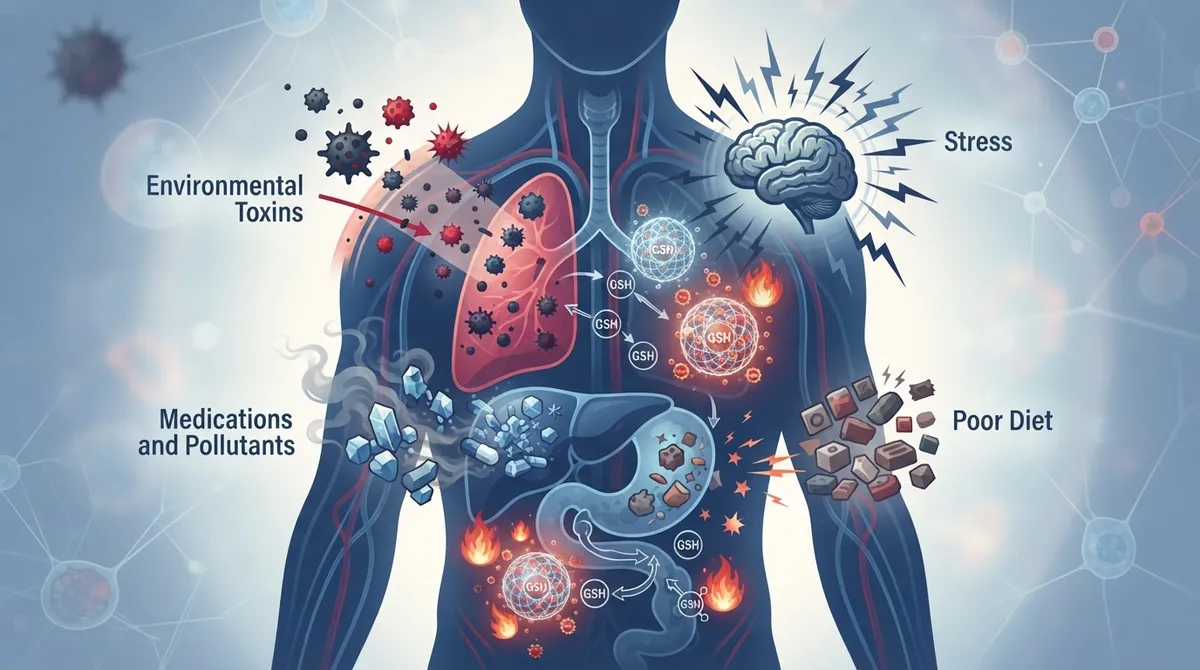
Glutathione is a small molecule made inside your cells. Your body builds it from three amino acids: cysteine, glycine, and glutamate. Think of it as your body's built-in cleanup crew.
This antioxidant helps in several important ways:
- Neutralizes harmful molecules called reactive oxygen species
- Supports your liver's natural detox process
- Helps balance oxidative stress in your cells
- Plays a role in immune system function
- Supports healthy cellular activity throughout your body
Low glutathione is not usually a disease on its own. It is more often a sign that something else is going on. That is why a proper evaluation at a primary care visit matters more than guessing based on symptoms alone.
Main Causes of Glutathione Deficiency
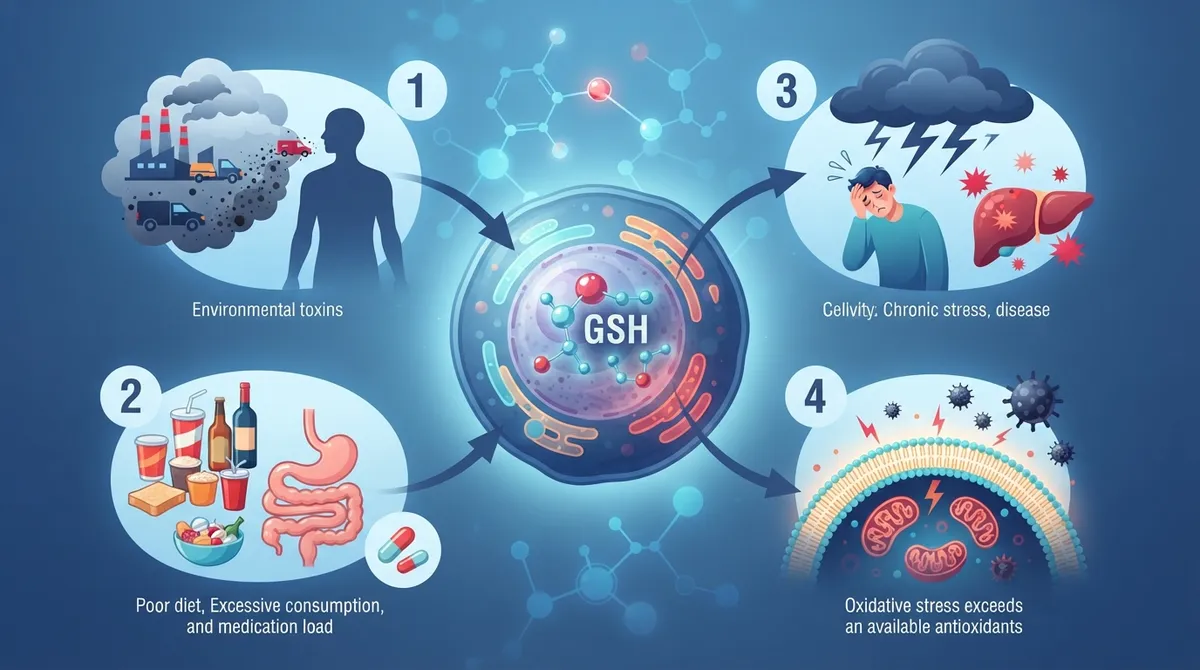
Glutathione levels drop when your body makes too little, uses too much, recycles it poorly, or loses it faster than it can replace it. Often, more than one cause happens at the same time.
1. Not Getting Enough Protein or Key Nutrients
Your body needs cysteine and glycine to build glutathione. If your diet lacks protein, these building blocks run low. This is one of the most common and fixable causes.
Risk factors include:
- Restrictive diets that limit protein intake
- Poor overall nutrition or skipped meals
- Malabsorption issues that block nutrient uptake
- Illness that raises your body's metabolic demands
2. Getting Older
As you age, your body naturally makes less glutathione. Research shows this happens mainly because older adults have lower amounts of cysteine and glycine available, not because the body loses its ability to make glutathione entirely.
One well-known study found that giving older adults cysteine and glycine supplements restored glutathione production and reduced markers of oxidative stress. This does not mean supplements are a cure-all, but it shows the connection between nutrition and aging is real.
3. Oxidative Stress and Toxin Exposure
Your body uses up glutathione faster when it faces higher stress. This can come from:
- Severe illness or infection
- Chronic inflammation in the body
- Exposure to environmental chemicals or pollutants
- Certain medications that increase oxidative load
- Acetaminophen overdose, a well-documented cause of severe glutathione depletion in the liver
Acetaminophen toxicity is actually why doctors use N-acetylcysteine as an emergency treatment. It restocks the cysteine your liver needs to rebuild glutathione fast.
4. Chronic Health Conditions
Several long-term health conditions are linked to lower glutathione levels. This does not always mean low glutathione caused the disease. Sometimes the illness itself uses up more glutathione, or the two happen together for other reasons.
|
Condition Category |
Connection to Glutathione |
|---|---|
|
Liver disease |
Reduced production and increased use during detox processes |
|
Lung disease |
Higher oxidative stress in lung tissue |
|
Diabetes |
Increased oxidative stress from blood sugar imbalance |
|
Cardiovascular disease |
Associated with oxidative damage to blood vessels |
|
Neurodegenerative disorders |
Reduced antioxidant defense in brain tissue |
|
Cancer |
Altered cellular metabolism and oxidative balance |
|
HIV and cystic fibrosis |
Chronic inflammation increases glutathione demand |
If you manage a chronic condition, working with a provider who understands how primary doctors help manage chronic illnesses can make a real difference in your overall health outcomes.
5. Rare Genetic Disorders
Some people are born with conditions that directly affect how their body handles glutathione. These are uncommon but important to know about.
The National Institutes of Health identifies four major inherited defects in glutathione metabolism:
- Glutathione synthetase deficiency, caused by mutations in the GSS gene
- Gamma-glutamylcysteine deficiency
- Gamma-glutamyltranspeptidase deficiency
- 5-oxoprolinase deficiency
Glutathione synthetase deficiency follows an autosomal-recessive pattern, meaning a child needs two copies of the faulty gene, one from each parent, to develop the condition. These disorders usually show up in infancy or childhood with clear symptoms, not vague fatigue in adults.
Glutathione Deficiency vs G6PD Deficiency: What Is the Difference
These two conditions get confused often, but they are not the same thing. Here is a simple breakdown:
|
Feature |
Glutathione Deficiency |
G6PD Deficiency |
|---|---|---|
|
What it affects |
Overall glutathione production or use throughout the body |
An enzyme needed to keep glutathione active in red blood cells |
|
Inheritance |
Rare forms are autosomal-recessive |
X-linked, more common in males |
|
Common trigger |
Poor nutrition, aging, illness, toxins |
Certain medications, fava beans, infections |
|
Main risk |
Reduced antioxidant defense |
Oxidative hemolysis (red blood cell breakdown) |
G6PD deficiency does not mean your body lacks glutathione. It means red blood cells cannot keep glutathione in its active, protective form under stress. Both conditions deserve medical attention, but they need different management approaches.
Why Symptoms Alone Do Not Tell the Whole Story
Fatigue, brain fog, getting sick often, and slow healing are common complaints. But these symptoms can point to dozens of different issues. Jumping straight to "glutathione deficiency" without ruling out other causes is a mistake many wellness seekers make.
A thorough evaluation should look at:
- Your diet and nutrient intake
- Any medications or toxin exposure
- Liver and kidney function
- Blood sugar and diabetes risk
- Signs of chronic inflammation or infection
- Anemia or absorption problems
This is exactly the kind of detailed review you get during a visit built around comprehensive primary care. Instead of chasing one buzzword, your provider looks at the full picture.
How Is Glutathione Deficiency Tested
Here is something important to know: there is no single, universally accepted test for glutathione deficiency in healthy adults. Levels change based on many factors, including:
- What you ate recently
- Your age and hormone levels
- Physical activity and exercise timing
- Illness or infection at the time of testing
- Which lab method and tissue sample were used
Some specialized labs measure reduced glutathione, oxidized glutathione, or the ratio between the two. But because results vary so much, a single number rarely tells the whole story. This is why testing should always be paired with a clinical evaluation, not used as a standalone diagnosis.
Steps to Support Healthy Glutathione Levels
While there is no guaranteed fix for every cause, several evidence-based habits support your body's natural antioxidant defenses.
- Eat enough protein daily to supply cysteine and glycine
- Add more vegetables and fruits rich in antioxidants and sulfur compounds
- Stay physically active with regular movement
- Prioritize consistent, quality sleep
- Avoid smoking and limit alcohol intake
- Manage chronic conditions like diabetes with medical guidance
- Talk to your doctor before starting supplements like N-acetylcysteine
Oral glutathione and precursor supplements may change lab markers in some studies. But evidence for treating vague symptoms or preventing disease is still limited and depends heavily on the specific condition. Working with a wellness clinic that understands what a wellness clinic does and why you need one helps you separate solid science from marketing hype.
When to Seek Medical Care Right Away
Some situations need urgent attention rather than at-home supplements. Contact a healthcare provider immediately if you experience:
- Severe, unexplained metabolic symptoms
- Neurological changes like confusion or weakness
- Recurring, unexplained anemia or hemolysis
- Newborn jaundice
- Suspected exposure to toxic chemicals or medication overdose
These situations should never be managed with antioxidant supplements alone. Urgent care or emergency evaluation is the right call.
How InCare Approaches Whole-Body Wellness
At InCare, we combine advanced diagnostic tools with personalized medical care. Our team in Tampa and Riverview offers services like DNA gene testing, body composition analysis, and IV hydration and vitamin drips to support your overall health goals.
Rather than chasing a single trendy supplement, our providers, including Dr. Pramjeet Ahluwalia and Dr. Naveen Paddu, look at your full health picture. This means checking your nutrition, chronic disease risk, and lifestyle factors that actually move the needle on how your body handles oxidative stress.
We also focus heavily on prevention. Regular cancer screenings and annual wellness visits catch issues early, long before they become bigger problems tied to chronic inflammation or oxidative damage.
Why Patients Trust InCare in Tampa and Riverview
Building a relationship with a consistent care team matters. Our patients appreciate having experienced providers who take time to explain test results and treatment options clearly. You can find both of our Tampa and Riverview locations convenient for ongoing care.
Many patients also follow our health tips and clinic updates on Facebook, Instagram, and TikTok for easy-to-understand wellness content. If you want to see what real patients say about their experience, you can also visit us on Google — InCare and read through hundreds of reviews.
Ready to Get to the Root Cause
Feeling tired or run down does not always mean you need a supplement. It might mean it is time for a real conversation with a doctor who looks at the whole picture. Whether the cause is diet, aging, a chronic condition, or something else entirely, getting answers starts with proper evaluation.
Our team is ready to help you understand what is really going on with your health. Reach out to our team today to schedule a visit, or book your appointment now and take the first step toward feeling your best.
FAQs
Q: What causes glutathione deficiency in adults?
A: Glutathione deficiency in adults usually results from a combination of factors, including poor nutrition, aging, chronic illness, and increased oxidative stress. Rarely, inherited enzyme defects play a role. A primary care evaluation helps identify which factors apply to your specific situation.
Q: Can poor diet or low protein intake lower glutathione levels?
A: Yes, low protein intake can reduce glutathione levels because your body needs cysteine and glycine from protein to produce it. Restrictive diets, malnutrition, and malabsorption issues all raise this risk. Eating adequate protein and whole foods supports natural glutathione production.
Q: Does aging cause glutathione deficiency?
A: Aging is linked to lower glutathione synthesis, largely due to reduced availability of cysteine and glycine rather than a complete loss of the body's ability to produce it. Research shows that restoring these amino acids in older adults can improve glutathione production. This makes nutrition an important factor in age-related decline.
Q: What is the difference between glutathione deficiency and G6PD deficiency?
A: Glutathione deficiency involves overall production or use of this antioxidant throughout the body. G6PD deficiency affects an enzyme needed to keep glutathione active specifically in red blood cells, increasing vulnerability to oxidative damage. They are related but distinct conditions with different triggers and management needs.
Q: How is glutathione deficiency diagnosed or tested?
A: There is no universally accepted screening test or reference range for glutathione deficiency in healthy adults. Specialized labs can measure reduced and oxidized glutathione, but results vary based on diet, timing, and lab method. Diagnosis works best when paired with a full clinical evaluation rather than relying on one test alone.