

Key Takeaways
- CJC-1295 with DAC is not FDA-approved and lacks robust long-term human safety data, making product quality, dosing consistency, and contamination risks significant concerns before use.
- The DAC modification extends the peptide's half-life to 5.8-8.1 days, allowing once-weekly dosing instead of multiple daily injections, but dosing patterns come from wellness settings, not FDA-reviewed clinical guidelines.
- Before considering peptide therapy, schedule a primary care consultation, request baseline hormone lab work, discuss FDA approval status, and explore evidence-based alternatives backed by clinical research.
- Common reported side effects in wellness settings include injection site irritation, water retention, headaches, fatigue, and appetite changes, but the full range of side effects remains unknown due to lack of clinical trials.
- Reputable providers should offer supervised consultations and foundational health assessments like DNA gene testing, body composition analysis, and metabolic breath analysis before considering unregulated compounds.
- CJC-1295 with DAC differs significantly from the non-DAC version: DAC version lasts 5.8-8.1 days with weekly dosing versus 30-minute half-life requiring multiple daily doses for standard CJC-1295.
Peptide therapy has become a popular topic among wellness seekers looking for ways to support healthy aging, muscle tone, and recovery. One compound that keeps coming up in these conversations is CJC-1295 with DAC. If you have heard about this peptide from a friend, a fitness forum, or a wellness influencer, you may be wondering what it actually does and whether it is safe. This guide breaks down the facts in simple terms so you can make an informed decision with your healthcare provider.
Before trying any peptide, it helps to understand what it is, how it works, and what the science actually shows. This is especially true for CJC-1295 with DAC, since it is not approved by the FDA for medical use. At InCare, our team in Tampa and Riverview believes patients deserve clear, honest information about wellness trends like this one, so they can make choices that protect their health.
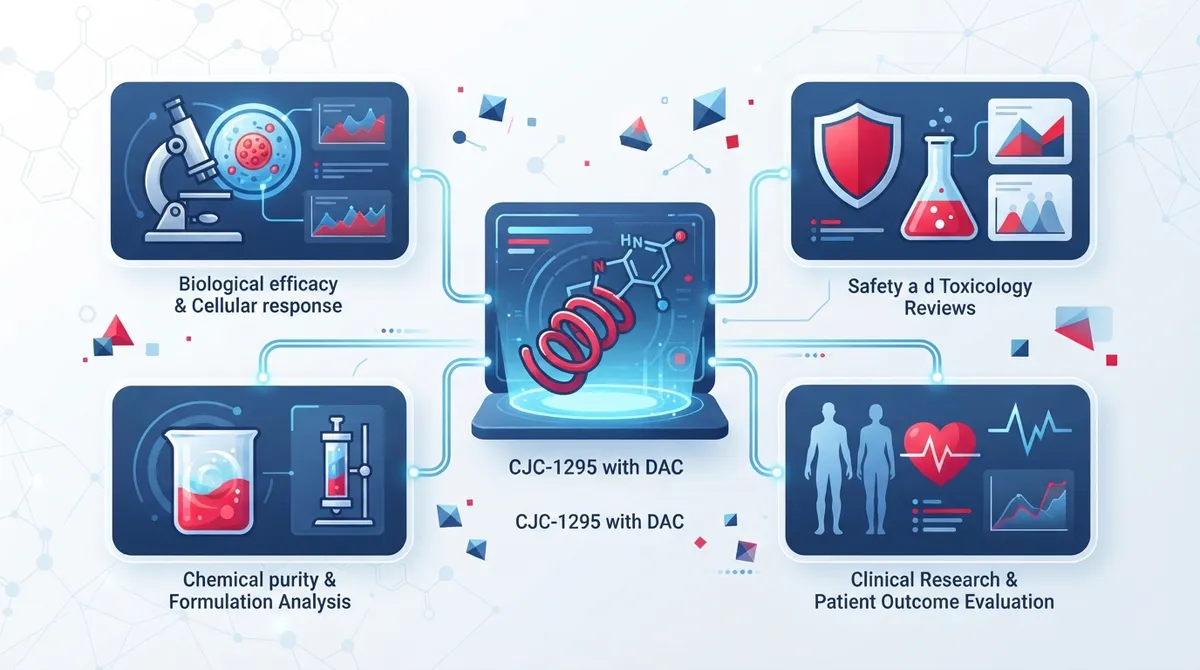
What Is CJC-1295 with DAC?
CJC-1295 with DAC is a lab-made peptide that mimics growth hormone-releasing hormone, or GHRH. GHRH is a natural signal your body sends to the pituitary gland, telling it to release growth hormone. The version with DAC is designed to stay active in the body much longer than standard GHRH.
DAC stands for Drug Affinity Complex. This modification lets the peptide bind to albumin, a protein found in your blood. That binding process protects the peptide from breaking down quickly, extending its activity for days instead of hours.
What Does DAC Mean for Dosing?
Because of the DAC modification, this peptide has an estimated half-life of about 5.8 to 8.1 days. This is very different from short-acting GHRH peptides, which may only last a few hours in the bloodstream.
Some wellness clinics and peptide vendors describe dosing schedules of roughly 500 mcg to 2 mg given subcutaneously once a week. This is less frequent than daily peptide injections, which appeals to people looking for convenience. However, these dosing patterns come from wellness and research settings, not from FDA-reviewed clinical guidelines.
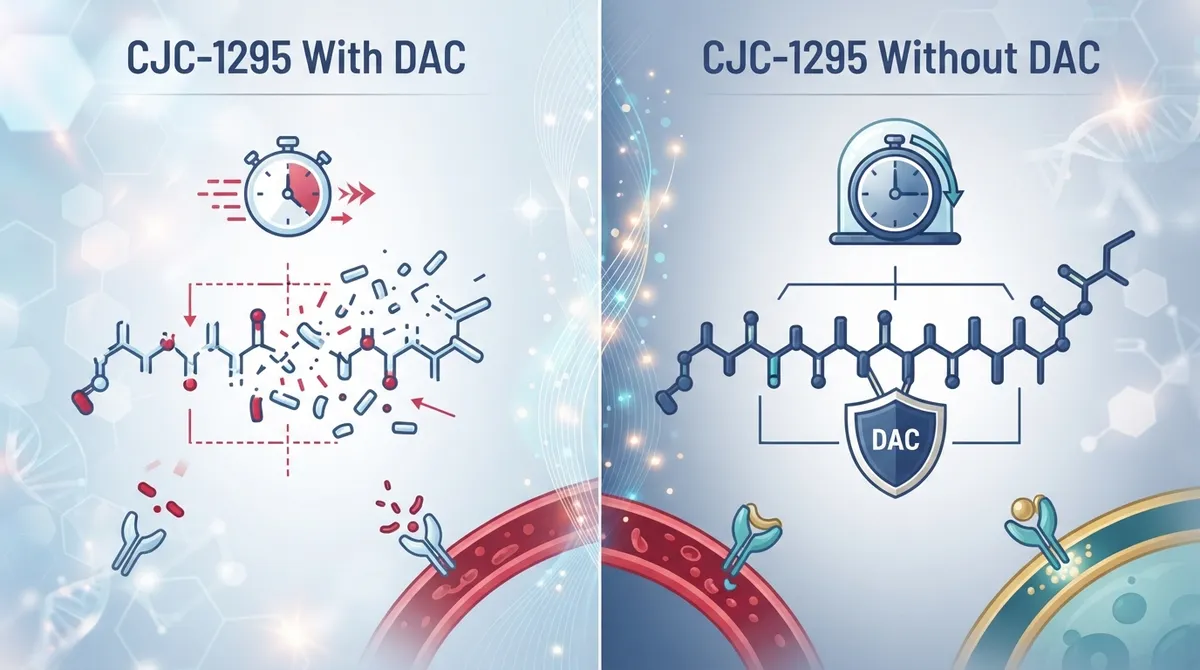
CJC-1295 With DAC vs Without DAC
One of the most common questions people ask is how CJC-1295 with DAC differs from the version without it. The table below breaks down the key differences.
|
Feature |
CJC-1295 with DAC |
CJC-1295 without DAC |
|---|---|---|
|
Half-life |
About 5.8 to 8.1 days |
About 30 minutes |
|
Dosing frequency |
Once weekly (in wellness settings) |
Multiple times per day |
|
IGF-1 elevation duration |
Described as lasting up to 28 days after multiple doses |
Short-term spike, then quick decline |
|
FDA approval status |
Not approved |
Not approved |
|
Common wellness use |
Growth hormone and IGF-1 support |
Growth hormone and IGF-1 support |
Both versions are discussed in wellness and research circles for their potential effects on growth hormone and IGF-1 levels. Neither has an approved medical indication from the FDA at this time.
Is CJC-1295 with DAC FDA-Approved?
No, CJC-1295 with DAC is not approved by the FDA for any medical use. Regulatory materials from 2024 reference CJC-1295-related bulk drug substances as part of ongoing compounding advisory discussions. This means the compound is under regulatory review, not cleared for standard prescription use.
This distinction matters a lot. Approved medications go through years of clinical trials to test safety, dosing, and effectiveness. Peptides like CJC-1295 with DAC have not completed this process, which raises real questions about consistency and long-term safety.
Why This Matters for Your Health Decisions
Because CJC-1295 with DAC is not FDA-approved, using it comes with several practical concerns. Here are the main issues to understand before considering this peptide:
- Product quality can vary widely between suppliers, since there is no standard manufacturing oversight.
- Dosing consistency is not guaranteed, which increases the risk of taking too much or too little.
- Sourcing from unverified vendors raises the chance of contamination or mislabeled products.
- Long-term safety data in humans is limited compared to approved therapies.
- Interactions with other medications or health conditions have not been thoroughly studied.
- Wellness clinic protocols may not match evidence-based primary care guidelines.
These are not reasons to panic, but they are reasons to be cautious. Anyone considering peptide therapy should discuss it openly with a qualified medical provider first.
Common Side Effects Discussed in Wellness Settings
People who use CJC-1295 with DAC in wellness or research contexts have reported a range of possible reactions. These are not confirmed side effects backed by large clinical trials, but they appear often in available literature and user discussions:
- Redness or irritation at the injection site
- Water retention or mild swelling
- Headaches, especially during the first few doses
- Fatigue or changes in sleep patterns
- Joint discomfort in some users
- Changes in appetite or blood sugar levels
Because this compound has not gone through full clinical review, the full range of side effects is not completely known. This is another reason why medical oversight matters.
How Wellness Clinics Discuss CJC-1295 with DAC
Some wellness clinics and peptide vendors promote CJC-1295 with DAC as a tool for supporting growth hormone and IGF-1 levels. These discussions often focus on themes like:
- Supporting lean muscle tone as part of a broader fitness routine
- Discussing recovery time after physical activity
- Exploring general wellness and energy support
- Considering sleep quality as part of overall health goals
It is important to know that these uses are not established as approved medical indications. Reputable primary care providers will be upfront about this distinction rather than making unsupported promises.
Steps to Take Before Considering Any Peptide Therapy
If you are curious about peptides like CJC-1295 with DAC, take a careful, informed approach. Here is a simple process to follow:
- Schedule a conversation with a primary care provider to discuss your health history and goals.
- Ask direct questions about FDA approval status and available safety data.
- Request lab work, such as hormone panels, to establish a baseline before making changes.
- Discuss alternative, evidence-based options that may address your wellness goals.
- Review sourcing and quality standards if a provider does offer peptide-related services.
- Set clear expectations about monitoring and follow-up appointments.
This process protects you from making decisions based on marketing claims alone. A trusted primary care provider can help you weigh the pros and cons based on your unique health picture.
How InCare Approaches Wellness and Peptide Conversations
At InCare, our providers in Tampa and Riverview take a straightforward approach to emerging wellness topics. We believe patients deserve honest guidance, not hype. Our team, including physicians like Naveen Paddu MD and Pramjeet Ahluwalia MD, focuses on whole-body health strategies backed by solid evidence.
Instead of jumping straight to unregulated compounds, our clinics often start with foundational tools like DNA gene testing, body composition analysis, and metabolic breath analysis. These tools give a clear picture of your health before considering more advanced options. We also offer supervised peptide therapy consultations for patients who want to explore these options safely.
Comparing Wellness Goals and Recommended First Steps
The table below shows how common wellness goals connect to evidence-based starting points before considering peptides.
|
Wellness Goal |
Recommended First Step |
InCare Service |
|---|---|---|
|
Weight management |
Medical evaluation and personalized plan | |
|
Energy and hydration support |
IV vitamin therapy tailored to your needs | |
|
Understanding health risks |
Genetic testing for personalized insights | |
|
Cancer prevention |
Early detection screening | |
|
Muscle and body composition |
3D imaging and tracking |
Questions to Ask Your Provider About CJC-1295 with DAC
If you plan to bring up this topic at your next visit, come prepared. Consider asking these questions:
- Is this compound approved by the FDA for any use?
- What lab tests would you recommend before and during use?
- How would we monitor for possible side effects?
- What are the alternative, evidence-based options for my specific goals?
- How would this fit into my broader wellness or primary care plan?
A good provider will answer these questions honestly, even if the answer is that more caution is needed. This kind of transparency is part of what patients should expect from any trusted healthcare provider.
Staying Informed About Peptide Trends
Wellness trends move fast, and peptides are a growing part of that conversation. Staying informed means checking sources like the FDA and peer-reviewed research rather than relying only on social media claims. You can also follow trusted health accounts, such as InCare on Facebook, Instagram, or TikTok, for updates on wellness topics presented in a clear, factual way.
Many patients also read reviews and community feedback before choosing a provider. You can visit us on Google — InCare to see what current patients in Tampa and Riverview say about their experience with our team.
Final Thoughts on CJC-1295 with DAC
CJC-1295 with DAC is an interesting compound with a long half-life and a growing presence in wellness discussions. However, it remains unapproved by the FDA, and its long-term safety in humans is still not fully established. Anyone considering this peptide should approach it carefully, with guidance from a licensed medical provider who can help weigh the risks and benefits.
At InCare, our locations in Tampa and Riverview focus on giving patients clear, evidence-based guidance for all their wellness questions, including emerging topics like peptide therapy. If you want to talk through your options with a knowledgeable team, reach out to our care team today or book your appointment now to start your personalized wellness plan.
FAQs
Q: What is CJC-1295 with DAC?
A: CJC-1295 with DAC is a lab-made peptide that mimics growth hormone-releasing hormone. The DAC modification allows it to bind to albumin in the blood, extending its activity for several days instead of just hours.
Q: Is CJC-1295 with DAC FDA-approved?
A: No, it is not FDA-approved for any medical use. Regulatory materials reference it in ongoing compounding advisory discussions, meaning it remains under review rather than cleared for standard prescription use.
Q: What does DAC mean in CJC-1295?
A: DAC stands for Drug Affinity Complex. This modification helps the peptide bind to albumin, which extends its half-life to an estimated 5.8 to 8.1 days compared to about 30 minutes without it.
Q: What is the difference between CJC-1295 with DAC and without DAC?
A: The version with DAC lasts much longer in the body, allowing less frequent dosing, often once weekly in wellness settings. The version without DAC clears quickly and typically requires multiple daily doses.
Q: Is CJC-1295 with DAC safe for primary care patients?
A: Because it lacks FDA approval and robust long-term safety data, it raises real concerns about product quality and dosing consistency. Patients should discuss any interest in this peptide with a licensed primary care provider before considering it.