
Key Takeaways
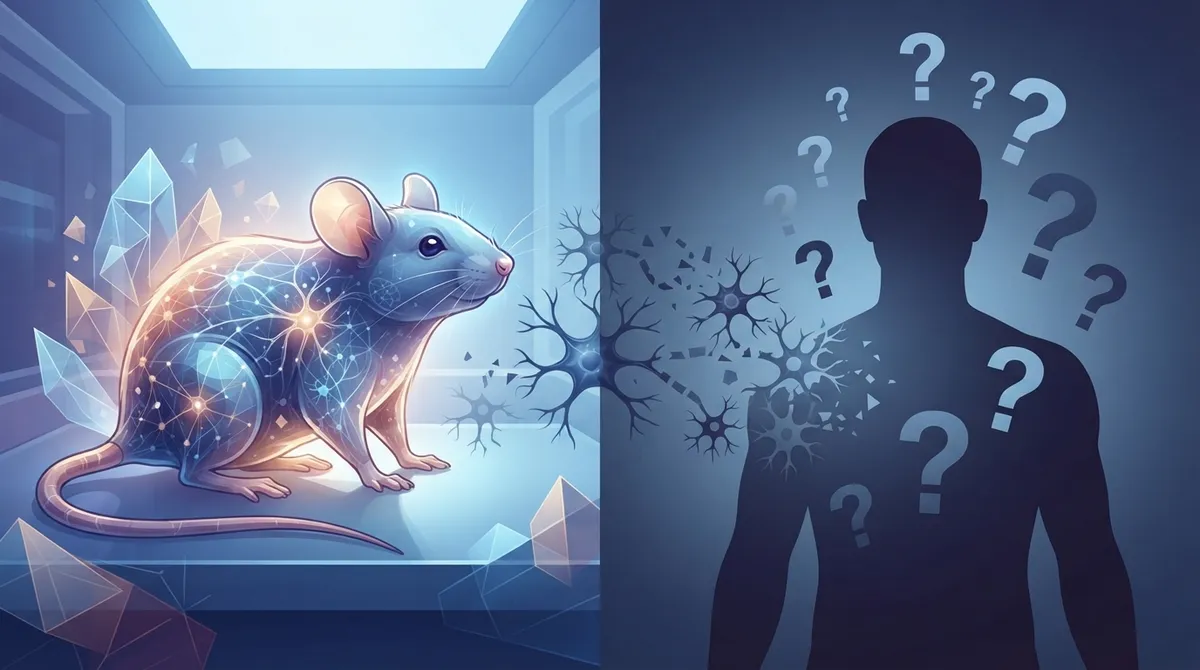
- BPC-157 is not FDA-approved and only has three limited pilot human studies; animal studies show promise but do not reliably translate to human safety or effectiveness.
- Most BPC-157 research comes from preclinical animal models (mice and rats), not human clinical trials, making it impossible to confirm neuroprotective benefits in people.
- Long-term effects, standardized dosing, quality control, and drug interactions of BPC-157 remain unknown due to lack of human safety data and regulated clinical monitoring.
- Licensed primary care providers should be consulted before considering BPC-157; established alternatives like IV vitamin therapy, physical activity, and nutrition management have stronger evidence for brain health.
- The gut-brain axis connection highlighted by BPC-157 research underscores the importance of digestive health, inflammation reduction, and balanced nutrition for cognitive and nerve function.
- A structured wellness plan including regular physical exams, blood work, chronic disease management, and genetic testing produces more consistent results than experimental peptides without proven human efficacy.
Peptide therapy has become a popular topic among people searching for new ways to support brain health and recovery. One compound that keeps coming up in wellness conversations is BPC-157, a lab-made peptide studied for its effects on tissue repair. Many people wonder if it can also protect nerves and brain cells. Before you make any decisions, it helps to understand what the science actually says about BPC-157 for neuroprotection, and why working with a licensed provider matters more than following online trends.
At InCare, patients across Tampa and Riverview often ask about peptide therapies during wellness visits. Our approach is to give you facts, not hype. This guide walks through what BPC-157 is, what the research shows, and how to think about it responsibly if you are exploring options for brain health, recovery, or overall wellness optimization.

What Is BPC-157?
BPC-157 stands for Body Protection Compound 157. It is a synthetic peptide made of 15 amino acids, which is why scientists call it a pentadecapeptide. It was originally derived from a protein found in human gastric juice.
Researchers have studied BPC-157 mainly for its role in healing the gut lining and other tissues. Over time, scientists began looking at its possible effects on the nervous system too. This is often described using the term "gut-brain axis," which refers to the connection between digestive health and brain function.
How BPC-157 May Interact With the Nervous System
Animal studies suggest BPC-157 may influence pathways connected to nerve repair and inflammation control. Some researchers believe it supports blood vessel growth and reduces oxidative stress in damaged tissue. These actions are the basis for interest in its potential neuroprotective properties.
It is important to note that most of this research comes from lab and animal studies, not human clinical trials. That distinction matters a great deal when evaluating any wellness therapy.

What Does the Research Say About BPC-157 for Neuroprotection?
The scientific literature on BPC-157 and brain health is still developing. Here is a summary of what has been found so far, based on published research.
- Traumatic brain injury studies in mice: Researchers tested BPC-157 at doses of 10.0 µg/kg and 10.0 ng/kg given through injection. The peptide appeared to reduce tissue damage and support faster early recovery in these animal models.
- Spinal cord injury models: Preclinical studies report that BPC-157 may support functional recovery after spinal cord compression in rodents.
- Ischemia and reperfusion injury: In a rat study on hippocampal ischemia, animals treated with BPC-157 showed full functional recovery on behavioral tests. Researchers also observed reduced neural damage at both 24 and 72 hours after the injury occurred.
- Peripheral nerve repair: Some studies on nerve transection in animals suggest BPC-157 may support axonal recovery and improve motor coordination outcomes.
- Gut-brain axis research: Because BPC-157 was first studied for gut healing, some scientists have explored its broader effects on neuroinflammation and regeneration through this gut-brain connection.
These findings are interesting, but they come almost entirely from animal research. Human data remain very limited, which brings us to an important point for anyone considering this peptide.
The Gap Between Animal Studies and Human Evidence
A 2024 narrative review looked closely at the existing research on BPC-157. The review identified only three pilot human studies. None of these studies were designed specifically to test neuroprotection in people.
This is a critical detail. Promising results in mice or rats do not automatically translate to safe or effective outcomes in humans. The human body processes compounds differently, and dosing that works in animal models may not apply to people at all.
Current Regulatory Status of BPC-157
BPC-157 is not approved by the FDA for any medical use. This means it has not gone through the rigorous testing required to confirm safety and effectiveness in humans. It is considered an investigational compound.
Sports governing bodies have also placed restrictions on BPC-157 due to unregulated use and unclear safety profiles. This regulatory caution reflects the current state of the science, not marketing claims you might see online.
Research CategoryEvidence LevelKey FindingAnimal Models (TBI)PreclinicalReduced damage, improved early recoveryIschemia/Reperfusion (Rats)PreclinicalFull functional recovery on behavioral testsPeripheral Nerve RepairPreclinicalImproved motor coordination in rodentsHuman Pilot StudiesVery LimitedOnly three identified; not designed for neuroprotectionFDA Approval StatusNoneNot approved for any clinical use
Why This Matters for Your Wellness Decisions
Understanding the difference between preclinical promise and clinical proof helps you make informed choices. It also protects you from spending money on unproven treatments that may carry unknown risks.
Potential Risks and Side Effects to Consider
Because human safety data is limited, the full risk profile of BPC-157 is not well established. Some general concerns raised in the review literature include:
- Unknown long-term effects from repeated use in humans
- Lack of standardized dosing guidelines for people
- Quality control concerns with unregulated peptide sources
- Possible interactions with other medications or supplements
- No established protocol for monitoring side effects in clinical settings
- Limited understanding of how it behaves across different age groups or health conditions
This is why any peptide therapy should always be discussed with a licensed medical provider before use. Self-directed use without medical guidance increases risk significantly.
How Primary Care Providers Approach Emerging Peptide Therapies
At InCare, our providers take a measured, evidence-based approach to new wellness trends. If you are curious about peptides, gut-brain health, or nerve support, the safest path starts with a conversation with a qualified physician.
Steps to Take Before Considering Any Peptide Therapy
- Schedule a consultation with a licensed primary care provider to discuss your health history.
- Ask about current, evidence-based options for the concern you are trying to address, such as nerve pain, recovery, or cognitive support.
- Request information on FDA-approved treatments before exploring experimental compounds.
- Discuss any supplements or peptides you are already using, even if purchased online.
- Review lab work or diagnostic testing that may reveal the root cause of your symptoms.
- Ask your provider about DNA gene testing to better understand your personal health risks and predispositions.
- Follow up regularly to track progress and adjust your wellness plan as needed.
This structured approach helps you avoid unnecessary risks while still exploring options that support your long-term brain and body health.
Evidence-Based Alternatives for Brain and Nerve Support
While BPC-157 remains experimental, there are established, medically supervised options that support nervous system health and recovery. A comprehensive primary care plan can include several proven strategies.
- Regular physical exams to catch early signs of neurological concerns
- Blood work to check for nutrient deficiencies linked to nerve function
- Management of chronic conditions like diabetes that affect nerve health
- Personalized weight loss programs to reduce inflammation throughout the body
- IV hydration and vitamin therapy for overall wellness support
Our team also offers IV hydration and vitamin drips designed to support energy levels and recovery, using approaches backed by established clinical practice rather than experimental compounds.
Comparing Standard Care vs. Experimental Peptide Use
FactorStandard Medical CareExperimental Peptides (e.g., BPC-157)FDA ApprovalYes, for approved treatmentsNoHuman Clinical TrialsExtensiveVery limited (3 pilot studies)Provider OversightRequired and standardizedOften self-directed, unregulatedSafety MonitoringEstablished protocolsUnknown long-term profileInsurance CoverageOften coveredNot covered
Why Gut-Brain Health Still Matters
Even though BPC-157 is not ready for routine clinical use, the research around it highlights something important: the gut and brain are closely connected. Supporting digestive health, reducing inflammation, and maintaining balanced nutrition can all play a role in cognitive function and nerve health.
This is one reason why comprehensive wellness visits look beyond a single symptom. Our providers, including Dr. Pramjeet Ahluwalia and Dr. Naveen Paddu, take a whole-body approach when patients raise questions about brain health, fatigue, or recovery concerns.
Questions to Ask Your Provider About Peptide Therapy
If you are still curious about BPC-157 or similar peptides, bring these questions to your next appointment:
- What does current research actually show about this compound in humans?
- Are there FDA-approved alternatives that address the same concern?
- What are the known risks based on available safety data?
- How would this fit into my existing treatment plan?
- Is this something offered through a licensed, monitored clinical setting?
A trustworthy provider will give you honest, balanced answers rather than pushing a product. This transparency is part of what patients appreciate about working with an established clinic. You can read what other patients say by visiting our InCare location on Google, where our Tampa and Riverview offices maintain strong reviews for honest, patient-first care.
Staying Informed Through Trusted Sources
Wellness trends move fast, especially on social media. It is easy to come across bold claims about peptides without context. Following updates from your healthcare provider, rather than relying solely on influencer content, gives you more reliable information.
You can also follow InCare on Facebook and Instagram for wellness tips grounded in clinical expertise, or check out educational content on TikTok for quick, accurate health information.
Building a Long-Term Brain Health Strategy
Rather than searching for a single peptide as a quick fix, consider building a broader plan with your primary care provider. This might include regular cancer screenings, metabolic testing, and ongoing monitoring of chronic conditions that affect nerve and brain function over time.
- Book an annual wellness visit to establish a health baseline.
- Discuss family history and genetic risk factors with your provider.
- Set measurable goals for sleep, nutrition, and stress management.
- Revisit your plan every few months to track progress and adjust as needed.
This kind of structured, evidence-based approach tends to produce more consistent results than chasing unproven compounds. It also reduces the risk of wasting money or exposing yourself to unnecessary health risks.
Conclusion
BPC-157 remains an interesting subject in neuroprotection research, but the science is still catching up to the hype. Animal studies show promise, yet human evidence is limited to a handful of pilot studies that were not designed to prove neuroprotective benefits. Until more robust clinical trials exist, this peptide should be viewed as experimental rather than a proven treatment option.
If you want a clear, honest conversation about brain health, recovery, or wellness optimization, our team is ready to help. Reach out to InCare today to schedule a consultation, or book your appointment now to start a personalized, evidence-based wellness plan at our Tampa or Riverview location.
FAQs
Q: What is BPC-157 and how is it thought to work in the brain?
A: BPC-157 is a synthetic peptide originally studied for gut healing that researchers later examined for possible effects on nerve tissue. Preclinical studies suggest it may reduce inflammation and support tissue repair, which forms the basis for interest in its neuroprotective potential.
Q: Is there scientific evidence that BPC-157 protects nerves or brain tissue?
A: Most evidence comes from animal studies showing reduced damage and improved recovery after brain or nerve injury. However, robust human clinical trials confirming these effects do not currently exist.
Q: Has BPC-157 been tested in humans for neuroprotection?
A: A 2024 narrative review identified only three pilot human studies involving BPC-157, and none were specifically designed to establish neuroprotective effects. Human safety and efficacy data remain very limited.
Q: Is BPC-157 approved by the FDA for any condition?
A: No, BPC-157 is not approved by the FDA for any medical use. It is considered an investigational compound without established safety or efficacy in humans.
Q: Should primary care patients consider BPC-157 for brain health or recovery?
A: Given the limited human research, BPC-157 should not replace standard neurologic or preventive care. Patients interested in brain health should discuss evidence-based options with a licensed primary care provider first.