
Key Takeaways
- A 2024 meta-analysis found no statistically significant increase in blood glutathione levels from oral supplements compared to placebo, despite some earlier studies showing modest increases, making effectiveness uncertain for healthy adults.
- Injectable glutathione for cosmetic skin lightening lacks clinical trials, approved dosing guidelines, and carries serious risks including contamination, allergic reactions, and organ damage according to regulatory agencies.
- Natural lifestyle approaches like eating protein-rich and sulfur-containing vegetables, regular exercise, quality sleep, and stress management support your body's glutathione production more safely than supplements.
- Glutathione naturally declines with age and is depleted by smoking, heavy alcohol use, chronic illness, and poor diet, so lifestyle modifications can help maintain adequate levels without supplements.
- Supplement quality varies widely and lacks consistent FDA regulation, while oral glutathione typically causes only mild, temporary side effects like bloating or loose stools in short-term studies.
- Consult a primary care provider before glutathione supplementation to check for medication interactions, confirm actual deficiency, and explore evidence-based alternatives tailored to your specific health needs.
Your body works hard every day to fight off stress, toxins, and cell damage. One key player in this fight is glutathione. It is often called the body's "master antioxidant." But what does that really mean for your health, and should you consider it as part of your wellness plan?
At InCare, patients across Tampa and Riverview often ask about antioxidants, detox support, and ways to feel better long-term. This article breaks down what science actually shows about glutathione, how it works, and what to know before trying a supplement or IV drip. If you want a deeper look at how wellness clinics approach whole-body health, our guide to what a wellness clinic does is a helpful place to start.
What Is Glutathione and Why Does It Matter?
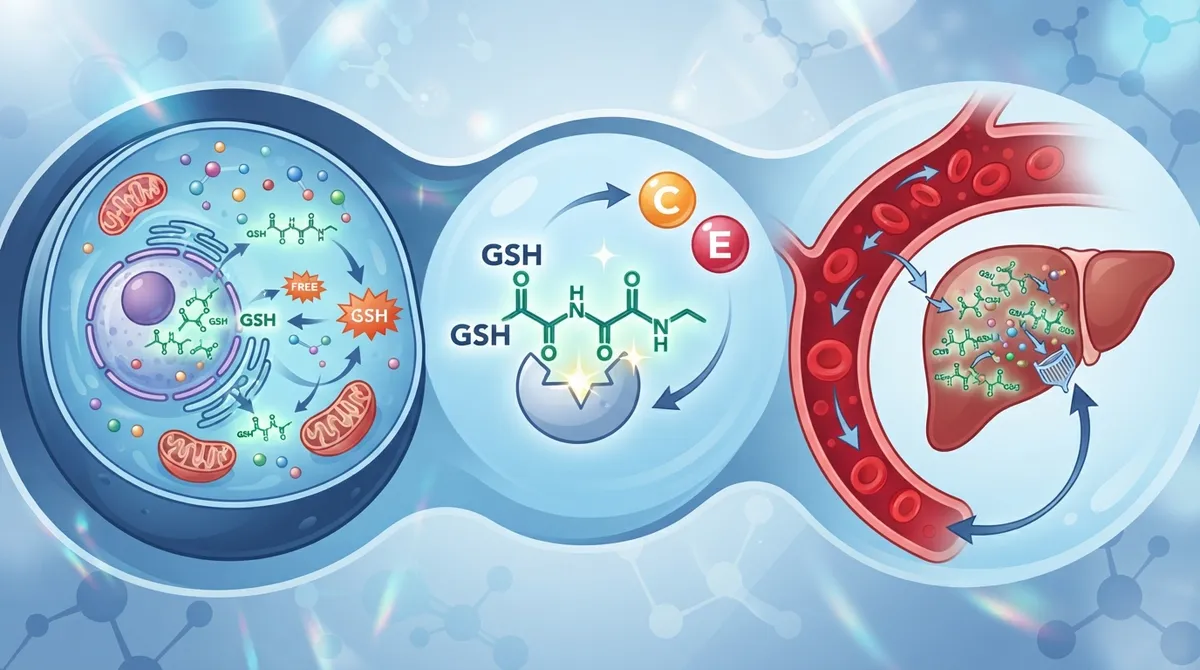
Glutathione (GSH) is a small molecule made from three amino acids: cysteine, glutamic acid, and glycine. Your liver and other cells make it naturally. Its job is to neutralize harmful molecules called reactive oxygen species, which can damage cells over time.
Think of glutathione as your body's cleanup crew. It helps protect cells, supports liver function, and plays a role in your immune defenses. Because the liver relies heavily on glutathione for detox processes, many wellness programs highlight it when discussing how to support the organ that detoxifies the liver.
How Glutathione Works in the Body
Glutathione works through a process called redox regulation. This means it helps balance harmful oxidation with protective antioxidant activity. When this balance tips too far toward oxidation, cells can suffer damage linked to aging, inflammation, and chronic illness.
- Neutralizes free radicals before they harm healthy cells
- Supports the liver in breaking down toxins
- Helps recycle other antioxidants like vitamin C and E
- Plays a role in immune cell function
- May support skin health and cellular repair
What Affects Your Glutathione Levels?
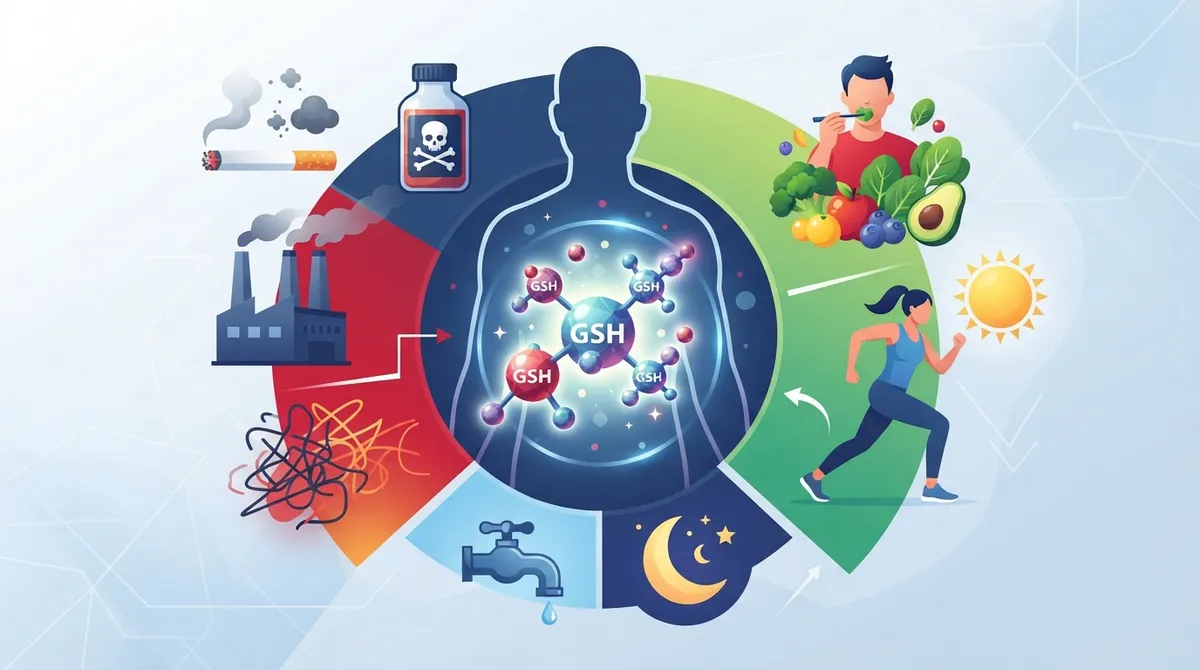
Your natural glutathione levels are not fixed. They shift based on several everyday factors. Understanding these can help you make simple lifestyle changes that support your body's own antioxidant defenses.
|
Factor |
Effect on Glutathione |
|---|---|
|
Age |
Levels tend to decline as you get older |
|
Chronic illness or inflammation |
Can deplete glutathione stores faster |
|
Poor diet or low protein intake |
Limits the raw materials needed for production |
|
Smoking and heavy alcohol use |
Increases oxidative stress and lowers levels |
|
Regular exercise and sleep |
May help support healthy antioxidant balance |
Does Oral Glutathione Supplementation Actually Work?
This is one of the most common questions patients bring to primary care visits. The honest answer is that the research is mixed. Some studies show benefits, while newer reviews raise doubts.
What the Research Shows
- A 2014 randomized controlled trial found that six months of daily oral glutathione increased levels by about 30% to 35% in red blood cells, plasma, and immune cells. Buccal cell glutathione rose by roughly 260% in the high-dose group.
- A 2024 systematic review and meta-analysis looked at five key studies. It found no statistically significant increase in red blood cell glutathione, with a standardized mean difference of 0.74 and a wide confidence interval (P=0.22).
- The same 2024 review found no significant rise in plasma glutathione either, with a standardized mean difference of 0.44 (P=0.19).
- An earlier clinical trial in healthy adults found no meaningful improvement in glutathione status or oxidative stress markers after short-term supplementation.
In short, results depend heavily on dosage, study length, and who is taking it. Healthy adults without a specific deficiency may see little benefit from short-term use.
Potential Health Applications Being Studied
Researchers continue to explore glutathione's role in several health areas. None of these uses are proven treatments, but early findings are worth understanding.
- Fatty liver disease and liver enzyme support
- Metabolic health and insulin sensitivity
- Immune system function
- Oxidative stress related to chronic conditions
- Skin health and appearance
Glutathione and Liver Health
A 2024 systematic review on fatty liver disease included only two randomized controlled trials with 208 total participants. The review noted possible improvements in liver fat markers, ALT levels, and artery wall thickness. However, the authors were clear that more research is needed before drawing firm conclusions. Anyone concerned about liver health should also review their liver test results with a primary care provider rather than relying on supplements alone.
Is Glutathione Supplementation Safe?
Oral glutathione supplements are generally well tolerated in short-term studies. However, safety data over the long term remains limited. Product quality also varies widely since supplements are not regulated the same way as prescription medications.
Common Side Effects of Oral Glutathione
- Mild stomach discomfort or bloating
- Loose stools or diarrhea
- Nausea
- Gas or flatulence
A 2025 review confirmed that most side effects are mild and temporary. Still, the review stressed that larger, longer studies are needed to fully understand safety and proper dosing.
The Risks of Glutathione Injections and IV Use
This is where caution becomes critical. Injectable or intravenous glutathione, especially when marketed for skin lightening, carries far more risk than oral supplements. Regulatory agencies have issued clear warnings about this practice.
|
Concern |
Details |
|---|---|
|
Regulatory approvalNot approved for cosmetic skin lightening in most jurisdictions |
|
|
Contamination risk |
Products may be improperly manufactured or stored |
|
Dosing issues |
No established dosing guidelines exist for cosmetic use |
|
Serious reactions |
Reports include allergic reactions, kidney or liver stress, and severe skin conditions |
The Philippine FDA Advisory No. 2019-182 specifically noted that no published clinical trials had evaluated injectable glutathione for skin lightening, and no appropriate dosing guidelines exist for that use. This is a strong reminder that not every wellness trend has solid science behind it.
Natural Ways to Support Glutathione Levels
Rather than jumping straight to supplements or injections, many primary care providers recommend starting with lifestyle habits. These support your body's natural antioxidant systems safely.
- Eat a diet rich in sulfur-containing foods like garlic, onions, and cruciferous vegetables
- Get enough high-quality protein to supply amino acids for glutathione production
- Exercise regularly to support cellular health
- Prioritize consistent, quality sleep
- Avoid smoking and limit alcohol intake
- Manage chronic stress through healthy coping strategies
These steps align with broader preventive medicine strategies that protect your health over the long run, rather than relying on a single supplement or treatment.
Why Talk to Your Primary Care Provider First
Supplements are not one-size-fits-all. A primary care visit allows your provider to review your health history, current medications, and specific goals before recommending anything related to glutathione or other antioxidants.
- Supplements are not consistently regulated for purity or potency
- Some ingredients may interact with medications
- Underlying conditions may need targeted treatment, not general antioxidants
- Injectable treatments should only be used under qualified medical supervision
At InCare, our team of providers takes time to understand your full health picture before suggesting any wellness therapy. Whether you are curious about IV hydration and vitamin drips or want to explore DNA gene testing to better understand your health risks, our clinics in Tampa and Riverview offer a personalized approach.
How InCare Approaches Whole-Body Wellness
InCare combines advanced technology with real medical expertise to help patients make informed decisions. This includes services like body composition analysis, metabolic breath analysis, and comprehensive cancer screening options. Our goal is always prevention first, backed by evidence, not hype.
Patients trust InCare because we prioritize clear communication and safety over trendy shortcuts. You can learn more about our approach on our About Us page, and see real patient feedback on our testimonials page. Many patients also share their experiences on our Facebook and Instagram pages, and you can watch quick wellness tips on our Tik Tok channel.
What to Expect During a Wellness Consultation
- A review of your current health history and lifestyle habits
- Discussion of your specific wellness goals
- Honest guidance on which therapies have solid research support
- A personalized plan that may include diet, exercise, or targeted testing
- Follow-up care to track your progress over time
Frequently Overlooked Questions About Antioxidant Health
Many patients focus only on glutathione but forget that overall antioxidant balance depends on multiple nutrients working together. Vitamin C, vitamin E, and selenium all play supporting roles. A narrow focus on one antioxidant rarely leads to lasting results.
- Balanced nutrition matters more than any single supplement
- Chronic conditions often need direct medical treatment, not just antioxidants
- Testing can help identify actual deficiencies before starting any regimen
- Regular checkups catch problems early, before they become serious
If you have not had a full wellness visit recently, our guide to annual wellness visits explains what to expect and how it supports long-term health.
Choosing a Trusted Clinic in Tampa or Riverview
With so much wellness information online, it can be hard to separate solid science from marketing claims. Working with a clinic that values transparency matters. InCare holds a strong reputation, with a 4.8 out of 5 rating on Google from over 359 reviews, reflecting the trust patients place in our team.
You can visit us on Google — InCare to read patient experiences firsthand. Our Riverview location and Tampa office both offer the same commitment to evidence-based wellness care, along with virtual visit options for busy schedules.
Final Thoughts on Glutathione and Your Health
Glutathione plays a real and important role in protecting your cells. But the science on supplementation is still developing, and injectable use for cosmetic purposes carries real risks that outweigh unproven benefits. The smartest approach combines healthy lifestyle habits with honest guidance from a trusted medical provider.
If you want to explore antioxidant support, detox health, or broader wellness options safely, our team is ready to help. Reach out to our team today to discuss your goals, or go ahead and schedule your wellness visit now to start building a personalized, science-backed health plan.
FAQs
Q: What is glutathione and how does it work as an antioxidant?
A: Glutathione is a natural antioxidant made from three amino acids: cysteine, glutamic acid, and glycine. It neutralizes harmful molecules called reactive oxygen species and supports liver function, helping protect your cells from daily damage.
Q: Does oral glutathione supplementation actually increase glutathione levels in the body?
A: Research results are mixed. Some studies show increases after months of daily use, while a 2024 meta-analysis found no statistically significant improvement in blood glutathione levels compared with placebo.
Q: Are glutathione injections safe for skin lightening?
A: No, regulatory agencies have warned against this use. Injectable glutathione for cosmetic skin lightening lacks clinical trials, approved dosing guidelines, and carries risks like contamination, allergic reactions, and organ stress.
Q: Can diet and lifestyle naturally support glutathione levels?
A: Yes, eating protein-rich foods, sulfur-containing vegetables, exercising regularly, sleeping well, and avoiding smoking can all support your body's natural antioxidant defenses without added supplement risk.
Q: Who should talk to a doctor before trying glutathione supplements?
A: Anyone with liver concerns, chronic illness, or current medications should consult a primary care provider first. A doctor can review interactions, confirm actual need, and recommend safer, evidence-based options.