
Key Takeaways
- A 2024 systematic review found 21 of 25 human studies showed glutathione levels were 27.8% lower in heart failure patients than healthy people, indicating an association but not proof of causation.
- Sublingual glutathione showed promise in reducing LDL and total cholesterol in a small 2017 trial of 16 men, with one subgroup showing reduced arterial stiffness, but results were too limited to guide clinical treatment.
- Glutathione should never replace proven cardiovascular treatments like statins, blood pressure medications, or diabetes management—it can only serve as a potential add-on to existing heart disease prevention strategies.
- Different glutathione forms have varying absorption rates: oral capsules have lowest absorption, sublingual has better absorption, and IV requires medical supervision with highest absorption but greatest safety concerns.
- Before starting glutathione or NAC supplements for heart health, consult your primary care provider to check for medication interactions, especially if you're pregnant, have asthma, liver/kidney disease, or existing heart conditions.
- No established clinical guideline recommends routine glutathione supplementation for preventing or treating atherosclerosis, high blood pressure, or heart failure, and long-term safety data in cardiovascular patients remains incomplete.
Heart disease remains the leading health concern for adults across the country. Many people search for new ways to protect their heart beyond diet and exercise. One topic gaining attention is glutathione cardiovascular health, especially among wellness-focused patients who want to be proactive rather than reactive. If you have seen glutathione mentioned in wellness clinics or online health forums, you may wonder if it actually supports your heart.
This article breaks down what glutathione does in your body, what current research says about its link to heart health, and what primary care patients should know before trying it. We will also cover safety, supplement types, and how a personalized approach through primary care can help you make smart choices. At InCare, our team in Tampa and Riverview helps patients understand these emerging wellness topics within a safe, evidence-based framework.
What Is Glutathione and Why Does It Matter for Your Heart
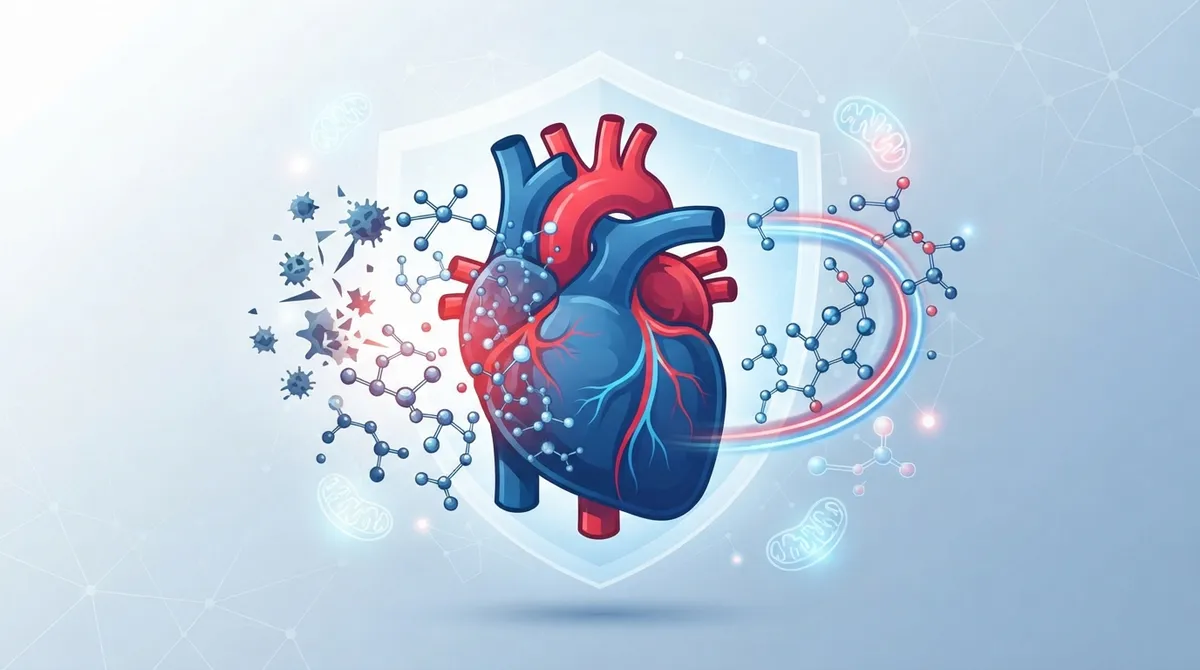
Glutathione (GSH) is a powerful antioxidant made inside your cells. It is built from three building blocks: glutamate, cysteine, and glycine. Your body uses it to fight oxidative stress, which is a type of cell damage linked to aging and disease.
In your blood vessels, glutathione helps control redox balance. This means it helps limit damage from unstable molecules called free radicals. It also helps protect your mitochondria, the tiny parts of your cells that produce energy, and supports the lining of your blood vessels, known as the endothelium.
- Glutathione helps limit oxidation of fats and proteins in blood vessels
- It supports mitochondrial function in heart tissue
- It plays a role in keeping the endothelium (vessel lining) healthy
- It may help preserve nitric oxide activity, which keeps blood vessels relaxed
How Glutathione Affects Blood Vessel Function
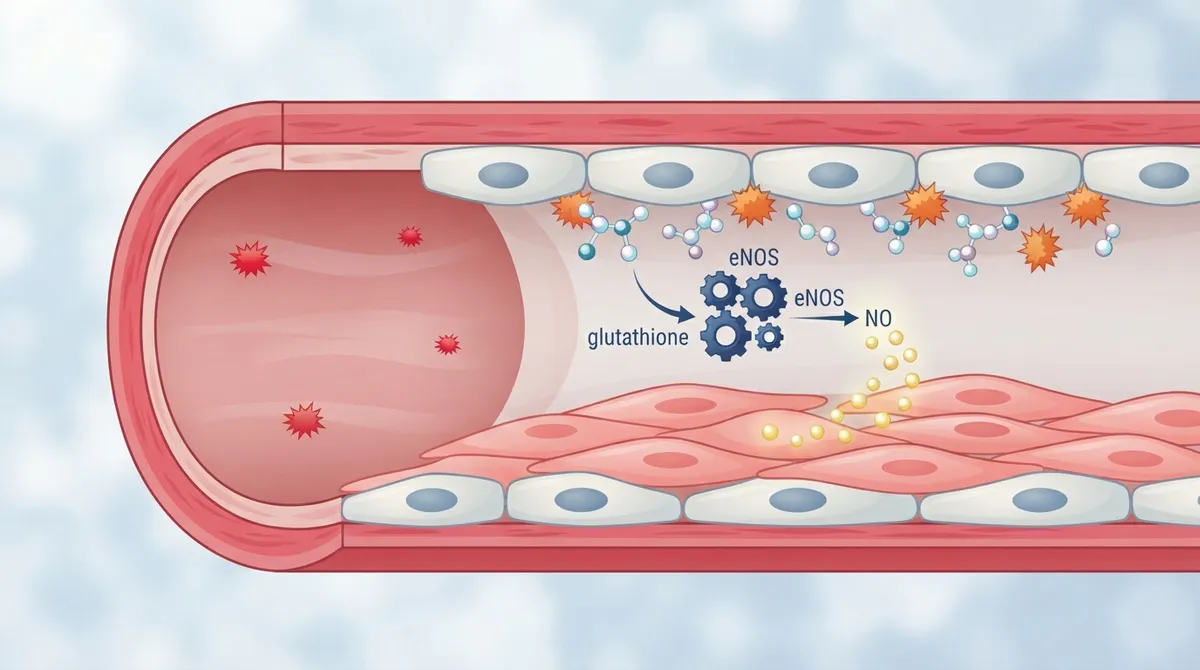
Nitric oxide is a molecule that helps your blood vessels relax and widen. This process is called vascular reactivity. When oxidative stress rises, nitric oxide levels can drop, and blood vessels may become stiffer.
Research suggests that having enough glutathione may help protect nitric oxide signaling. This could support normal blood vessel function over time. However, this does not prove that taking glutathione supplements will prevent heart disease. The science here is still developing.
What Research Says About Glutathione and Heart Failure
A 2024 systematic review looked closely at this topic. Researchers combed through 7,656 articles, reviewed 426 in full, and included 217 human and animal studies in their final analysis.
The findings were notable. Among 25 human studies on heart failure, 21 found lower glutathione levels in patients compared to healthy people. Of those, 18 results were statistically significant. On average, glutathione levels were about 27.8% lower in heart failure patients.
It is important to understand what this means. This is an association, not proof of cause and effect. Low glutathione levels were found alongside heart failure, but researchers cannot yet say low glutathione causes heart failure.
Animal Study Findings
Animal research adds more context. In ischemic cardiomyopathy models, 74.2% of glutathione measurements were lower than in healthy control animals. In transverse-aortic-constriction models, that number was even higher at 79.3%.
These animal findings support the idea that glutathione and heart stress are connected. But animal studies cannot be applied directly to human treatment decisions.
|
Study Type |
Key Finding |
Year |
|---|---|---|
|
Human heart failure studies |
21 of 25 studies showed lower GSH; average 27.8% reduction |
2024 |
|
Ischemic cardiomyopathy animal models |
74.2% showed lower GSH than controls |
2024 |
|
Transverse-aortic-constriction models |
79.3% showed lower GSH than controls |
2024 |
|
Coronary artery disease study |
Lower GSH in affected patients (57.61 vs 68.55 micromol/10g Hb) |
2009 |
Can Glutathione Lower Cholesterol or Improve Endothelial Function
One small study offers useful, though limited, insight. In 2017, researchers ran a randomized, double-blind crossover trial with 16 healthy men who had cardiovascular risk factors.
The men took sublingual glutathione, which means it dissolves under the tongue. Results showed lower total cholesterol and LDL cholesterol compared to a placebo. However, across the full group, there was no overall improvement in endothelial function or oxidative-stress markers.
There was one interesting detail. A small subgroup of men with abnormal baseline blood vessel test results did show reduced arterial stiffness after taking glutathione. This is a promising clue, but the sample size was too small to draw firm conclusions.
Key Takeaways From Human Trials
- Sublingual glutathione may lower LDL and total cholesterol in some people
- Full-group improvements in blood vessel function were not confirmed
- A small subgroup with poor baseline vessel health saw reduced arterial stiffness
- Sample sizes remain too small for strong clinical guidance
- Larger, longer studies are needed before making treatment claims
Laboratory Research on Glutathione and Blood Vessel Cells
A 2025 laboratory study looked at how glutathione affects human endothelial cells grown in a lab. Researchers exposed these cells to oxidized LDL, a type of damaged cholesterol linked to artery plaque.
Glutathione reduced reactive oxygen species, which are harmful molecules that damage cells. It also helped preserve nitric oxide-related signaling, reduced lipid peroxidation, and lowered markers linked to inflammation and cell death.
These results are encouraging at the cellular level. But lab dish results do not automatically translate into real-world benefits for patients. Human clinical trials with meaningful outcomes are still needed.
Should You Take Glutathione or NAC for Heart Health
N-acetylcysteine, or NAC, is another supplement people ask about. NAC can help your body make more glutathione. Vitamin C, vitamin E, and selenium may also influence glutathione levels in your body.
None of these should replace proven heart treatments. Standard cardiovascular care still includes controlling blood pressure, managing cholesterol, treating diabetes, and following prescribed medications.
- Blood pressure control through diet, exercise, and medication when needed
- Cholesterol management with lifestyle changes and statins when prescribed
- Diabetes care to protect blood vessels and heart tissue
- Smoking cessation support
- Regular physical activity tailored to your fitness level
- Guideline-directed medications for existing heart conditions
Different Types of Glutathione: Oral, Sublingual, and IV
Glutathione supplements come in several forms. Each has different levels of evidence and absorption.
|
Form |
Absorption |
Supervision Needed |
|---|---|---|
|
Oral capsules |
Lower absorption due to digestion |
Discuss with a clinician first |
|
Sublingual |
Better absorption than oral pills |
Discuss with a clinician first |
|
Intravenous (IV) |
Highest absorption, direct to bloodstream |
Requires medical supervision |
Intravenous glutathione should always be done under medical supervision. Product quality and labeling can vary between brands, so working with a trusted clinic matters. If you are curious about supervised IV hydration and vitamin drip therapy, a clinical team can help you understand what is appropriate for your health profile.
Who Should Be Cautious With Glutathione or NAC
Not everyone should try these supplements without medical advice. Some groups need extra caution.
- Pregnant or breastfeeding women should talk to a doctor first
- People with asthma may need special guidance
- Those with liver or kidney disease should be monitored closely
- Patients taking multiple medications should check for interactions
- Anyone with an existing heart condition should consult their primary care provider before starting new supplements
Supplement-drug interaction research is still incomplete. This is one more reason to loop in your primary care provider before adding anything new to your routine.
Why Whole-Body Prevention Still Comes First
There is no established clinical guideline recommending routine glutathione supplementation to prevent or treat atherosclerosis, high blood pressure, coronary artery disease, or heart failure. This does not mean the research is worthless. It means glutathione should be viewed as a possible add-on, not a replacement for proven care.
Long-term safety, correct dosing, and real outcomes like heart attack or stroke prevention remain understudied. Supplements should never replace statins, blood pressure medication, antiplatelet therapy, or heart failure treatment plans.
A smart approach starts with your baseline health data. Services like DNA gene testing and body composition analysis can help you and your care team understand your personal risk factors. From there, you can make informed choices about wellness additions like glutathione.
How InCare Supports Heart-Healthy Wellness Decisions
Patients in Tampa and Riverview trust InCare for a reason. Our providers combine advanced technology with personal attention to help you build a realistic health plan. Whether you need routine cancer screening, help managing chronic conditions, or guidance on newer wellness trends, our team walks you through the evidence.
We believe wellness choices should be based on facts, not hype. That is why our providers, including Dr. Pramjeet Ahluwalia and Dr. Naveen Paddu, take time to explain both the potential and the limits of supplements like glutathione. You can also read what other patients say about their experience by visiting InCare on Facebook or following daily wellness tips on Instagram.
Steps to Take Before Trying Glutathione for Heart Health
- Schedule a visit with your primary care provider to discuss your heart risk factors
- Ask about baseline testing, including cholesterol and blood pressure checks
- Bring up any supplements you are considering, including glutathione or NAC
- Review your full medication list for possible interactions
- Set realistic expectations based on current research, not marketing claims
- Follow up regularly to track your progress and adjust your plan
For general wellness education, the National Institutes of Health and the Centers for Disease Control and Prevention both offer reliable information on heart disease prevention that pairs well with any conversation you have with your provider.
Building a Complete Heart Health Plan
Glutathione may play a supporting role in your overall wellness strategy, but it works best alongside proven habits. A strong plan usually includes several layers of care working together.
- Routine primary care visits to monitor blood pressure and cholesterol
- Nutrition choices that support antioxidant levels naturally, like leafy greens and lean proteins
- Consistent physical activity based on your fitness level
- Quality sleep, which affects inflammation and heart recovery
- Stress management techniques that reduce oxidative stress over time
- Regular lab work to track markers relevant to your heart health
This layered approach gives you a much stronger foundation than any single supplement alone. Our team frequently discusses these strategies with patients through weight loss programs and wellness visits designed around your specific goals.
Curious how InCare patients feel about their care? You can visit us on Google — InCare to read real reviews from people in Tampa and Riverview. Many mention how our staff takes time to explain new wellness options clearly, without pressure.
Final Thoughts on Glutathione and Heart Health
Glutathione plays a real role in your body's defense against oxidative stress, and early research shows a link between low glutathione and heart failure. Small human trials show some promise for cholesterol and blood vessel benefits, especially in specific subgroups. But the evidence is not yet strong enough to call glutathione a proven heart treatment.
The safest path forward is combining curiosity with caution. Talk to a trusted primary care provider before starting any new supplement routine, especially if you have existing heart risk factors. Our clinics in Tampa and Riverview are ready to help you sort fact from fiction.
Ready to talk through your heart health goals with a provider who listens? Book your appointment today and take the next step toward a personalized, evidence-based wellness plan. You can also keep up with wellness tips and patient stories on TikTok for more insights between visits.
FAQs
Q: Can glutathione improve cardiovascular health?
A: Early research suggests glutathione may support blood vessel function and reduce oxidative stress, but human evidence remains limited. It should not be considered a proven treatment for heart disease. Talk to your primary care provider before using it for heart health goals.
Q: Does glutathione lower cholesterol or LDL levels?
A: A small 2017 study found sublingual glutathione lowered total and LDL cholesterol compared to placebo. However, this was a small trial with only 16 participants, so more research is needed to confirm these results broadly.
Q: Are low glutathione levels associated with heart failure?
A: Yes, a 2024 systematic review found lower glutathione levels in 21 of 25 human heart failure studies, with an average reduction of about 27.8%. This shows an association, not proof that low glutathione causes heart failure.
Q: Is intravenous glutathione safe for people with heart disease?
A: IV glutathione should only be used under medical supervision, especially for people with existing heart conditions. Safety, proper dosing, and long-term effects have not been fully studied in cardiovascular patients.
Q: Can glutathione supplements replace statins or other heart medications?
A: No, glutathione should never replace prescribed heart medications like statins or blood pressure drugs. Current research does not support glutathione as a substitute for guideline-directed cardiovascular treatment.