
Key Takeaways
- GHK-Cu has promising laboratory evidence but limited human clinical trials for wound healing; most human research focuses on cosmetic skin outcomes rather than actual wound closure or healing speed.
- Topical GHK-Cu has more clinical history than injectable forms, which carry significant risks including impurities, inconsistent dosing, and potential immune reactions due to lack of FDA approval and quality control.
- Standard wound care steps—accurate assessment, infection testing, debridement, pressure offloading, blood flow evaluation, and regular follow-up—remain essential and cannot be replaced by GHK-Cu products.
- A Phase 2 clinical trial testing topical GHK-Cu gel on acute wounds is currently underway with expected completion around 2028, indicating the scientific community views this as investigational rather than proven.
- GHK-Cu naturally declines with age and works by delivering copper to cells to support collagen production and tissue repair, but laboratory effectiveness does not guarantee the same results in real patients with actual wounds.
- Self-treating wounds with unregulated injectable peptides delays proper medical evaluation and could lead to serious complications like infection; always consult a licensed provider before trying emerging treatments.
If you have researched ways to help wounds heal faster, you may have come across GHK-Cu. This copper-binding peptide has generated buzz in wellness circles for its role in skin repair and tissue regeneration. But separating real science from marketing hype matters, especially when it comes to your health. Understanding ghk cu wound healing claims helps you make informed choices before trying any new treatment.
At InCare, patients in Tampa and Riverview often ask about emerging peptides and whether they can replace standard wound care. This article breaks down what GHK-Cu is, what research actually supports, and why proper medical guidance still matters most. We will look at the evidence, the gaps, and how to think about this peptide within a responsible primary care approach.
What Is GHK-Cu and Why Does It Matter for Healing?
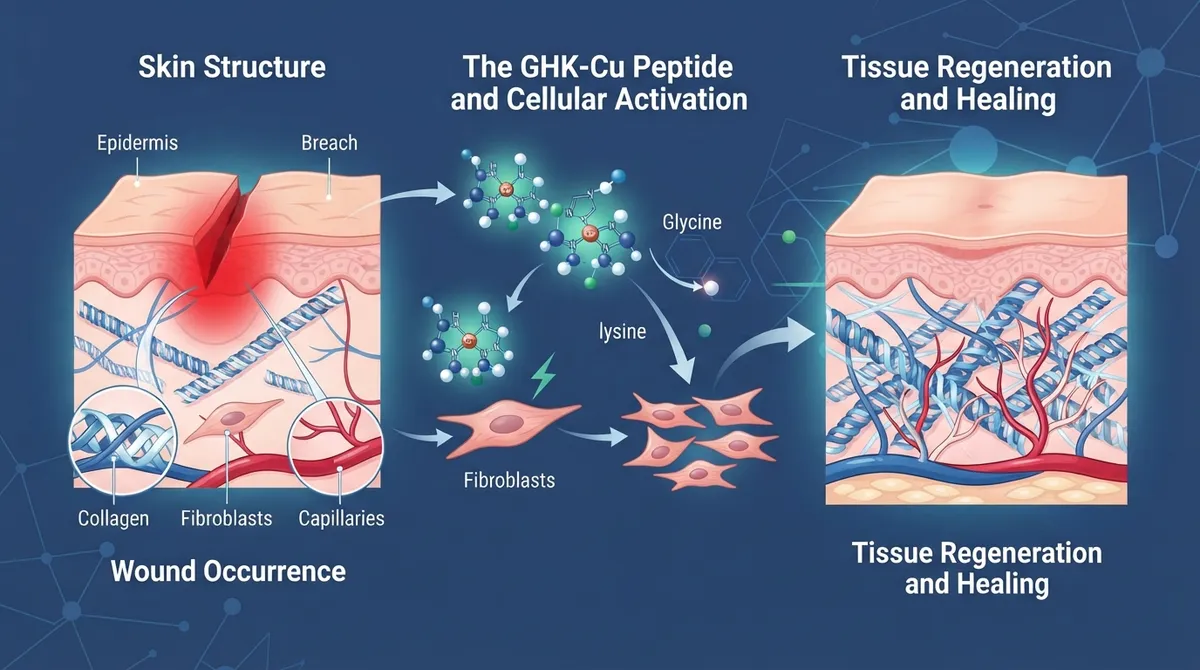
GHK-Cu, also known as copper tripeptide-1, is a small protein naturally found in human blood and tissue. Levels of this peptide tend to decline as people age. Researchers have studied it for decades because of its possible role in skin repair, collagen production, and tissue remodeling.
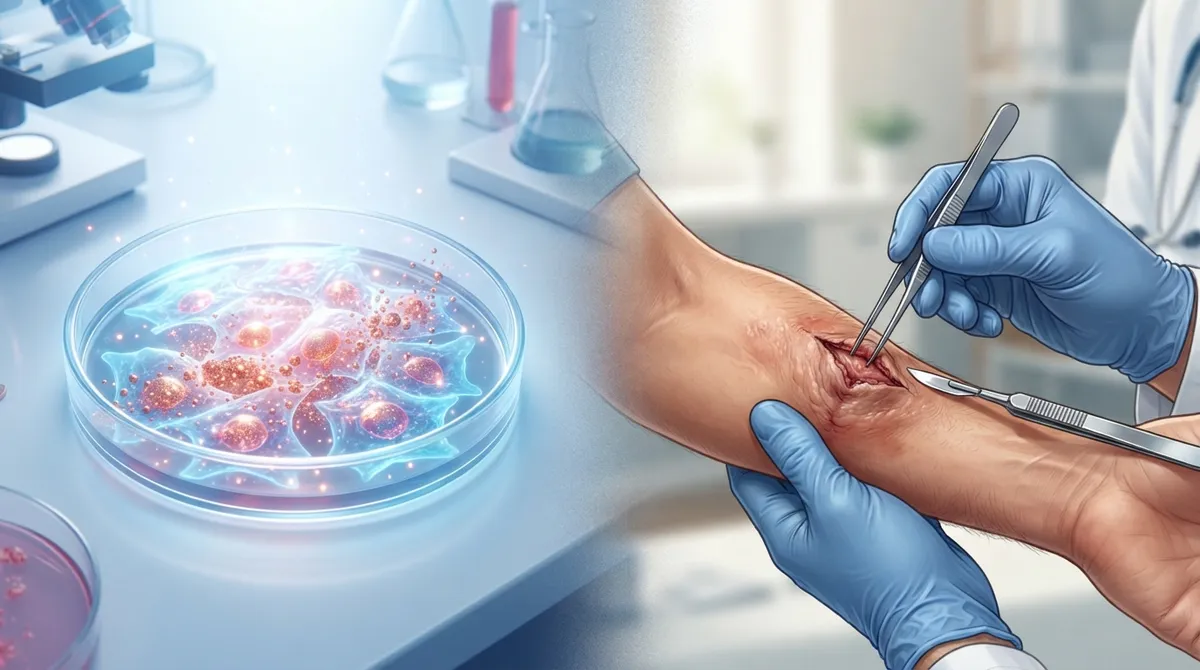
Laboratory studies suggest GHK-Cu may support several healing processes. These include helping skin cells called fibroblasts grow, boosting collagen production, and promoting new blood vessel formation. This early research is promising, but it comes mostly from cell and animal studies, not large human trials.
How GHK-Cu Works at the Cellular Level
Copper plays an important part in many healing processes in the body. GHK-Cu appears to help deliver copper to cells in ways that may support repair. According to a detailed review published in a 2018 study on regenerative peptide actions, this peptide has been examined in cell cultures, rodents, and rabbits for its wound-related properties.
That said, biological plausibility is not the same as proven clinical results. Just because something works in a petri dish or a lab animal does not mean it works the same way in a real patient with a real wound.

What Does Human Research Actually Show?
This is where things get more complicated. Human evidence for GHK-Cu wound healing is limited compared to the volume of lab and animal studies. Most research on people has focused on cosmetic skin outcomes, not actual wound closure.
- Cosmetic studies often measure skin thickness, elasticity, or wrinkle depth after 8 to 12 weeks of topical use
- These outcomes do not equal faster healing of open wounds, burns, or surgical sites
- Few modern, large-scale trials have tested GHK-Cu specifically for wound closure
- Most cited studies are older or involve small groups of participants
- Injectable GHK-Cu has even less human safety and effectiveness data than topical forms
One frequently mentioned study looked at topical GHK-Cu for diabetic neuropathic foot ulcers. Some secondary summaries report notable differences in wound area reduction compared to a placebo. However, these figures have not been widely repeated in newer, larger trials. Anyone considering this data should look closely at the original publication before drawing firm conclusions.
Current Clinical Trial Activity
Interest in GHK-Cu has not disappeared. A registered study listed on ClinicalTrials.gov describes a Phase 2 trial testing topical GHK-Cu gel on standardized acute skin wounds in healthy adults. This study plans to look at time to healing, wound area reduction, infection rates, and scarring.
The trial has an estimated enrollment of about 60 participants, with completion expected around 2028. No results are available yet. This tells us the scientific community still sees value in studying GHK-Cu, but conclusions are far from settled.
Topical vs. Injectable GHK-Cu: A Key Distinction
Not all forms of GHK-Cu are the same, and this distinction matters a great deal for safety. The table below compares what is currently known about each route.
|
Factor |
Topical GHK-Cu |
Injectable GHK-Cu |
|---|---|---|
|
Human Evidence |
Some older and small clinical studies |
Very limited human data |
|
FDA Approval Status |
Not approved as a wound-healing drug |
Not approved; used off-label or compounded |
|
Safety Concerns |
Generally low risk for topical irritation |
Immunogenicity, impurities, aggregation risks |
|
Common Use |
Cosmetic creams and serums |
Investigational, compounded formulations |
|
Regulatory Oversight |
Cosmetic-level oversight |
Limited oversight for compounded products |
Topical use has more history behind it, mostly in cosmetic settings. Injectable use carries more unknowns, including concerns about product purity and immune reactions. Neither form is currently approved by the FDA as a wound-healing treatment.
Why GHK-Cu Should Not Replace Standard Wound Care
It is easy to get excited about a peptide with interesting lab results. But real wound care requires much more than applying a product and hoping for the best. Chronic wounds, especially in people with diabetes or circulation problems, need a full medical evaluation.
Steps That Remain Essential for Proper Wound Management
- Accurate assessment of wound type, depth, and cause
- Testing for and treating any signs of infection
- Debridement to remove dead or damaged tissue when needed
- Offloading pressure from the wound area, especially for foot ulcers
- Checking blood flow and vascular health
- Managing blood sugar levels for patients with diabetes
- Choosing the right dressing type based on wound characteristics
- Regular follow-up visits to track healing progress
Skipping these steps in favor of an unproven peptide could delay proper treatment. This delay can lead to worse outcomes, including infection or slower healing. A trusted primary care provider can help you follow all these steps correctly.
Common Questions Patients Ask About GHK-Cu
Many patients want to know if this peptide is safe, effective, or worth trying. Here are some of the most common concerns raised during consultations.
- Does it work better than standard dressings and treatments?
- Can it be combined safely with prescribed medications?
- Is it appropriate for chronic wounds like pressure injuries?
- What signs suggest a product may not be safe or pure?
- How long would someone need to use it before seeing results?
These are fair questions, and the honest answer is that science does not yet have complete answers for all of them. This uncertainty is exactly why medical guidance matters so much.
Potential Risks and Side Effects to Consider
Topical GHK-Cu products are generally considered low risk for most people. Mild skin irritation or redness are the most commonly reported issues. However, injectable forms carry more serious concerns.
Compounded injectable peptides may contain impurities or inconsistent dosing. There have been reported concerns about immune reactions and product aggregation. Because these products are not FDA-approved for wound healing, quality control can vary widely between suppliers. This is a significant reason why self-treating an open wound with an unregulated injectable product carries real risk.
How InCare Approaches Wound Care and Emerging Peptides
At InCare, our goal is to give patients honest, evidence-based information. We understand the appeal of new treatments like GHK-Cu, especially for people dealing with slow-healing wounds or chronic skin concerns. Our providers, including those featured on our providers page, stay current on emerging research so we can guide you responsibly.
If you are curious about peptide therapy in general, our team has written extensively about related topics, including peptide therapy options available in Tampa. We also help patients manage chronic conditions that affect wound healing, such as diabetes, through our diabetes management guidance.
What a Comprehensive Wellness Visit Includes
Rather than treating a wound in isolation, InCare focuses on whole-body health. During a wellness visit, our team may review your blood flow, nutrition, and any chronic conditions affecting healing. Learn more about what happens during an annual wellness visit to understand how this process supports better outcomes.
We also offer advanced tools like body composition analysis and DNA gene testing to help identify factors that may affect your healing capacity. These tools give a more complete picture of your health than any single peptide product ever could.
Comparing Evidence Levels Across Wound Types
Not all wounds are studied equally when it comes to GHK-Cu. The table below summarizes what current research suggests for different wound categories.
|
Wound Type |
Evidence Level |
Notes |
|---|---|---|
|
Cosmetic skin aging |
Moderate (topical) |
Improvements in elasticity and thickness reported |
|
Diabetic foot ulcers |
Limited |
One older study shows promise; needs replication |
|
Acute surgical wounds |
Emerging |
Phase 2 trial currently underway |
|
Burns |
Very limited |
Mostly preclinical data available |
|
Pressure injuries |
Very limited |
No large human trials identified |
This table shows why caution is important. Marketing claims sometimes outpace what research has actually confirmed, especially for chronic or severe wound types.
Steps to Take Before Trying Any New Wound Treatment
If you are dealing with a wound that is not healing properly, do not wait or experiment on your own. Follow these steps for safer, more effective care.
- Schedule an evaluation with a licensed primary care provider
- Get an accurate diagnosis of the wound type and any underlying causes
- Ask about proven treatments first, including dressings and infection control
- Discuss any interest in peptide therapy openly with your provider
- Avoid self-injecting any unregulated peptide product
- Follow up regularly to track healing progress and adjust care as needed
This process protects your health while still allowing room to discuss newer options responsibly.
Why Choosing the Right Clinic Matters
Not every clinic takes the time to explain the difference between promising research and proven treatment. At InCare, we believe patients deserve clear, honest answers. Our Tampa and Riverview locations offer same-day appointments so you do not have to wait when a wound concern comes up.
Patients consistently share positive experiences with our team. You can visit us on Google to see reviews from InCare patients and learn what others have experienced during their visits. We also stay connected with our community through Facebook, Instagram, and TikTok, where we share health tips and updates.
Final Thoughts on GHK-Cu and Wound Care
GHK-Cu is an interesting peptide with real scientific backing at the laboratory level. However, human evidence for wound healing remains limited and route-specific. Topical forms have some older clinical support, while injectable forms carry more risk and less proof of safety.
This peptide should be viewed as investigational, not a replacement for standard wound care. Proper wound assessment, infection control, and chronic disease management still matter most. If you are dealing with a wound that concerns you, do not wait to get help.
Our team at InCare is ready to give you honest, science-based guidance for your healing needs. Book Now to schedule your visit, or reach out to our team with any questions about wound care or emerging wellness treatments.
FAQs
Q: Does GHK-Cu actually speed up wound healing in humans?
A: Human evidence remains limited, especially for large, modern trials. Some older studies on topical GHK-Cu suggest benefits for specific wound types, but results have not been widely replicated. More research is needed before it can be considered a proven wound-healing treatment.
Q: Can GHK-Cu be used on diabetic foot ulcers or chronic wounds?
A: One older study reported positive results for diabetic neuropathic ulcers, but this has not been confirmed by large, contemporary trials. Chronic wounds require full medical evaluation, including infection control and blood sugar management, rather than relying on a single product.
Q: Is topical GHK-Cu safe for open wounds?
A: Topical GHK-Cu is generally considered low risk for skin irritation in cosmetic use. However, its safety and effectiveness specifically for open wounds has not been firmly established in large clinical trials, so medical guidance is important.
Q: What is the difference between topical and injectable GHK-Cu for wound healing?
A: Topical GHK-Cu has more clinical history, mostly from cosmetic studies, while injectable forms have far less human safety data. Injectable products also carry additional risks, including impurities and immune reactions, since they are not FDA-approved for wound healing.
Q: Can GHK-Cu replace standard wound-care treatments like antibiotics or debridement?
A: No, GHK-Cu should not replace proven wound-care steps such as infection management, debridement, and pressure offloading. It should be viewed as an investigational or adjunctive option, not a substitute for evidence-based medical treatment.