

Key Takeaways
- GHK-Cu (copper tripeptide-1) is a naturally occurring peptide that decreases with age and is used in skincare to support collagen production, skin firmness, and hydration, with concentrations ranging from 0.10% to over 10% across different brands.
- Always distinguish between cosmetic GHK-Cu products formulated for safe topical use and research-grade peptides not meant for direct human application without medical guidance.
- Reliable GHK-Cu brands disclose exact concentration percentages, provide third-party testing or certifications, and avoid vague 'proprietary blend' labeling that often masks lower-quality formulations.
- Start with a patch test and use GHK-Cu products every other day initially to minimize mild irritation risk, and avoid layering with strong acids or retinoids without professional guidance.
- Higher GHK-Cu concentration alone does not guarantee better results; formulation quality, skin compatibility, and pairing with adequate hydration and sun protection are equally important for effectiveness.
- Topical copper peptide products work best as part of a comprehensive wellness plan including proper sleep, nutrition, hydration, and preventive medical care rather than as standalone solutions.
Copper peptides have become one of the most talked-about ingredients in skin health and wellness circles. If you have searched for GHK-Cu brands, you have likely seen dozens of serums, scalp treatments, and peptide products claiming to firm skin, boost hydration, and support hair growth. But not all products are created equal, and understanding what makes a GHK-Cu brand trustworthy can save you time, money, and disappointment. This guide breaks down what GHK-Cu is, how brands differ, and how to choose wisely as part of a broader wellness routine. At InCare, we believe informed patients make better health choices, whether that means picking a topical peptide serum or exploring peptide therapy under medical supervision. This article gives you the facts you need to navigate the growing copper peptide market with confidence.
What Is GHK-Cu and Why Does It Matter
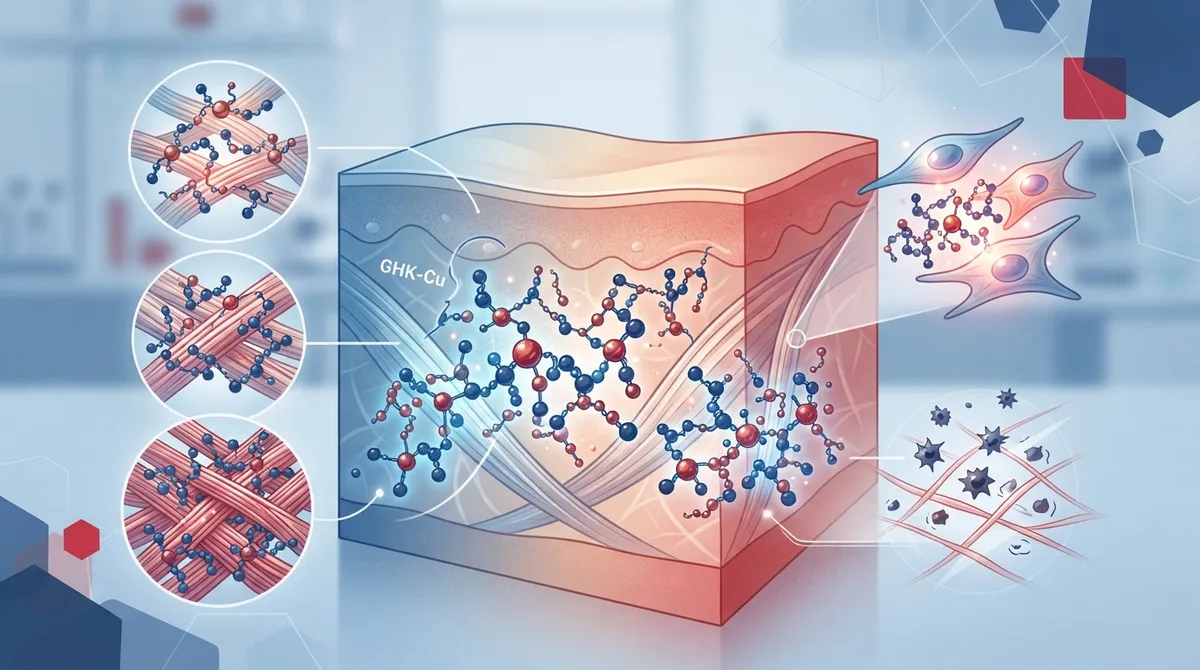
GHK-Cu stands for glycyl-histidyl-lysine bound to copper. It is a naturally occurring peptide found in the human body. Levels of GHK-Cu decrease as we age, which is part of why skin loses firmness and elasticity over time.
In skincare, GHK-Cu is usually labeled as copper tripeptide-1. This is the main ingredient to check for when comparing copper peptide products. Brands use it because it may support skin repair, collagen production, and barrier strength.
- GHK-Cu is a copper-bound tripeptide naturally present in human plasma and skin
- It is most often found in skincare under the name copper tripeptide-1
- The ingredient is used in facial serums, scalp treatments, and some wellness supplements
- Concentration levels vary widely between brands, from 0.10% to over 10% in some formulas
- Not all copper peptide products are equal in quality, purity, or transparency
How GHK-Cu Brands Differ From Each Other
The GHK-Cu market includes two very different types of sellers. One group makes cosmetic skincare products meant for topical use on the face or scalp. The other group sells research-grade peptides intended for laboratory use, not direct human application.
This distinction matters. Cosmetic products go through safety testing for skin use. Research peptides do not carry the same consumer safety guarantees. Buyers should always confirm which category a product falls into before purchasing.
Cosmetic Skincare Brands
These brands formulate GHK-Cu into serums, creams, and scalp treatments designed for daily use. They typically disclose ingredient percentages and follow cosmetic safety standards.
Research-Oriented Peptide Sellers
These companies market peptides for laboratory or research purposes only. They are not meant for direct skin or body application without medical guidance.
Comparing Popular GHK-Cu Products in 2026
Below is a comparison of commonly reviewed GHK-Cu products based on 2025 to 2026 market data. This table highlights differences in concentration, pricing, and formulation style.
|
Product Type |
GHK-Cu Concentration |
Approximate Price |
Notes |
|---|---|---|---|
|
The Ordinary Multi-Peptide + Copper Peptides Serum |
1% |
Around $32 for 30 mL |
Widely cited as a benchmark product |
|
ION BLUE Facial Serum |
0.10% |
Varies by retailer |
Lower concentration, simplified formula |
|
NIOD CAIS3 |
Multi-peptide blend |
$62 for 15 mL, $93 for 30 mL |
Higher price point, advanced formulation |
|
Dual-Peptide Formula (2026 review) |
10% GHK-Cu + 5% AHK-Cu |
Varies |
High concentration blend for advanced users |
Prices and formulas change often, so always check current listings before buying. Concentration alone does not guarantee results, since formulation quality and skin compatibility also play a role.
Key Factors When Choosing a GHK-Cu Brand
Not every copper peptide serum is worth your money. Here are the factors that separate reliable brands from questionable ones.
- Check for disclosed concentration percentages instead of vague "proprietary blends"
- Look for third-party testing or quality certifications
- Confirm whether the product is meant for cosmetic use or research only
- Read ingredient lists for potential irritants like added fragrance or alcohol
- Compare price per milliliter across similar concentration products
- Check for reviews from 2025 and 2026 to ensure current formulations
- Ask a healthcare provider before combining with other active skincare ingredients
GHK-Cu for Skin, Hair, and Scalp Wellness
While GHK-Cu started as a facial skincare ingredient, many brands now market it for scalp health and hair thickness too. This expansion reflects growing interest in whole-body wellness rather than isolated beauty routines.
- Facial serums targeting fine lines, firmness, and hydration
- Scalp serums marketed for thinning hair or slow growth
- Combination products claiming both skin and hair benefits
- Body lotions positioned for general skin barrier support
If hair thinning is a bigger concern than skin texture, it may help to speak with a provider about medical options. InCare offers hair restoration services that go beyond topical products, using proven clinical approaches for lasting results.
Safety Considerations With Copper Peptide Products
GHK-Cu is generally considered safe for topical use in cosmetic concentrations. Still, some people report mild irritation, especially with higher-strength formulas or when combined with other active ingredients.
- Start with a patch test before applying any new GHK-Cu product to your face
- Introduce the product slowly, using it every other day at first
- Avoid layering with strong acids or retinoids without guidance
- Discontinue use if redness, itching, or breakouts occur
- Store products properly, since copper peptides can oxidize with light and air exposure
If you experience ongoing irritation or have questions about how topical peptides interact with any medical conditions, a conversation with your primary care provider is a smart first step.
GHK-Cu Versus Other Popular Peptides
GHK-Cu is not the only peptide making waves in wellness circles. Understanding how it compares to other options can help you set realistic expectations.
|
Peptide |
Primary Use |
Common Form |
|---|---|---|
|
GHK-Cu |
Skin firmness, hydration, scalp support |
Topical serum |
|
Retinol |
Cell turnover, wrinkle reduction |
Topical cream |
|
BPC-157 |
Tissue repair, recovery support |
Injectable, research use |
|
Multi-peptide complexes |
Broad anti-aging support |
Topical serum |
Many people use GHK-Cu alongside other wellness strategies, including proper hydration and nutrition. For those exploring deeper wellness optimization, services like DNA gene testing or IV hydration and vitamin drips may complement a topical skincare routine.
Why Whole-Body Wellness Matters More Than One Product
A serum alone cannot replace good sleep, proper nutrition, and preventive medical care. GHK-Cu brands market visible skin benefits, but real, lasting wellness comes from a broader approach.
Patients in Tampa and Riverview who want a complete wellness plan often start with a foundational health check. This might include body composition analysis or a general annual wellness visit to establish a baseline before adding any new products or treatments.
- Track how your skin responds over 8 to 12 weeks, not just days
- Pair topical treatments with adequate hydration and sun protection
- Discuss any new supplement or peptide use with your provider
- Consider whole-body screenings to rule out underlying health issues affecting skin or hair
How to Read GHK-Cu Product Labels Correctly
Label reading is one of the most overlooked skills when shopping for copper peptide products. Many brands use marketing language that sounds impressive but reveals little useful information.
- Look for the exact percentage of GHK-Cu, not just the word "copper peptides"
- Check the ingredient order, since ingredients are listed by concentration
- Watch for added fragrances or dyes that may cause irritation
- Confirm the expiration date, since copper peptides can degrade over time
- Search for batch testing information if the brand offers it
Brands that avoid disclosing concentrations often use the term "proprietary blend" to mask lower-quality formulations. Transparent brands, by contrast, list exact percentages and avoid vague claims.
When to Talk to a Healthcare Provider About Peptides
Topical GHK-Cu products are widely available without a prescription. However, some patients want deeper insight into how peptides interact with their overall health, hormones, or existing treatments.
This is where a wellness-focused primary care team can help. At InCare, our providers discuss peptide use as part of a bigger wellness picture, not in isolation. If you are curious how copper peptides fit into anti-aging or recovery goals, our team can help you sort fact from marketing hype.
You can also see how other patients describe their experience by checking InCare on Facebook or following daily wellness tips on Instagram. For quick video explainers on topics like peptide therapy, our Tik Tok page offers bite-sized education.
Common Mistakes to Avoid When Shopping for GHK-Cu Brands
Many buyers make avoidable errors when selecting copper peptide products. Knowing these mistakes ahead of time can save both money and skin irritation.
- Buying research-only peptides for cosmetic use without medical guidance
- Choosing products based on price alone without checking concentration
- Expecting overnight results from a single application
- Ignoring how the product interacts with existing skincare routines
- Skipping patch tests before full facial application
- Overlooking expiration dates on sensitive peptide formulas
Final Thoughts on Choosing the Right GHK-Cu Brand
GHK-Cu brands offer a promising option for people interested in skin firmness, hydration, and scalp support. Success depends on choosing transparent products, understanding concentration levels, and pairing topical care with sound wellness habits.
Whole-body health remains the foundation for any skincare or wellness goal. Whether you are exploring copper peptides for the first time or looking to build a complete wellness plan, our team at InCare in Tampa and Riverview is ready to help. You can read what patients say about their experience by visiting our Visit us on Google — InCare profile. To take the next step in your wellness journey, schedule your appointment today and let our team guide you toward safer, smarter wellness choices.
FAQs
Q: What is GHK-Cu and how does it work in skincare?
A: GHK-Cu is a copper-bound tripeptide naturally found in the body that decreases with age. In skincare, it is used to support collagen production, hydration, and skin barrier strength when applied topically.
Q: Which GHK-Cu brands are best for primary care and wellness use?
A: The best brands disclose exact GHK-Cu concentrations, avoid vague proprietary blends, and are formulated specifically for cosmetic skin or scalp use. Always distinguish cosmetic products from research-grade peptides not meant for direct application.
Q: Is GHK-Cu safe for daily facial use?
A: GHK-Cu is generally considered safe for daily use in cosmetic concentrations, though some people experience mild irritation. Starting with a patch test and gradual introduction helps reduce this risk.
Q: What concentration of GHK-Cu is effective in a serum?
A: Effective concentrations vary, with some products using as little as 0.10% and others using 1% or higher blends. Higher concentration does not always mean better results, since formulation quality also matters.
Q: Can GHK-Cu help with hair growth or scalp health?
A: Some brands market GHK-Cu for scalp wellness and hair thickness, though results vary by individual. Patients seeking more clinical hair restoration options may benefit from speaking with a primary care provider about additional treatments.