
Key Takeaways
- Topical GHK-Cu has strong safety data with adverse event rates under 5% and improves skin firmness, elasticity, and fine lines through collagen support, with results visible after 8-12 weeks of consistent use.
- GHK-Cu works best as part of a comprehensive wellness plan addressing nutrition, sleep, and hormones rather than as a standalone treatment, and oral/injectable forms lack the same safety evidence as topical formulations.
- Typical cosmetic concentrations range from 0.001% to 0.5%, with most side effects being mild and localized (redness, tingling, dryness); patch testing and provider consultation are essential before use.
- GHK-Cu is gentler than retinol for sensitive skin but has less extensive clinical evidence, making it suitable for people seeking mild anti-aging support alongside or instead of more aggressive treatments.
Skin aging, slow wound healing, and thinning hair send many people searching for answers online. One name keeps popping up in wellness circles: GHK-Cu. This small copper peptide has become a popular topic in skin health and recovery care. But what does the science actually say, and how does it fit into a real wellness plan?
This guide breaks down GHK-Cu benefits in plain language. We will cover what the research shows, what it does not show, and how a wellness-focused clinic like InCare helps patients in Tampa and Riverview make informed choices about skin health, recovery, and whole-body wellness.
What Is GHK-Cu?
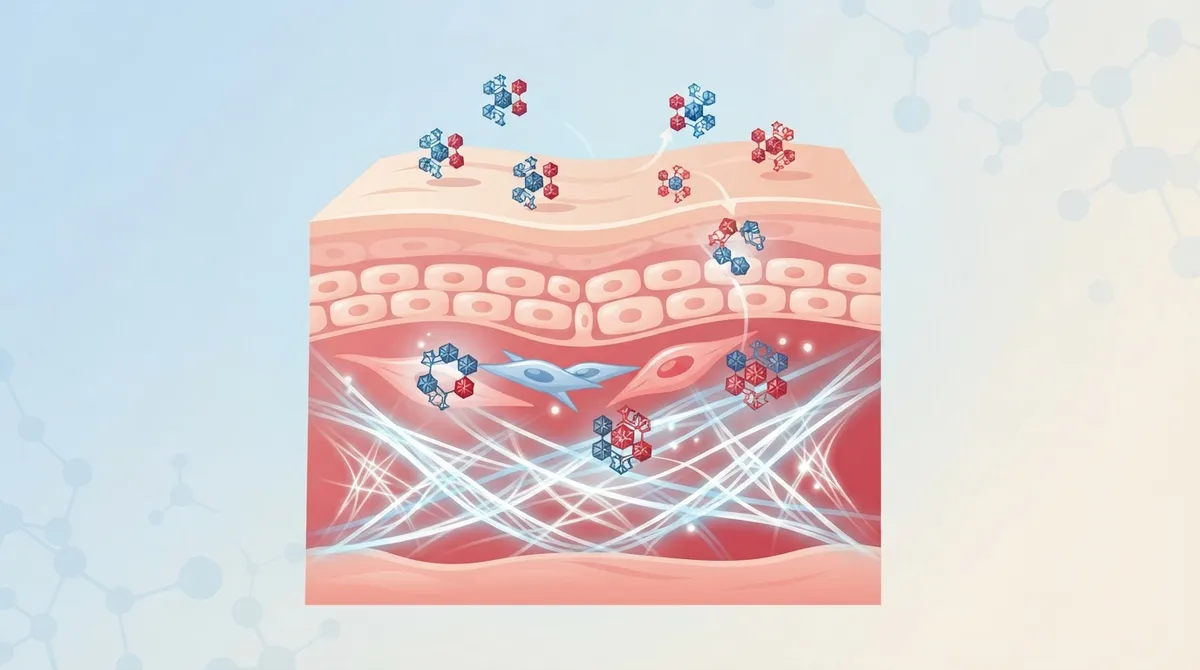
GHK-Cu stands for glycyl-L-histidyl-L-lysine copper. It is a small peptide that naturally binds to copper in the human body. Levels of this peptide are highest in young, healthy tissue and decline as people age.
Because of this natural decline, researchers began studying whether adding GHK-Cu back into skin care products could support tissue repair. Most current use is topical, meaning it is applied directly to the skin rather than taken as a pill or injection.
How GHK-Cu Works in the Body
GHK-Cu appears to act on several biological processes at once. According to a 2018 review, this peptide influences gene expression tied to inflammation and tissue repair, affecting pathways connected to thousands of genes. This broad activity is part of why researchers find it interesting for skin and healing applications.
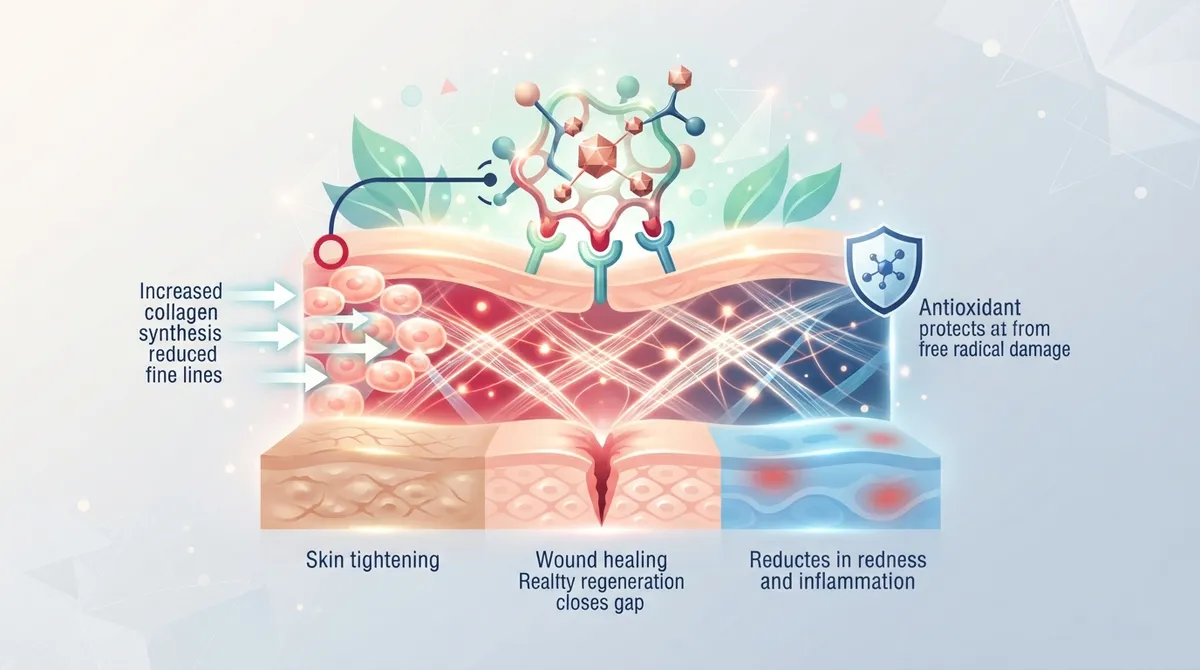
- Supports collagen and elastin production in skin tissue
- Shows antioxidant activity that may reduce oxidative stress
- Has documented anti-inflammatory effects in lab studies
- May help recruit repair cells to damaged tissue
- Is linked to angiogenesis, or new blood vessel formation, which supports wound healing
Top GHK-Cu Benefits Backed by Research
The strongest evidence for GHK-Cu benefits centers on skin health. Below are the areas with the most consistent research support.
1. Skin Firmness and Elasticity
Topical GHK-Cu has been studied for its ability to improve how skin looks and feels. A well-known 12-week double-blind study by Leyden and colleagues in 2005, still cited in 2026 reviews, found real improvements in aged skin with no major safety concerns.
2. Reduced Appearance of Fine Lines
By supporting collagen synthesis, GHK-Cu may help soften the look of fine lines over time. Results are gradual and depend on consistent use, similar to most topical skin treatments.
3. Wound Healing Support
Some research points to GHK-Cu helping wounds heal through improved blood flow and repair cell activity. This has made it a topic of interest in recovery-focused wellness care, though most of this evidence comes from lab and animal studies rather than large human trials.
4. Antioxidant and Anti-Inflammatory Activity
Skin aging is closely tied to oxidative stress and low-grade inflammation. GHK-Cu's documented antioxidant properties may help protect skin cells from this kind of damage over time.
5. Hair Support
Early research suggests GHK-Cu may support the hair growth cycle, though this area has less data than the skin research. Patients interested in hair health often explore this alongside other proven options like hair restoration treatments.
GHK-Cu Benefits at a Glance
|
Benefit Area |
Evidence Strength |
Typical Use |
|---|---|---|
|
Skin firmness & elasticity |
Strong (topical studies) |
Serums, creams |
|
Fine line appearance |
Moderate to strong |
Topical formulas |
|
Wound healing |
Moderate (lab-based) |
Topical application |
|
Antioxidant activity |
Moderate |
Topical use |
|
Hair support |
Limited but growing |
Topical formulas |
|
Systemic wellness claims |
Weak / unproven |
Oral or injectable (limited data) |
Concentration and Safety Data
One helpful area of research covers dosing and safety for topical GHK-Cu products. Understanding these numbers can help patients set realistic expectations.
- Cosmetic formulations typically use concentrations between 0.001% and 0.5%, according to a 2026 review of topical studies.
- Across multiple trials, fewer than 2% of participants reported adverse reactions beyond mild, short-lived redness.
- A separate 2026 review found adverse event rates under 5% for products using 1% to 3% GHK-Cu over long-term use.
- Reported side effects are usually mild and local, including redness, tingling, itching, or dryness.
- Safety data for oral or injectable GHK-Cu use remain limited compared to topical formulations.
What This Means for Patients
Topical GHK-Cu has a reasonably strong safety profile when used as directed. However, claims about systemic anti-aging or whole-body regeneration through oral or injectable forms are not backed by the same level of evidence. Patients should approach these broader claims with caution and speak to a licensed provider before trying any new peptide product.
Who Might Consider GHK-Cu in a Wellness Routine
Different patients come to wellness clinics with different goals. Here is how GHK-Cu benefits may apply across common patient groups.
- Adults noticing early signs of skin aging, such as fine lines or reduced firmness
- Patients recovering from minor skin injuries or procedures who want extra support
- Individuals exploring hair health options alongside proven treatments
- Wellness-focused patients who want evidence-based additions to a skincare routine
- People already using retinol or other actives who want to compare options
GHK-Cu vs. Retinol: A Quick Comparison
Retinol has decades of strong clinical evidence for treating fine lines, texture, and overall skin renewal. GHK-Cu is newer to mainstream skin care but shows promise, particularly for people who find retinol too irritating.
|
Factor |
GHK-Cu |
Retinol |
|---|---|---|
|
Evidence base |
Growing, moderate |
Extensive, well-established |
|
Irritation risk |
Generally lower |
Can be higher, especially at first |
|
Best for |
Sensitive skin, gentle support |
Faster, more aggressive renewal |
|
Combined use |
Often paired with other actives |
Often paired with moisturizers |
How to Approach GHK-Cu Safely
If you are curious about adding GHK-Cu to your wellness routine, a structured approach helps avoid wasted money and unwanted reactions.
- Start with a conversation with a primary care or wellness provider about your skin and health goals.
- Choose topical products with published concentration ranges rather than vague labeling.
- Do a small patch test before applying any new product to your full face or body.
- Track results over 8 to 12 weeks, since skin changes take time to appear.
- Avoid combining too many active ingredients at once, which can increase irritation risk.
- Ask your provider about how GHK-Cu might fit alongside other treatments, such as peptide therapy or hair restoration.
Why Whole-Body Wellness Matters More Than a Single Ingredient
It is easy to focus on one peptide and expect big results. But skin health, hair health, and healing all connect to broader factors like nutrition, hormones, sleep, and metabolic health. This is why a comprehensive wellness plan often outperforms a single-ingredient approach.
At InCare, patients can pair interest in topical treatments like GHK-Cu with broader services such as DNA gene testing, body composition analysis, and IV hydration and vitamin drips. These services help build a full picture of your health, not just a surface-level fix.
The Role of Primary Care in Wellness Decisions
A trusted primary care provider can help you separate proven benefits from marketing hype. This matters especially with peptides, where online claims often outpace the actual research. Providers at InCare, including those featured on the providers page, can guide realistic expectations for skin and wellness goals.
Patients exploring related options often also review peptide therapy services in Tampa or read more about how to use GHK-Cu safely for skin and wellness before starting any new regimen.
Common Mistakes to Avoid
- Buying unregulated GHK-Cu products from unverified online sellers
- Expecting dramatic results within days rather than weeks
- Ignoring patch testing before full application
- Assuming oral or injectable forms carry the same safety data as topical use
- Skipping a conversation with a healthcare provider before starting
InCare's Approach to Skin, Hair, and Wellness Care
InCare combines medical expertise with modern technology to help patients in Tampa and Riverview make smart, evidence-based choices. Whether you are interested in skin health, recovery support, or a full wellness checkup, the team focuses on personalized care rather than one-size-fits-all advice. You can learn more through the About Us page or explore locations near you.
Patients who want a broader view of preventive health may also benefit from a cancer screening or a full wellness visit that covers more than just skin concerns. Many patients following InCare on Facebook or Instagram share their own experiences with peptide-based skin care and other wellness services.
For additional context on peptide safety standards, resources like the National Institutes of Health provide useful background on how peptides are studied and regulated, which can help patients ask better questions during their consultations.
Ready to Talk About GHK-Cu and Your Wellness Goals?
GHK-Cu shows real promise for skin firmness, texture, and healing support, but it works best as part of a bigger wellness picture. If you want personalized guidance on skin health, hair support, or preventive care, our team can help you build a plan that fits your goals. Reach out to our team today or book your appointment now to get started. You can also visit us on Google — InCare to see what patients in Tampa and Riverview have to say about their experience.
FAQs
Q: What are the benefits of GHK-Cu for skin?
A: GHK-Cu is best known for supporting collagen production, improving skin firmness and elasticity, and reducing the appearance of fine lines. It also has antioxidant and anti-inflammatory properties that may protect skin from aging-related damage. Most benefits are seen with topical use rather than oral or injectable forms.
Q: Does GHK-Cu help with wrinkles and fine lines?
A: Research suggests GHK-Cu can help soften the appearance of fine lines by supporting collagen and elastin synthesis in the skin. A 12-week clinical study found improvements in aged skin with consistent topical use. Results typically build gradually over several weeks rather than appearing overnight.
Q: Is GHK-Cu safe for long-term topical use?
A: Topical GHK-Cu has a strong safety record in published studies, with adverse event rates staying under 5% even with long-term use at higher concentrations. Most reported side effects are mild, such as redness, tingling, or dryness. Always patch test new products and speak with a provider before starting long-term use.
Q: Can GHK-Cu help with hair growth?
A: Early research suggests GHK-Cu may support the hair growth cycle, though this evidence is more limited than the skin research. Patients interested in hair health often combine this interest with established options like professional hair restoration treatments for more reliable results.
Q: Is GHK-Cu better than retinol for anti-aging?
A: Retinol has decades of strong clinical evidence and is generally considered more proven for treating fine lines and skin texture. GHK-Cu tends to cause less irritation, making it a reasonable option for people with sensitive skin who cannot tolerate retinol. Many patients use both under professional guidance for a balanced routine.