
Key Takeaways
- CJC-1295 is not FDA-approved for wellness or anti-aging use; it has only been studied in research settings and is not held to the same manufacturing standards as approved medications.
- Subcutaneous injection into fat tissue allows slower, more steady absorption compared to intramuscular or intravenous methods, supporting more consistent hormone release over time.
- A 2006 study confirmed sustained growth hormone and IGF-1 increases in healthy adults, but did not establish long-term safety or prove significant fat loss, muscle building, or anti-aging effects.
- CJC-1295 with DAC has a several-day half-life requiring once or twice weekly dosing, while the no-DAC version clears in hours and requires one to three daily injections for consistent effects.
- Medical supervision including full health history review, baseline labs, ongoing monitoring, and proper injection site rotation (abdomen, thigh, upper arm, buttock) is essential to reduce risks and prevent complications.
- People with histories of certain cancers, uncontrolled diabetes, or pituitary conditions should approach CJC-1295 with extra caution and require careful provider evaluation before considering treatment.
Peptide therapy has become one of the most talked-about topics in wellness care. Among the peptides patients ask about most, CJC-1295 stands out for its role in growth hormone support. If you have heard the term "cjc-1295 subcutaneous" and wondered what it means, you are not alone. This guide breaks down the science, the safety concerns, and what medically supervised care actually looks like.
CJC-1295 is not a magic fix, and it is not right for everyone. It is also not approved by the FDA for wellness or anti-aging use. Understanding how it works, where it is injected, and why medical oversight matters can help you make an informed decision. This article explains the facts in plain language so you can have a clear conversation with your provider before considering any peptide protocol.

What Is CJC-1295 Subcutaneous Therapy?
CJC-1295 is a man-made peptide that mimics growth hormone-releasing hormone, often shortened to GHRH. It signals the pituitary gland to release more growth hormone into the bloodstream. This process can also raise levels of IGF-1, a hormone linked to tissue growth and repair.
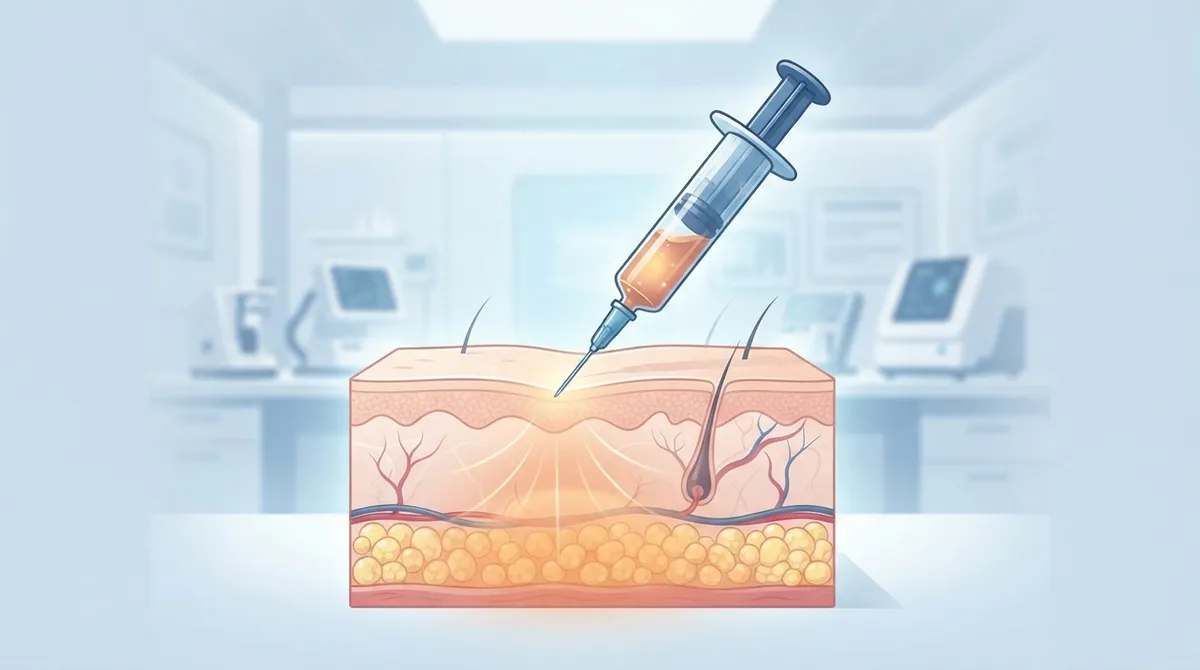
The word "subcutaneous" refers to the injection method. Instead of going into a muscle or vein, the peptide is injected into the fat layer just under the skin. This is the same injection method used for many other wellness therapies, including certain hormone treatments discussed in peptide therapy programs in Tampa.
How Subcutaneous Injection Differs From Other Methods
Subcutaneous injections are generally less painful than intramuscular shots. They also allow for slower, more steady absorption into the bloodstream. This matters for CJC-1295 because steady absorption may support more consistent hormone release.
- Subcutaneous: injected into fat tissue, slower absorption, common for peptides
- Intramuscular: injected into muscle, faster absorption, used for some medications
- Intravenous: injected directly into a vein, fastest absorption, used in clinical settings

The Science Behind CJC-1295 and Growth Hormone
A widely cited study published in 2006 examined subcutaneous CJC-1295 in healthy adults. Researchers found that the peptide produced sustained, dose-dependent increases in growth hormone and IGF-1 levels. This means higher doses generally led to greater hormone increases, and the effects lasted over time rather than spiking and dropping quickly.
The study tested doses of 30 and 60 micrograms per kilogram and reported that the peptide was relatively well tolerated in that controlled setting. This research remains one of the more direct sources of human data available on the compound, according to a study indexed on PubMed.
What This Research Does Not Show
It is important to separate what the science confirms from what wellness marketing sometimes claims. The 2006 study looked at hormone levels in a short-term setting. It did not establish long-term safety, nor did it prove benefits like significant fat loss, muscle building, or anti-aging effects.
- The study confirmed growth hormone and IGF-1 increases in healthy adults
- The study did not test long-term outcomes over months or years
- The study did not measure changes in body composition or athletic performance
- The study did not include people with chronic health conditions
- Major medical guidelines do not currently endorse routine use for wellness goals
CJC-1295 With DAC vs. Without DAC
One of the most common questions patients ask is about the difference between CJC-1295 with DAC and without DAC. DAC stands for Drug Affinity Complex. This addition allows the peptide to bind to albumin, a protein in the blood, which extends how long it stays active in the body.
|
Feature |
CJC-1295 With DAC |
CJC-1295 Without DAC |
|---|---|---|
|
Half-life |
Several days |
A few minutes to hours |
|
Typical dosing frequency |
Once or twice weekly |
Multiple times daily |
|
Common wellness dosing range |
1–2 mg per dose |
100–300 mcg per dose |
|
Injection burden |
Lower, fewer injections |
Higher, up to 1–3 daily |
Because the no-DAC version clears the body faster, some protocols call for more frequent dosing to maintain steady hormone signaling. This is one reason medical supervision matters. Without proper guidance, dosing errors are more likely.
Where Is CJC-1295 Injected Subcutaneously?
Subcutaneous injections are typically given in areas with a reasonable layer of fat beneath the skin. Common injection sites discussed in wellness practice include the following.
- Abdomen, avoiding the area directly around the navel
- Front or outer thigh
- Back of the upper arm
- Upper buttock area, in some cases
Rotating between these sites is generally recommended. Repeated injections in the same spot can lead to skin irritation, lumps, or thickened tissue over time. A provider trained in proper injection technique, similar to those available through InCare's team of providers, can walk patients through safe rotation schedules and technique.
Steps for a Safe Subcutaneous Injection
While every clinic may have slightly different protocols, general steps for subcutaneous injections often include the following sequence.
- Wash hands thoroughly and clean the injection site with an alcohol swab
- Pinch a fold of skin at the chosen site to lift the fat layer
- Insert the needle at the angle recommended by your provider
- Inject slowly and steadily, avoiding rapid pressure
- Withdraw the needle and apply gentle pressure with a clean cotton pad
- Dispose of the needle safely in an approved sharps container
Is CJC-1295 FDA-Approved?
This is one of the most important facts to understand before considering this peptide. CJC-1295 is not approved by the FDA for general wellness, anti-aging, body composition, or athletic performance use. It has been studied in research settings, but it has not gone through the full approval process required for widespread medical use.
This distinction matters because unapproved compounds are not held to the same manufacturing and safety standards as FDA-approved medications. Anyone considering this peptide should discuss the regulatory status directly with a licensed medical provider before moving forward.
Potential Side Effects and Safety Considerations
Like any substance that affects hormone levels, CJC-1295 carries potential risks. Reported side effects in wellness settings may include the following.
- Redness, swelling, or irritation at the injection site
- Headache or lightheadedness
- Water retention or mild swelling
- Changes in blood sugar levels
- Flushing of the skin or a warm sensation
Because CJC-1295 affects growth hormone and IGF-1, people with a history of certain cancers, uncontrolled diabetes, or pituitary conditions should approach this therapy with extra caution. Lab monitoring and a full medical history review are standard steps before any peptide protocol begins, similar to the process used for DNA gene testing and other advanced wellness assessments.
Why Medical Supervision Matters
Peptide therapy is not something to start on your own. A qualified provider will review your medical history, order relevant labs, and monitor your progress over time. This approach reduces risk and helps ensure any therapy fits your specific health picture.
At InCare, patients exploring wellness options can also access services like body composition analysis and metabolic breath analysis to better understand their starting point. These tools give providers a clearer picture before recommending any treatment plan.
Questions to Ask Before Starting
Patients considering peptide therapy should come prepared with questions. Useful topics to bring up during a consultation include the following.
- What lab work is needed before starting treatment
- How the peptide will be sourced and verified for quality
- What monitoring schedule will be used during treatment
- How side effects will be tracked and managed
- What realistic outcomes look like based on current evidence
How InCare Approaches Wellness and Primary Care
InCare, with locations in Tampa and Riverview, Florida, combines primary care, urgent care, and advanced wellness services under one roof. This means patients do not need to piece together care from multiple unconnected providers. From cancer screenings to medically supervised weight loss programs, the clinic focuses on prevention and whole-body health.
For patients exploring peptide options, InCare's providers, including those featured on the providers page, offer guidance grounded in current research rather than trends. You can also review the clinic's approach to safe dosing in this CJC-1295 administration guide, which covers additional details on safe practices.
What Sets a Medically Supervised Approach Apart
Not all wellness providers offer the same level of oversight. A medically supervised approach typically includes several key elements.
- A full review of medical history and current medications
- Baseline lab work to check hormone levels and organ function
- A clear discussion of risks, benefits, and the current evidence base
- Ongoing monitoring appointments to track progress and side effects
- A plan for adjusting or stopping treatment if needed
Patients can follow InCare's updates and educational content on Facebook, Instagram, and TikTok for more wellness tips and clinic news.
Comparing Common Wellness Peptides
CJC-1295 is often discussed alongside other peptides used in wellness settings. The table below offers a general comparison for context.
|
Peptide |
Primary Mechanism |
Typical Administration |
|---|---|---|
|
CJC-1295 |
GHRH analog, stimulates GH release |
Subcutaneous injection |
|
Ipamorelin |
Growth hormone secretagogue |
Subcutaneous injection |
|
Sermorelin |
GHRH analog, shorter half-life |
Subcutaneous injection |
Providers sometimes discuss combining peptides based on individual goals, but this decision should always involve a licensed medical professional who understands your full health history.
Making an Informed Decision
Choosing whether to pursue any peptide therapy is a personal decision that should be made with accurate information. Reading current research, understanding regulatory status, and asking direct questions are all part of the process. Reviews from real patients can also offer helpful context, and you can visit us on Google — InCare to see feedback from people who have worked with the clinic's care team.
If you are curious about whether peptide therapy fits into your wellness goals, the best first step is a conversation with a licensed provider. Our team can walk you through the science, the risks, and what a personalized plan might look like for your health.
Ready to talk with a provider about your wellness goals? You can get in touch with our team to ask questions, or you can schedule your appointment today to start with a full consultation at one of our Tampa or Riverview locations.
FAQs
Q: What is a CJC-1295 subcutaneous injection?
A: It is a method of delivering the CJC-1295 peptide into the fat layer just beneath the skin. This peptide is a GHRH analog designed to stimulate the pituitary gland to release more growth hormone. It is typically given in areas like the abdomen, thigh, or upper arm.
Q: Is CJC-1295 approved by the FDA?
A: No, CJC-1295 is not FDA-approved for general wellness, anti-aging, or performance use. It has been studied in research settings, but major medical guidelines do not currently endorse routine clinical use for these purposes.
Q: What is the difference between CJC-1295 with DAC and without DAC?
A: CJC-1295 with DAC binds to albumin in the blood, giving it a longer half-life and allowing for less frequent dosing, often once or twice weekly. The no-DAC version clears the body faster and typically requires multiple daily injections to maintain steady effects.
Q: What are the side effects of CJC-1295 injections?
A: Reported side effects can include injection site irritation, headache, water retention, and changes in blood sugar. A licensed provider can help monitor for these effects through regular lab work and follow-up appointments.
Q: How often is CJC-1295 injected?
A: Dosing frequency depends on the version used. The DAC version is often dosed once or twice weekly, while the no-DAC version may require one to three injections per day due to its shorter half-life in the body.