
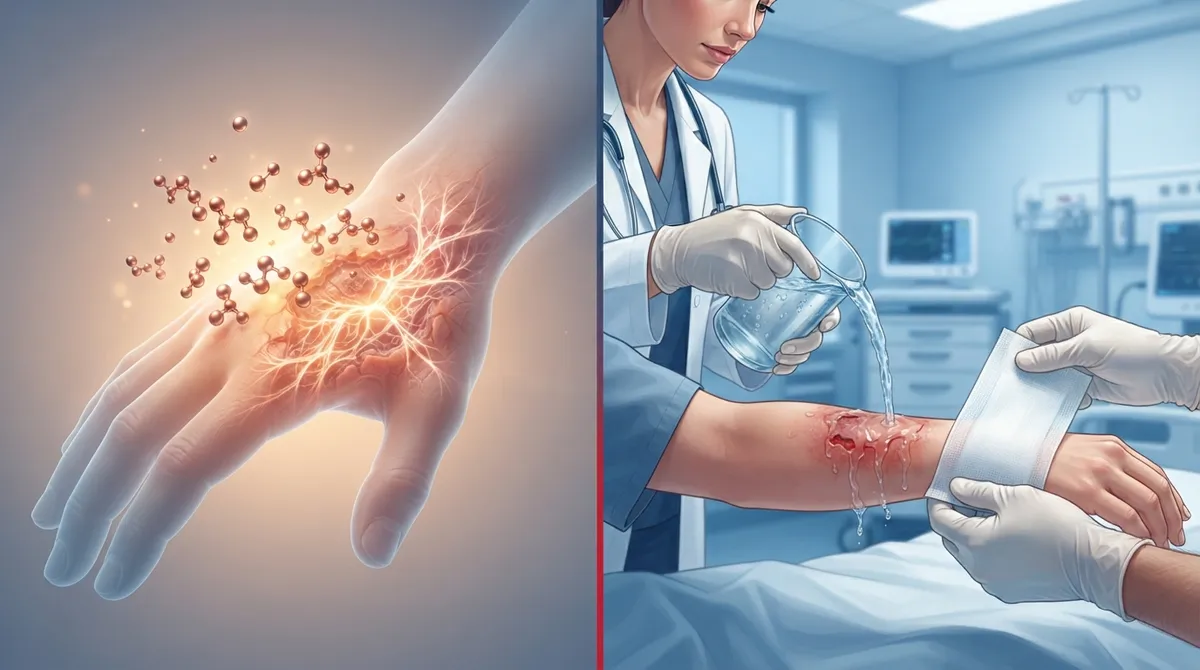
Key Takeaways
- GHK-Cu shows promise in lab and animal studies for wound healing through collagen production and blood vessel growth, but human evidence remains limited with fewer than 200 total participants studied, making it unsuitable as a primary burn treatment.
- Major burn care guidelines do not recommend GHK-Cu as standard treatment; immediate cooling, proper wound cleaning, appropriate dressing selection, and medical follow-up remain the proven first-line approach for all burns.
- Safety data for GHK-Cu on human burn wounds is limited; topical application may cause irritation on damaged skin and poses theoretical risks for people with copper sensitivities or certain health conditions, requiring provider consultation before use.
- A Phase 2 clinical trial with 60 participants began in 2026 to evaluate GHK-Cu's effectiveness, but results are pending and most existing evidence comes from a 1990s study, highlighting the need for modern large-scale human trials.
Burn wounds heal slowly and often leave lasting scars. This has led many patients to search for new ways to speed up recovery. One name that keeps coming up online is GHK-Cu, a copper peptide studied for skin repair. But does the science back up the buzz? This article breaks down what GHK-Cu is, what current research shows about burn wounds, and how it fits into a bigger picture of wound care and wellness. If you have a burn injury or want to understand skin recovery options, this guide will help you separate fact from hype.
What Is GHK-Cu and Why Does It Matter for Skin Repair?
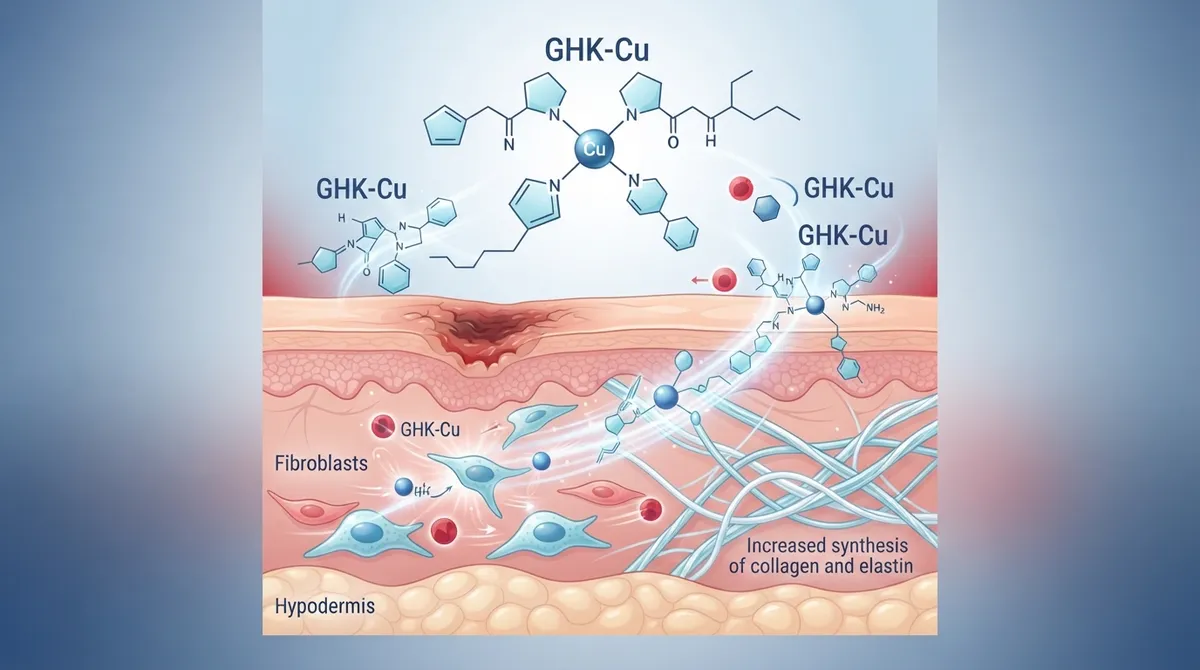
GHK-Cu is a copper peptide complex. It combines a small protein chain called GHK with a copper ion. This peptide occurs naturally in the human body, but its levels drop as we age. Scientists have studied GHK-Cu for decades because of its possible role in skin repair, collagen production, and wound healing.
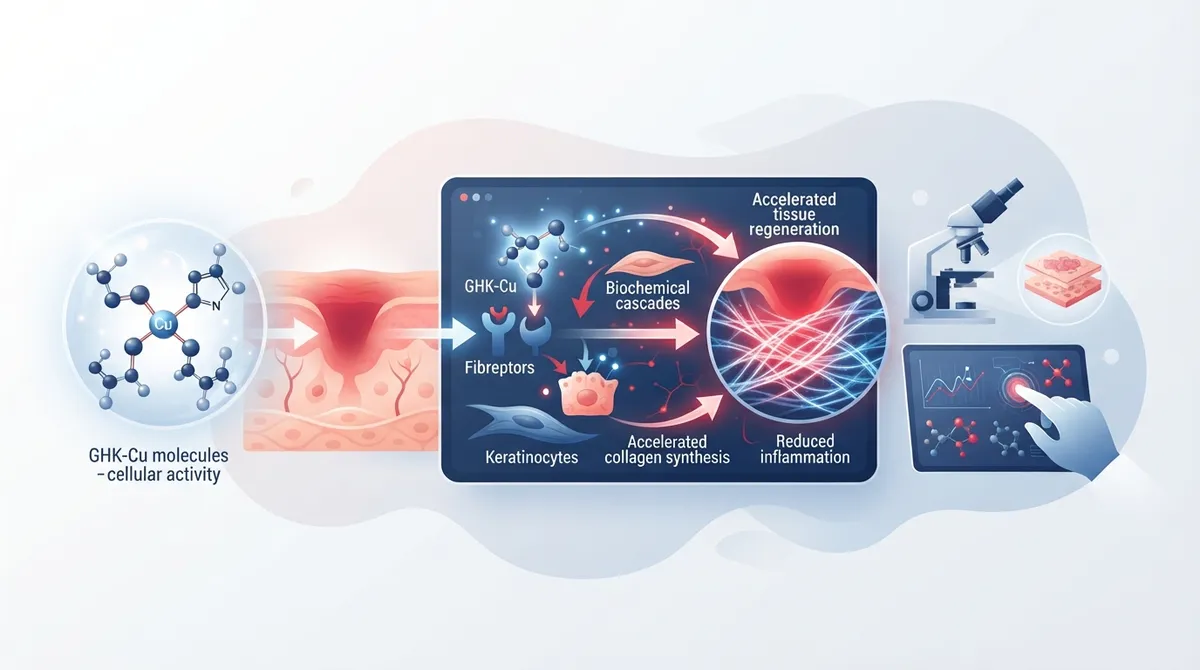
In lab and animal studies, GHK-Cu appears to support several steps in the healing process. These include forming new blood vessels, producing collagen, and helping skin cells move to close a wound. This has made it a topic of interest for burn care and general tissue repair.
At InCare, our primary care team stays current on emerging skin health research so patients get accurate, evidence-based guidance rather than marketing claims.
How GHK-Cu Works in the Body
GHK-Cu binds to copper and helps activate certain enzymes involved in tissue repair. Researchers believe it may:
- Support collagen and elastin production in skin tissue
- Encourage angiogenesis, or the growth of new blood vessels
- Help skin cells migrate to cover open wounds
- Act as an antioxidant that may reduce oxidative stress in damaged tissue
- Support the body's natural anti-inflammatory response during healing
These actions sound promising. But it is important to know the difference between lab results and proven human treatments.
What Does the Research Say About GHK-Cu and Burn Wounds?
The scientific picture on GHK-Cu and burns is still developing. Most of the strongest evidence comes from animal studies, not large human trials. Here is a summary of what has been found so far.
|
Study Type |
Key Finding |
Source |
|---|---|---|
|
Mouse scald wound model |
GHK-Cu-liposomes improved healing signals, including higher CD31 and Ki67 markers linked to blood vessel growth |
PubMed, 2017 |
|
Preclinical wound polymer study |
61.53% wound healing with GHK-Cu-encapsulated polymer vs. 42.30% with polymer alone |
PMC review |
|
Human wound-healing review |
Only one randomized controlled human trial has been published to date |
Clinical evidence summary |
|
Phase 2 acute wound trial |
60 participants, started February 2026, recruiting as of July 2026 |
ClinicalTrials.gov (NCT07437586) |
These numbers show a mixed picture. Preclinical data looks encouraging, but the human evidence base is small. Fewer than 200 people total have taken part in published human studies on GHK-Cu wound healing.
The 1990s Human Study: Still the Strongest Evidence
One review found that the best human data for GHK-Cu comes from a randomized, controlled wound study conducted in the 1990s. While this trial supported some benefit, it is decades old. Modern, larger studies are still limited. This gap matters when deciding how much weight to give GHK-Cu in burn care today.
Burn-Specific Animal Research
A notable study looked at GHK-Cu-liposomes in a mouse scald wound model. Researchers found improved healing markers compared to free GHK-Cu alone. While this is a helpful early signal, mouse skin heals differently than human skin. Burn injuries in people involve deeper tissue damage, infection risk, and scarring patterns that don't always match animal models.
Is GHK-Cu Recommended for Burn Care by Doctors?
Major burn care guidelines do not currently list GHK-Cu as a standard treatment. This reflects the limited clinical evidence available. Most wound care protocols rely on proven methods such as:
- Immediate cooling of the burn with clean, cool water
- Gentle cleaning to remove debris and reduce infection risk
- Proper wound dressing selection based on burn depth
- Pain management and monitoring for signs of infection
- Follow-up care to track healing progress and prevent complications
- Referral to a specialist for deep or large burns
GHK-Cu products may be marketed as adjunctive skin-repair aids, but they should not replace standard burn treatment. Anyone with a moderate to severe burn should seek prompt urgent care or emergency treatment first.
Where GHK-Cu Might Fit in a Wellness Plan
For minor skin concerns, post-procedure skin support, or general skin health goals, some patients explore copper peptide products as part of a broader wellness routine. This is different from using GHK-Cu as a primary burn treatment. If you're curious about skin-focused wellness options, a conversation with your provider can help set realistic expectations.
Is GHK-Cu Safe to Use on Damaged Skin?
Safety data specific to burn wounds in humans remains limited. Topical copper peptide products may cause mild irritation in some people, especially on broken or highly sensitive skin. There are also theoretical concerns about repeated copper exposure in people with certain health conditions.
Before trying any new skin product on a wound, especially a burn, consider these steps:
- Talk to a healthcare provider before applying anything to an open burn
- Watch for redness, swelling, or increased pain after application
- Avoid using unregulated or unverified peptide products
- Choose products with transparent ingredient sourcing and testing
- Stop use immediately if irritation develops
Who Should Be Extra Cautious?
People with copper sensitivities, certain metabolic conditions, or compromised immune systems should be especially careful. Pregnant or breastfeeding individuals should also check with their provider first. A quick visit to a trusted primary care clinic in Riverview or Tampa can help clarify whether a product or approach is appropriate for your situation.
How GHK-Cu Compares to Standard Wound Care Options
It helps to see how GHK-Cu stacks up against more established wound care approaches.
|
Approach |
Evidence Level |
Common Use |
|---|---|---|
|
Standard burn dressings |
Strong, widely used clinically |
First-line treatment for most burns |
|
Silver sulfadiazine creams |
Well established |
Infection prevention in burn wounds |
|
GHK-Cu topical gel |
Limited, mostly preclinical |
Investigational, adjunctive skin support |
|
Collagen-based dressings |
Moderate to strong |
Supporting tissue regeneration |
This comparison shows why GHK-Cu is best viewed as an area of ongoing research rather than a replacement for proven burn treatments.
Steps to Take If You Have a Burn Wound
Whether a burn is minor or more serious, following the right steps early can reduce complications and support better healing.
- Cool the burn with running water for several minutes
- Remove any tight clothing or jewelry near the area
- Cover the burn loosely with a clean, non-stick dressing
- Avoid ice, butter, or home remedies not approved by a provider
- Seek medical evaluation for burns larger than a few inches or on the face, hands, or joints
- Follow up with a provider to monitor healing and prevent infection
- Ask about scar management options once the wound has closed
For non-emergency burns or general skin concerns, scheduling a visit is simple. You can book an appointment online to get a professional evaluation.
Why Whole-Body Wellness Supports Better Healing
Wound healing depends on more than what you put on your skin. Nutrition, hydration, and overall health all play a role. Patients focused on skin recovery may also benefit from broader wellness support, such as IV hydration and vitamin therapy to support tissue repair from the inside out.
Other services that may complement skin and wound recovery include:
- DNA gene testing to understand personal health risk factors
- Body composition analysis to track overall health trends
- Cancer screenings for skin and overall health monitoring
- Routine primary care visits to catch and manage skin issues early
Choosing a Trusted Provider for Skin and Wound Concerns
Given the limited evidence behind GHK-Cu for burns, working with a knowledgeable provider matters. InCare's team of providers combines medical expertise with a personalized approach to help patients make informed choices about emerging treatments and proven care alike.
With locations in Tampa and Riverview, InCare offers convenient access for patients across the region. Whether you need urgent wound evaluation or want to discuss skin health as part of a wellness plan, our team is ready to help. You can also follow InCare on Facebook or check updates on Instagram for health tips and clinic news.
Many patients also share their experiences online. You can visit us on Google — InCare to read reviews from real patients about their care experience at our Tampa and Riverview locations.
Final Thoughts on GHK-Cu and Burn Wound Recovery
GHK-Cu shows promise in lab and animal research for wound healing. But when it comes to burn wounds specifically, human evidence remains limited. Standard burn care, including proper cleaning, dressing, and medical follow-up, remains the trusted approach. If you are curious about GHK-Cu or other emerging skin treatments, always talk to a provider first.
If you have a burn injury, skin concern, or simply want to build a stronger wellness plan, our team is here to help. Reach out to InCare today to schedule a visit and get personalized guidance backed by real medical expertise.
FAQs
Q: Does GHK-Cu help burn wounds heal faster?
A: Early lab and animal studies suggest GHK-Cu may support healing pathways like collagen production and blood vessel growth. However, human evidence specific to burn wounds is still limited, so it should not replace standard burn treatment.
Q: Is GHK-Cu safe to use on burns?
A: Safety data for burn-specific use in humans is limited. Topical products may cause irritation, and repeated copper exposure raises theoretical concerns for some individuals, so it's best to consult a provider before use.
Q: What is the evidence for GHK-Cu in wound healing?
A: The strongest human evidence comes from a randomized controlled trial published in the 1990s. Modern large-scale trials remain limited, with fewer than 200 total human subjects studied across available research.
Q: Are there clinical trials for GHK-Cu and burns?
A: A Phase 2 clinical trial studying topical GHK-Cu gel for acute skin wound healing began recruiting in February 2026 and enrolls 60 participants. This trial focuses on general acute wounds rather than burns specifically.
Q: Is GHK-Cu recommended by doctors for burn care?
A: Major wound-care guidelines do not currently list GHK-Cu as a standard burn treatment, reflecting the limited clinical evidence base. Standard burn care protocols remain the recommended approach for most patients.