
Key Takeaways
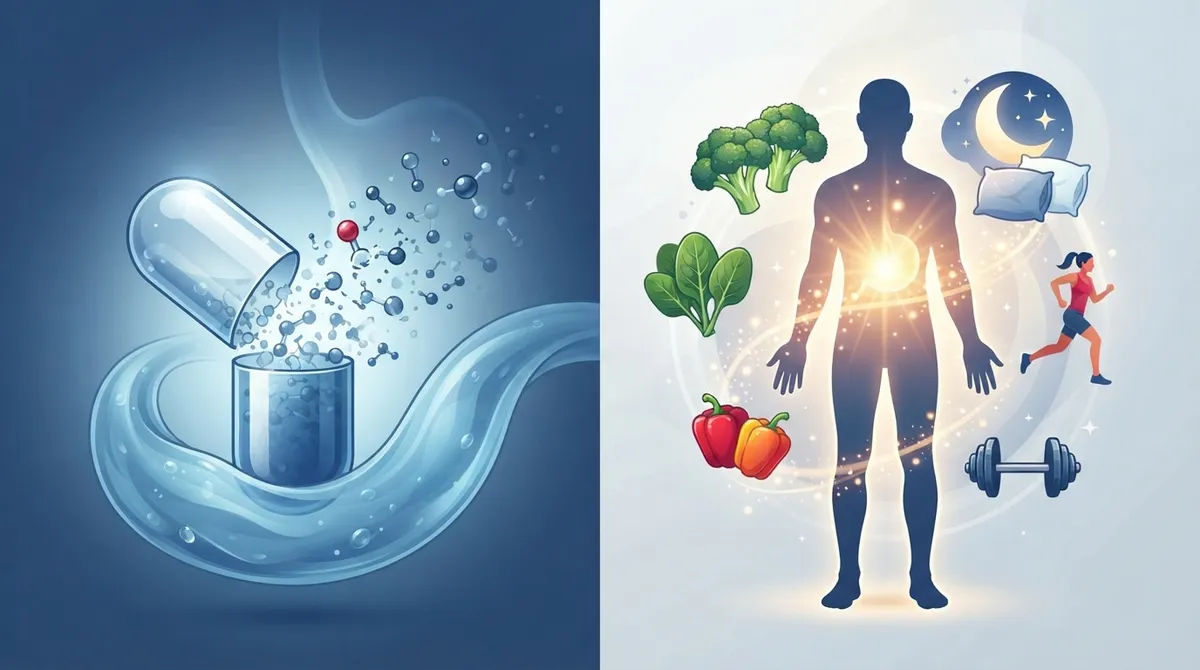
- Oral glutathione has inconsistent absorption due to digestive breakdown of peptides; a 2011 clinical trial showed no significant change in glutathione status even with consistent supplementation, while evidence for efficacy remains mixed across studies.
- IV glutathione carries serious safety risks including severe allergic reactions, liver injury, and kidney damage without standardized dosing or adequate evidence for wellness benefits, requiring medical supervision if considered.
- Glutathione may modestly improve skin hyperpigmentation with oral or topical use, but results vary significantly between individuals, study sizes are small, and benefits may fade after treatment stops.
- Your body naturally produces glutathione daily for detox and antioxidant functions, so supplements are not substitutes for basic liver care through limiting alcohol, eating well, and regular checkups.
- Lifestyle habits including adequate protein intake, varied diet rich in fruits and vegetables, regular exercise, quality sleep, and smoking cessation support natural glutathione production more reliably than supplements.
- Glutathione supplements are not established treatments for liver disease, diabetes, cardiovascular disease, or neurodegenerative conditions; consult a licensed clinician before use, especially if pregnant, breastfeeding, or managing chronic illness.
If you've spent any time browsing wellness clinics or scrolling health forums, you've probably seen glutathione called a "master antioxidant" that fixes everything from tired skin to sluggish energy. The truth is more nuanced. Glutathione is a real, well-studied molecule your body makes every day, and it plays a genuine role in protecting your cells. But not every claim floating around the wellness world holds up under scientific scrutiny.
This guide breaks down what glutathione actually does, what the research really shows, and how to think about supplements, IV drips, and skin treatments with a clear head. Whether you're a busy parent trying to keep your family healthy or someone exploring advanced wellness options, understanding the real evidence matters. At InCare, our providers in Tampa and Riverview help patients separate wellness trends from proven medicine, so you can make informed choices about your health.

1. Glutathione Supports Your Body's Natural Detox System
Glutathione (GSH) is made from three amino acids: cysteine, glutamate, and glycine. Your liver and other tissues produce it constantly. It helps your body process and clear out toxins, including certain medications and environmental chemicals.
This detox role is real and well documented. However, having a healthy liver already means your body is handling this process on its own. Supplements are not a substitute for basic liver care, which includes limiting alcohol, eating well, and getting regular checkups through primary care services.
2. It Helps Maintain Cellular Redox Balance
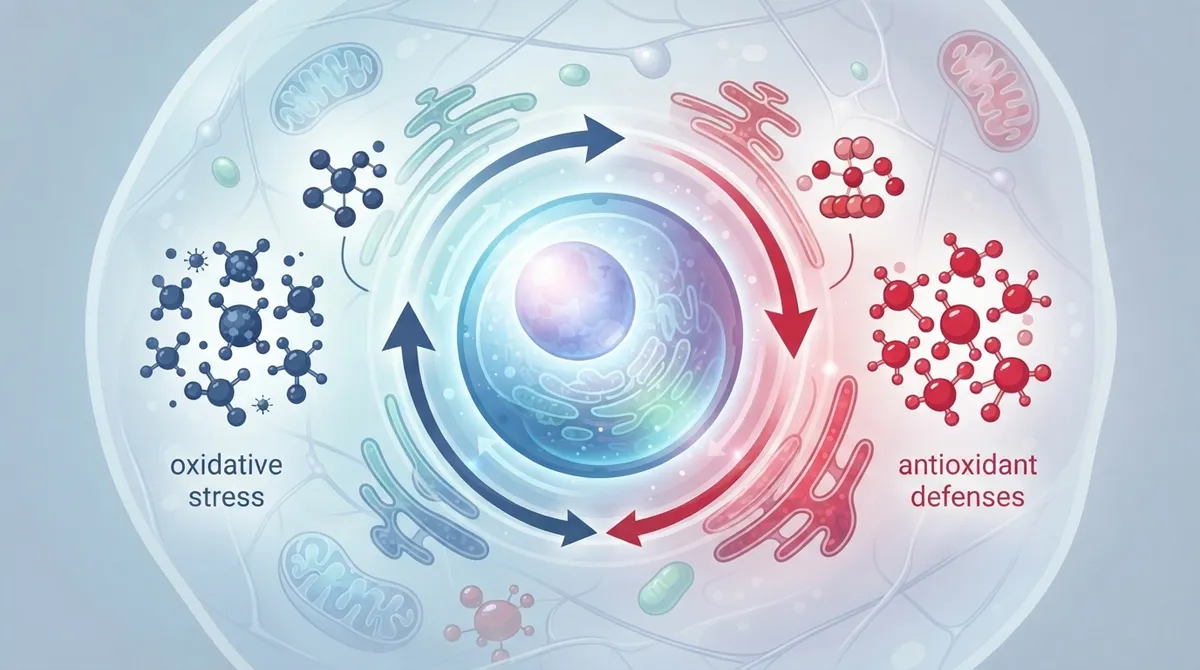
Every cell in your body deals with oxidative stress. This happens when unstable molecules called free radicals build up faster than your body can neutralize them. Glutathione acts as one of your main internal defenses against this imbalance.
Maintaining this balance supports healthy aging and normal cell function. That said, having balanced oxidative stress does not mean glutathione supplements will reverse aging or prevent disease in someone who is already healthy. The mechanism is real, but the leap to broad anti-aging claims is not supported by strong clinical evidence.
3. Research on Oral Glutathione Shows Mixed Results
Many people assume that swallowing a glutathione pill will directly raise their glutathione levels. The science says it's complicated.
A 2011 randomized clinical trial in healthy adults tested oral glutathione supplementation over several months. The results showed no significant change in glutathione status, lipid peroxidation, or DNA-adduct markers, even though participants took the supplement consistently and reported few side effects.
Other studies tell a different story. Longer or higher-dose research has shown some increases in body glutathione stores. Doses in these studies commonly range from 250 mg to 1,000 mg per day. But there is no universally agreed-upon dose or formulation that reliably works for everyone.
Why Absorption Is the Real Challenge
Glutathione is a peptide, meaning it's made of linked amino acids. Your digestive system tends to break down peptides before they can be absorbed intact. This is a major reason oral forms have inconsistent results.
A 2024 trial testing a micellar (specially formulated) glutathione product at 600 mg per day reported improved bioavailability compared to a standard preparation. Liver function markers, including ALT, AST, ALP, and creatinine, showed no significant changes after 30 days. Still, the researchers noted that longer-term benefits were not established.
4. Glutathione May Support Skin Tone, But Results Are Modest
This is one of the most talked-about uses of glutathione, especially for hyperpigmentation and skin brightening. Small studies suggest it may help.
A 2017 clinical study found that 250 mg per day of oral glutathione, in reduced and oxidized forms, influenced certain skin measures in middle-aged women. The study was small and well tolerated, but it does not prove broad anti-aging benefits.
A 2025 systematic review of topical glutathione research found some evidence of improvement in hyperpigmentation. However, the review concluded that safety and efficacy data remain limited, and randomized evidence is still inconclusive.
- Results vary significantly between individuals
- Benefits may fade once treatment stops
- Study sizes are generally small
- Long-term skin safety data is limited
- No form of glutathione should be marketed as a proven anti-aging fix
5. IV Glutathione Carries Real Safety Concerns
Intravenous glutathione has become popular in some wellness settings, often promoted for skin lightening or general detox. This is the form that deserves the most caution.
Evidence for general wellness or skin lightening benefits from IV glutathione is inadequate. Dosing has not been standardized across providers or studies. More concerning, reported risks include severe allergic reactions, liver injury (hepatotoxicity), kidney damage, and serious skin reactions.
A 2025 review of glutathione in dermatology found that oral and topical products have more favorable safety profiles compared to IV formulations. IV use has been linked to serious adverse events without a track record of standardized, safe protocols.
|
Form |
Absorption |
Safety Profile |
Evidence Quality |
|---|---|---|---|
|
Oral |
Limited, variable |
Generally well tolerated |
Mixed, inconsistent |
|
Topical |
Localized to skin |
Better tolerated than IV |
Small studies, modest results |
|
IV/Injection |
Direct, high |
Meaningful safety concerns |
Inadequate, not standardized |
If you're considering any form of glutathione therapy, it should only happen under the supervision of a qualified clinician. Our team offers IV hydration and vitamin drip services with proper medical oversight, so questions about safety and appropriateness are addressed before treatment begins.
6. Common Side Effects and Who Should Avoid Supplements
Oral glutathione supplements are generally considered mild in terms of side effects. The most commonly reported issue is gastrointestinal discomfort, which is usually temporary.
However, long-term safety data remain limited. Certain groups should talk to a clinician before starting any glutathione product:
- People who are pregnant or breastfeeding
- Those with significant liver or kidney disease
- Individuals with asthma
- Patients on medications that may interact with antioxidant supplements
- Anyone undergoing active cancer treatment
These precautions exist because glutathione affects drug metabolism pathways and immune function. A conversation with your primary care provider can help you understand whether a supplement makes sense given your specific health history.
7. Natural Ways to Support Glutathione Production
Instead of relying solely on supplements, several lifestyle habits support your body's own glutathione production. These foundational measures matter more than most people realize.
- Eat adequate protein, since glutathione is built from amino acids
- Include a varied diet rich in fruits and vegetables
- Exercise regularly to support cellular health
- Prioritize consistent, quality sleep
- Quit smoking, which depletes antioxidant reserves
- Manage chronic conditions like diabetes or high blood pressure
N-acetylcysteine (NAC), a precursor to glutathione, is sometimes discussed as a natural booster. While NAC has some clinical research behind it for specific uses, it should still be approached with guidance from a healthcare provider rather than as a casual wellness add-on.
8. Glutathione Is Not a Substitute for Evidence-Based Treatment
It's important to be clear about what glutathione supplements can and cannot do. They are not established replacements for approved treatments of liver disease, diabetes, cardiovascular disease, neurodegenerative disease, infections, or cancer.
A 2023 pharmacology review looked at glutathione's role in conditions like Parkinson's disease and fatty liver disease. The findings described the clinical evidence as limited, with conflicting oral study results and no established routine indication in primary care.
Claims about detoxification, immune boosting, energy enhancement, or disease prevention should always be viewed with healthy skepticism until backed by stronger clinical outcome data. If you're managing a chronic condition, working with a provider who understands how primary doctors help manage chronic illnesses is a far more reliable path than relying on unproven supplements alone.
9. How to Approach Glutathione Wellness Safely
If you're curious about glutathione, the smartest first step is a conversation with a licensed clinician who can review your health history and goals. Here's a simple process to follow:
- Schedule a wellness visit to discuss your specific health goals
- Ask your provider about realistic expectations for any supplement or therapy
- Request appropriate lab work if you have underlying conditions
- Discuss dosage, form, and duration based on current evidence
- Monitor for side effects and follow up as recommended
This approach protects you from wasting money on unproven treatments and, more importantly, from potential health risks. Our providers in Tampa and Riverview can walk you through options during a wellness visit tailored to your needs.
Comparing Glutathione Forms at a Glance
|
Factor |
Oral Supplements |
Topical Products |
IV/Injectable |
|---|---|---|---|
|
Best studied use |
General antioxidant support |
Skin tone, hyperpigmentation |
Not well established |
|
Typical dose range |
250-1,000 mg/day |
Varies by product |
Not standardized |
|
Risk level |
Low, mild GI effects |
Low to moderate |
Higher, requires supervision |
|
Clinical consensus |
Mixed evidence |
Modest, inconsistent |
Insufficient, concerning |
Whole-body wellness works best when it's grounded in evidence rather than trends. If you're exploring DNA gene testing or body composition analysis to better understand your baseline health, these tools can offer more actionable insight than an unproven supplement regimen. Many patients in Tampa and Riverview also explore our medical weight loss programs as part of a broader plan to support metabolic health, which naturally complements antioxidant balance.
You can also see how other patients describe their experience with our clinics by checking our Facebook community or following wellness tips on Instagram. For quick video explainers on topics like this, our TikTok channel breaks down complex wellness topics into simple, digestible content.
Making an Informed Decision About Glutathione
Glutathione plays a real and important role in your body's antioxidant defenses, detox pathways, and immune function. But the wellness industry has sometimes overstated what supplements, IV drips, and topical products can deliver. The strongest evidence supports modest effects on skin pigmentation with oral or topical use, while IV formulations carry safety risks that outweigh unproven benefits for most people.
The best approach is grounded in medical guidance, not marketing claims. Our team at InCare, with locations in Tampa and Riverview, focuses on giving patients accurate, judgment-free information about wellness trends like this one. We combine evidence-based primary care with advanced diagnostic tools, so you get a full picture of your health rather than a quick fix.
Ready to talk through your wellness goals with a provider who values evidence over hype? Book your appointment today and get personalized guidance backed by real clinical expertise. You can also see what our patients are saying by visiting our InCare location profile — Visit us on Google — InCare — where hundreds of reviews reflect our commitment to honest, effective care. If you have questions before your visit, feel free to reach out to our team anytime.
FAQs
Q: What is glutathione and what does it do in the body?
A: Glutathione is a natural antioxidant made from three amino acids: cysteine, glutamate, and glycine. It supports cellular protection, helps process toxins and medications, and contributes to healthy immune and mitochondrial function.
Q: Does oral glutathione actually increase glutathione levels?
A: Evidence is mixed. Some studies show no meaningful change in glutathione status after oral supplementation, while others using higher doses or longer durations report modest increases. Absorption remains a key challenge since glutathione is a peptide that can break down during digestion.
Q: Are glutathione injections safe for wellness or skin lightening?
A: IV glutathione carries meaningful safety concerns, including reports of severe allergic reactions, liver injury, and kidney damage. Dosing is not standardized, and evidence for wellness or skin lightening benefits remains inadequate, so this form should only be considered under medical supervision.
Q: Can glutathione improve skin tone or reduce hyperpigmentation?
A: Small studies suggest oral or topical glutathione may modestly improve hyperpigmentation or skin brightness. However, results vary between individuals, study sizes are generally small, and any benefits may not last once treatment stops.
Q: Who should avoid glutathione supplements?
A: People who are pregnant or breastfeeding, those with significant liver or kidney disease, individuals with asthma, and patients on interacting medications or active cancer treatment should consult a qualified clinician before use.