

Key Takeaways
- Injectable GHK-Cu lacks FDA approval and robust human safety trials—no powered randomized controlled trials exist evaluating adverse events, making it an unproven treatment despite preclinical interest.
- Topical GHK-Cu in skincare is cosmetically safe, but injectable forms are entirely different regulatory categories with separate oversight; cosmetic approval does not validate therapeutic use for recovery.
- Athletic recovery should prioritize proven interventions like proper hydration, sleep, nutrition, and medical evaluation rather than unproven peptide trends; consult a licensed clinician before considering GHK-Cu.
- Competitive athletes should verify current WADA rules and their sport's governing body before use, as GHK-Cu currently doesn't appear on prohibited lists but regulations can change.
Athletes and active adults are always searching for ways to bounce back faster after tough workouts. GHK-Cu has become a buzzword in wellness circles, often mentioned alongside recovery peptides and skin treatments. But what does the science actually say about GHK-Cu athletic recovery, and is it something you should discuss with your doctor? This guide breaks down the facts in plain language, so you can make an informed decision about your health.
At InCare, our Tampa and Riverview clinics focus on prevention and whole-body wellness backed by real science. Before trying any trending peptide or recovery product, it helps to understand what GHK-Cu is, what it may do, and where the evidence still falls short. Let's walk through nine key facts every wellness-minded reader should know in 2026.
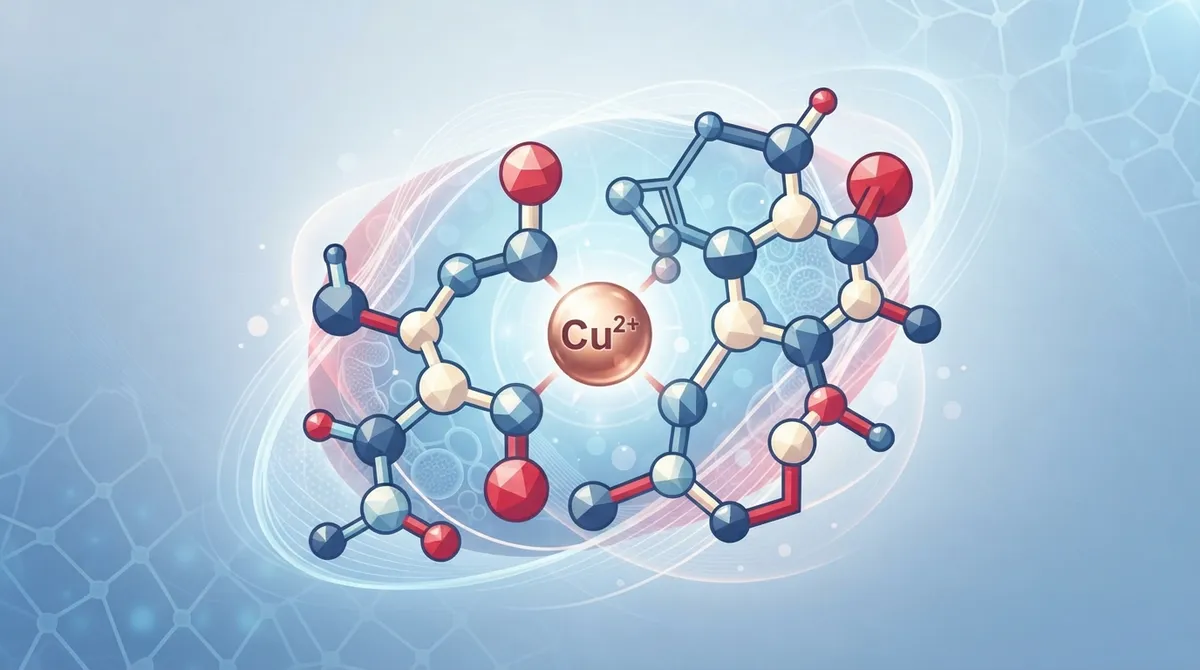
1. What Is GHK-Cu, Exactly?
GHK-Cu stands for glycyl-L-histidyl-L-lysine copper. It is a small, naturally occurring copper-binding peptide found in human plasma, saliva, and urine. Levels of this peptide are highest in youth and tend to decline as we age.
A 2018 peer-reviewed review described GHK-Cu as a tri-peptide that is released from tissue after injury. This is part of why it draws interest in recovery and wound-healing conversations. Researchers have studied its role in tissue remodeling for decades, but human sports-medicine data remains limited.
2. Why Athletes Are Curious About GHK-Cu
Active individuals are drawn to anything that promises faster healing after strain, soreness, or minor injury. GHK-Cu is often discussed for its potential to support:
- Connective tissue repair after strenuous exercise
- Soft tissue healing following minor injuries
- Modulation of inflammation post-workout
- Collagen synthesis, which supports skin and tissue structure
- General tissue remodeling processes in the body
These are proposed benefits based on preclinical and mechanistic research, not confirmed outcomes from large human trials. That distinction matters when deciding how to approach your own recovery routine.
3. The Evidence Gap Athletes Should Understand
It's important to be clear-eyed about where the science currently stands. The strongest published support for GHK-Cu is preclinical, meaning it comes from lab and animal studies rather than robust human sports-medicine trials.
Public safety reviews from 2026 note there are no powered randomized controlled trials evaluating adverse events for injectable GHK-Cu in humans. This means we simply do not have the large-scale, controlled data that would confirm safety or effectiveness for athletic recovery purposes.
4. Topical vs. Injectable GHK-Cu: A Critical Difference
One of the most common points of confusion involves how GHK-Cu is used. Topical GHK-Cu is widely available in skincare products, while injectable forms are marketed separately for wellness or recovery goals. These two uses are not interchangeable.
|
Form |
Common Use |
Regulatory Status |
|---|---|---|
|
Topical GHK-Cu |
Skincare, cosmetic products |
Reviewed as safe in cosmetics at 0.05%-1% concentrations (2018 Cosmetic Ingredient Review) |
|
Injectable GHK-Cu |
Wellness, proposed recovery support |
No FDA-approved drug product exists for therapeutic use |
Just because a topical version is considered safe in cosmetics does not mean an injectable version is proven or approved for athletic recovery. These are separate regulatory categories with very different levels of oversight.
5. Is GHK-Cu FDA-Approved for Athletic Recovery?
No. Public regulatory summaries confirm there is no FDA-approved GHK-Cu drug product for therapeutic use as of 2026. This means injectable GHK-Cu exists in a regulatory gray area, and it is not sanctioned as a treatment for athletic recovery by major medical regulators.
Any clinic or provider offering injectable GHK-Cu should be transparent about this status. Patients deserve honest information before considering any peptide therapy.
6. Can Athletes Legally Use GHK-Cu?
This is a common question among competitive athletes. Public sports-compliance summaries from 2026 indicate GHK-Cu does not currently appear on the World Anti-Doping Agency's Prohibited List. However, rules can change, and governing bodies vary in their interpretations.
Here are three steps any competitive athlete should take before considering GHK-Cu:
- Check the current list published by your sport's governing body.
- Confirm the product's exact formulation and sourcing.
- Speak with a licensed physician before starting any peptide regimen.
Rules around supplements and peptides can shift quickly, so verifying compliance before use is essential for anyone in organized sports.
7. Safety Concerns With Injectable GHK-Cu
Because injectable GHK-Cu is not FDA-approved and lacks large safety trials, caution is warranted. Some general safety considerations include:
- Limited human data on long-term effects of injectable use
- Unknown sourcing and purity standards for many products sold online
- Possible injection-site reactions or irritation
- Unclear interactions with other medications or supplements
- No standardized dosing guidelines backed by clinical trials
Anyone considering this peptide should talk to a licensed clinician first. A qualified provider can help weigh the potential benefits against the real, current gaps in safety data.
8. Does GHK-Cu Help With Tendon or Ligament Healing?
Tendon and ligament injuries are common frustrations for active people. Some early laboratory research suggests copper peptides may play a role in connective tissue remodeling. But this research has not translated into confirmed clinical outcomes for tendon or ligament recovery in humans.
If you're dealing with a nagging tendon or ligament issue, a comprehensive evaluation is usually more useful than jumping straight to an unproven peptide. Our primary care team can help identify the root cause of your discomfort and build a recovery plan grounded in established medical practice.
9. How InCare Approaches Recovery and Wellness
At InCare, we believe recovery should be built on a foundation of proven, personalized care rather than trends alone. Our Tampa and Riverview clinics offer services designed to support your body's natural healing and performance, including:
- IV hydration and vitamin drips to replenish fluids and nutrients after intense activity
- Body composition analysis using 3D imaging to track progress over time
- Metabolic breath analysis to understand how your body uses energy
- DNA gene testing for personalized insight into your health predispositions
Our providers, including those featured on our providers page, take time to understand your goals before recommending any treatment. This includes discussing emerging options like peptide therapy in Tampa in an honest, medically responsible way.
Comparing Recovery Approaches
Choosing a recovery strategy often comes down to weighing evidence, safety, and your personal goals. The table below outlines how different approaches stack up.
|
Approach |
Evidence Level |
Regulatory Status |
Typical Use |
|---|---|---|---|
|
Topical GHK-Cu skincare |
Established for cosmetic use |
Cosmetic ingredient, reviewed safe |
Skin health, minor wound support |
|
Injectable GHK-Cu |
Preclinical/mechanistic |
Not FDA-approved |
Proposed recovery, unproven in humans |
|
IV hydration therapy |
Well-established clinically |
Standard medical practice |
Rehydration, nutrient replenishment |
|
Primary care evaluation |
Gold-standard clinical care |
Fully regulated medical practice |
Diagnosis, personalized treatment plans |
Questions to Ask Before Trying Any Peptide Therapy
Before starting GHK-Cu or any other peptide for recovery, consider asking your provider these questions:
- What human clinical evidence supports this specific use?
- Is this product FDA-approved, and if not, what does that mean for me?
- What are the known side effects and interaction risks?
- How is the product sourced and tested for purity?
- Are there proven alternatives that could achieve similar goals?
A trustworthy provider will answer these questions honestly, even if the answer is that more research is needed. This transparency is part of responsible, whole-body wellness care.
Building a Well-Rounded Recovery Plan
Athletic recovery doesn't have to depend on unproven trends. A well-rounded plan often includes proper hydration, sleep, nutrition, and medical guidance tailored to your body. Our team can help you explore options like weight loss programs, cancer screenings, and preventive visits that support long-term health, not just short-term fixes.
Many patients also find value in reading about related topics, such as what happens during an annual wellness visit or how to make preventive care work for your health. These resources can help you understand how routine care fits into your overall recovery and wellness strategy.
You can also follow our latest wellness tips and clinic updates on Facebook, Instagram, and TikTok for practical, doctor-reviewed information.
Why Choose InCare for Your Recovery and Wellness Needs
InCare has built a strong reputation across Tampa and Riverview for combining advanced technology with genuine medical expertise. Patients consistently praise our friendly staff and knowledgeable providers, and you can visit us on Google — InCare to read real patient experiences and reviews.
Whether you're an athlete chasing faster recovery or simply someone who wants to feel your best, our team can guide you through evidence-based options. We never push unproven treatments without a full, honest conversation about risks and benefits.
Conclusion
GHK-Cu is an interesting peptide with a long history in skin research and growing curiosity in athletic recovery circles. But injectable use for recovery remains unproven in humans, unapproved by the FDA, and short on large safety studies. The smartest move is to talk with a licensed clinician who can review your specific health history and recovery goals.
Ready to build a recovery plan grounded in real medical expertise? Book your appointment with InCare today and let our Tampa and Riverview team help you recover smarter, not just faster.
FAQs
Q: What is GHK-Cu and how does it work?
A: GHK-Cu is a naturally occurring copper-binding peptide found in human plasma and tissues. It is thought to support collagen synthesis and tissue remodeling, though most supporting evidence comes from preclinical and mechanistic research rather than large human trials.
Q: Does GHK-Cu help with muscle recovery after workouts?
A: Proposed benefits include support for tissue repair and inflammation modulation after exercise. However, there is no strong human sports-medicine evidence confirming these effects specifically for muscle recovery.
Q: Is GHK-Cu safe for injection?
A: Safety data for injectable GHK-Cu in humans is limited, and no powered randomized controlled trials exist to evaluate adverse events. Anyone considering injectable use should consult a licensed clinician first.
Q: Is GHK-Cu FDA-approved for athletic recovery?
A: No. As of 2026, there is no FDA-approved GHK-Cu drug product for therapeutic use, and injectable forms remain in a regulatory gray area.
Q: Can athletes legally use GHK-Cu?
A: Public 2026 sports-compliance summaries indicate GHK-Cu does not appear on the current WADA Prohibited List, but athletes should always verify current rules with their governing body before use.