

Key Takeaways
- A 2024 randomized controlled trial showed that 0.1% topical GHK-Cu cream reduced fine lines and improved skin elasticity over 12 weeks in women aged 40-65, making it the most scientifically supported application.
- Topical GHK-Cu typically requires 12 weeks of consistent use to show meaningful results, with subtle texture improvements appearing around weeks 3-6 and more noticeable changes in fine lines by week 8-12.
- Hair growth claims lack strong evidence; most support comes from combination protocols rather than GHK-Cu alone, so established hair restoration treatments may be more reliable for thinning concerns.
- Injectable and systemic GHK-Cu remain experimental with limited safety data, while topical formulations are well-documented and the safest option, producing mild side effects like redness or itching in only 5-10% of users.
- Product concentration matters significantly; the clinically tested 0.1% concentration produced measurable results, but many over-the-counter products lack regulated concentrations and may be ineffective or irritating.
- Working with a healthcare provider to evaluate product quality, formulation stability, and personal skin sensitivity helps avoid ineffective products and ensures safe use alongside complementary wellness strategies.
Copper peptide serums have taken over skincare shelves, wellness clinics, and social media feeds. But does GHK-Cu work, or is it just another trendy ingredient with big claims and small results? This question matters if you are spending money on peptide creams or considering a clinic-supervised skin treatment plan. Whether you are a busy parent looking for quick answers, a wellness-focused professional exploring advanced skin care, or a young adult curious about prevention-first beauty routines, understanding the real science behind GHK-Cu helps you make smarter choices. This guide breaks down what current research actually shows, what side effects to expect, and how a primary care and wellness clinic can help you use this peptide safely and effectively.
1. What Is GHK-Cu and Why Is It Popular in 2026?
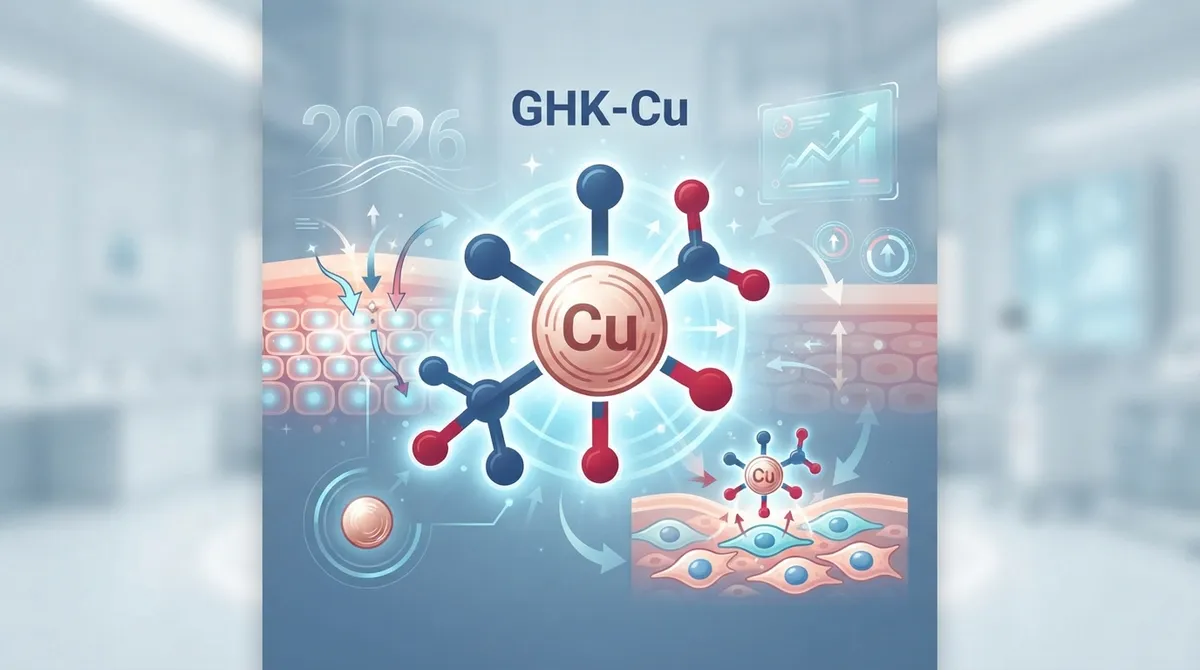
GHK-Cu is a small copper-binding molecule your body makes naturally. It is called a tripeptide because it contains three amino acids joined together. Scientists have studied this compound for decades because it plays a role in skin repair, tissue healing, and reducing inflammation.
As people age, natural GHK-Cu levels in the body drop. This decline is one reason researchers became interested in whether adding it back through creams or serums could support healthier-looking skin. Today, GHK-Cu shows up in anti-aging products, wound care research, and even some wellness clinic treatment menus.
At InCare, our primary care team often fields questions about trending peptides like this one. Patients want to separate real science from marketing hype, and that is exactly what this article aims to do.
2. Does GHK-Cu Work for Wrinkles and Fine Lines?
This is the question most people ask first, and the answer is encouraging. Topical GHK-Cu has the strongest human evidence of any use for this peptide. A 2024 randomized controlled trial gave 60 women between ages 40 and 65 a 0.1% topical GHK-Cu cream for 12 weeks.
The results showed meaningful wrinkle reduction and improved skin elasticity. Researchers measured these changes using standard skin assessment tools, not just participant opinions. This kind of controlled study carries real weight because it removes guesswork and bias.
Here is what the research suggests GHK-Cu may help with when applied topically:
- Reducing the appearance of fine lines
- Improving skin firmness and elasticity
- Supporting collagen-related skin outcomes
- Calming visible signs of skin stress
- Helping skin look smoother over time
Keep in mind these results came from small clinical studies. More research is still needed to confirm long-term outcomes across different skin types and ages.
3. Does GHK-Cu Help With Hair Growth?
This is where the evidence gets much weaker. Many products marketed for hair growth include copper peptides, but standalone human trials are limited. Most support comes from lab studies or combination protocols rather than GHK-Cu used alone.
A 2025 retrospective scalp study looked at a combination protocol that included copper peptides. It reported a median 26.5% top-scalp area regrowth across five monthly sessions. However, this study combined several treatments together, so it is hard to know how much GHK-Cu contributed on its own.
If hair thinning is a concern, it may help to explore options through a clinic offering hair restoration services backed by more established treatment protocols. A trained provider can help you understand which approach has the strongest evidence for your specific situation.
4. Topical vs. Injectable GHK-Cu: Which Is Better?
Not all GHK-Cu delivery methods are equal in terms of evidence and safety. Here is a comparison to help you understand the differences.
|
Delivery Method |
Evidence Level |
Common Use |
Safety Profile |
|---|---|---|---|
|
Topical Cream/Serum |
Strongest human evidence |
Wrinkle reduction, skin firmness |
Well documented, mostly mild reactions |
|
Injectable/Systemic |
Limited, mostly experimental |
Explored in wellness settings |
Thinner safety data available |
|
Combination Protocols |
Mixed, depends on other ingredients |
Hair regrowth support |
Varies by formulation |
Topical GHK-Cu remains the most studied and most supported option for skin-related goals. Systemic or injectable use is not well established in mainstream primary care and wellness settings. Effectiveness and safety data for injectable forms are much thinner compared to topical applications.
5. What Side Effects Should You Expect?
Like any active skincare ingredient, GHK-Cu can cause reactions in some people. The good news is that most reported side effects are mild and local to the skin.
Published topical-formulation studies report local adverse reactions in approximately 5-10% of participants. These reactions are usually manageable and temporary. Here are the most commonly reported issues:
- Mild redness at the application site
- Skin irritation, especially with higher concentrations
- Itching that typically fades with continued use or lower dosing
- Stinging sensation immediately after application
- Rare cases of contact dermatitis in sensitive skin types
If you experience persistent irritation, it is wise to stop use and speak with a healthcare provider. A quick visit through urgent care can help address any unexpected skin reactions that do not resolve on their own.
6. Is GHK-Cu Safe to Use on Your Face?
For most healthy adults, topical GHK-Cu applied to the face appears safe when used as directed. The key factors that affect safety include product concentration, formulation quality, and individual skin sensitivity.
Peptide stability matters a lot. If a product is poorly formulated or stored incorrectly, the peptide may break down before it even reaches your skin. This can reduce effectiveness and potentially increase irritation from other ingredients in the formula.
Before starting any new skincare regimen, especially one involving active peptides, it helps to talk with a provider who understands your full health picture. This is particularly important if you have sensitive skin, existing dermatological conditions, or are using other topical treatments.
7. How Long Does GHK-Cu Take to Work?
Patience is important with any peptide-based skincare product. The 2024 clinical trial mentioned earlier used a 12-week timeline to measure meaningful results. This matches what many skincare experts recommend as a realistic timeframe.
Here is a general timeline you might expect when using topical GHK-Cu consistently:
- Weeks 1-2: Skin may feel more hydrated, minimal visible change
- Weeks 3-6: Some improvement in skin texture may appear
- Weeks 8-12: More noticeable changes in fine lines and firmness
- Beyond 12 weeks: Continued use may maintain or build on early results
Results vary based on skin type, age, product concentration, and consistency of use. Claims promising overnight transformation or dramatic reversal of aging are not supported by strong clinical evidence.
8. Can Primary Care and Wellness Clinics Help With GHK-Cu Decisions?
Yes, and this is where working with a knowledgeable clinic makes a real difference. Product quality, concentration, and formulation all affect whether a copper peptide product will actually deliver results. Without guidance, it is easy to buy something ineffective or poorly made.
At InCare, our providers, including Dr. Naveen Paddu and Dr. Pramjeet Ahluwalia, take a whole-body approach to wellness. This means looking beyond just the product label and considering your skin history, overall health, and realistic goals before recommending any peptide-based treatment.
Our clinics in Tampa and Riverview also offer complementary services that support skin health from the inside out, such as DNA gene testing to understand your skin's genetic predispositions and IV hydration and vitamin drips to support overall skin hydration and cellular health. Combining evidence-based topical treatments with whole-body wellness strategies tends to produce more sustainable results than relying on a single product alone.
Many patients also appreciate connecting with our team on social platforms to see real patient experiences and educational content. You can follow along on Facebook, check out skin health tips on Instagram, or watch quick wellness explainers on Tik Tok.
What Concentration of GHK-Cu Actually Matters?
Concentration plays a big role in whether a product works as intended. The clinical study referenced earlier used a 0.1% concentration, which produced measurable results over 12 weeks. Products with much lower concentrations may not deliver the same benefit, while excessively high concentrations could increase irritation risk without added benefit.
Since GHK-Cu is not tightly regulated in over-the-counter cosmetics, labels do not always reflect what clinical trials actually tested. This is one more reason working with a wellness-focused provider can help you avoid wasting money on ineffective formulations.
Why Choose a Trusted Clinic for Wellness Guidance
Deciding whether GHK-Cu belongs in your skincare or wellness routine should not be a guessing game. InCare combines medical expertise with advanced technology to help patients make informed choices about trending treatments like copper peptides. Our team serves patients across Tampa and Riverview, Florida, with a focus on prevention, whole-body health, and honest guidance rather than hype.
Curious what other patients think of their experience? You can visit us on Google — InCare to read real reviews from people in our community. With a strong reputation built on trust and results, InCare remains a leading choice for anyone exploring wellness treatments backed by real science.
Conclusion: Making an Informed Choice About GHK-Cu
So, does GHK-Cu work? For skin-related goals like reducing fine lines and improving firmness, the evidence is genuinely promising, especially with topical use. For hair growth or injectable applications, the science is still catching up, and claims of dramatic results deserve healthy skepticism.
The best path forward is getting personalized guidance rather than relying on marketing claims alone. If you are ready to explore whether GHK-Cu or other wellness treatments fit your health goals, our team is here to help. Reach out to our care team today to discuss your options, or go ahead and schedule your appointment now to start your personalized wellness journey with InCare.
FAQs
Q: Does GHK-Cu really work for wrinkles?
A: Yes, current evidence supports this use. A 2024 randomized controlled trial found meaningful wrinkle reduction and improved skin elasticity after 12 weeks of 0.1% topical GHK-Cu cream in women aged 40 to 65. This makes topical use the most well-supported application of this peptide.
Q: Does GHK-Cu help hair growth?
A: The evidence here is much weaker than for skin benefits. Most support comes from combination protocols or preclinical studies rather than standalone human trials on GHK-Cu alone. A 2025 study showed regrowth results, but it used copper peptides alongside other treatments, making it hard to isolate GHK-Cu's individual effect.
Q: What are the side effects of GHK-Cu?
A: The most commonly reported side effects are mild, local skin reactions such as redness, irritation, itching, or stinging. Published studies report these reactions in approximately 5 to 10 percent of participants, and they are usually temporary and manageable.
Q: How long does it take for GHK-Cu to work?
A: Clinical research suggests meaningful results typically appear after about 12 weeks of consistent use. Some people may notice subtle changes in skin texture earlier, but significant improvements in fine lines and firmness generally require sustained, longer-term application.
Q: Is GHK-Cu better as a serum, cream, or injection?
A: Topical formulations like serums and creams have the strongest human evidence and safety data. Injectable or systemic GHK-Cu remains experimental and is not well established in mainstream primary care and wellness settings, so topical use is currently the more reliable option.