

Key Takeaways
- Glutathione levels naturally decline with age, linked to increased oxidative stress and inflammation; a 16-week GlyNAC trial in older adults showed 19% gait speed improvement and 83% reduction in IL-6 inflammation markers.
- GlyNAC (glycine + N-acetylcysteine precursors) may be more effective than direct glutathione supplements because it provides raw materials for your body to produce its own glutathione, often with better absorption and tolerance.
- Current evidence does not prove glutathione supplements slow aging or prevent disease; they should only be considered as one small part of a comprehensive healthy aging plan that prioritizes diet, exercise, sleep, and preventive screenings.
- Short-term studies show oral glutathione and GlyNAC are generally safe, but injectable/IV forms carry significant safety risks and require medical supervision; always consult your doctor before starting, especially if you have kidney or liver concerns.
As you get older, your body naturally makes less of a powerful antioxidant called glutathione. This drop is linked to more oxidative stress, slower healing, and higher inflammation. If you have wondered whether glutathione and aging are truly connected, and whether supplements can help, you are not alone. Many patients ask their primary care team about this topic during routine wellness visits.
This guide breaks down what science actually shows about glutathione and aging. We will cover the research, the doses used in studies, and how this fits into a bigger picture of healthy aging. At InCare, we believe in giving patients clear, honest information rather than hype. Our teams in Tampa and Riverview focus on whole-body wellness backed by real evidence, not trends.

1. What Glutathione Actually Does in Your Body
Glutathione is made inside your cells from three building blocks: cysteine, glycine, and glutamate. It works like a cellular cleanup crew, helping fight damage from toxins and everyday wear and tear. This antioxidant also supports your body's detox pathways, helping your liver process and remove harmful substances.
Think of glutathione as your body's internal defense system. When levels are high, your cells handle stress better. When levels drop, damage can build up faster than your body can repair it. This is where the link between glutathione and aging becomes important for anyone focused on long-term health.
2. Why Glutathione Levels Drop With Age
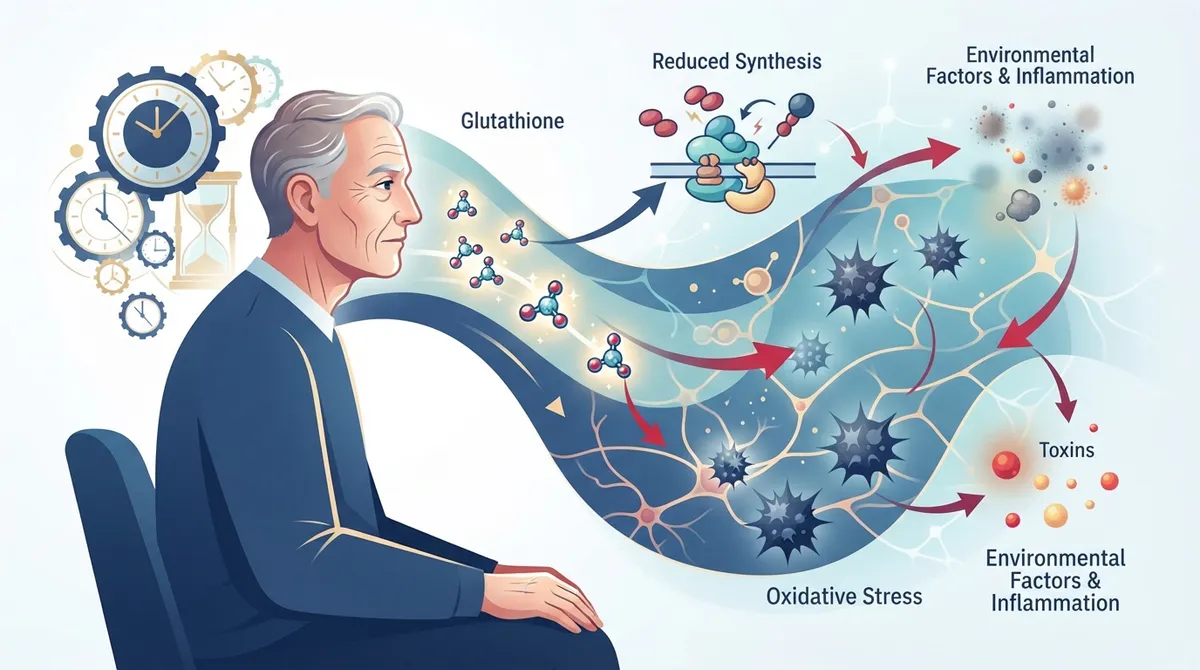
Research shows that older adults often have lower glutathione levels than younger people. One study compared adults with an average age of 71 to a younger group averaging 25 years old. The older group had less glutathione, slower gait speed, and higher markers of cellular stress.
This decline does not happen overnight. It builds slowly as your body's ability to produce glutathione weakens over time. Several factors seem to speed up this process, including:
- Chronic inflammation from poor diet or stress
- Reduced intake of protein-rich foods containing amino acid precursors
- Ongoing exposure to environmental toxins
- Untreated chronic conditions like diabetes
- Lack of regular physical activity
Understanding these triggers is the first step toward protecting your cellular health as you age. A primary care provider can help you identify which factors apply to your situation.
3. The Difference Between Glutathione and GlyNAC
Most people think of glutathione supplements as a single pill or IV treatment. But researchers have also studied something called GlyNAC, which combines glycine and N-acetylcysteine. These are two building blocks your body needs to make its own glutathione.
Here is a simple comparison to help clarify the difference:
|
Feature |
Direct Glutathione |
GlyNAC (Precursors) |
|---|---|---|
|
How it works |
Supplies glutathione directly |
Gives your body raw materials to make its own |
|
Absorption concerns |
Oral absorption can be limited |
Often better tolerated and absorbed |
|
Research focus |
Skin, oxidative stress markers |
Muscle strength, inflammation, mitochondrial function |
|
Typical study length |
Weeks to a few months |
2 to 16 weeks in most trials |
Some researchers believe GlyNAC may work better for certain people because cysteine availability often limits how much glutathione the body can produce on its own.
4. What the Clinical Trials Actually Found
It helps to look at real numbers instead of marketing claims. Below is a summary of key findings from published research on glutathione and aging.
- Small 16-week trial: Adults averaging 71 years old took GlyNAC daily. Gait speed improved by 19 percent. Inflammation markers like IL-6 dropped by 83 percent, and insulin resistance improved significantly.
- 2022 randomized trial: This study tested three different GlyNAC doses in 114 healthy older adults for two weeks. It was safe and well tolerated, but the highest dose did not significantly boost total glutathione in most participants.
- 2017 skin study: Middle-aged women took 250 mg of oral glutathione daily. Some reported improved skin brightness and hydration, though researchers were careful to call it only a possible benefit.
- 2011 proof-of-concept study: Older adults given cysteine and glycine supplements saw restored glutathione levels and lower oxidative stress markers. This was early-stage research, not proof of longer life or disease prevention.
These studies show promise, but none of them prove that glutathione supplements slow aging or prevent disease. More large-scale research is still needed.
5. Common Doses Used in Research
If you are curious about how much glutathione or GlyNAC researchers have studied, here is a quick reference table.
|
Study Type |
Dose Used |
Duration |
|---|---|---|
|
Oral glutathione (skin study) |
250 mg per day |
Several weeks |
|
Setria glutathione trial |
500 mg per day |
120 days |
|
GlyNAC (16-week study) |
Varied by body weight |
16 weeks |
|
GlyNAC (2022 trial) |
2.4g, 4.8g, or 7.2g per day |
2 weeks |
These doses are not universal recommendations. What worked in a controlled study may not be right for your specific health needs. This is why speaking with a provider before starting any supplement matters so much.
6. Is Glutathione Safe for Older Adults?
Overall, short-term studies suggest that oral glutathione and GlyNAC are generally well tolerated. A 2021 systematic review looked at 13 controlled trials and found no serious adverse events across the studies. However, the review also noted that most trials were small and did not last very long.
Still, safety depends heavily on your personal health history. Here are important factors your doctor should review before recommending any glutathione product:
- Current medications and possible interactions
- Kidney and liver function
- Any existing chronic health conditions
- Product quality and third-party testing
- Whether the product is oral or injectable
This last point is critical. Injectable or IV glutathione carries more safety and quality-control risks than oral supplements. It should never be treated as routine wellness care without medical supervision. If you are curious about safe hydration and nutrient therapies, our IV hydration and vitamin drips program is administered under proper clinical oversight.
7. How Glutathione Fits Into a Bigger Healthy Aging Plan
Glutathione supplements, if used at all, should be one small piece of a much larger health strategy. They are not a replacement for the basics that actually move the needle on healthy aging. Consider these proven habits first:
- Eating a balanced diet rich in protein, fruits, and vegetables
- Getting regular resistance and aerobic exercise
- Prioritizing 7 to 9 hours of quality sleep each night
- Avoiding smoking and limiting alcohol intake
- Staying current on vaccines and preventive screenings
- Managing blood pressure, blood sugar, and cholesterol levels
A thorough annual wellness visit can help track these markers over time. Pairing this with tools like DNA gene testing or body composition analysis gives you a fuller picture of your cellular health, beyond just one antioxidant.
8. How to Talk to Your Doctor About Glutathione and Aging
Before trying any glutathione product, bring these questions to your next appointment:
- Does this fit with my current medications and health conditions?
- What dose and form (oral versus IV) makes sense for me?
- Are there quality or purity concerns with this specific product?
- What blood work should we check before and after starting?
- Are there other proven strategies I should prioritize first?
Our providers, including Dr. Pramjeet Ahluwalia and Dr. Naveen Paddu, take time to review your full health history before recommending any wellness therapy. This kind of personalized approach helps you avoid wasting money on products that will not help, or worse, could interact poorly with existing medications.
Many patients also explore related topics like cellular aging reversal treatments backed by science or ask about peptides and their role in longevity and wellness. These conversations work best when guided by a clinician who knows your full medical picture.
Why Choose InCare for Your Healthy Aging Journey
InCare combines advanced technology with genuine medical expertise across our Tampa and Riverview locations. We do not push trendy treatments without evidence. Instead, our team of providers reviews the latest research and helps you make informed choices about your wellness journey.
Patients consistently share positive experiences with our clinical team. You can read what our community says by visiting our InCare location on Google, where we maintain a strong reputation built on trust and results. We also share health tips and clinic updates on Facebook, Instagram, and TikTok for patients who want to stay connected between visits.
Whether you are curious about glutathione, interested in medically supervised weight loss, or simply due for a cancer screening, our team is ready to help. Healthy aging is not about one supplement. It is about building a complete, personalized plan with a provider who actually listens.
Ready to discuss glutathione and aging with a provider who puts your health first? Book your appointment with InCare today and take the next step toward smarter, evidence-based wellness care.
FAQs
Q: Does glutathione really slow aging?
A: Current evidence does not prove that glutathione slows or reverses aging. Studies show it may improve certain biomarkers like oxidative stress and inflammation, but larger, longer trials are needed before it can be considered a proven anti-aging therapy.
Q: How does glutathione change as we get older?
A: Research shows that glutathione levels and production tend to decline with age. This decline is linked to increased oxidative stress, inflammation, and mitochondrial dysfunction, though it does not by itself prove that supplementation will reverse these changes.
Q: What is the difference between glutathione and GlyNAC for healthy aging?
A: Direct glutathione supplements provide the antioxidant itself, while GlyNAC supplies glycine and N-acetylcysteine, the building blocks your body uses to make glutathione naturally. Some research suggests GlyNAC may be more effective because cysteine availability often limits natural glutathione production.
Q: Is glutathione safe for older adults, and what side effects can occur?
A: Short-term studies suggest oral glutathione and GlyNAC are generally well tolerated with no serious adverse events reported. However, quality, dosage, and medical history should always be reviewed with a clinician, especially for those with kidney or liver concerns.
Q: Are glutathione injections or IV therapy safer or more effective than oral supplements?
A: Injectable or intravenous glutathione carries more significant safety and quality-control concerns compared to oral forms. It should not be treated as routine wellness care and requires proper medical supervision before use.