

Key Takeaways
- Lower glutathione levels are associated with depression in specific brain regions, but association is not causation—taking glutathione supplements has not been proven to treat depression or other neurological conditions.
- Blood tests cannot accurately measure brain glutathione levels; only specialized imaging (proton magnetic resonance spectroscopy) can directly measure brain glutathione, making most supplement claims about 'boosting brain glutathione' unverifiable.
- IV glutathione requires medical supervision and carries more risk than oral supplements, especially at high doses; discuss your medical history, medications, and conditions with a licensed provider before considering IV therapy.
- Lifestyle habits like eating sulfur-rich vegetables, quality sleep, regular exercise, stress management, and limiting alcohol support natural glutathione production more sustainably than relying on a single supplement or drip.
Glutathione has become one of the most talked-about antioxidants in wellness circles, especially for people curious about brain health, mood, and mental clarity. Search interest in glutathione brain health has grown quickly across Tampa and Riverview, as more patients ask about supplements, IV drips, and blood tests. But hype often outpaces the science. Many people make avoidable mistakes when trying to use glutathione for brain support, from misunderstanding how it works to choosing unsafe delivery methods.
This guide breaks down the most common glutathione brain health mistakes people make in 2026. You will learn what the research actually shows, what remains unproven, and how to talk with a primary care provider before trying any supplement or therapy. Whether you are a busy parent, a wellness-focused professional, or someone managing a chronic condition, understanding these mistakes can help you make safer, smarter choices for your brain and body.
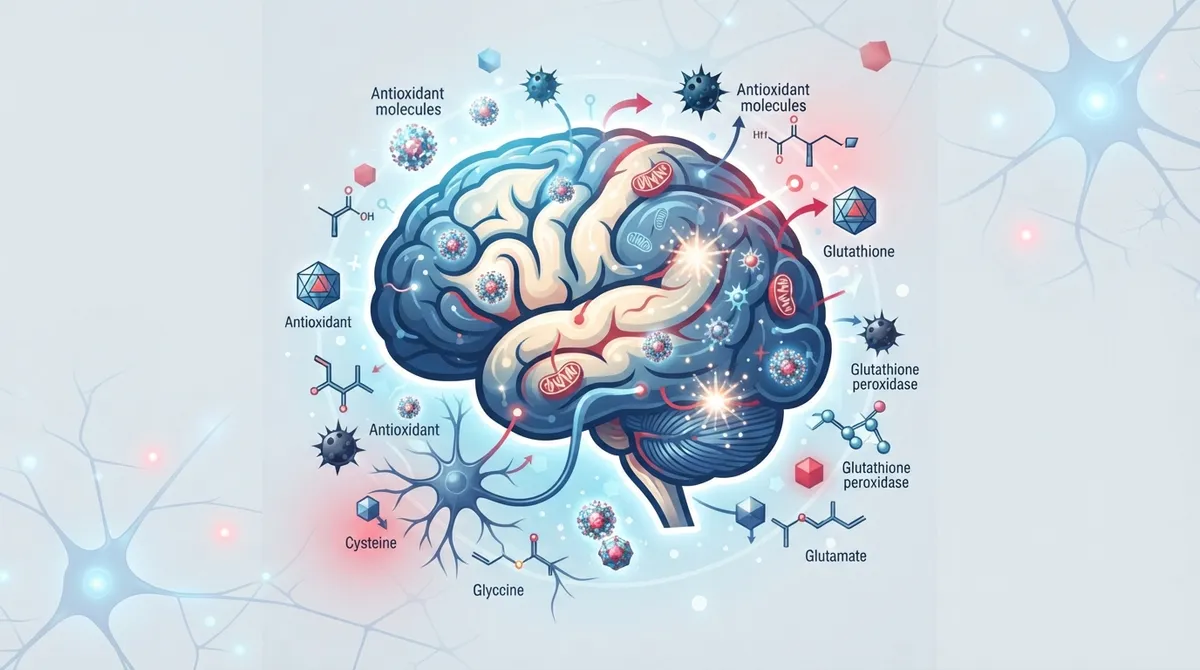
What Is Glutathione and Why Does It Matter for the Brain?
Glutathione is a natural antioxidant your body makes on its own. It helps protect brain cells from oxidative stress, supports detox pathways, and plays a role in immune signaling. Oxidative stress happens when harmful molecules build up faster than your body can clear them, and this process has been linked to several brain-related conditions.
Researchers have studied glutathione's connection to depression, Parkinson's disease, Alzheimer's disease, schizophrenia-spectrum disorders, and multiple sclerosis. However, having lower glutathione levels does not prove that it causes these conditions. It also does not mean taking a supplement will fix or prevent them. This distinction is the first mistake many people overlook.

Mistake 1: Assuming Low Glutathione Causes Brain Disorders
One of the biggest mistakes is treating glutathione as a simple cause-and-effect story. Many people believe that if glutathione is low, it directly causes memory loss, depression, or brain fog. The truth is more complicated.
A 2025 meta-analysis published in Psychopharmacology reviewed 8 proton magnetic resonance spectroscopy studies. It included 230 people with depression and 216 healthy controls. Researchers found that glutathione levels were lower in the occipital cortex of people with depression, with a strong statistical effect (g = −0.98, 95% CI: −1.45 to −0.50, P 0.001). However, there was no significant difference in the medial frontal cortex or when all brain regions were combined.
This tells us something important: glutathione's relationship with brain health may depend heavily on which brain region you're looking at. It also shows that association is not the same as causation. Before assuming a supplement will fix a mood or memory issue, it helps to talk with a primary care provider who can review your full health picture.
Mistake 2: Confusing Blood Glutathione With Brain Glutathione
Many wellness products claim to "boost brain glutathione," but most tests only measure glutathione in the blood. Blood levels and brain levels are not the same thing, and one does not reliably predict the other.
Brain glutathione can only be measured accurately using a specialized imaging method called proton magnetic resonance spectroscopy (¹H-MRS). This noninvasive research tool shows real differences by brain region, scanner type, and study quality. Blood tests cannot capture this level of detail, so treating a blood test as proof of brain-level change is misleading.
Why This Matters for Consumers
- Blood test results can look normal even if brain levels are different
- Supplement marketing often skips this distinction
- Only specialized imaging, not blood work, measures brain glutathione directly
- Reliable brain measurement is still evolving as a research tool
Mistake 3: Choosing IV Glutathione Without Medical Guidance
Intravenous (IV) glutathione has grown popular in wellness lounges and spas. But IV administration is not the same as taking a supplement pill, and it carries more risk. High doses given through an IV line, especially in unsupervised settings, can lead to complications.
Primary care clinicians recommend reviewing several factors before considering IV glutathione:
- The specific reason for wanting IV therapy
- Product quality and sourcing standards
- Existing medical conditions, including kidney or liver issues
- Current medications and possible interactions
- Pregnancy status or plans
- Whether the setting has proper medical monitoring
At InCare, our IV hydration and vitamin drip services are administered under medical supervision, which is different from unregulated wellness bars. If you are considering any IV therapy, it is worth discussing your goals with a licensed provider first.
Mistake 4: Ignoring Oral Glutathione's Real Limitations
Oral glutathione supplements are generally well tolerated. Short-term studies in healthy adults have found mild side effects like bloating or loose stools. Most published research has tested doses between 250 and 1,000 milligrams daily, for periods lasting a few weeks up to about six months.
The problem is that many of these studies measure biochemical markers, not real-world brain outcomes like memory, mood, or focus. There is currently no established dose proven to improve cognition or reduce dementia risk. Treating oral glutathione as a guaranteed brain booster is a mistake many wellness shoppers make.
|
Delivery Method |
Typical Use |
Key Consideration |
|---|---|---|
|
Oral Supplement |
Daily capsule or tablet |
Generally well tolerated; limited proof of brain benefit |
|
IV Infusion |
Clinic-administered drip |
Higher risk; requires medical supervision |
|
Dietary Sources |
Sulfur-rich foods like broccoli |
Supports natural production; no direct brain measurement |
Mistake 5: Overlooking Whole-Body Habits That Support Antioxidant Balance
Some people focus so much on supplements that they forget the basics. Diet, sleep, exercise, and stress management all influence how your body produces and uses glutathione naturally. This is often a more sustainable approach than relying on a single pill or drip.
Simple lifestyle habits that may help support your body's antioxidant balance include:
- Eating sulfur-rich vegetables like broccoli, cauliflower, and garlic
- Getting consistent, quality sleep each night
- Managing chronic stress through movement or relaxation techniques
- Limiting alcohol intake, which can burden detox pathways
- Staying physically active with regular exercise
- Avoiding unnecessary exposure to environmental toxins
A comprehensive wellness visit can help identify which lifestyle factors matter most for your specific health picture, rather than guessing based on trends you see online.
Mistake 6: Skipping a Conversation With Your Primary Care Provider
Perhaps the biggest mistake is trying glutathione products without ever discussing them with a doctor. This is especially risky for people managing depression, Parkinson's disease, Alzheimer's disease, or other neurological conditions. Supplements can interact with medications, and self-directed treatment can delay proper diagnosis and care.
A 2024 systematic review examined brain glutathione levels in schizophrenia-spectrum disorders using MRS imaging. While this reflects growing scientific interest, it does not confirm a proven treatment. The same caution applies to Parkinson's and Alzheimer's research. Working with a knowledgeable provider helps you separate promising research from proven treatment.
Questions Worth Asking Your Doctor
- Could low energy or brain fog be linked to another treatable condition?
- Are there interactions between glutathione and my current medications?
- Would lab testing or a wellness visit provide more useful answers?
- Is there a safer, evidence-based approach to my specific concern?
Our team, including providers like Dr. Naveen Paddu and Dr. Pramjeet Ahluwalia, regularly helps patients across Tampa and Riverview sort through wellness trends with evidence-based guidance. You can review our full list of providers to find the right fit for your care.
How InCare Approaches Brain Health and Whole-Body Wellness
InCare combines primary care with advanced wellness services to give patients a fuller picture of their health. Instead of chasing a single ingredient, our approach looks at metabolic health, hormone balance, nutrition, and preventive screening together.
Services that support a comprehensive approach to whole-body wellness include:
- DNA gene testing for personalized health insights
- Body composition analysis using 3D imaging technology
- Metabolic breath analysis to assess how your body uses energy
- Cancer screenings for early detection
- Medically supervised weight loss programs
Patients across our Tampa and Riverview locations appreciate this kind of coordinated, evidence-informed care. You can also follow health tips and clinic updates on our Facebook page or see everyday wellness content on Instagram and TikTok.
Comparing Common Glutathione Questions and Facts
|
Common Belief |
What Research Actually Shows |
|---|---|
|
Glutathione cures depression |
Only associations found; occipital cortex link was significant, others were not |
|
Blood tests confirm brain levels |
Blood and brain glutathione are not reliably connected |
|
IV therapy is risk-free |
Higher-dose IV use requires medical screening and monitoring |
|
Oral supplements guarantee sharper memory |
Evidence remains limited; more long-term studies are needed |
Bringing It All Together
Glutathione remains a genuinely interesting area of brain health research, but it is not a proven fix for cognitive decline, depression, or neurological disease. The science is promising yet incomplete, and the difference between blood markers and true brain-level change is significant. Choosing a safe delivery method, understanding realistic expectations, and looping in your primary care provider are the smartest steps you can take in 2026.
If you want personalized guidance on glutathione, brain health, or any other wellness question, our team is ready to help. Patients across Tampa and Riverview trust InCare for clear, honest answers backed by real medical expertise, and you can see what our community says by visiting our InCare location on Google. To take the next step in your health journey, schedule your appointment today and get answers you can trust.
FAQs
Q: Does glutathione improve memory or cognitive function?
A: Current research has not shown clear proof that glutathione supplements improve memory or cognitive function. Most studies measure biochemical changes rather than real-world outcomes like sharper thinking. Anyone concerned about memory should discuss testing and treatment options with a primary care provider.
Q: Can glutathione help depression, anxiety, or brain fog?
A: A 2025 meta-analysis found lower glutathione in the occipital cortex among people with depression, but no significant difference in other brain regions. This shows an association, not proof that supplementation treats depression, anxiety, or brain fog. These symptoms deserve a full medical evaluation rather than a single supplement approach.
Q: Can oral glutathione cross the blood-brain barrier?
A: Researchers are still studying how well oral glutathione reaches brain tissue after digestion. Blood levels of glutathione do not reliably reflect what is happening in the brain. This is one reason experts caution against assuming oral supplements directly raise brain glutathione levels.
Q: Is IV glutathione safe for brain health or general wellness?
A: IV glutathione carries more risk than oral supplements, particularly at high doses or in settings without proper medical monitoring. A qualified provider should review your medical history, medications, and pregnancy status before recommending IV therapy. Medically supervised clinics can help reduce this risk significantly.
Q: What foods and lifestyle habits naturally support glutathione production?
A: Sulfur-rich foods like broccoli, cauliflower, and garlic may support your body's natural antioxidant production. Quality sleep, regular exercise, stress management, and limiting alcohol intake also play a role. These habits offer a safer, more sustainable foundation than relying solely on supplements.