
Key Takeaways
- GHK-Cu works best when combined with professional procedures like microneedling or fractional laser—a 2025 study showed 47% improvement in scar depth when paired with microneedling versus only 18% with the procedure alone.
- GHK-Cu is designed for scar repair after acne heals, not for treating active breakouts; active acne must be controlled first before shifting focus to improving marks and texture left behind.
- Most effective GHK-Cu products use 1-2% concentration, the most studied range; higher concentrations don't guarantee better results and may increase skin irritation, especially for acne-prone or sensitive skin.
- Mild atrophic scars and post-inflammatory marks respond better to GHK-Cu than deep, structural scarring like ice-pick or severe rolling scars, which typically require dermatologic procedures as the primary treatment.
- GHK-Cu supports collagen production by increasing collagen synthesis by 70% while reducing collagen-degrading enzymes, but results typically take 12+ weeks and require consistent daily use alongside sun protection and good hydration.
- A personalized skin assessment is essential before starting GHK-Cu, as effectiveness depends on scar type, product stability, and whether it's combined with other treatments or ingredients like retinol.
Acne scars can linger long after breakouts clear, leaving many people searching for real solutions instead of empty promises. GHK-Cu, also known as copper tripeptide, has become one of the most talked-about ingredients in skin repair science. But how much of the buzz is backed by evidence, and how does it fit into a broader wellness plan? At InCare, our team believes in helping patients separate fact from marketing hype, especially when it comes to skin health tied to overall wellness. This guide breaks down six essential facts about GHK-Cu and acne scars, so you can make an informed decision about your skin care routine and know when to seek professional guidance.
Whether you live near our Tampa or Riverview locations, understanding how this peptide works can help you set realistic expectations. Let's look at what the science actually shows.
1. GHK-Cu Supports Skin Repair at the Cellular Level
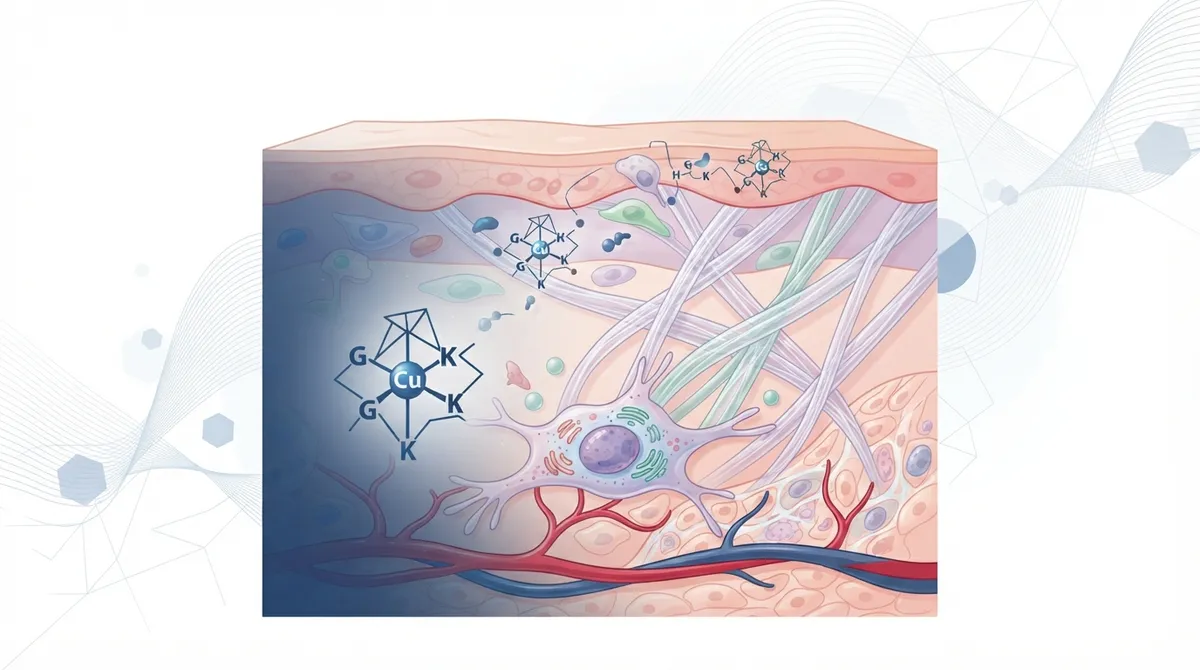
GHK-Cu is a small peptide that binds to copper, a mineral your body already uses for wound healing. Researchers have studied it for decades because it appears to signal skin cells to repair and rebuild tissue. This is the main reason it shows up in serums and creams marketed for scars, fine lines, and overall skin renewal.
The peptide is thought to support fibroblast activity. Fibroblasts are the cells responsible for producing collagen, the protein that gives skin its structure. When fibroblasts work better, skin may look smoother and more even over time.
How Copper Peptides Interact With Skin Cells
Copper peptides do not simply sit on top of the skin. They appear to trigger a chain reaction that supports the extracellular matrix, the network of proteins that holds skin together. This matrix remodeling is central to how mild atrophic scars, the shallow indentations left after acne, may improve with consistent use.
- Supports collagen production in the deeper layers of skin
- May help reduce visible roughness from old acne marks
- Assists in calming inflamed or irritated skin tissue
- Works alongside the skin's natural healing process

2. The Research on GHK-Cu and Acne Scars Is Promising but Limited
It is important to be honest about where the science stands. Several studies show encouraging results, but many are small or short in duration. This means GHK-Cu should be viewed as a supportive tool rather than a guaranteed fix.
A notable 2019 study on dermaroller treatment found that using a dermaroller alone reduced acne scar scores by about 26.30 percent. When copper peptide was added to the same treatment, the reduction jumped to 50.30 percent. This suggests GHK-Cu may work best when paired with an in-office procedure rather than used alone.
What More Recent Studies Show
A 2022 split-face study reported that applying 2 percent GHK-Cu twice daily for 12 weeks improved scar texture scores by 27 percent compared to a plain vehicle cream. A 2024 meta-analysis pooling six trials and 412 patients found a 32 percent reduction in scar depth at 16 weeks when GHK-Cu was combined with microneedling or fractional laser, compared to only 19 percent with the procedure alone.
Even more striking, a 2025 randomized controlled trial found a 47 percent improvement in atrophic scar depth at 12 weeks when GHK-Cu was paired with microneedling, versus 18 percent with microneedling alone. These numbers point to a clear pattern: GHK-Cu appears to boost the results of professional treatments rather than replace them.
|
Study Year |
Treatment Combination |
Reported Improvement |
|---|---|---|
|
2019 |
Dermaroller alone |
26.30% scar score reduction |
|
2019 |
Dermaroller + copper peptide |
50.30% scar score reduction |
|
2022 |
2% GHK-Cu twice daily, 12 weeks |
27% improved texture score |
|
2024 |
GHK-Cu + microneedling or laser |
32% scar depth reduction at 16 weeks |
|
2025 |
GHK-Cu + microneedling |
47% improvement at 12 weeks |
3. Not All Acne Scars Respond the Same Way
One of the most common questions patients ask is whether GHK-Cu can fix any type of scar. The honest answer depends heavily on the scar type. Mild atrophic scars and post-inflammatory marks tend to respond better than deep, structural scarring.
Scar Types and Expected Response
- Mild rolling scars: These shallow, wavy indentations often show the best response to topical peptides combined with procedures.
- Post-inflammatory hyperpigmentation: Dark or red marks left after acne heals may fade faster with consistent use of GHK-Cu serums.
- Boxcar scars: These flat-bottomed depressions usually need in-office treatment first, with GHK-Cu as a supporting step.
- Ice-pick scars: Deep, narrow scars rarely respond to topical treatment alone and typically require dermatologic procedures.
- Severe rolling scars: These often require a combination approach, since topical treatment alone is unlikely to reach the deeper tissue layers.
This is why a personalized skin assessment matters. Our providers at InCare's primary care team can help evaluate your skin history and guide you toward realistic expectations before you invest in any product.
4. GHK-Cu Works Best as Part of a Bigger Plan
Many people expect a single serum to erase years of acne scarring. That expectation sets up disappointment. GHK-Cu tends to perform best when it supports a broader skin health strategy rather than acting as a standalone cure.
Building a Realistic Skin Repair Routine
A well-rounded approach to acne scar improvement often includes several layers of support working together.
- Daily use of a stable, well-formulated GHK-Cu serum
- In-office procedures such as microneedling or fractional laser when appropriate
- Sun protection to prevent worsening of dark marks
- Good hydration and nutrition to support skin repair
- Patience, since visible changes often take 12 weeks or longer
Mechanistic research also supports this layered approach. Lab studies on human fibroblasts found that GHK-Cu increased collagen synthesis by 70 percent while reducing collagen-degrading enzymes called metalloproteinases by 42 percent. These numbers explain why the peptide is often paired with procedures that already stimulate collagen, since it may amplify the healing response already underway.
5. Concentration and Safety Matter More Than Marketing Claims
Not every GHK-Cu product is created equally. Concentration, formulation stability, and skin sensitivity all play a role in how well the ingredient performs and how safe it is for regular use.
Common Concentration Ranges
Most topical products use GHK-Cu in the 1 percent to 2 percent range, though some are marketed at 1 percent to 4 percent. Higher concentrations are not automatically better, since skin irritation can increase with stronger formulas, especially for acne-prone or sensitive skin.
|
Concentration |
Typical Use Case |
Considerations |
|---|---|---|
|
1% |
Sensitive or acne-prone skin |
Gentle starting point for new users |
|
2% |
Standard scar texture support |
Most commonly studied range |
|
3–4% |
Advanced or targeted treatment |
Higher risk of irritation, best used under guidance |
Because copper peptides can interact with other active ingredients like retinol and vitamin C, it helps to talk with a healthcare provider before combining multiple products. Improper stacking can cancel out benefits or irritate the skin further.
6. GHK-Cu Does Not Treat Active Acne
This is one of the most misunderstood points among consumers. GHK-Cu is designed for repair after inflammation has already occurred. It is not formulated to treat active breakouts, bacteria, or excess oil production.
Where GHK-Cu Fits in the Acne Timeline
Think of acne treatment and scar treatment as two separate phases. Active acne needs to be controlled first, often through primary care guidance, topical treatments, or in some cases prescription medication. Once breakouts are under control, attention can shift toward improving the marks and texture left behind.
Patients often ask if GHK-Cu is better than retinol for scars. The two ingredients actually work differently and may complement each other. Retinol speeds up cell turnover, while GHK-Cu supports the deeper collagen-building process. Many wellness-focused routines use both under professional supervision to avoid over-irritating the skin.
For patients managing ongoing acne along with scarring, a visit to a primary care provider can help identify underlying causes, such as hormonal imbalances or diet-related triggers, that may be fueling repeated breakouts.
Why a Whole-Body Approach Matters for Skin Health
Skin does not exist in isolation. Nutrition, hydration, hormone balance, and inflammation levels throughout the body all influence how well skin heals. This is why a comprehensive wellness approach often produces better long-term results than relying on a single product.
At InCare, patients exploring skin health support can also learn about complementary services like IV hydration and vitamin drips, which are designed to support overall wellness and hydration levels that may influence skin appearance. Our DNA gene testing service can also reveal predispositions related to collagen production and inflammation, giving patients deeper insight into their skin's unique needs.
Steps to Take Before Starting Any Scar Treatment
- Schedule a skin evaluation with a qualified provider to identify scar type
- Discuss current skincare products to avoid harmful ingredient combinations
- Ask about combining topical peptides with in-office procedures for faster results
- Set realistic timelines, since most visible improvement takes 12 weeks or more
- Follow up regularly to track progress and adjust the plan as needed
Many patients find it reassuring to work with a team that understands both general wellness and skin-specific concerns. You can read what real patients say about their experience by visiting InCare's reviews on Google, where our Tampa and Riverview locations maintain a strong reputation for personalized, patient-first care.
Common Mistakes to Avoid
Even with good intentions, many people make avoidable errors when trying to treat acne scars at home.
- Expecting overnight results from topical treatments alone
- Skipping sun protection, which can worsen dark marks and slow healing
- Combining too many active ingredients at once, leading to irritation
- Choosing unverified or poorly formulated products with unstable copper peptides
- Ignoring active acne while focusing only on scar treatment
Avoiding these missteps can make a significant difference in how quickly and safely your skin improves. A professional evaluation often saves time and money by pointing you toward the right combination of treatments from the start.
Staying Informed and Connected
Wellness trends move quickly, and skincare science is no exception. Following trusted sources helps you separate real research from social media hype. You can also follow InCare on Facebook and Instagram for wellness tips, or check out short educational content on TikTok to stay current on primary care and wellness topics relevant to your health.
If you are dealing with lingering acne scars and want a personalized plan grounded in real evidence, our team is ready to help. Book Now to schedule a consultation with InCare in Tampa or Riverview, and take the next step toward healthier, more confident skin.
FAQs
Q: Does GHK-Cu really help acne scars?
A: Research suggests GHK-Cu can improve mild atrophic scars and post-acne texture, especially when combined with procedures like microneedling. It works best as a supportive treatment rather than a standalone cure for deeper scarring.
Q: How long does GHK-Cu take to work on acne scars?
A: Most studies show visible improvement after 12 to 16 weeks of consistent use. Results vary based on scar type, product concentration, and whether it is paired with in-office treatments.
Q: Can GHK-Cu be used with microneedling for scars?
A: Yes, clinical studies show combining GHK-Cu with microneedling produces significantly better results than microneedling alone. This pairing appears to enhance collagen production and speed up scar depth reduction.
Q: Does GHK-Cu help active acne or only acne scars?
A: GHK-Cu is designed for skin repair after inflammation, not for treating active breakouts or bacteria. Active acne typically needs separate treatment before focusing on scar improvement.
Q: What concentration of GHK-Cu is used for acne scars?
A: Most studied products use concentrations between 1 percent and 2 percent, though some formulations go up to 4 percent. Higher concentrations do not always mean better results and may increase irritation risk for sensitive skin.