

Key Takeaways
- Rule out common medical causes like sleep disorders, thyroid dysfunction, anemia, and depression before assuming low glutathione is causing fatigue, as persistent tiredness has dozens of possible causes.
- Research on glutathione supplementation shows mixed results: a 6-month trial found dose-dependent increases in glutathione stores at 250-1,000 mg daily, but a 4-week trial in healthy adults showed no significant improvement in energy biomarkers.
- Support glutathione naturally through protein-rich foods (eggs, fish, dairy, legumes) and lifestyle changes rather than supplements alone, as diet addresses root causes like poor nutrition and oxidative stress.
- GlyNAC, a combination of glycine and N-acetylcysteine, showed promising results in older adults with 19% gait speed improvement and 80% reduction in lipid-peroxidation markers, though larger trials are still needed.
Feeling drained by mid-afternoon has become common for busy professionals, parents, and students across Tampa Bay. Many wellness seekers have started asking their providers about glutathione energy levels, hoping this antioxidant holds the answer to constant fatigue. The truth is more nuanced than social media wellness trends suggest, and understanding the real science can help you make smarter decisions about your health.
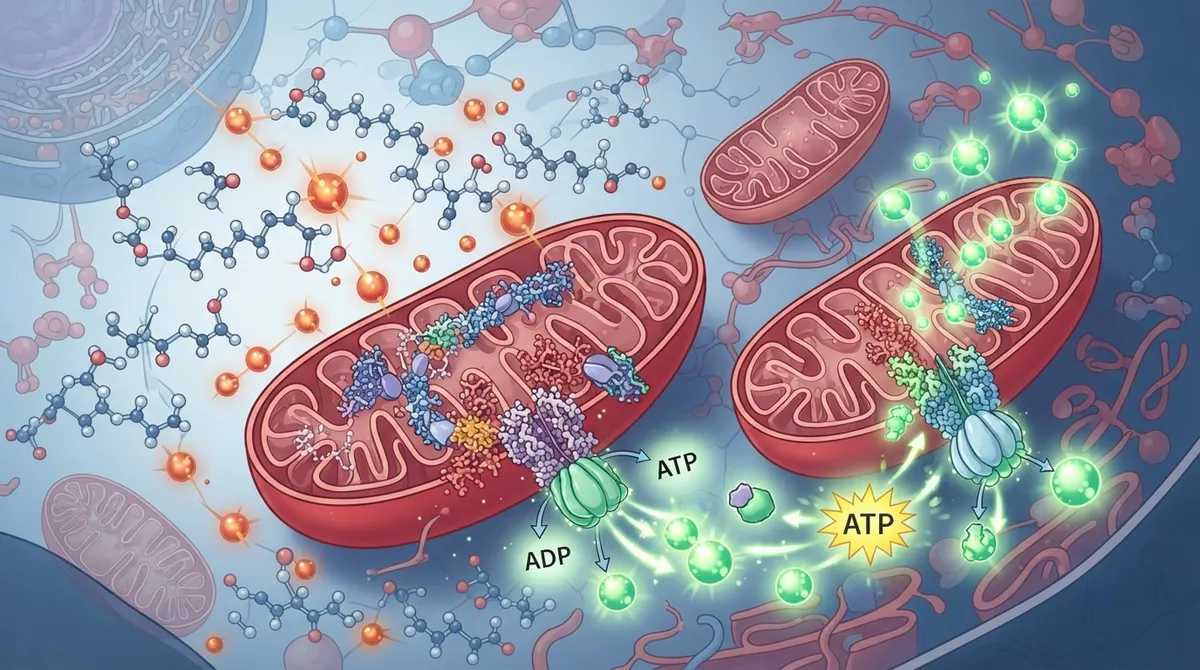
Glutathione is a powerful antioxidant your body makes naturally from three amino acids: cysteine, glycine, and glutamate. It plays a key role in protecting your cells and supporting healthy mitochondrial function, the tiny structures inside cells that produce energy. This connection makes glutathione biologically interesting for anyone struggling with low energy, but it does not mean supplements are a guaranteed fix. Below, we break down five key facts about glutathione and energy levels, backed by current research, so you can separate hype from evidence and know when it's time to see a doctor.
1. The Science Behind Glutathione and Mitochondrial Energy Production
Your mitochondria need a stable, low-oxidative-stress environment to produce energy efficiently. Glutathione helps maintain this balance by neutralizing harmful molecules called free radicals before they damage cellular structures. When oxidative stress builds up faster than your body can manage it, mitochondrial function can suffer, which may contribute to feelings of fatigue.
This relationship is biologically plausible, but it does not mean every case of tiredness traces back to glutathione levels. Fatigue is a nonspecific symptom with dozens of possible causes, ranging from poor sleep to thyroid disorders. A thorough evaluation through primary care services remains the best first step before assuming glutathione is the missing piece.
How Oxidative Stress Impacts Daily Energy
Oxidative stress accumulates from normal metabolism, environmental toxins, poor diet, and even intense exercise. Over time, this stress can impair how efficiently your cells convert nutrients into usable energy. Supporting your antioxidant defenses, including glutathione, may help protect this process, though it is not a standalone solution for chronic fatigue.
2. What Human Research Actually Shows About Glutathione and Fatigue
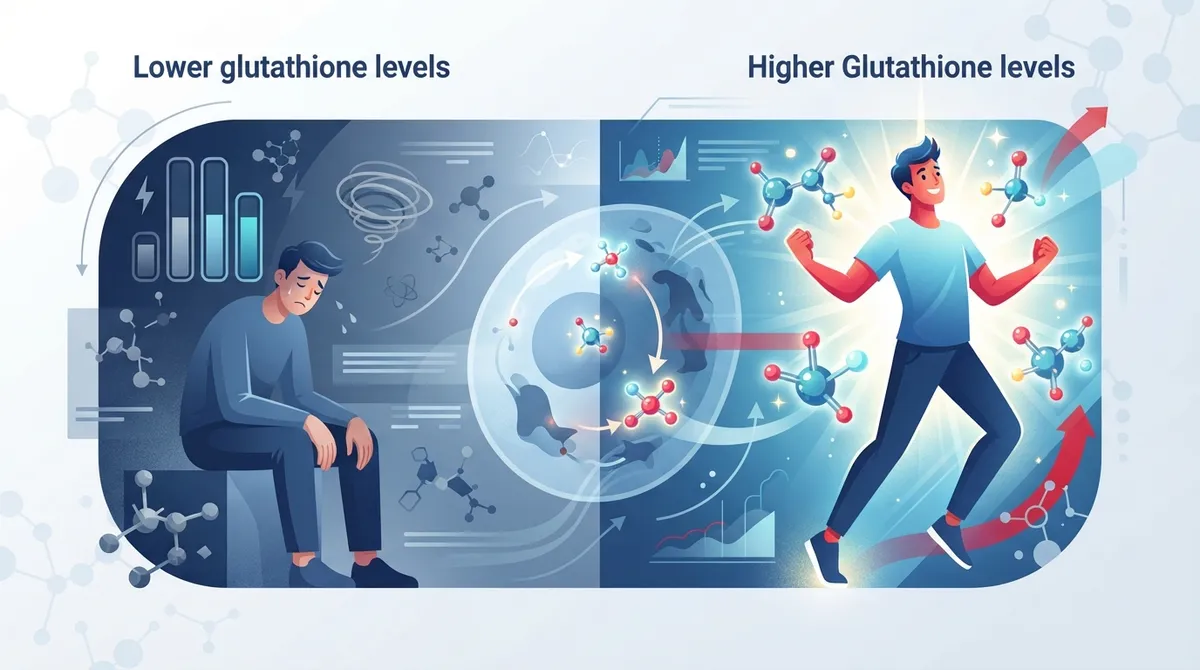
Scientific evidence on glutathione supplementation and energy levels is mixed and still developing. A 2015 exercise study found that two weeks of glutathione supplementation reduced markers of muscle fatigue and limited the drop in muscle pH during physical exertion. This suggests a possible role in exercise recovery, but it does not confirm benefits for everyday tiredness or chronic fatigue conditions.
Other trials tell a different story. A four-week clinical trial in healthy adults found no significant improvement in glutathione status or oxidative stress markers after oral supplementation. However, a six-month randomized, placebo-controlled trial involving 54 nonsmoking adults reported dose-dependent increases in body glutathione stores at both 250 mg and 1,000 mg daily doses.
Key Findings From Clinical Trials
- Two-week exercise study: reduced muscle fatigue markers, limited pH drop during exertion
- Four-week trial in healthy adults: no significant change in glutathione status or oxidative biomarkers
- Six-month trial in 54 adults: dose-dependent increase in glutathione stores at 250mg and 1,000mg daily
- GlyNAC trial in older adults: improved gait speed, mitochondrial function, and inflammation markers
- Review of dosing strategies: 500 to 1,000 mg oral glutathione and 600 to 1,200 mg NAC commonly studied
|
Study Type |
Duration |
Key Result |
|---|---|---|
|
Exercise Fatigue Study |
2 weeks |
Reduced fatigue markers, limited pH drop |
|
Healthy Adult Trial |
4 weeks |
No significant biomarker change |
|
Randomized Placebo Trial |
6 months |
Dose-dependent glutathione increase |
|
GlyNAC Older Adult Trial |
Variable |
Improved gait speed and mitochondrial markers |
3. GlyNAC and Mitochondrial Fuel Oxidation in Older Adults
One of the more promising areas of research involves GlyNAC, a combination of glycine and N-acetylcysteine that supplies raw materials for glutathione production. A small randomized trial compared 24 older adults, with an average age of about 71, to 12 younger adults averaging 25.5 years old.
The results were notable. Gait speed improved by approximately 19% in the older adult group after supplementation. Researchers also observed meaningful reductions in inflammatory and metabolic markers, including an 80% drop in a lipid-peroxidation marker, an 83% reduction in IL-6, a 58% decrease in TNF-alpha, and a 68% improvement in HOMA-IR, a measure of insulin resistance.
Why These Findings Matter, and Their Limits
These results are encouraging for understanding how glutathione precursors might support aging bodies. However, the study was small, and larger independent trials are needed before GlyNAC becomes a routine recommendation. If you are curious whether this approach fits your health goals, discussing it during a visit focused on body composition and metabolic health can provide useful context.
4. Common Causes of Fatigue That Should Be Ruled Out First
Before assuming low glutathione is behind your tiredness, it is important to rule out more common medical causes. Persistent fatigue is one of the most frequent complaints seen in primary care, and it rarely has a single cause.
- Sleep disorders, including sleep apnea and insomnia
- Anemia or iron deficiency
- Thyroid dysfunction, both underactive and overactive
- Depression or anxiety
- Medication side effects
- Chronic infections or inflammation
- Diabetes or blood sugar imbalances
- Nutritional deficiencies, such as vitamin B12 or vitamin D
- Cardiopulmonary conditions affecting oxygen delivery
A comprehensive evaluation, including bloodwork and a detailed health history, helps identify the real driver of your fatigue. InCare's providers, including Dr. Naveen Paddu and Dr. Pramjeet Ahluwalia, routinely guide patients through this process at both the Tampa and Riverview locations.
Steps for a Proper Fatigue Workup
- Schedule a comprehensive wellness visit to discuss symptoms in detail
- Complete bloodwork to check thyroid function, iron levels, and vitamin status
- Review current medications for possible side effects
- Assess sleep quality and screen for sleep disorders
- Consider metabolic testing, such as metabolic breath analysis, if metabolism is a concern
- Discuss lifestyle factors including diet, exercise, and stress levels
5. How to Support Glutathione Naturally Through Diet and Lifestyle
For most people, the safest way to support healthy glutathione levels is through nutrition and lifestyle choices rather than supplements alone. Adequate protein intake supplies the amino acids your body needs to produce glutathione naturally.
Foods That Support Glutathione Production
- Eggs, poultry, and fish for high-quality protein and cysteine
- Dairy products or whey protein for additional cysteine content
- Legumes, including lentils and beans
- Nuts and seeds for supporting nutrients
- A wide variety of vegetables, especially cruciferous types
Beyond diet, factors like aging, chronic disease, poor nutrition, alcohol use, smoking, and ongoing inflammation can all reduce glutathione availability. Addressing these root causes often matters more than reaching for a supplement bottle. If you are exploring supplement options like NAC or glutathione, it is worth reviewing quality and dosage with a clinician, since product standards vary widely across brands.
Comparing Common Glutathione Support Options
|
Approach |
Typical Use |
Evidence Level |
|---|---|---|
|
Oral Glutathione |
250-1,000 mg daily |
Mixed results across trials |
|
NAC Supplementation |
600-1,200 mg daily |
Supports glutathione synthesis |
|
GlyNAC Combination |
Studied in older adults |
Promising but limited data |
|
Dietary Approach |
Ongoing, whole-food based |
Foundational and low-risk |
|
IV or Injectable Forms |
Clinician supervised |
Requires individualized evaluation |
Many patients also explore IV hydration and vitamin drips as part of a broader wellness strategy, though these should be discussed with a provider familiar with your full health picture. Whole-body optimization works best when it is personalized rather than generic.
When to See a Doctor About Persistent Fatigue
If tiredness has lasted more than a few weeks, or if it interferes with work, family life, or daily tasks, it is time to schedule an evaluation. This is especially true if fatigue comes with other symptoms like unexplained weight change, mood shifts, or shortness of breath.
InCare's team, including Dr. Teshy John, takes a whole-body approach that looks beyond a single supplement or trend. Comprehensive care means combining lab testing, lifestyle review, and honest conversation about what might actually be driving your symptoms. You can learn more about our full range of providers and how they approach fatigue-related concerns.
What to Expect During Your Visit
- A detailed discussion of your symptoms and their timeline
- Bloodwork to screen for common medical causes
- Review of current medications and supplements
- Personalized recommendations based on your results
- Follow-up planning to track improvement over time
Why Personalized Care Matters More Than Trends
Wellness trends move fast, and glutathione has become a popular topic on social platforms. Following InCare on Instagram or TikTok can give you helpful health tips, but personalized medical guidance always outperforms generic advice found online. Every patient's biology, lifestyle, and health history are different.
The National Institutes of Health continues to study antioxidants like glutathione, and current findings support a cautious, evidence-based approach rather than blanket recommendations. Our team stays current with this research so you receive advice grounded in science, not speculation.
Patients across Tampa and Riverview trust InCare for straightforward, honest answers about their health. You can also connect with our community on Facebook for updates on new services and wellness resources. Many patients discover InCare after reading reviews from neighbors who've already found relief through personalized care, and you can visit us on Google — InCare to see what current patients are saying about their experience.
Take the Next Step Toward Better Energy
Understanding glutathione energy levels means looking at the full picture, not just one antioxidant in isolation. Persistent fatigue deserves a real answer, not guesswork. Our providers can help you identify the true cause of your tiredness and build a plan that actually works for your body.
Ready to get answers instead of assumptions? Book your appointment today and take the first step toward feeling like yourself again. If you have questions before scheduling, feel free to reach out to our team for guidance on which services fit your needs.
FAQs
Q: Can low glutathione cause low energy or fatigue?
A: Low glutathione may contribute to reduced mitochondrial efficiency, which theoretically could affect energy production. However, fatigue has many possible causes, and glutathione deficiency alone rarely explains persistent tiredness without other underlying issues.
Q: Does taking glutathione increase energy levels?
A: Evidence is mixed. Some small studies show reduced exercise-related fatigue markers, while other trials in healthy adults found no significant improvement in energy or oxidative stress biomarkers after supplementation.
Q: Is NAC better than glutathione for raising glutathione levels?
A: NAC provides a precursor that helps your body produce glutathione naturally, and some research suggests it may be more reliably absorbed than oral glutathione. Both should be reviewed with a clinician before use, since evidence and product quality vary.
Q: What foods naturally support glutathione production?
A: Protein-rich foods like eggs, poultry, fish, dairy, legumes, and nuts provide the amino acids needed for glutathione synthesis. A varied diet rich in vegetables also supports overall antioxidant defenses.
Q: What medical conditions should be ruled out when fatigue persists?
A: Common causes include sleep disorders, anemia, thyroid disease, depression, medication side effects, infections, diabetes, and cardiopulmonary conditions. A primary care evaluation helps identify the true cause before considering supplements.