
Key Takeaways
- Cysteine is the rate-limiting building block for glutathione production because it's fragile and easily oxidized, making it the hardest amino acid for your body to obtain in sufficient quantities.
- NAC (N-acetylcysteine) supplements at 600-1,200 mg daily can increase cysteine levels and support glutathione synthesis, but require clinical guidance due to potential digestive side effects and medication interactions.
- Glycine deficiency can limit glutathione production, especially in older adults and those under metabolic stress, making it equally important as cysteine despite historically receiving less attention.
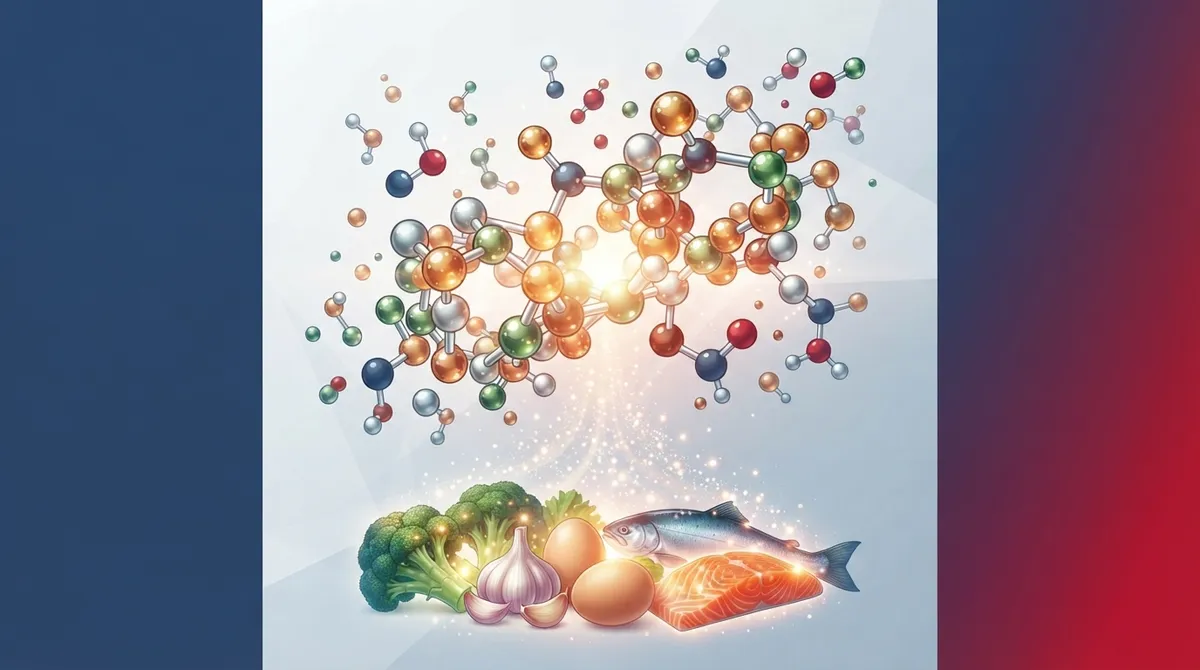
- Protein-rich foods (poultry, fish, eggs, legumes, nuts) combined with sulfur-rich vegetables (garlic, broccoli, Brussels sprouts) provide natural building blocks for glutathione without supplement risks.
- Direct oral glutathione supplements are unreliable because they break down during digestion; supporting your body's natural production through precursor amino acids (NAC, glycine) is more biologically effective.
- Lifestyle factors like poor sleep, smoking, heavy alcohol use, and chronic stress increase oxidative stress and deplete glutathione faster, making stress management and sleep quality critical for maintaining adequate levels.
Your body makes glutathione every single day. This master antioxidant fights off cell damage and keeps your immune system strong. But glutathione does not just appear out of nowhere. It needs specific raw materials, or building blocks, to get made inside your cells. If you are curious about wellness optimization, understanding these building blocks can help you make smarter choices about food, supplements, and your overall health plan.
At InCare, patients in Tampa and Riverview often ask about antioxidants and cellular health during wellness visits. This guide breaks down the 15 most important facts about glutathione building blocks. We will keep things simple, science-backed, and practical for your everyday life.
1. Glutathione Is Made From Three Amino Acids
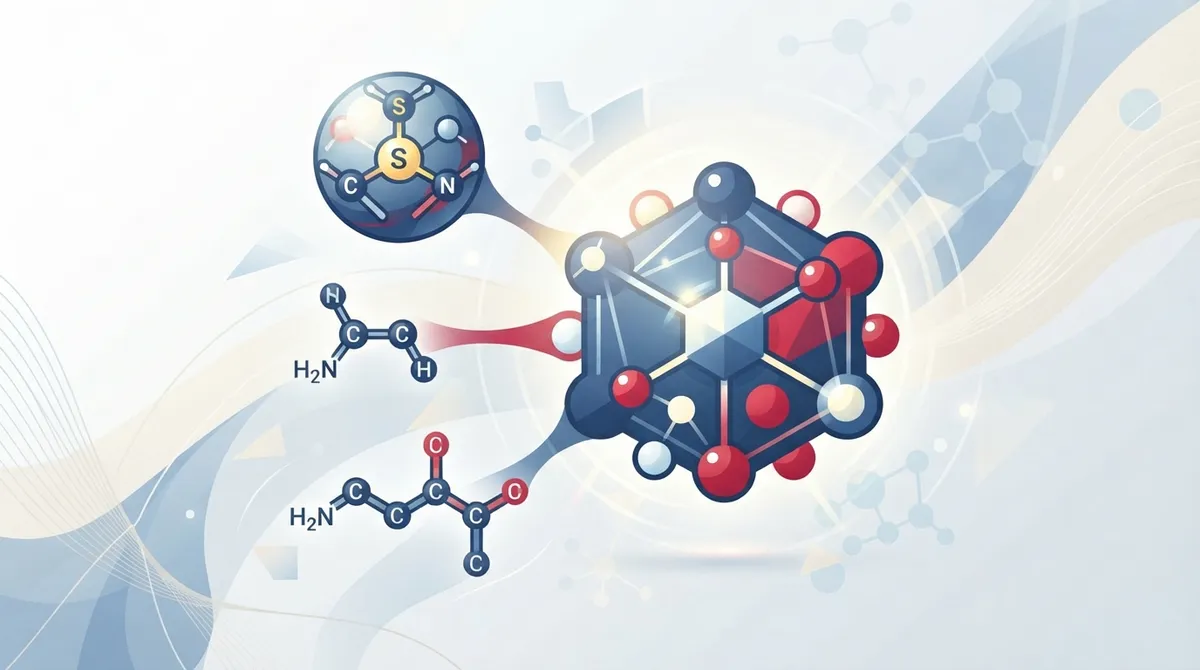
Glutathione is not one single molecule from food. It is a small protein called a tripeptide. It forms from three amino acids: glutamate, cysteine, and glycine. Your cells link these three pieces together to create the finished antioxidant.
2. The Body Builds Glutathione in Two Steps
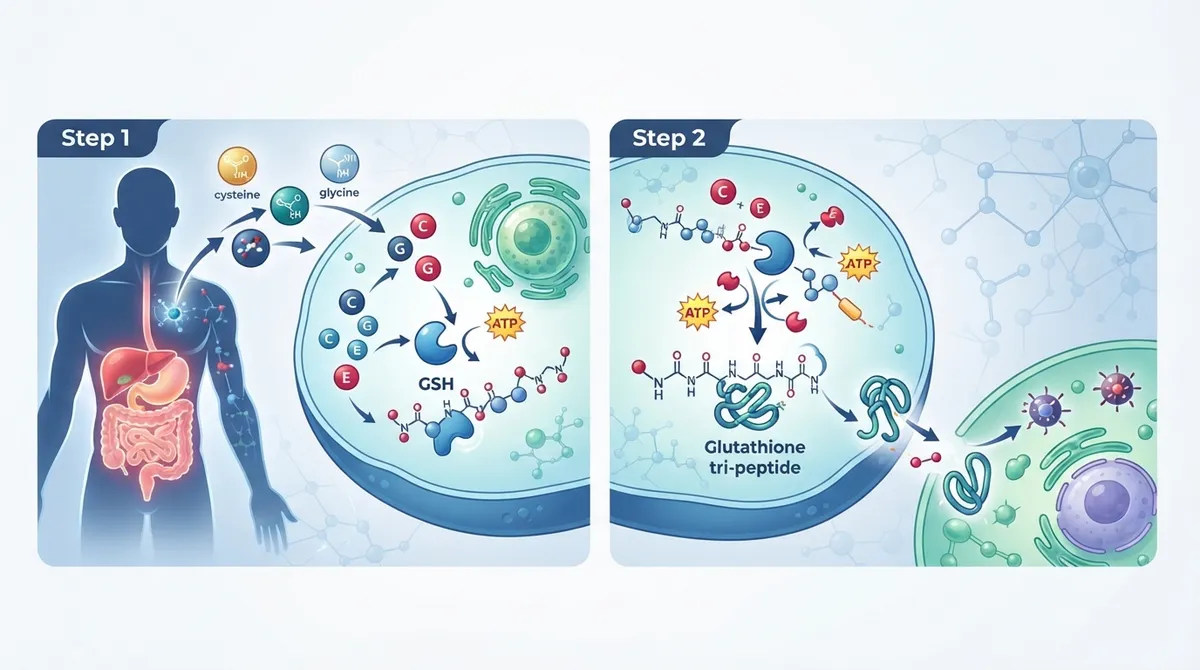
Making glutathione takes energy and precision. First, an enzyme called glutamate-cysteine ligase (GCL) joins glutamate and cysteine together. This creates a smaller compound. Then, a second enzyme called glutathione synthetase adds glycine to finish the job. Both steps require ATP, which is your cell's energy currency.
Why This Two-Step Process Matters
Since this process takes energy and careful enzyme activity, anything that stresses your cells can slow it down. This includes poor sleep, chronic illness, or nutrient deficiencies. A primary care checkup can help identify if underlying health issues are affecting your body's natural antioxidant production.
3. Cysteine Is the Most Limited Building Block
Of the three amino acids, cysteine is usually the hardest for your body to get enough of. It is fragile and breaks down easily from oxidation. This is why researchers often call cysteine the "rate-limiting" ingredient for glutathione production.
4. NAC Helps Deliver More Cysteine
N-acetylcysteine, known as NAC, is a popular supplement used in wellness clinics. NAC acts as a cysteine donor. It helps raise cysteine levels inside cells, which can support glutathione synthesis. Clinical reviews suggest that common NAC doses in research range from about 600 to 1,200 milligrams daily, split into smaller doses.
5. Glycine Can Also Become a Bottleneck
For a long time, cysteine got most of the attention. But newer research shows glycine matters too. A 2018 study found that low glycine levels can limit glutathione production, especially as people age. This means glycine deserves more attention in any wellness-focused diet plan.
Who Is Most at Risk of Low Glycine?
Older adults and people under high metabolic stress are more likely to run low on glycine. This includes those recovering from illness, managing chronic conditions, or dealing with high physical demands.
6. GlyNAC Combines Glycine and NAC Together
Researchers coined the term GlyNAC for a combination of glycine and NAC supplements. A small 2021 pilot study looked at GlyNAC in older adults with signs of oxidative stress. The combination was generally safe and well tolerated. It also appeared to raise glutathione markers. However, the study group was small, so larger trials are still needed before doctors can recommend it broadly.
7. Glutamate Is Rarely the Missing Piece
Unlike cysteine and glycine, glutamate is usually easy to get. It is one of the most common amino acids in protein-rich foods. Most healthy adults eating a balanced diet get plenty of glutamate through normal meals. This means your focus should stay on cysteine and glycine intake instead.
8. Protein-Rich Foods Supply All Three Building Blocks
A diet with enough protein gives your body raw materials for glutathione production. Foods that help include:
- Poultry like chicken and turkey
- Fish and seafood
- Eggs and dairy products
- Legumes such as beans and lentils
- Soy products like tofu and edamame
- Nuts and seeds
Eating a variety of these foods throughout the week supports steady amino acid supply for your cells.
9. Sulfur-Rich Vegetables Support Cysteine Metabolism
Certain vegetables contain sulfur compounds that help your body process cysteine more efficiently. These include:
- Garlic
- Onions
- Broccoli and cauliflower
- Brussels sprouts
- Cabbage
Adding these to your regular meals is a simple, food-based way to support your antioxidant systems.
10. Fruits and Vegetables Add Extra Antioxidant Support
While fruits and veggies do not directly provide glutathione's building blocks in large amounts, they offer vitamin C and other plant compounds. These nutrients work alongside glutathione to fight oxidative stress. A colorful plate with berries, citrus, leafy greens, and peppers rounds out a wellness-focused diet.
11. High-Protein Diets May Support Better Glutathione Levels
Since all three amino acid building blocks come from protein, eating enough protein each day matters. This is especially true for people focused on weight loss or muscle maintenance, since low-calorie diets can sometimes reduce protein intake too much. Working with a provider to balance calories and protein can help protect your body's natural antioxidant defenses.
12. Lifestyle Factors Affect How Much Glutathione You Need
Certain habits and conditions increase oxidative stress, which uses up glutathione faster. These include:
- Smoking or tobacco use
- Heavy alcohol consumption
- Chronic lack of sleep
- Poor diet high in processed foods
- Long-term stress
- Certain chronic illnesses
Addressing these factors through preventive care strategies can reduce the demand on your body's glutathione supply.
13. Direct Glutathione Supplements Are Not Always Reliable
You might see glutathione sold directly as a pill or capsule. However, research shows that oral glutathione can break down in the digestive system before it gets absorbed. This means taking glutathione itself may not raise levels in your body as effectively as supporting the building blocks. Precursor-based strategies, like NAC or glycine, may be more biologically sound, though outcomes still depend on your individual health situation.
Comparing Glutathione Support Options
|
Approach |
How It Works |
Considerations |
|---|---|---|
|
Direct oral glutathione |
Provides finished antioxidant molecule |
May be degraded during digestion; absorption varies |
|
NAC supplementation |
Supplies cysteine to support synthesis |
Can cause stomach upset; may interact with medications |
|
Glycine supplementation |
Adds a limiting building block |
Generally well tolerated in small studies |
|
Protein-rich diet |
Supplies all three amino acids naturally |
Foundational approach with fewer risks |
14. Not Everyone Should Take Precursor Supplements Casually
NAC and other supplements are not risk-free. NAC can cause digestive side effects like nausea or stomach discomfort. It may also interact with certain medications. People with existing health conditions, or those taking multiple prescriptions, should talk with a clinician before adding these supplements. This is one reason DNA gene testing and personalized health assessments can be valuable. They help identify your specific needs before you start any new regimen.
Selenium Deserves Caution Too
Some wellness plans pair selenium with glutathione support since selenium plays a role in antioxidant enzymes. However, the adult tolerable upper intake level for selenium is 400 micrograms per day. Going over this amount can cause toxicity. Selenium should never be added to a routine without guidance from a healthcare provider.
15. A Personalized Plan Works Better Than Guesswork
Everyone's body handles oxidative stress differently. Age, genetics, chronic conditions, and lifestyle all play a role in how much support your glutathione system needs. Instead of randomly trying supplements, working with a knowledgeable provider can help you build a plan based on your actual needs.
At InCare, our team looks at your whole health picture. This includes reviewing your diet, checking for chronic conditions, and discussing supplement safety. Whether you visit our Tampa or Riverview location, you get access to comprehensive services that go beyond a basic checkup.
Building a Practical Glutathione Support Routine
Supporting your body's antioxidant defenses does not require expensive treatments or complicated routines. Start with these foundational steps:
- Eat enough protein every day from varied sources
- Add sulfur-rich vegetables like garlic and broccoli to meals
- Get consistent, quality sleep each night
- Limit alcohol and avoid smoking
- Manage chronic stress through healthy coping strategies
- Discuss supplements like NAC or glycine with a healthcare provider first
These steps form a strong foundation before considering any advanced interventions.
How InCare Supports Whole-Body Wellness
Beyond glutathione, whole-body wellness involves many moving parts. InCare offers services like IV hydration and vitamin drips, body composition analysis, and metabolic breath analysis to help you understand your body better. These tools give you real data instead of guesswork, so your wellness decisions are based on facts.
For patients focused on prevention, cancer screenings and regular primary care visits in Riverview remain essential parts of a complete wellness strategy. Antioxidant support works best as one piece of a larger, well-rounded health plan.
Many of our patients also follow us on social media for helpful health tips. You can find wellness updates on our Facebook page, catch daily inspiration on Instagram, or watch quick health explainers on TikTok.
Frequently Searched Questions Answered Simply
Understanding the science behind glutathione does not need to be complicated. The building blocks are simple amino acids your body already knows how to use. The real work comes from supporting your body with good nutrition, healthy habits, and expert guidance when needed.
If you have questions about your antioxidant levels or want a personalized wellness plan, our team is ready to help. See what current patients say about their experience when you visit us on Google — InCare, where we maintain a strong reputation for friendly, knowledgeable care across Tampa and Riverview.
Take the Next Step Toward Better Cellular Health
Your glutathione levels do not have to be a mystery. With the right food choices, lifestyle habits, and professional guidance, you can support your body's natural defenses effectively. Our providers, including Dr. Pramjeet Ahluwalia and Dr. Naveen Paddu, are ready to discuss your wellness goals in detail.
Ready to build a personalized wellness plan that supports your cellular health? Book your appointment today and take the first step toward whole-body optimization with InCare.
FAQs
Q: What are the three building blocks of glutathione?
A: Glutathione is made from three amino acids: glutamate, cysteine, and glycine. Your cells combine these through a two-step enzymatic process to create the finished antioxidant tripeptide.
Q: Is cysteine or glycine the most important glutathione precursor?
A: Cysteine is traditionally considered the rate-limiting building block because it is scarce and easily oxidized. However, research shows glycine can also become limiting, especially in older adults, making both amino acids important.
Q: How does NAC help the body make glutathione?
A: N-acetylcysteine, or NAC, acts as a cysteine donor that raises intracellular cysteine levels. This supports the first step of glutathione synthesis, though it should be used under clinical guidance.
Q: Can a high-protein diet increase glutathione levels?
A: Yes, since all three glutathione building blocks come from dietary protein, eating adequate protein supports natural glutathione production. Combining this with sulfur-rich vegetables further supports the process.
Q: Are glutathione supplements better than NAC or glycine?
A: Direct oral glutathione may be degraded during digestion and absorbed inconsistently. Precursor-based approaches like NAC or glycine may be more biologically effective, though clinical evidence is still developing.