
Key Takeaways
- Glutathione depletion is a warning sign of cellular stress, not a disease itself; low levels indicate oxidative stress is outpacing your body's repair systems and usually point to underlying causes like aging, liver dysfunction, smoking, or poor nutrition.
- Research shows lower glutathione in heart failure (27.8% reduction in 21 of 25 studies) and fatty liver disease, but these are associations, not proven causes; large clinical trials are still missing, making supplementation evidence-limited.
- Oral glutathione supplements showed no significant benefit in healthy adults during clinical trials, while modest doses (300 mg daily for 3 months) in liver studies involved only 109 total participants, indicating insufficient evidence for routine supplementation.
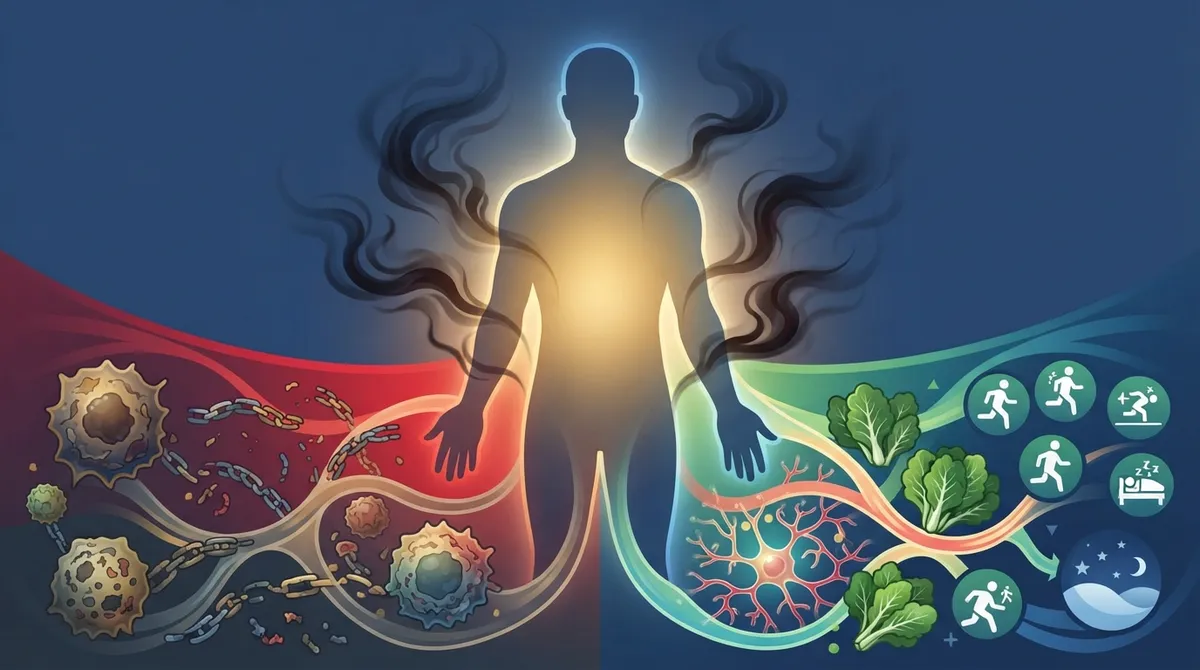
- Smoking, alcohol use, poor protein intake, chronic infections, and environmental toxin exposure are major modifiable factors that deplete glutathione; lifestyle changes like adequate sleep (7-9 hours), exercise, and eating sulfur-rich vegetables support natural production.
- No standard clinical test or reference range exists for diagnosing glutathione depletion in healthy adults; symptoms like fatigue and brain fog are nonspecific and require comprehensive medical evaluation rather than self-diagnosis or single supplement solutions.
- Personalized medical evaluation focusing on your complete health history, liver function, diet, and underlying conditions is more effective than chasing a single lab number; work with your provider to identify root causes before considering any supplementation.
Your body has a built-in defense system against damage from everyday stress, toxins, and aging. At the center of this system sits glutathione, a molecule most patients have never heard of until a wellness check reveals it's running low. Glutathione depletion is not a disease. It is a warning sign that your cells may be struggling to keep up with the demands placed on them.
At InCare, we see patients across Tampa and Riverview who want to understand why they feel tired, foggy, or run down even when standard labs look normal. Glutathione depletion is often part of that puzzle. This guide walks through 13 key facts, causes, and signs tied to low glutathione, based on current research, so you can have an informed conversation with your primary care provider.
What Glutathione Depletion Really Means
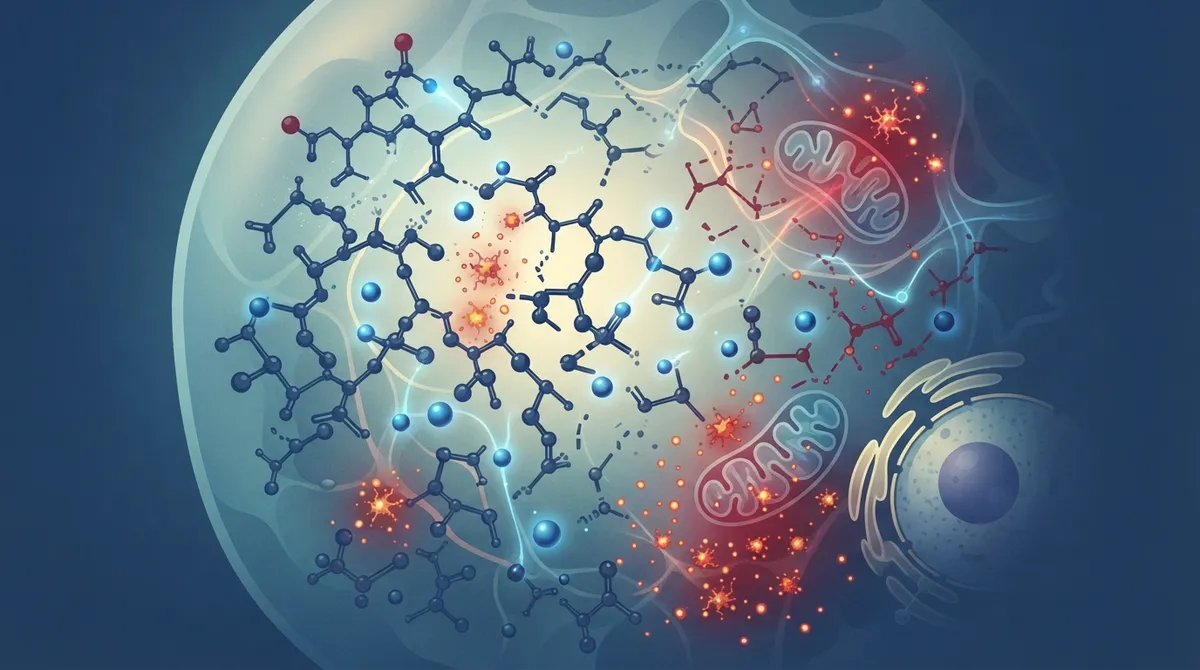
Glutathione is a small protein your body makes from three building blocks: glutamate, cysteine, and glycine. It lives inside your cells in large amounts, often between 1 and 10 millimoles per liter, according to a 2023 pharmacological review. This antioxidant helps neutralize harmful molecules, supports liver detox work, and keeps your immune system balanced.
Glutathione depletion happens when your cells cannot keep enough of this molecule in its active, reduced form. Oxidative stress rises faster than your body can repair it. This is a biological finding, not a stand-alone diagnosis. It usually points to something else going on underneath, which is why proper evaluation matters more than chasing a single lab number.
1. It Reflects an Imbalance, Not a Disease
Low glutathione is best understood as a signal. It tells your doctor that oxidative stress may be outpacing your body's repair systems. The real work is figuring out why that imbalance exists in the first place.
2. The Liver Plays a Central Role
Your liver is one of the main sites where glutathione gets made and recycled. When liver function is impaired, glutathione levels across your whole body can drop. This is one reason liver health checks matter during a annual wellness visit.
3. Aging Naturally Lowers Levels
As we age, our bodies tend to make less glutathione and recycle it less efficiently. This is one reason older adults often show more oxidative stress markers than younger patients, even without a specific illness.
13 Key Facts About Glutathione Depletion
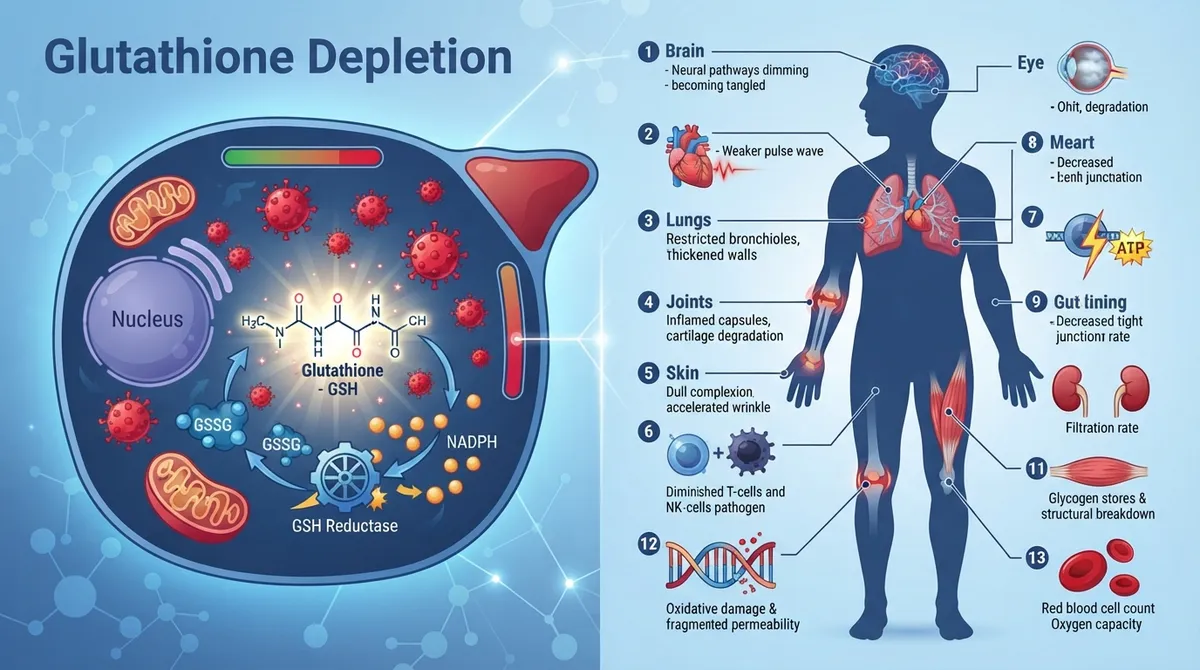
Below is a numbered breakdown of the most important points patients should know, based on current medical literature and clinical practice.
- It's linked to chronic disease, not proven to cause it. Research has found lower glutathione levels in patients with heart, lung, and liver conditions. This is an association, not solid proof of cause and effect.
- Heart failure research shows a strong pattern. A 2024 systematic review found lower glutathione measures in 21 of 25 human studies, with an average reduction of 27.8% compared to healthy controls.
- Fatty liver disease research is promising but limited. A 2025 review of glutathione therapy for fatty liver disease found improvements in liver enzymes across just 109 total participants in three small studies.
- Common oral doses used in research were modest. The liver studies mentioned above used 300 mg of oral glutathione daily for three months. This is not a universal recommendation for everyone.
- Healthy adults may not benefit from supplementation. A clinical trial found that four weeks of oral glutathione did not significantly change blood cell glutathione levels or oxidative stress markers in healthy people.
- Large clinical trials are still missing. As of December 2022, no phase III trial of glutathione for fatty liver disease was recruiting, according to a 2023 review.
- Smoking and alcohol use are major contributors. Both habits create extra oxidative stress that can drain your glutathione stores faster than your body can replace them.
- Poor nutrition limits raw materials. Since glutathione is built from amino acids, low protein intake can limit your body's ability to produce enough of it.
- Chronic infections and inflammation add strain. Ongoing immune activity uses up antioxidant reserves, including glutathione, over time.
- Environmental toxin exposure matters. Certain chemicals, medications, and radiation exposure can increase the demand for glutathione's detox functions.
- Symptoms are nonspecific. Fatigue, brain fog, frequent colds, and low exercise tolerance can all be linked to low glutathione, but they can also point to dozens of other conditions.
- There is no standard clinical test for healthy adults. Right now, there's no widely accepted reference range for diagnosing general glutathione depletion in people without an underlying disease.
- Lifestyle changes support your natural antioxidant system. Sleep, exercise, protein intake, and reducing toxin exposure all help your body maintain healthy glutathione levels.
What Can Cause Glutathione Depletion
Many different factors can push your glutathione reserves down. Some are lifestyle related, while others tie to underlying health conditions that need medical attention.
- Chronic inflammation or ongoing infection
- Liver disease or impaired liver function
- Heavy alcohol use or regular smoking
- Poor diet lacking adequate protein and key nutrients
- Exposure to environmental toxins or certain medications
- Severe illness, trauma, or major surgery
- Metabolic conditions like diabetes or obesity
- Natural aging processes
Since the causes vary so widely, a thorough annual physical exam that reviews your history, diet, habits, and medications is often more useful than jumping straight to a supplement.
Symptoms Sometimes Linked to Low Glutathione
It's important to understand that these symptoms are nonspecific. They cannot confirm glutathione depletion on their own, but they are common reasons patients bring up the topic during visits.
- Persistent fatigue that doesn't improve with rest
- Trouble concentrating or ongoing brain fog
- Getting sick more often than usual
- Reduced stamina during exercise or daily activity
- Slow recovery from illness or physical exertion
If you notice these patterns, the right next step is a conversation with your doctor rather than self-diagnosing. A comprehensive health screening can help identify whether an underlying condition, not just antioxidant status, is driving how you feel.
How Doctors Evaluate Glutathione Status
There is currently no single accepted lab test for diagnosing general glutathione depletion in an otherwise healthy adult. Research studies measure reduced and oxidized glutathione in blood cells or plasma, but results vary depending on the lab method and which body tissue is tested.
Because of this, primary care evaluation typically focuses on:
- Detailed patient history, including diet, alcohol, and tobacco use
- Current medications and supplement use
- Physical examination for signs of underlying illness
- Standard blood work tied to suspected conditions, such as liver panels
- Screening tests appropriate for your age and risk factors, including cancer screening
Comparing Common Approaches to Supporting Glutathione
|
Approach |
What It Involves |
Evidence Strength |
|---|---|---|
|
Dietary protein and nutrients |
Eating adequate protein, cruciferous vegetables, whey |
Supports natural production; well-established mechanism |
|
Lifestyle changes |
Sleep, exercise, quitting smoking, limiting alcohol |
Strong general health evidence; indirect glutathione support |
|
Oral glutathione supplements |
Capsules or tablets taken daily |
Mixed; limited benefit shown in healthy adults |
|
IV glutathione or NAC |
Administered through infusion under medical supervision |
Condition-specific; requires clinical guidance |
Conditions Where Glutathione Depletion Has Been Studied
Researchers have reported lower glutathione levels in several chronic conditions. It's worth repeating that association does not prove causation, but the patterns are worth knowing.
|
Condition Category |
Reported Finding |
|---|---|
|
Heart failure |
Lower glutathione in 21 of 25 human studies (2024 review) |
|
Fatty liver disease |
Improved ALT and oxidative markers in small trials (2025 review) |
|
Neurodegenerative conditions |
Reduced glutathione associated with oxidative neuronal damage |
|
Pulmonary conditions |
Lower antioxidant reserves reported in chronic lung disease |
|
Metabolic disorders |
Associated with insulin resistance and related markers |
Steps to Naturally Support Healthy Glutathione Levels
While supplementation remains condition-specific, several lifestyle steps have consistent support for overall antioxidant health. Here is a simple sequence to follow.
- Eat enough high-quality protein daily to supply amino acid building blocks.
- Add sulfur-rich vegetables like broccoli, cauliflower, and garlic to your meals.
- Get regular physical activity, which supports your body's antioxidant defenses.
- Prioritize 7 to 9 hours of quality sleep each night.
- Quit smoking and limit alcohol intake to reduce oxidative burden.
- Manage chronic conditions like diabetes with your care team.
- Reduce avoidable exposure to environmental toxins where possible.
- Schedule regular checkups to catch underlying issues early.
Many patients also explore IV hydration and vitamin drips as part of a broader wellness plan, though these should always be discussed with a licensed provider first.
When to Talk to Your Doctor
If you're dealing with ongoing fatigue, frequent illness, or unexplained low energy, it's worth bringing it up during your next visit. Your provider can review your full health picture, including DNA gene testing or body composition analysis, to look for patterns that a single antioxidant number cannot reveal on its own.
InCare's team, including providers like Dr. Pramjeet Ahluwalia, works with patients across Tampa and Riverview to build personalized plans rooted in current evidence rather than guesswork. You can also explore our full team of providers to find the right fit for your care.
Why Personalized Care Matters More Than Supplements Alone
It's tempting to reach for a bottle of glutathione pills when you feel run down. But research shows the picture is more complicated. Supplementation without understanding the underlying cause may not deliver the results you're hoping for.
A more effective path usually involves:
- A full review of your medical history and lifestyle habits
- Targeted lab work based on your specific symptoms
- A personalized plan that may include nutrition, activity, or medical treatment
- Follow-up visits to track your progress over time
This is the approach we take at InCare, where our Tampa and Riverview locations offer comprehensive evaluations that go beyond a single test result. You can follow our latest wellness updates on Facebook and Instagram, or see quick tips on Tik Tok.
Final Thoughts on Glutathione Depletion
Glutathione depletion is a meaningful signal, not a final answer. It reflects a strain on your body's natural defense systems and often points toward lifestyle factors, chronic conditions, or aging processes that deserve real attention. The best path forward is working with a provider who looks at your whole health picture, not just one number.
If you're ready to understand what's really behind your fatigue, low energy, or wellness concerns, our team is here to help. Book your appointment today and take the next step toward a personalized wellness plan built around your actual health needs. You can also read what our patients say by visiting our page to see InCare reviews on Google before your visit.
FAQs
Q: What is glutathione depletion, and how does it affect the body?
A: Glutathione depletion means your cells cannot maintain enough active glutathione to manage oxidative stress effectively. This can weaken your body's natural defense against cellular damage, though it is a biological finding rather than a standalone diagnosis.
Q: What causes low glutathione levels?
A: Common contributors include aging, chronic inflammation, liver disease, smoking, alcohol use, poor nutrition, and exposure to environmental toxins. The strength of evidence varies depending on the specific cause and condition involved.
Q: Can diet naturally increase glutathione levels?
A: Adequate protein intake and sulfur-rich foods like broccoli and garlic provide the building blocks your body needs to produce glutathione. However, diet alone may not fully correct depletion caused by an underlying medical condition.
Q: How is glutathione deficiency or depletion tested?
A: There is no universally accepted routine clinical test or reference range for diagnosing generalized depletion in healthy adults. Research studies measure glutathione in blood cells or plasma, but results vary by lab method and specimen type.
Q: Do oral glutathione, N-acetylcysteine, or intravenous glutathione supplements work?
A: Evidence remains condition-specific and limited. A clinical trial found that oral glutathione did not significantly improve levels in healthy adults, while small studies in liver disease showed promising but inconclusive results.