
Key Takeaways
- Glutathione is a naturally occurring tripeptide your body produces in nearly every cell; it functions as a primary antioxidant for cellular protection, not a cure-all despite marketing claims about detox miracles and anti-aging.
- Oral glutathione supplements show limited evidence of translating into broad health benefits for healthy adults, while IV glutathione requires medical supervision due to risks including allergic reactions, organ stress, and contamination from poorly regulated products.
- Glutathione participates in normal liver phase II metabolism as part of routine biochemical processing, not dramatic full-body detoxification; factors like poor nutrition, chronic illness, smoking, and aging naturally lower glutathione levels.
- You can support your body's natural glutathione production through sulfur-rich vegetables (broccoli, cauliflower), lean proteins, eggs, and dairy rather than immediately turning to supplements; discuss any glutathione product with a qualified provider first.
Search "glutathione definition" and you will find a flood of confusing claims about detox miracles and glowing skin. But behind the marketing hype is a real, well-studied molecule with a specific job inside your cells. Understanding what glutathione actually is, and what it can and cannot do, helps you make smarter choices about your health. Whether you are exploring wellness options for the first time or already tracking your biomarkers, this guide breaks down the science in plain language. We will cover the true definition, how it works, and where supplements fit into a responsible wellness plan grounded in primary care guidance.
1. What Glutathione Actually Is
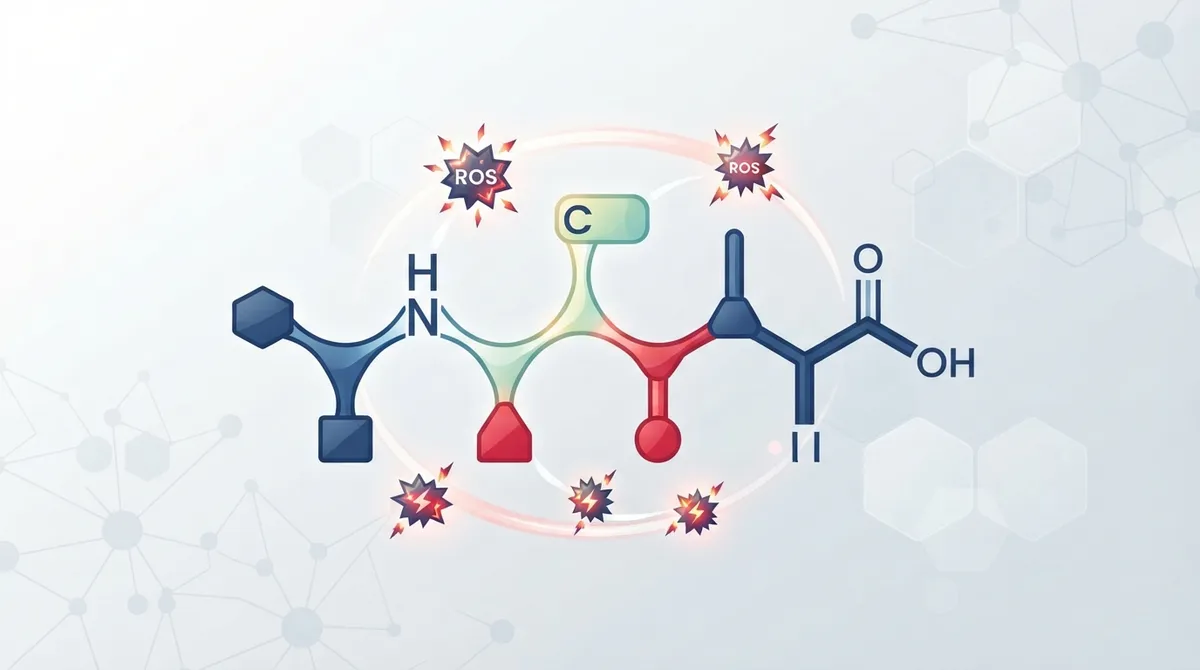
Glutathione, often shortened to GSH, is a small protein-like molecule called a tripeptide. It is built from three amino acids: glutamate, cysteine, and glycine. Its full scientific name is gamma-L-glutamyl-L-cysteinyl-glycine, but most people just call it GSH.
Your body makes glutathione on its own inside nearly every cell. It does not need to come from food or pills to exist in your system. This self-made quality makes it different from vitamins, which your body cannot produce and must get from outside sources.
2. Where Glutathione Lives in the Body
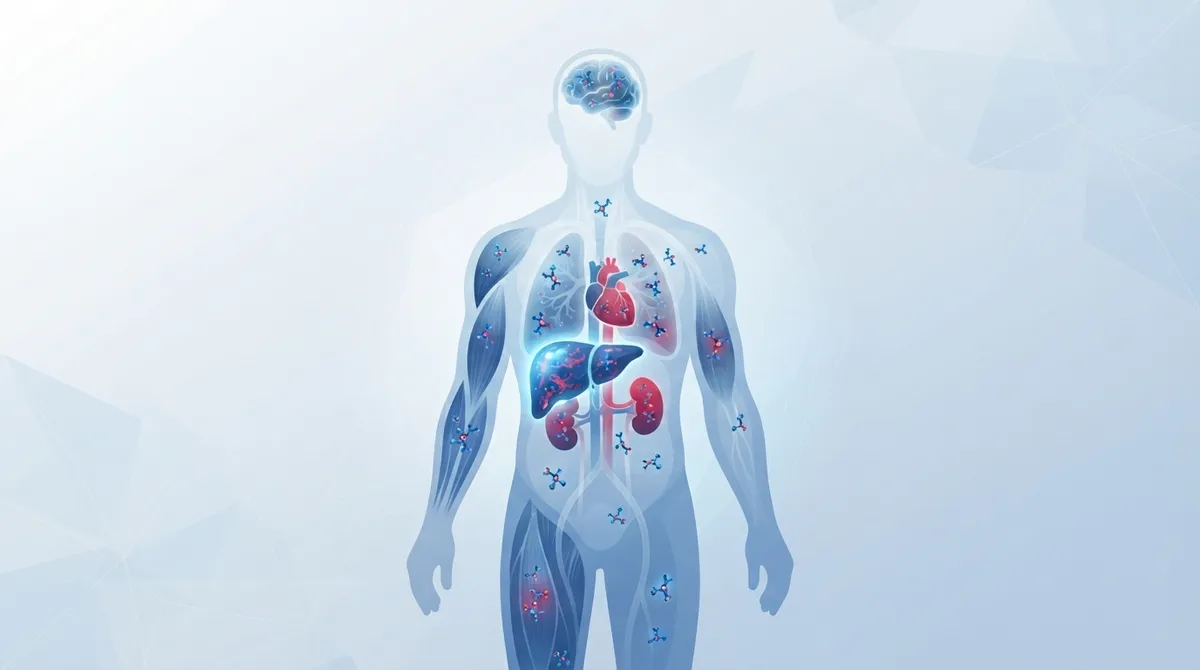
Glutathione is found in high amounts inside your cells. Reviews indexed by the National Institutes of Health report concentrations of roughly 1 to 10 millimolar, with many cells averaging around 5 millimolar. That makes it one of the most abundant antioxidant compounds your body produces on its own.
It is especially concentrated in the liver, since this organ handles much of the body's chemical processing. This is one reason glutathione often comes up in conversations about liver health during a wellness visit.
3. The Two Forms of Glutathione
Glutathione exists in two main states, and knowing the difference matters for understanding lab results.
- Reduced glutathione (GSH): The active, working form that performs antioxidant duties
- Oxidized glutathione (GSSG): The used-up form created after GSH neutralizes a harmful molecule
- Ratio matters: More than 95% of your cellular glutathione is normally in the reduced GSH form
- Redox balance: The GSH to GSSG ratio is a key marker doctors use to judge cellular stress
When this ratio shifts too far toward the oxidized form, it can signal that your cells are under heavier oxidative stress than usual.
4. Its Core Job: Antioxidant Defense
The main role of glutathione is protecting your cells from damage. It neutralizes reactive oxygen and nitrogen species, which are unstable molecules that can harm proteins, fats, and DNA if left unchecked.
Think of glutathione as an internal cleanup crew working around the clock. It supports key antioxidant enzymes, including glutathione peroxidase and glutathione S-transferase, which help carry out these protective reactions.
5. How Glutathione Supports Liver Function
Glutathione plays a role in what scientists call phase II detoxification in the liver. This is a normal, everyday biochemical process, not a dramatic full-body cleanse.
Here is a simplified look at how this process generally works:
- The liver identifies a drug, toxin, or byproduct that needs processing
- Enzymes attach glutathione to that compound
- This attachment makes the compound easier to dissolve in water
- The kidneys or digestive system then remove it from the body
This is why "detox" claims tied to glutathione should be viewed carefully. It is one part of ordinary liver metabolism, not a special cleansing ritual that flushes out unnamed toxins.
6. Beyond Antioxidants: Other Roles
Glutathione does more than fight oxidative stress. Research points to several additional functions worth knowing about.
- Maintaining healthy protein structure inside cells
- Supporting mitochondrial function, which affects cellular energy
- Contributing to immune cell signaling and regulation
- Helping recycle other antioxidants, including vitamin C and vitamin E
This wide range of jobs explains why glutathione gets attention in longevity and metabolic wellness conversations, including discussions around body composition and cellular health.
7. What Lowers Glutathione Levels
Several everyday factors can reduce how much glutathione your body has on hand. Recognizing these can help you understand your own risk factors.
- Poor nutrition, especially low protein intake
- Chronic illness and long-term inflammation
- Natural aging processes
- Smoking and heavy alcohol use
- Certain prescription medications
- High, prolonged oxidative stress from illness or injury
Low glutathione has been linked to some disease processes in research. However, a link is not the same as proof that raising glutathione levels treats or prevents those conditions.
8. Oral Supplements: What the Evidence Shows
Oral glutathione supplements are widely sold, but the science behind them is still developing. Small studies have tested doses in the range of 250 to 1,000 milligrams per day, usually lasting one to six months.
These studies mostly measure changes in biochemical markers, not major health outcomes like longevity or disease prevention. Some research suggests oral glutathione can raise measurable levels in certain body compartments. But there is not yet strong evidence that this translates into broad, proven health benefits for otherwise healthy adults.
|
Delivery Method |
Typical Use |
Key Consideration |
|---|---|---|
|
Oral capsules/tablets |
General wellness support |
Limited, short-term evidence base |
|
Topical creams |
Skin-focused claims |
Absorption and efficacy vary widely |
|
Inhaled formulations |
Respiratory-related research |
Studied mainly in specific conditions |
|
Intravenous (IV) |
Medically supervised wellness therapy |
Requires clinical oversight and screening |
9. IV Glutathione: Why Supervision Matters
Intravenous glutathione is marketed for energy, skin brightening, and general wellness. However, this delivery method carries more serious safety considerations than oral use.
Published concerns include allergic reactions, and in rare cases, anaphylaxis. There are also reports tied to liver or kidney stress, bronchospasm, and risks from poorly regulated compounded products. This is why any IV therapy, including IV hydration and vitamin drips, should always happen under qualified medical supervision rather than through unregulated pop-up clinics.
10. Who Should Be Cautious
Certain groups should talk with a clinician before starting any glutathione product, oral or IV. This conversation is especially important during a comprehensive primary care visit where your full health history is on record.
- People who are pregnant or breastfeeding
- Individuals with asthma
- Patients with liver or kidney disease
- People currently managing cancer
- Anyone taking multiple prescription medications
Supplements should never replace an accurate diagnosis, evidence-based treatment, good nutrition, quality sleep, or regular exercise.
11. The Skin-Lightening Question
Glutathione is sometimes marketed as a skin-lightening agent, usually through high-dose oral or IV use. This use requires careful qualification, since safety data specific to this purpose remains limited and inconsistent across products.
Anyone considering this application should discuss risks and realistic expectations with a licensed provider first, rather than relying on unverified online claims.
12. Foods That Support Natural Production
Rather than jumping straight to supplements, many wellness-focused patients start with nutrition. Certain foods provide the raw materials your body uses to make its own glutathione.
- Sulfur-rich vegetables like broccoli, cauliflower, and Brussels sprouts
- Lean proteins that supply cysteine and glycine
- Eggs and dairy products
- Garlic and onions
- Whey protein sources
Pairing smart nutrition with a broader wellness strategy, such as a personalized weight loss program or DNA gene testing, can help you build a more complete picture of your metabolic health.
13. How to Approach Glutathione Responsibly
The safest way to explore glutathione is through informed, medically guided decisions rather than trends you see on social media. A qualified provider can review your labs, medications, and goals before recommending any product or therapy.
At InCare, our providers in Tampa and Riverview integrate wellness conversations into thorough primary care visits, so recommendations are based on your actual health picture. This includes reviewing your cancer screening history, current medications, and lifestyle factors before discussing any antioxidant therapy.
Making an Informed Decision About Glutathione
Understanding the glutathione definition means separating real biology from marketing claims. It is a naturally occurring antioxidant with clear, well-documented roles in protecting your cells and supporting liver metabolism. What it is not, based on current evidence, is a proven cure-all for aging, chronic disease, or immune weakness.
If you are curious whether glutathione support fits into your personal wellness plan, the best next step is a conversation with a trusted clinician. Our team also offers hair restoration, metabolic breath analysis, and other advanced wellness services that pair well with antioxidant-focused care. You can follow ongoing health tips from our team on Facebook, Instagram, and TikTok for more practical wellness guidance.
Patients across Tampa and Riverview continue to share their experiences, and you can visit us on Google — InCare to read those reviews for yourself. If you are ready to discuss glutathione, antioxidant support, or any other wellness goal with a licensed provider, book your appointment today and take the next step toward whole-body health.
FAQs
Q: What is glutathione in simple terms?
A: Glutathione is a small molecule made of three amino acids that your body produces naturally in nearly every cell. Its main job is protecting cells from damage caused by unstable molecules, functioning as one of the body's most important internal antioxidants.
Q: Is glutathione an antioxidant?
A: Yes, glutathione is considered one of the body's primary antioxidants. It neutralizes reactive oxygen and nitrogen species and supports key antioxidant enzymes like glutathione peroxidase, helping protect cells from oxidative stress.
Q: Can oral glutathione supplements raise glutathione levels?
A: Small studies suggest oral glutathione may increase measurable levels in certain body compartments. However, current evidence does not confirm that this leads to major health benefits like improved longevity or disease prevention in healthy adults.
Q: Are glutathione injections safe?
A: Intravenous glutathione carries more safety concerns than oral forms, including reports of allergic reactions, organ stress, and risks from poorly regulated products. It should only be used under qualified medical supervision after a proper health evaluation.
Q: Does glutathione detox the liver or remove toxins?
A: Glutathione participates in normal liver phase II metabolism, helping process certain drugs and compounds so they can be eliminated. This is a routine biochemical function, not a special detox that removes unspecified toxins from the entire body.