
Key Takeaways
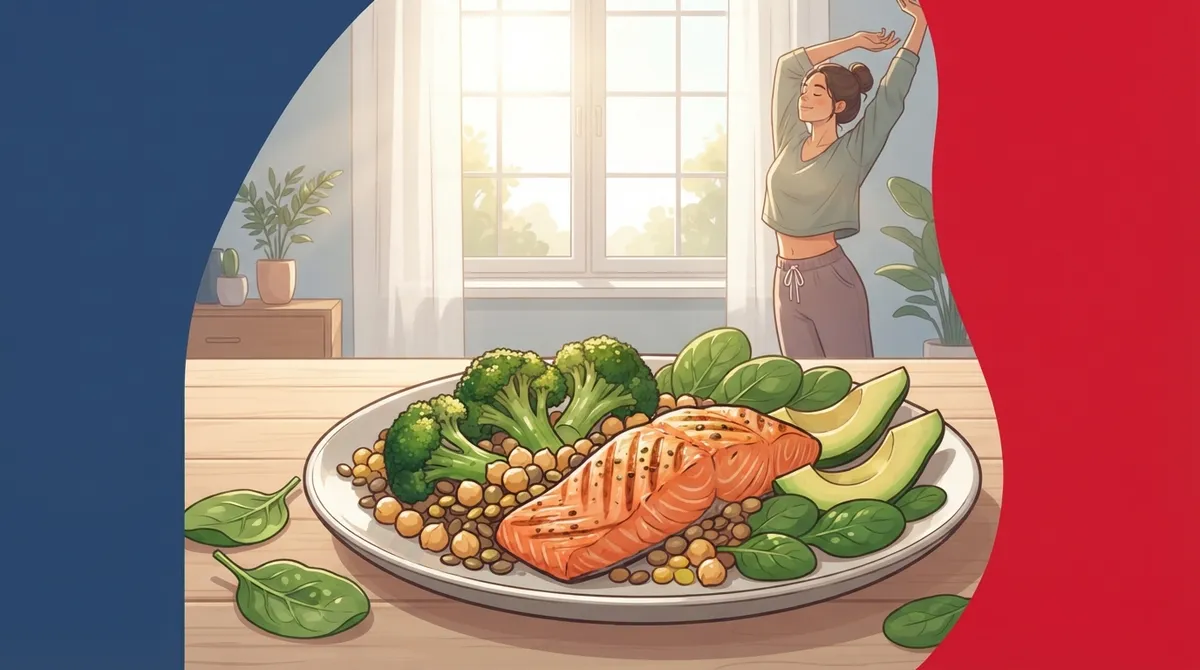
- Your body naturally produces glutathione from amino acids, so focus on eating protein-rich foods like fish, eggs, and legumes that supply the building blocks (cysteine and glycine) rather than trying to absorb glutathione directly from food.
- Eating glutathione-rich foods like spinach or avocado does not significantly raise blood glutathione levels because digestion breaks down most of it before absorption; instead, prioritize brassica vegetables (broccoli, kale, cabbage) several times weekly to activate your body's antioxidant pathways.
- Avoid high-dose supplements and IV glutathione without medical guidance, as oral glutathione shows inconsistent evidence and IV glutathione carries serious risks including allergic reactions and liver toxicity.
- A Mediterranean or DASH-style diet combined with lifestyle factors—adequate sleep, regular exercise, avoiding tobacco, and managing blood sugar—has a bigger impact on antioxidant balance than any single supplement.
Glutathione has become one of the most talked-about antioxidants in wellness circles, and many people assume that eating certain foods or taking a supplement will instantly boost their levels. This assumption leads to real mistakes, from wasted money to unnecessary health risks. Understanding how glutathione and diet actually work together can help you make smarter, safer choices for your long-term health.
Glutathione is a natural antioxidant your body makes from three amino acids: glutamate, cysteine, and glycine. It is not a vitamin, and it is not something you must get from food in exact amounts. Instead, your diet supports your body's own ability to produce it. At InCare, our providers in Tampa and Riverview help patients separate wellness trends from evidence-based nutrition strategies. Below are 12 common mistakes people make when trying to support glutathione through diet, along with what the research actually shows.
Mistake 1: Believing Glutathione Is an Essential Nutrient
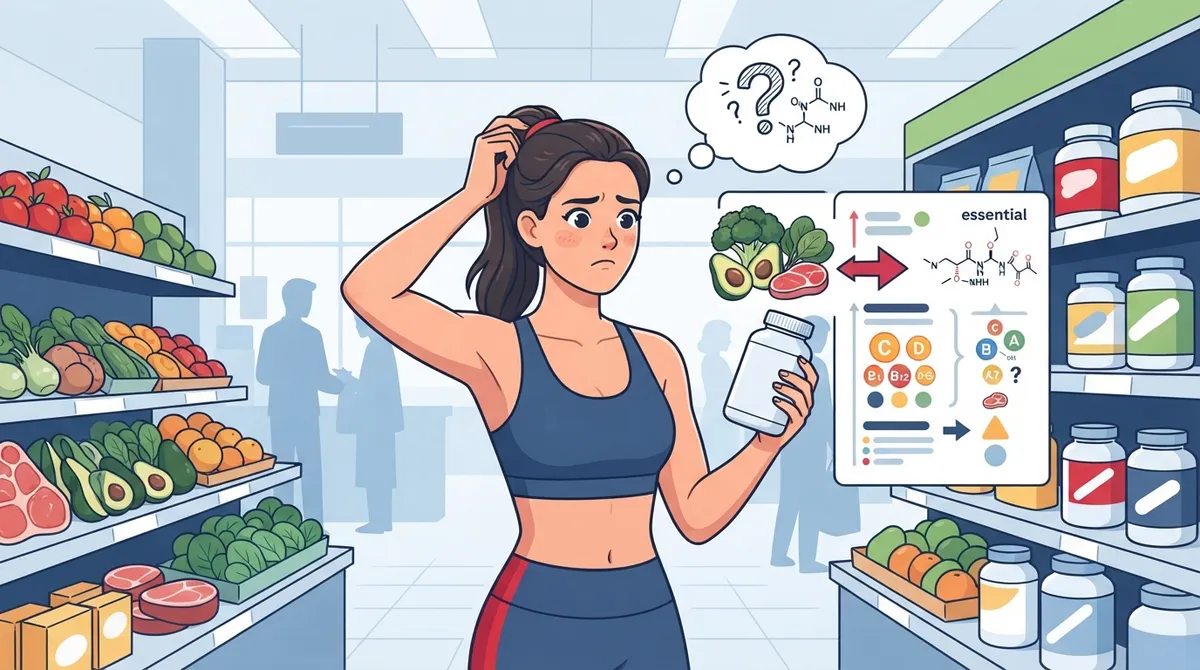
Many people treat glutathione like a vitamin you must consume daily. It is not. Your body naturally produces glutathione, and it plays a role in cellular protection, detox reactions, and balancing oxidative stress. Because your body makes its own supply, there is no official recommended daily intake, unlike vitamin C or calcium.
This misunderstanding often leads to overspending on supplements that promise to "replace" something your body already produces. A better strategy is supporting your body's natural production through balanced nutrition, something a primary care provider can guide you through during a wellness visit.
Mistake 2: Assuming All Glutathione-Rich Foods Work the Same Way
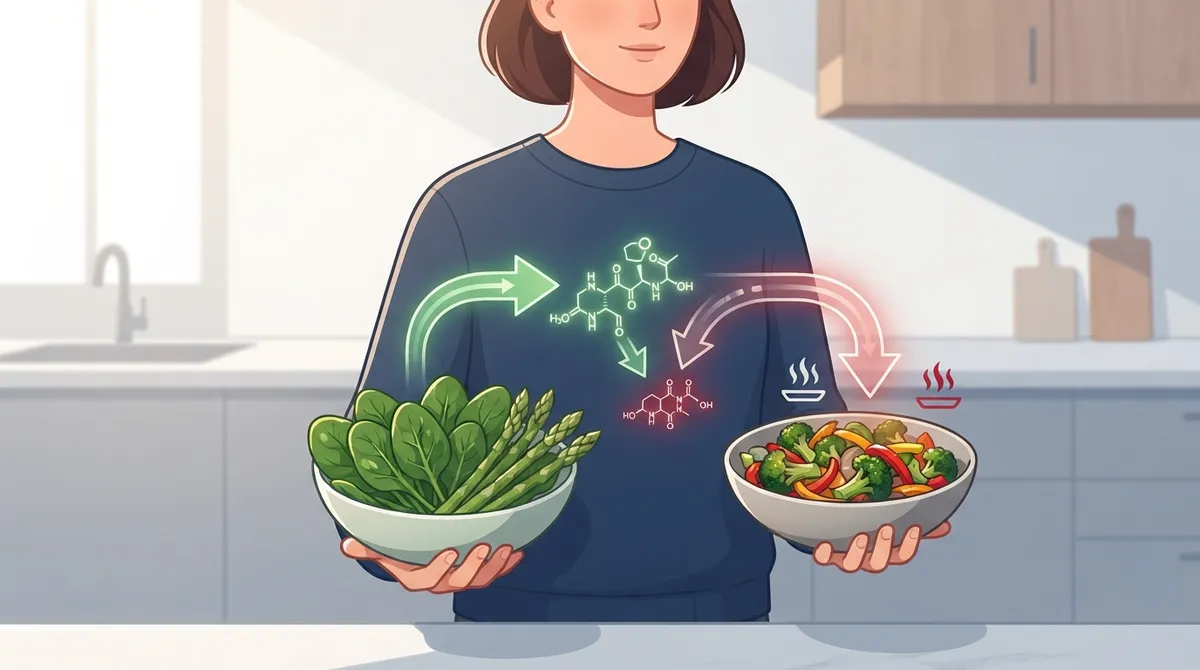
Foods contain varying amounts of glutathione, but the numbers are not consistent. Freshness, cooking method, and plant variety all affect glutathione content in food.
- Spinach: approximately 9.62–28.90 mg per 100 g
- Asparagus: approximately 10.73–21.80 mg per 100 g
- Avocado: approximately 15.5 mg per 100 g
- Strawberries: approximately 11.6 mg per 100 g
- Tomatoes: approximately 2.5 mg per 100 g
- Apples: approximately 1.5 mg per 100 g
These numbers vary by testing method and growing conditions, so treating any single food as a guaranteed glutathione source is misleading.
Table: Reported Glutathione Content in Common Foods
|
Food |
Reported Glutathione (mg per 100g) |
|---|---|
|
Spinach |
9.62–28.90 |
|
Asparagus |
10.73–21.80 |
|
Avocado |
15.5 |
|
Legumes (mung, black, kidney, pinto) |
15–37 |
|
Strawberries |
11.6 |
|
Lemons |
10.5 |
|
Tomatoes |
2.5 |
|
Apples |
1.5 |
Mistake 3: Thinking Eating Glutathione Foods Raises Blood Levels
Eating spinach or avocado does not mean your blood glutathione level rises by the same amount. Digestion breaks down much of the glutathione in food before it can be absorbed intact. Research shows food-based glutathione is not equivalent to a therapeutic dose.
Instead, focus on foods that supply the building blocks: cysteine and glycine. These amino acids help your body manufacture its own glutathione internally, which is a more reliable strategy than hoping for direct absorption.
Mistake 4: Ignoring Protein's Role in Glutathione Production
Since glutathione is made from amino acids, protein intake matters more than people realize. Foods that supply cysteine and glycine include:
- Fish and seafood
- Poultry and eggs
- Dairy products or whey protein
- Legumes such as beans and lentils
- Nuts and seeds
A diet low in protein can limit your body's ability to produce adequate glutathione, regardless of how many antioxidant-rich vegetables you eat.
Mistake 5: Overlooking Brassica Vegetables
Broccoli, cabbage, kale, and cauliflower contain sulfur compounds, including glucosinolate-derived substances like sulforaphane. These compounds may activate your body's own antioxidant-response pathways, supporting glutathione activity indirectly rather than supplying it directly.
Adding a serving of brassica vegetables several times a week is a practical, food-first approach that complements a Mediterranean- or DASH-style eating pattern.
Mistake 6: Megadosing on Micronutrients Without Guidance
Several nutrients support glutathione metabolism, including selenium, riboflavin, niacin, vitamin B6, B12, folate, vitamin C, and vitamin E. However, more is not always better.
For example, the tolerable upper intake level for selenium in adults is 400 micrograms per day. Exceeding this consistently can cause toxicity, including hair loss, nail changes, and neurologic symptoms. A DNA gene testing panel or lab work through your provider can help identify actual deficiencies before you start supplementing blindly.
Mistake 7: Confusing Oral Glutathione With Guaranteed Results
Oral glutathione supplements have been studied in doses around 500–1,000 mg per day in small trials. Some studies show changes in glutathione markers, but the evidence is inconsistent and does not prove benefits for general wellness or disease prevention in the wider population.
If you are considering a supplement, a conversation with your provider is the safest first step, especially if you are pregnant, managing a chronic illness, or taking other medications.
Mistake 8: Treating NAC as a Wellness Cure-All
N-acetylcysteine, or NAC, is a glutathione precursor used medically in specific situations, most notably acetaminophen poisoning. It is not designed as a general wellness supplement.
Study doses of NAC commonly range from 600–1,200 mg per day, with higher amounts used in select research settings. Oral NAC frequently causes gastrointestinal discomfort and can interact with certain medications. Self-prescribing NAC without medical guidance is a mistake that can backfire.
Mistake 9: Seeking Out IV Glutathione for Cosmetic Reasons
Intravenous glutathione has gained popularity for skin lightening and "detox" purposes, but it is not a routine primary care intervention. Reports have raised concerns about:
- Anaphylaxis and allergic reactions
- Liver toxicity (hepatotoxicity)
- Infection risk from unregulated products
- Lack of standardized dosing
Compare this to safer, evidence-based options like IV hydration and vitamin drips, which are formulated and monitored by clinical staff for hydration and nutrient support rather than unproven detox claims.
Table: Oral vs. Intravenous Glutathione Comparison
|
Factor |
Oral Glutathione |
Intravenous Glutathione |
|---|---|---|
|
Absorption |
Variable, often broken down in digestion |
Direct into bloodstream |
|
Regulation |
Available as dietary supplement |
Not standardized for wellness use |
|
Reported Risks |
Mild GI discomfort in some studies |
Anaphylaxis, liver toxicity, infection risk |
|
Clinical Evidence |
Limited, mixed results |
Insufficient for routine wellness use |
Mistake 10: Ignoring Lifestyle Factors That Affect Oxidative Stress
Many people focus only on food or supplements while ignoring bigger lifestyle contributors to oxidative stress. Evidence-based priorities include:
- Avoiding tobacco smoke
- Limiting alcohol intake
- Getting consistent, quality sleep
- Exercising regularly
- Managing blood sugar and metabolic health
- Correcting known nutrient deficiencies
These habits often have a bigger impact on antioxidant balance than any single supplement. A weight loss program combined with regular checkups can address several of these factors at once.
Mistake 11: Skipping Screening for Underlying Conditions
People with malnutrition, liver disease, kidney disease, uncontrolled diabetes, or severe infections may have altered glutathione metabolism. Self-treating with supplements in these cases can mask a bigger problem.
Instead of guessing, schedule a visit for proper screening. Services like cancer screening and routine bloodwork can catch issues early, before they affect your body's antioxidant systems in ways diet alone cannot fix.
Mistake 12: Not Distinguishing Lab Markers From Real Health Outcomes
A supplement may raise a glutathione marker on a lab test without proving it improves your actual health or prevents disease. This is an important distinction. Current evidence supports eating a nutrient-dense diet and getting enough protein, but stronger clinical trials are still needed to define who benefits from supplementation, what dose is appropriate, and whether long-term use is safe.
This is why working with a knowledgeable primary care physician matters more than following wellness trends found online.
A Practical, Food-First Approach
Rather than chasing a single antioxidant, consider a broader dietary pattern. A Mediterranean- or DASH-style diet emphasizing vegetables, fruit, legumes, whole grains, nuts, lean protein, and fish supports your body's natural glutathione production while also improving heart and metabolic health.
Here is a simple weekly approach:
- Include a brassica vegetable (broccoli, kale, cabbage) at least 3–4 times per week
- Add a protein source with each meal, such as eggs, fish, or legumes
- Rotate colorful fruits and vegetables for variety in antioxidants
- Limit alcohol and avoid tobacco products
- Stay hydrated and prioritize 7–9 hours of sleep nightly
For patients wanting a more personalized plan, body composition analysis and metabolic breath analysis at InCare can help tailor nutrition recommendations to your specific metabolic needs.
When to Talk to Your Doctor
You should discuss glutathione supplementation with a clinician if you are pregnant, have asthma, take regular medications, have chronic illness, or are planning surgery. Supplement quality, dosing, and interactions vary widely, and self-directed high-dose use is not recommended.
Our providers, including those featured on our provider team page, can review your current medications and health history before recommending any supplement strategy. You can also follow along with wellness tips on our Instagram page or catch quick health facts on our TikTok channel.
For general education on antioxidants and nutrition, resources from the National Institutes of Health Office of Dietary Supplements and the Centers for Disease Control and Prevention offer additional guidance grounded in current research.
Conclusion
Glutathione and diet work together in ways that are more nuanced than most wellness marketing suggests. Rather than chasing a single food or supplement, focus on a balanced, protein-rich diet, brassica vegetables, and healthy lifestyle habits that support your body's natural antioxidant defenses. If you have questions about your nutrition, supplement safety, or want a personalized wellness plan, our team at InCare in Tampa and Riverview is ready to help. Patients consistently share positive experiences with our staff, so feel free to visit us on Google — InCare to see what others are saying, or follow us on Facebook for wellness updates. Ready to build a nutrition plan that actually supports your health goals? Book your appointment today and start with a plan backed by real evidence.
FAQs
Q: What foods are naturally high in glutathione?
A: Fresh vegetables like spinach and asparagus, along with avocado, legumes, and strawberries, contain measurable glutathione. However, amounts vary widely based on freshness, cooking, and plant variety, so no single food guarantees a consistent dose.
Q: Can a healthy diet increase glutathione levels?
A: A balanced diet rich in protein, brassica vegetables, and key micronutrients supports your body's own glutathione production more reliably than eating glutathione-containing foods directly. Digestion breaks down much of the glutathione found in food before it can be absorbed intact.
Q: Are glutathione supplements safe, and who should avoid them?
A: Oral glutathione and precursor supplements like NAC show mixed results in small studies, with mild side effects such as gastrointestinal discomfort. Pregnant individuals, those with chronic illness, or people on medications should consult a clinician before starting any supplement.
Q: What is the difference between oral and intravenous glutathione?
A: Oral glutathione is a dietary supplement with variable absorption and limited clinical evidence. Intravenous glutathione carries more serious risks, including allergic reactions and liver toxicity, and is not considered a routine primary care treatment.
Q: Should I have my glutathione level tested?
A: Testing may be useful if you have a condition affecting glutathione metabolism, such as liver disease or chronic illness, but routine testing is not recommended for most healthy adults. A primary care visit can help determine if testing makes sense for your situation.