

Key Takeaways
- Glutathione deficiency has two distinct meanings: a rare inherited genetic disorder (glutathione synthetase deficiency) present from birth, and reduced levels from aging or chronic illness—confusing the two can lead to unnecessary supplements or missed serious diagnoses.
- Common fatigue, brain fog, and frequent infections have many more likely causes (thyroid problems, iron deficiency, poor sleep, depression) than glutathione deficiency, so persistent symptoms require full medical workup with bloodwork and detailed history before considering glutathione status.
- True glutathione synthetase deficiency requires specialized testing including red/white blood cell glutathione measurement, enzyme activity tests, urine organic-acid analysis for 5-oxoproline, and genetic GSS gene testing—there is no single blood test like cholesterol screening.
- Serious warning signs requiring immediate medical attention include unexplained hemolytic anemia, anemia with metabolic acidosis, neurologic symptoms like seizures, or elevated 5-oxoproline in urine, especially in infants or those with family history of metabolic disorders.
Feeling tired all the time? Catching every cold that goes around? You may have searched online and found claims linking these problems to low glutathione. Glutathione is a powerful antioxidant your body makes naturally. But here's what many wellness articles don't tell you: most fatigue and immune complaints have far more common causes than glutathione deficiency. Understanding the real signs, causes, and testing options can help you get the right care instead of guessing.
At InCare, our Tampa and Riverview clinics take a whole-body approach to symptoms like fatigue, frequent illness, and low energy. We look at your full health picture before jumping to conclusions about any single nutrient or antioxidant. This guide breaks down 10 things you need to know about glutathione deficiency symptoms, so you can make informed choices about your health.
1. What Glutathione Actually Does in Your Body
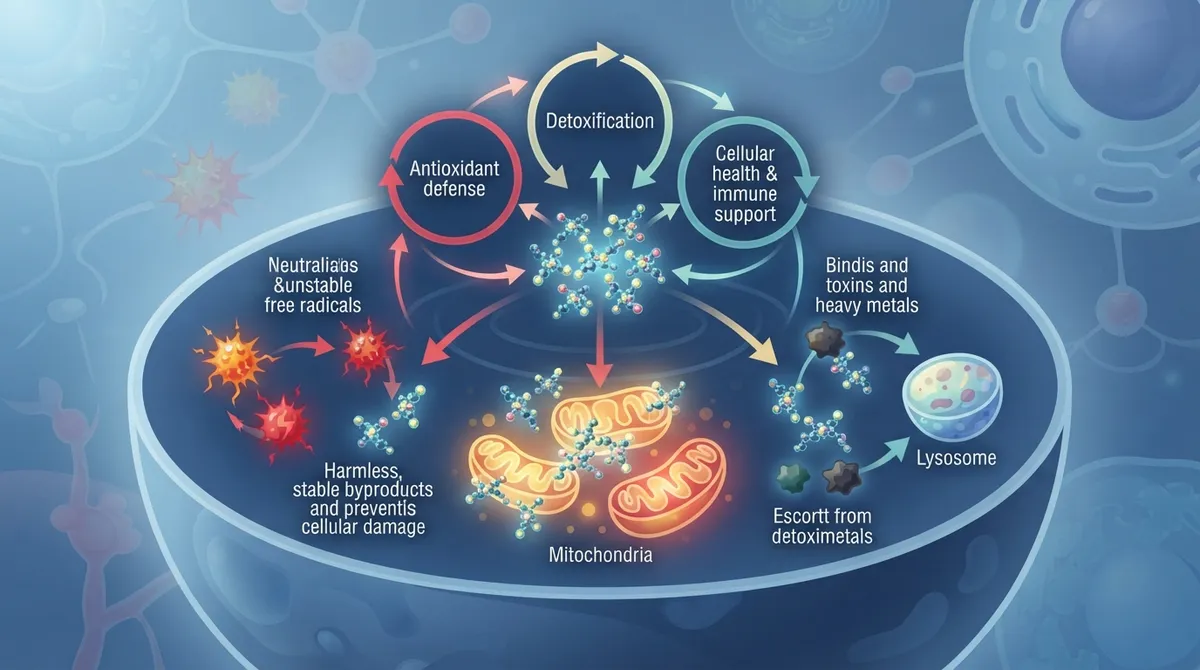
Glutathione is made from three building blocks: cysteine, glycine, and glutamate. Your cells use it to fight off damage from unstable molecules called reactive oxygen species. It also supports your liver's detox pathways and helps your immune system work properly.
Cell glutathione levels typically fall between 1 and 10 millimolar, though this varies by tissue and how it's measured, according to a 2023 review in Frontiers in Medicine. This wide range shows why a single blood test rarely tells the whole story about your antioxidant status.
2. Two Very Different Meanings of "Glutathione Deficiency"
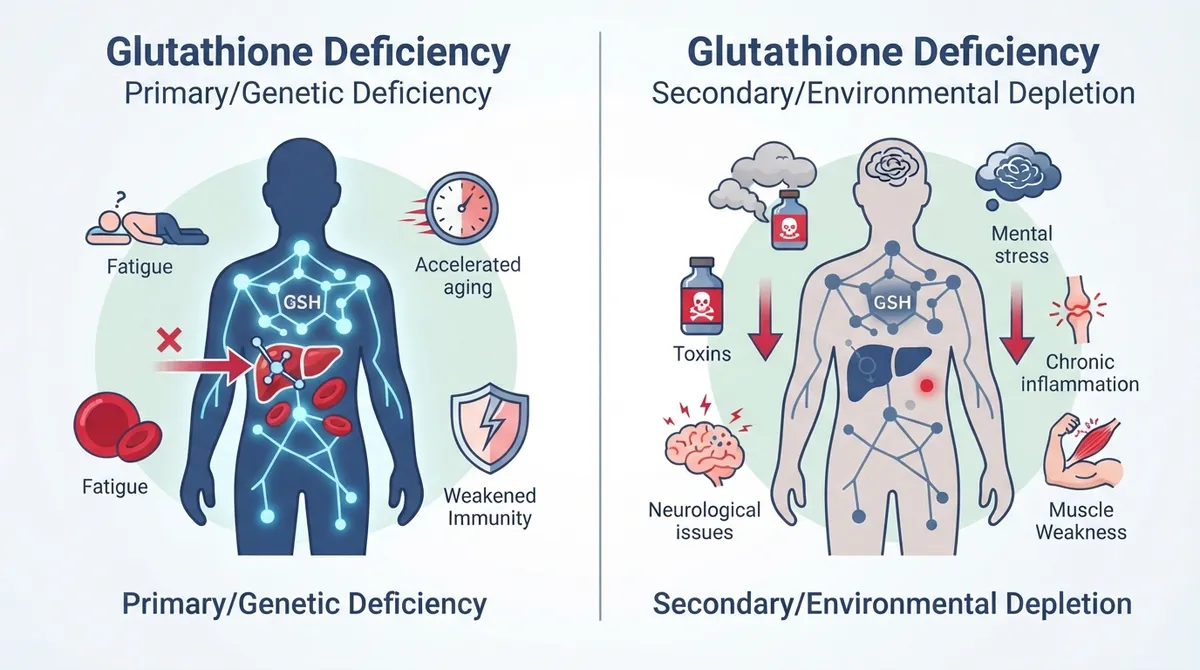
This is the most important thing to understand. "Glutathione deficiency" can mean two completely different things:
- A rare inherited genetic disorder called glutathione synthetase deficiency, present from birth
- Reduced glutathione levels linked to aging, poor diet, chronic illness, or oxidative stress
These are not the same condition, and they don't get treated the same way. Confusing the two can lead people toward unnecessary supplements or missed diagnoses of serious inherited conditions. If you're unsure which applies to you, a conversation with a primary care provider is the safest first step.
3. The Nonspecific Symptoms Everyone Talks About
Most online lists of glutathione deficiency symptoms describe things that are, frankly, vague. These include:
- Ongoing fatigue that doesn't improve with rest
- Reduced stamina during exercise or daily activities
- Getting sick more often than usual
- Slower recovery from illness or injury
- Worsening of an existing health condition
Here's the catch: these symptoms don't prove you have low glutathione. They have dozens of other, more likely explanations. Thyroid problems, iron deficiency, poor sleep, depression, and chronic infections can all cause the exact same complaints.
4. Why Fatigue and Brain Fog Need Real Investigation
Patients often ask if low glutathione causes brain fog or constant tiredness. The honest answer is that there's no reliable symptom checklist that confirms this. Persistent or worsening fatigue deserves a full medical workup, not a guess based on internet articles.
Our providers, including Dr. Pramjeet Ahluwalia and Dr. Naveen Paddu, start with standard bloodwork and a detailed history before considering anything as niche as glutathione status. This approach catches the true cause faster and avoids wasted time on the wrong treatment.
5. The Serious Inherited Disorder: Glutathione Synthetase Deficiency
Glutathione synthetase deficiency is a rare, inherited condition. It usually shows up in infancy or childhood, not adulthood. Doctors classify it into three severity levels:
|
Severity |
Common Symptoms |
|---|---|
|
Mild |
Hemolytic anemia (red blood cell breakdown) |
|
Moderate |
Anemia plus metabolic acidosis and 5-oxoprolinuria |
|
Severe |
Seizures, developmental delay, ataxia, recurrent infections, jaundice, respiratory distress |
In the most severe form, intracellular glutathione may drop below 10% of normal levels, according to a 2025 MedLink Neurology clinical review. This is a genetic condition passed down from both parents (autosomal recessive), not something caused by diet or lifestyle in adulthood.
6. Warning Signs That Require Immediate Medical Attention
Certain symptom combinations should never be brushed off as "just low glutathione." See a doctor right away if you or your child experience:
- Unexplained hemolytic anemia (pale skin, extreme fatigue, yellowing skin or eyes)
- Anemia combined with metabolic acidosis
- Elevated 5-oxoproline found in urine testing
- Neonatal illness with no clear cause
- Neurologic symptoms like seizures or poor coordination
- A family history of similar unexplained symptoms
Sadly, at least one-third of the most severely affected infants with this inherited disorder die from acidosis during the neonatal period, based on specialist literature reviewed by MedLink Neurology in 2025. Early diagnosis truly saves lives. If you notice these signs, don't wait, reach out to our care team or seek urgent evaluation.
7. How Doctors Actually Test for Glutathione Problems
There is no single blood test that "checks your glutathione" the way you'd check cholesterol. Diagnosis of the inherited disorder typically requires:
- Measuring glutathione levels in red or white blood cells
- Testing glutathione synthetase enzyme activity
- Urine organic-acid analysis to detect elevated 5-oxoproline
- Genetic testing of the GSS gene for confirmation
This is specialized testing, usually ordered through hematology or metabolic medicine specialists. For general wellness concerns, our DNA gene testing and lab panels can help identify other contributing factors to fatigue and low energy first.
8. Common Causes of Reduced Glutathione Availability
Instead of assuming deficiency, primary care should first rule out ordinary explanations. Common contributors to reduced antioxidant capacity include:
- Aging, which naturally lowers glutathione synthesis over time
- Poor nutrition or inadequate protein intake
- Chronic illness and ongoing inflammation
- Heavy alcohol use
- Liver or kidney disease
- Certain medications and toxic exposures
Research published in Science Direct on aging and oxidative stress supports the idea that glutathione synthesis naturally declines with age, contributing to increased vulnerability to cellular damage. This is different from a genetic deficiency and often responds to lifestyle and nutrition changes.
9. What the Research Says About Supplements and Treatment
A small study in older adults found that two weeks of combined glycine and N-acetylcysteine (NAC) supplementation corrected measured glutathione deficiency and reduced markers of oxidative stress, according to a 2019 study in the Journal of Nutrition. This was an experimental study, though, and it doesn't prove routine supplementation benefits everyone.
For the inherited disorder, specialist-guided treatment may include:
- Correcting metabolic acidosis
- Preventing or treating hemolysis
- Antioxidant supplementation, including vitamin C and vitamin E
- Blood transfusion when medically necessary
- Avoiding medications or exposures that trigger oxidative hemolysis
A long-term follow-up study of 28 patients found that early diagnosis and early vitamin C and E supplementation were linked to better survival and outcomes, according to Orphanet's summary of follow-up data. Evidence for over-the-counter glutathione pills or unregulated IV glutathione infusions in otherwise healthy adults remains limited, and product quality varies widely.
10. When to See a Doctor Instead of Self-Treating
Don't assume that fatigue, brain fog, or frequent colds mean you need high-dose supplements or unregulated infusions. Persistent or worsening symptoms deserve a proper medical evaluation. Here's a simple guide:
|
Situation |
Recommended Action |
|---|---|
|
Mild fatigue, no other symptoms |
Schedule a wellness visit and basic bloodwork |
|
Unexplained anemia |
See a primary care doctor promptly for evaluation |
|
Anemia with acidosis or neurologic signs |
Seek urgent care or specialist referral immediately |
|
Family history of inherited metabolic disorders |
Discuss genetic testing with your doctor |
Our team at InCare, including Dr. Teshy John, focuses on finding the real cause behind your symptoms rather than treating a guess. We offer IV hydration and vitamin drips as part of broader wellness support, always guided by your actual health needs and lab results.
Building a Complete Wellness Picture at InCare
Fatigue and low energy rarely have one simple cause. That's why we combine metabolic breath analysis, body composition testing, and comprehensive labs to build a full picture of your health. This approach helps us catch nutritional gaps, hormone imbalances, or chronic conditions that mimic glutathione deficiency symptoms.
We also offer cancer screenings and preventive checkups so nothing gets missed. Whether you're in Tampa or Riverview, our clinic locations are equipped to run the right tests instead of guessing at supplements.
Many patients also follow our team on Facebook and Instagram for wellness tips, and you can check out patient experiences on TikTok as well. For real patient feedback, take a look at what our community says when you visit us on Google — InCare.
Conclusion: Get Answers, Not Guesses
Glutathione deficiency symptoms are easy to misread. Fatigue, frequent illness, and brain fog have many causes, and only a small number of cases involve a true inherited glutathione disorder. The safest path forward is proper testing and a doctor who looks at your whole health, not a supplement aisle guess.
If you're tired of feeling tired, or worried about symptoms that don't add up, our team is ready to help you find real answers. Book your appointment today at InCare's Tampa or Riverview location and start your path toward whole-body wellness.
FAQs
Q: What are the most common symptoms of glutathione deficiency?
A: Commonly reported symptoms include fatigue, reduced exercise tolerance, and increased susceptibility to illness. However, these symptoms are nonspecific and have many more likely causes, so they should not be assumed to indicate glutathione deficiency without proper medical evaluation.
Q: Can low glutathione cause fatigue, brain fog, or frequent infections?
A: These symptoms are sometimes associated with low glutathione, but there is no reliable symptom checklist or routine screening test that confirms this connection. A standard medical assessment is the appropriate first step to identify the true underlying cause.
Q: Is glutathione synthetase deficiency the same as low glutathione from aging or chronic disease?
A: No, these are distinct conditions. Glutathione synthetase deficiency is a rare inherited genetic disorder that typically presents in infancy or childhood, while age-related or illness-related reduction in glutathione availability is a separate, more common phenomenon with different causes and management.
Q: How is glutathione deficiency diagnosed?
A: Diagnosis of the inherited disorder requires specialized testing, including glutathione levels, glutathione synthetase enzyme activity, urine organic-acid analysis for 5-oxoproline, and genetic testing of the GSS gene. Acquired low glutathione from lifestyle or illness factors is typically assessed by first ruling out common causes of fatigue or anemia.
Q: When should someone see a primary care clinician or specialist about possible glutathione deficiency?
A: You should seek medical evaluation for unexplained hemolytic anemia, especially when combined with metabolic acidosis, neurologic symptoms, or a relevant family history. Persistent or progressive nonspecific symptoms like fatigue also warrant a standard medical workup rather than self-treatment with supplements.