

Key Takeaways
- CJC-1295 raises growth hormone and IGF-1 levels but lacks large controlled trials proving direct strength gains; most strength improvement claims are anecdotal and likely depend on training consistency, diet, and sleep quality.
- CJC-1295 works indirectly through recovery and sleep quality improvement, not like anabolic steroids; any strength gains result from better training tolerance and tissue repair, not direct muscle-building effects.
- Baseline lab work including IGF-1 levels and metabolic markers is essential before starting CJC-1295 to establish a measurable starting point and track meaningful changes over time.
- Expected timeframes for results are 2-4 weeks for early effects and 4-8 weeks for noticeable changes, but these come from user reports only; results heavily depend on consistent training, adequate protein intake, and quality sleep.
- CJC-1295 is not FDA-approved for muscle building or strength enhancement and should only be used under medical supervision; common side effects include injection site reactions, water retention, and headaches.
- Always work with a licensed healthcare provider before starting peptide therapy to avoid dosing errors, monitor hormone levels, manage potential side effects, and set realistic expectations based on actual health data.
Peptide therapy has become a hot topic in wellness circles, and CJC-1295 sits near the top of the conversation. Ads promise faster muscle growth, quicker recovery, and impressive strength gains. But how much of this is backed by real evidence? For anyone considering peptide therapy in Tampa or Riverview, understanding the facts matters more than following trends. This article breaks down 10 common claims about CJC-1295 strength gains, separating what science actually supports from what remains anecdotal marketing hype.
CJC-1295 is a growth hormone-releasing hormone (GHRH) analog. It works by signaling your pituitary gland to release more growth hormone (GH) and increase insulin-like growth factor 1 (IGF-1). These hormones play a role in recovery, tissue repair, and body composition. But the leap from "raises GH levels" to "guarantees strength gains" is where many marketing claims fall short. Before starting any peptide protocol, it helps to understand what the research shows and what it does not.
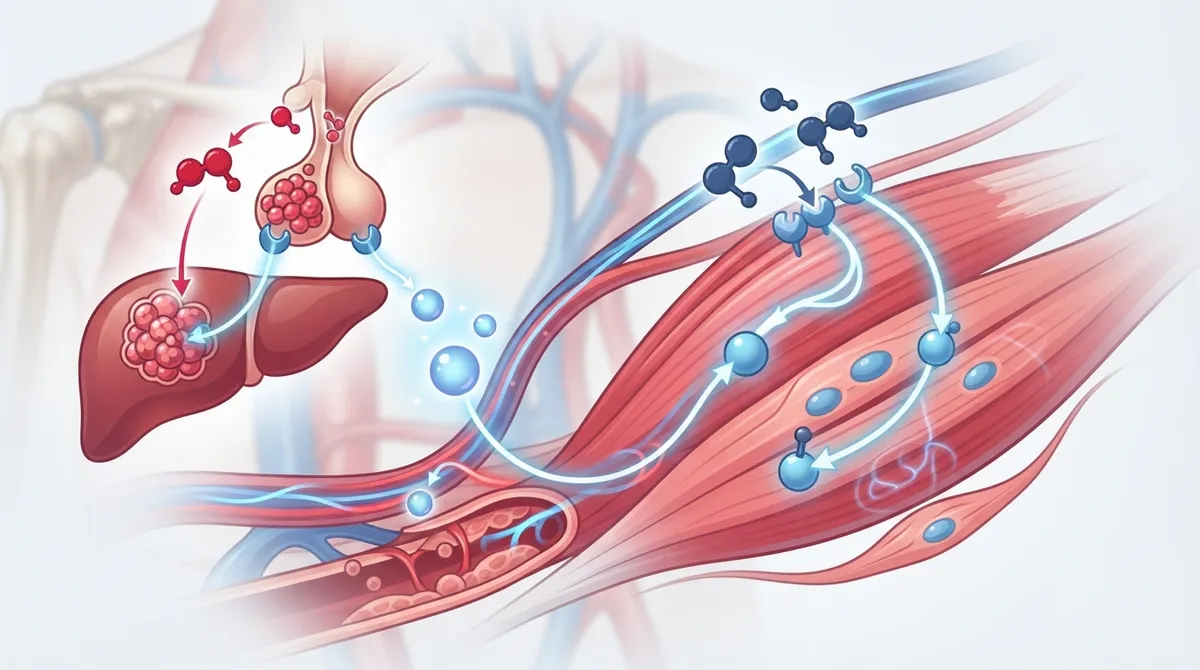
Understanding How CJC-1295 Works in the Body
CJC-1295 stimulates the pituitary gland to release growth hormone in a more natural, pulsatile pattern. This differs from synthetic HGH injections, which flood the body with a steady, high dose. The theory behind CJC-1295 is that a more natural GH release pattern may support recovery and lean body mass over time.
Some formulations include DAC (Drug Affinity Complex), which extends the peptide's half-life. Others do not include DAC and require more frequent dosing. Both versions raise GH and IGF-1 levels, but the strength and duration of that effect can vary. If you are exploring options like peptide therapy in Tampa, understanding these differences is a critical first step.
Mistake 1: Assuming CJC-1295 Works Like an Anabolic Steroid
This is perhaps the most common misconception. CJC-1295 does not directly build muscle tissue the way anabolic steroids do. Instead, it raises hormone levels that may support recovery, sleep quality, and training tolerance. Any strength improvement is likely indirect, not a direct anabolic effect.
- Steroids directly increase muscle protein synthesis through androgen receptors
- CJC-1295 works upstream, raising GH and IGF-1 signals
- The downstream effects on strength are far less predictable
- Recovery improvements may allow for better training consistency
Mistake 2: Believing Clinical Trials Prove Strength Gains
One published human trial on CJC-1295 with DAC involved 47 participants. This study focused on pharmacokinetics and short-term safety, not strength outcomes. There is no large, placebo-controlled trial confirming that CJC-1295 directly increases strength or muscle mass in healthy adults.
|
Research Focus |
What Was Studied |
Strength Data Included? |
|---|---|---|
|
Pharmacokinetics (n=47 trial) |
Hormone levels and safety |
No |
|
GH pulse amplitude |
2-10x increase reported |
No |
|
IGF-1 elevation |
1.5-3x increase reported |
No |
|
User-reported outcomes |
Anecdotal strength changes |
Yes, but not clinically verified |
Mistake 3: Ignoring the Difference Between Hormone Levels and Performance
Raising GH and IGF-1 is well documented. Translating that into measurable strength gains is a separate question entirely. Many wellness sources are careful to note this distinction, and patients should be too.

What the Anecdotal Evidence Actually Says
User reports and online forums often describe noticeable changes. One anecdotal account described about a 10 percent increase in lifting numbers while using a CJC-1295 and ipamorelin stack. Another user reported 5 to 10 pound increases in bench press and squat every two weeks after starting the combination.
These reports are compelling, but they are not clinical proof. Training consistency, diet, sleep, and other lifestyle factors likely play a significant role in these outcomes. Without controlled comparisons, it is impossible to isolate the peptide's specific contribution.
Mistake 4: Expecting Fast Results Without a Consistent Routine
Multiple wellness articles describe a typical timeframe of two to four weeks for early effects, with more noticeable changes appearing around four to eight weeks. However, these timelines come from user reports, not controlled studies. Results likely depend heavily on training habits, nutrition, and sleep quality.
- Establish a consistent training schedule before starting any peptide
- Track baseline strength numbers for comparison
- Prioritize sleep, since GH release naturally increases during deep sleep
- Maintain adequate protein intake to support recovery
- Work with a provider to monitor hormone levels over time
- Reassess progress at the 4-week and 8-week marks
- Avoid stacking multiple peptides without medical guidance
- Document any side effects immediately
- Set realistic expectations based on recovery, not dramatic muscle growth
- Discuss lab work with your primary care provider regularly
Mistake 5: Confusing CJC-1295 With Ipamorelin
These two peptides are often used together, but they are not the same. CJC-1295 is a GHRH analog, while ipamorelin is a ghrelin receptor agonist. Both stimulate GH release, but through different pathways. Combining them may produce a synergistic effect on hormone levels, though robust human trials confirming combined strength benefits remain limited.
|
Feature |
CJC-1295 |
Ipamorelin |
|---|---|---|
|
Mechanism |
GHRH analog |
Ghrelin receptor agonist |
|
Half-life (no DAC) |
Short |
Short |
|
Half-life (with DAC) |
Extended |
N/A |
|
Common Pairing |
Often stacked with ipamorelin |
Often stacked with CJC-1295 |
|
Strength Evidence |
Limited, mostly anecdotal |
Limited, mostly anecdotal |
Why Recovery May Be the Real Strength Connection
The most defensible way to frame CJC-1295 for wellness purposes is through recovery, not direct anabolic effect. Better sleep quality, reduced inflammation, and improved tissue repair may allow individuals to train harder and more consistently. Over time, that consistency could translate into measurable strength improvements.
This is an important distinction for anyone weighing peptide therapy against other performance options. A qualified provider can help set realistic expectations and monitor your body composition and hormone levels throughout treatment.
Mistake 6: Overlooking Safety and Side Effect Profiles
Like any hormone-modulating treatment, CJC-1295 carries potential risks. Reported side effects include injection site reactions, water retention, headaches, and changes in blood sugar regulation. There is no standardized, evidence-based dosing protocol, which makes working with a licensed provider essential.
- Injection site irritation or redness
- Water retention and mild swelling
- Headaches, especially during initial use
- Potential impact on blood sugar levels
- Unknown long-term effects due to limited research
Mistake 7: Assuming It Is FDA-Approved for Muscle or Strength Goals
CJC-1295 is not FDA-approved for muscle building, strength enhancement, or anti-aging purposes. It is typically used in research or compounded wellness settings under medical supervision. Patients should understand this regulatory status before starting treatment.
Mistake 8: Skipping Baseline Lab Work
Before starting any peptide protocol, baseline lab work helps establish a starting point. This includes IGF-1 levels, metabolic markers, and general health screening. Skipping this step makes it difficult to measure whether the treatment is producing meaningful changes.
InCare's approach to DNA gene testing and comprehensive wellness visits can help establish this baseline before considering advanced therapies. This data-driven approach separates responsible wellness care from guesswork.
Mistake 9: Ignoring the Role of Diet and Training
No peptide replaces the fundamentals. Adequate protein intake, resistance training, and quality sleep remain the primary drivers of strength gains. CJC-1295 may support the process, but it cannot substitute for these basics.
Comparing Realistic Expectations to Marketing Claims
|
Marketing Claim |
What Evidence Supports |
|---|---|
|
Guaranteed muscle mass increase |
No large controlled trials confirm this |
|
Fast strength gains in days |
Anecdotal reports only, timelines vary widely |
|
Works like a performance-enhancing drug |
Mechanism differs significantly from anabolic steroids |
|
Safe for everyone without monitoring |
Requires medical supervision and lab monitoring |
|
Improves recovery and sleep quality |
Biologically plausible through GH and IGF-1 elevation |
Mistake 10: Trying Peptide Therapy Without Professional Guidance
Perhaps the biggest mistake is attempting any peptide protocol without a licensed provider. Dosing errors, contamination risks, and lack of monitoring can lead to unwanted side effects. A trusted primary care and wellness provider can help you weigh the potential benefits against realistic expectations.
InCare, with locations in Tampa and Riverview, Florida, offers medically supervised wellness services designed around your specific goals. From weight loss programs to advanced metabolic breath analysis, the clinic focuses on evidence-based, whole-body optimization rather than unverified shortcuts.
How InCare Approaches Peptide and Wellness Therapy
InCare combines advanced diagnostic tools with personalized treatment plans. Instead of guessing, patients receive data-driven insights through services like body composition analysis and comprehensive lab testing. This approach ensures that any peptide therapy discussion is grounded in your actual health profile, not generic marketing promises.
Patients interested in exploring options can review the clinic's provider team or learn more about the Tampa and Riverview locations. InCare maintains a strong reputation locally, and you can visit us on Google — InCare to see patient feedback and reviews firsthand.
Questions to Ask Before Starting CJC-1295
Before committing to any peptide protocol, consider bringing these questions to your provider:
- What baseline lab work do I need before starting?
- How will progress be measured over time?
- What side effects should I watch for?
- Is this treatment appropriate given my current health history?
- How does this fit with my existing training and nutrition plan?
For additional context on how peptides fit into broader wellness strategies, resources like the National Center for Biotechnology Information and the Endocrine Society publish research on growth hormone-related therapies. Staying informed helps you make decisions based on evidence rather than hype.
Final Thoughts on CJC-1295 and Strength Gains
CJC-1295 raises growth hormone and IGF-1 levels, and this is well supported by research. However, the leap to guaranteed strength gains remains largely anecdotal. Recovery, sleep quality, and training tolerance are the most defensible benefits, not direct anabolic muscle growth. Anyone considering this therapy should work with a licensed wellness provider who can monitor labs, set realistic expectations, and design a plan around actual health data.
If you are curious about how peptide therapy might fit into your wellness goals, our team can walk you through the science, the risks, and the realistic outcomes. Reach out to our team today to schedule a consultation, or book your appointment now to start with a comprehensive wellness evaluation. You can also follow along on Facebook, Instagram, and TikTok for more wellness insights from InCare in Tampa and Riverview.
FAQs
Q: Does CJC-1295 actually increase strength?
A: Current evidence shows CJC-1295 raises growth hormone and IGF-1 levels, which may support recovery and training tolerance. However, controlled human trials proving direct strength gains are lacking, and most reports remain anecdotal.
Q: How long does it take to notice strength gains from CJC-1295?
A: Some users report early effects within two to four weeks, with more noticeable changes around four to eight weeks. These timelines come from anecdotal reports rather than large-scale clinical studies.
Q: Is CJC-1295 better for recovery or muscle growth?
A: Recovery is the more defensible benefit, since higher GH and IGF-1 levels may support tissue repair and sleep quality. Muscle growth claims are less supported by controlled clinical evidence.
Q: What is the difference between CJC-1295 and ipamorelin?
A: CJC-1295 is a GHRH analog that stimulates growth hormone release through the pituitary gland, while ipamorelin works through ghrelin receptors. They are often used together, but each has a distinct mechanism of action.
Q: What are the risks or side effects of CJC-1295?
A: Reported side effects include injection site irritation, water retention, headaches, and potential changes in blood sugar regulation. Working with a licensed provider helps monitor these risks and adjust treatment as needed.