
Key Takeaways
- Kisspeptin is not FDA-approved for any condition; it remains investigational with only small clinical trials completed, so men should avoid unregulated online products and consult licensed providers instead.
- A 2023 clinical trial showed kisspeptin increased penile tumescence by 56% compared to placebo, but results were short-term and controlled—not proven as a long-term treatment for low libido or erectile dysfunction.
- Early research found kisspeptin may boost testosterone in men with central hypogonadism by stimulating the natural hormone signaling chain (GnRH→LH/FSH→testosterone), unlike traditional TRT which delivers testosterone directly.
- Unregulated kisspeptin peptides from online vendors lack quality control, creating risks of purity issues, dosing inconsistency, and unknown interactions with medications or health conditions.
- Men with symptoms of low testosterone, low libido, or fertility concerns should start with a proper medical evaluation including hormone testing, physical exam, and thyroid screening to identify actual causes.
- Intranasal kisspeptin showed dose-dependent testosterone increases in a 2025 study, but this represents early research into delivery methods—no approved nasal spray product exists yet for clinical use.
Every year, more men ask their primary care doctor about hormone health, low libido, and fertility. A newer topic has entered these conversations: kisspeptin. This natural hormone plays a key role in how the body controls testosterone, sperm production, and sexual desire. Early research is exciting, but it also raises real questions about safety and what treatments are actually proven to work.
At InCare, patients across Tampa and Riverview often ask about cutting-edge wellness topics like this one. This guide explains what kisspeptin is, what science says about its effects on men, and why a proper medical evaluation still matters more than any trending peptide. Whether you are a busy professional curious about hormone optimization or a man dealing with low energy and low sex drive, understanding the facts helps you make smarter health choices.
What Is Kisspeptin and Why Does It Matter for Men?
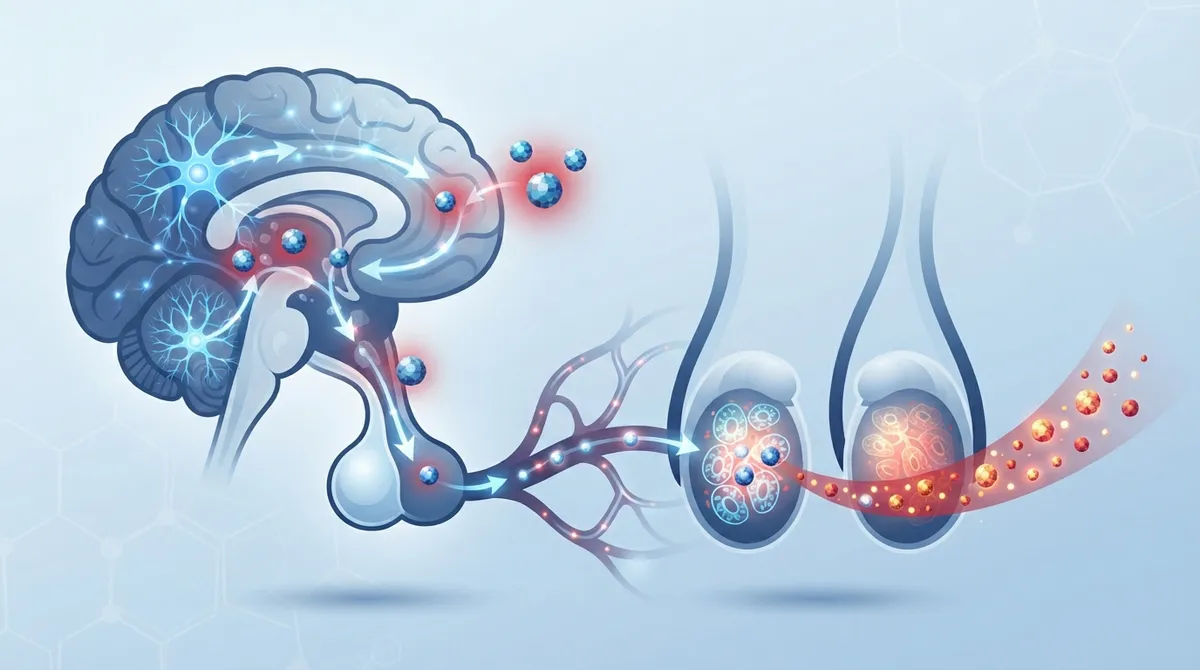
Kisspeptin is a hormone made in the brain. It acts as a messenger that starts a chain reaction controlling reproductive health. Scientists consider it a master switch for the reproductive system.
Here is how the process works in simple terms:
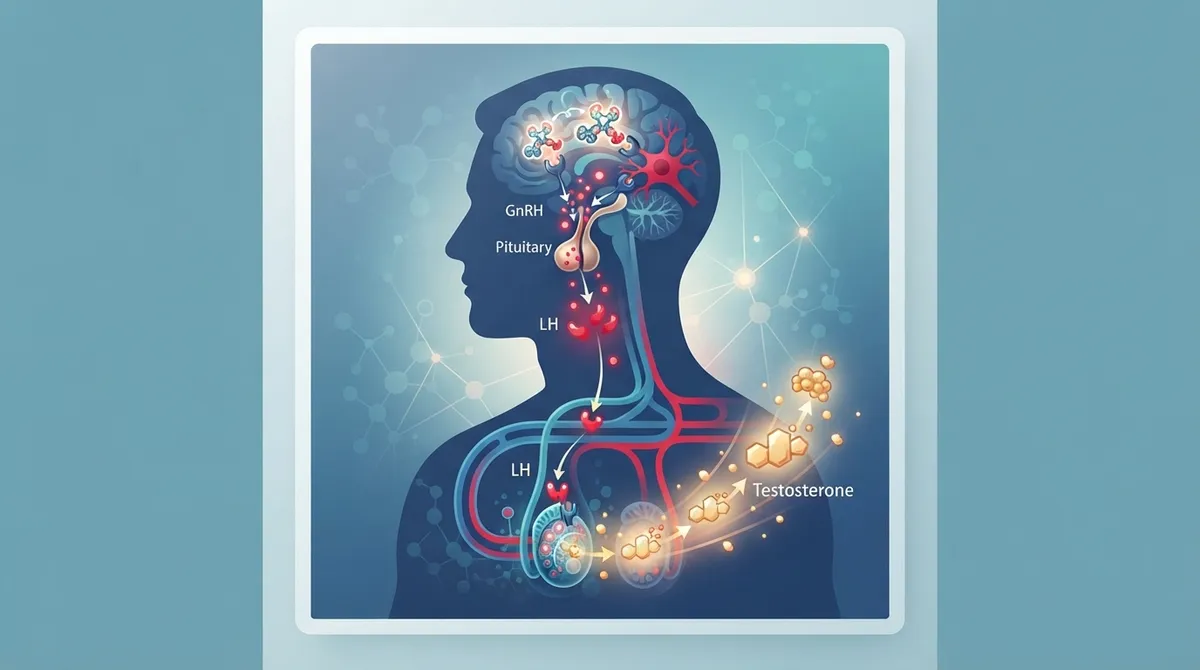
- Kisspeptin activates a receptor called KISS1R in the brain
- This triggers the release of gonadotropin-releasing hormone, known as GnRH
- GnRH tells the pituitary gland to release two hormones: LH and FSH
- LH and FSH then signal the testes to produce testosterone and sperm
Without kisspeptin, this entire signaling chain would not start. That is why researchers are so interested in its role in primary care and men's wellness.
Can Kisspeptin Increase Testosterone in Men?
Early research suggests kisspeptin may boost testosterone levels in certain men. A 2013 proof-of-concept study looked at men with type 2 diabetes and mild hypogonadism. Researchers gave these men kisspeptin-10 and tracked their hormone response.
The results showed:
- LH pulse frequency increased after kisspeptin administration
- Overall LH secretion rose during the study period
- Serum testosterone levels increased as a downstream effect
These findings suggest kisspeptin agonists may hold promise for men with central hypogonadism. This is a form of low testosterone caused by problems in the brain's signaling system, rather than the testes themselves. However, this was a small, early-phase study. It does not prove kisspeptin is ready for routine clinical use.
What Did the Kisspeptin Study on Male Sexual Desire Find?
One of the most talked-about studies involved men with hypoactive sexual desire disorder, or HSDD. This condition involves a persistent lack of interest in sexual activity that causes personal distress.
Published in JAMA Network Open in 2023, this randomized clinical trial included 32 men. Researchers compared kisspeptin to a placebo while men viewed erotic visual content. The results were notable:
- Kisspeptin increased penile tumescence by up to 56% compared with placebo
- Brain scans showed altered activity in regions tied to sexual processing
- Participants reported greater happiness about sex during the kisspeptin sessions
These results are promising for understanding how kisspeptin affects the brain and body. But researchers stress this was a short-term, controlled setting. It does not confirm kisspeptin works as a long-term treatment for low libido or erectile dysfunction outside a lab.
Is Kisspeptin Approved to Treat Low Testosterone or Hypogonadism?
No. Kisspeptin is not an approved treatment for testosterone deficiency, erectile dysfunction, or infertility. It remains an investigational therapy studied mostly in small clinical trials.
This distinction matters. Many products marketed online claim to offer kisspeptin for personal use. These products are not regulated the same way as approved medications. There is no guarantee of purity, dosing accuracy, or safety when buying peptides from unverified sources.
Men who are curious about their hormone health should speak with a licensed provider before trying any unapproved product. A visit to a trusted primary care provider is a safer starting point than ordering peptides online.
How Kisspeptin Compares to Standard Testosterone Therapy
Traditional testosterone replacement therapy, or TRT, works differently than kisspeptin. TRT delivers testosterone directly into the body. Kisspeptin, in theory, works upstream by stimulating the body's own signaling system.
|
Factor |
Kisspeptin (Investigational) |
Traditional TRT |
|---|---|---|
|
Approval Status |
Not FDA-approved for clinical use |
FDA-approved and widely prescribed |
|
Mechanism |
Stimulates natural hormone signaling pathway |
Delivers external testosterone directly |
|
Effect on Fertility |
May preserve sperm production (theoretical) |
Can reduce sperm production over time |
|
Delivery Method |
Studied via injection and intranasal spray |
Injections, gels, patches, pellets |
|
Clinical Evidence |
Early-phase, small trials only |
Decades of research and clinical use |
One theoretical advantage of kisspeptin is that it may support the body's natural testosterone and sperm production process instead of replacing it. This could matter for men who want to preserve fertility. Still, this benefit remains unproven outside of research settings. Men considering hormone therapy should discuss options like testosterone replacement therapy with a qualified physician.
Does Kisspeptin Help With Male Fertility?
Fertility researchers are interested in kisspeptin because it sits at the top of the reproductive hormone chain. Since it triggers GnRH release, which then triggers LH and FSH, it plays an indirect role in sperm production.
Current research areas include:
- Male hypogonadotropic hypogonadism, a condition where the brain does not properly signal reproductive hormone release
- Hypothalamic or pituitary disorders that block normal fertility signals
- General fertility support in men with low sperm counts linked to hormone imbalances
A 2024 review of clinical kisspeptin research found that many proposed male applications remain in early or ongoing study phases. This means fertility clinics are not yet using kisspeptin as a standard treatment. Men struggling with fertility should still pursue proven paths like semen analysis and specialist referral through their primary care team.
What About Intranasal Kisspeptin Delivery?
Researchers have also studied nasal spray forms of kisspeptin. A 2025 study found that intranasal kisspeptin produced a dose-related rise in gonadotropins. At the higher dose tested, testosterone increased by about 4.9 nmol/L above baseline within 150 minutes.
This finding is interesting for a few reasons:
- It suggests a noninvasive way to deliver kisspeptin therapy in the future
- The effect was dose-dependent, meaning higher doses produced bigger changes
- Results were acute, meaning they measured short-term changes, not long-term outcomes
Again, this does not mean an approved nasal spray product exists yet. It simply shows one possible direction for future research and drug development.
Common Questions Men Ask Their Doctor About Kisspeptin
Men who read about kisspeptin online often bring several concerns to their appointments. Here are the most common ones providers hear:
- Will kisspeptin fix my low testosterone symptoms right away?
- Is it safe to buy kisspeptin peptides from an online store?
- Can kisspeptin replace my current TRT prescription?
- Does kisspeptin have any side effects doctors know about?
- How long until kisspeptin becomes an approved treatment?
The honest answer to most of these questions is that science is still catching up. Men experiencing symptoms of low testosterone, low libido, or fertility struggles need a real evaluation, not a shortcut peptide purchase.
How Should Men Approach Symptoms Linked to Kisspeptin Research?
If you notice symptoms like low energy, reduced sex drive, or fertility concerns, the smartest first step is a proper medical workup. Primary care clinicians use established methods to figure out what is really going on.
A typical evaluation may include:
- A detailed review of symptoms and medical history
- Screening for medications or substances that affect hormone levels
- A physical examination
- Morning testosterone testing, repeated at the right time for accuracy
- Additional labs like LH, FSH, prolactin, and thyroid function tests
- Semen analysis or specialist referral when fertility is a concern
This process helps identify the real cause of symptoms. Sometimes it is low testosterone. Other times it is thyroid dysfunction, stress, sleep problems, or other treatable conditions. Skipping this step and jumping straight to unproven peptides can delay real answers and even bring safety risks.
Why Trust Matters When Exploring Peptide Therapies
Peptide products bought online rarely go through the same quality checks as approved medications. This creates real concerns:
- Purity issues, since compounds may contain contaminants or incorrect concentrations
- Dosing inconsistency, making it hard to know how much you are actually taking
- Lack of regulatory oversight, meaning no formal safety review
- Unknown interactions with existing medications or health conditions
These risks are especially important for men with a history of pituitary disease, cancer, or other endocrine disorders. A conversation with a licensed provider is the safest way to explore any peptide-related question, including kisspeptin. Learn more about how peptide therapy is approached responsibly at a clinical setting focused on safety and evidence.
What This Means for Men's Health in Tampa and Riverview
Men living in the Tampa Bay area have growing options for wellness care that goes beyond a basic checkup. Clinics offering advanced diagnostics, hormone testing, and personalized treatment plans give men better tools to understand their bodies.
InCare provides several services relevant to men exploring hormone health, including:
- DNA gene testing for personalized health insights
- body composition analysis to track physical changes over time
- IV hydration and vitamin therapy to support energy and recovery
- medically supervised weight loss programs that also affect hormone balance
Instead of guessing with unregulated products, men can get real answers through lab work, physical exams, and provider guidance. Physicians like those featured on the Naveen Paddu MD and Pramjeet Ahluwalia MD profiles bring years of clinical experience to primary care visits across Tampa and Riverview.
Steps to Take Before Trying Any Hormone-Related Peptide
Men interested in kisspeptin or similar peptides should follow a careful, step-by-step approach:
- Schedule a visit with a primary care provider to discuss symptoms honestly
- Request appropriate hormone testing, including testosterone, LH, and FSH
- Ask about underlying causes like thyroid issues, sleep apnea, or medication side effects
- Discuss any interest in peptide therapy openly with your doctor
- Avoid purchasing unregulated products from online vendors
- Follow up on lab results and adjust the treatment plan based on real data
This process takes more time than clicking "buy" on a website. But it protects your health and leads to treatments that are actually proven to work.
Patients often share their experiences with InCare on social platforms like Facebook and Instagram, where the clinic highlights educational content about hormone health and wellness trends. You can also find quick health tips on Tik Tok for those who prefer bite-sized wellness information.
Moving Forward With Confidence
Kisspeptin research offers a fascinating look at how the body regulates testosterone, fertility, and sexual health. Studies show real promise, from increased LH secretion to changes in brain activity tied to sexual desire. But promise is not the same as proof. Men deserve treatments backed by strong evidence and proper medical oversight.
If you are dealing with low energy, low libido, or fertility concerns, do not rely on unverified online products. Instead, talk to a provider who can run the right tests and build a plan based on your actual health data. InCare's team in Tampa and Riverview is ready to help you understand your options, from hormone testing to advanced wellness services. You can also visit us on Google — InCare to see what other patients say about their experience.
Ready to get real answers about your hormone health? Book your appointment today and start your journey toward better wellness with a team that puts your safety first.
FAQs
Q: What is kisspeptin and how does it affect men?
A: Kisspeptin is a hormone made in the brain that starts a chain reaction controlling testosterone and sperm production. It activates GnRH release, which then triggers LH and FSH from the pituitary gland. This process is essential for normal male reproductive health.
Q: Can kisspeptin increase testosterone in men?
A: Early research shows kisspeptin may raise testosterone levels in some men, especially those with central hypogonadism. A 2013 study found increased LH secretion and testosterone after kisspeptin-10 administration. However, this remains investigational and is not an approved treatment.
Q: Is kisspeptin approved to treat low testosterone or hypogonadism?
A: No, kisspeptin is not FDA-approved for treating low testosterone or hypogonadism. It remains under study in clinical trials, and larger research is needed before it becomes a standard therapy. Men should rely on approved treatments and proper medical evaluation instead.
Q: Can kisspeptin improve male libido or erectile function?
A: A 2023 clinical trial found kisspeptin increased penile tumescence and altered brain activity linked to sexual desire in men with HSDD. These results are promising but based on short-term, controlled testing. Kisspeptin is not yet an established treatment for erectile dysfunction or low libido.
Q: Does kisspeptin help with male fertility?
A: Kisspeptin plays a role in the hormone pathway that supports sperm production, making it a topic of fertility research. Current studies focus on conditions like hypogonadotropic hypogonadism and pituitary disorders. It is not yet a standard fertility treatment, so men should pursue proven evaluation methods first.