Key Takeaways
- Only clinicians authorized by your state's medical cannabis program can certify you, and a general medical license alone is not enough. Verify enrollment on your state agency's website before booking.
- A primary care clinician is often the best first stop because they already know your health history, medications, and goals, and can review interaction risks.
- Certification is a clinical decision, not a guarantee. In many states you must still apply to the state registry separately to receive a medical marijuana card.
- Telehealth rules vary by state; some programs require an in-person visit. Confirm telehealth is allowed for your state before scheduling a virtual evaluation.
- Bring a photo ID, proof of residency, supporting medical records, and a full list of medicines and supplements to speed up your certification visit.
- Certifications expire and have time limits (for example, Massachusetts allows up to one year), so set renewal reminders to avoid lapses in access.
Medical marijuana certification starts with the right clinician. Many people in 2026 are asking who they should see, and the answer is not always simple. Not every doctor can certify patients, and the rules change from state to state. Picking the wrong provider can cost you time and money.
In general, you need a licensed healthcare professional who is approved by your state's medical cannabis program. That is often a physician or nurse practitioner. In some states, it can also be a physician assistant or another licensed clinician. A primary care clinician is a smart first stop, because they already understand your health history, medicines, and goals.
This guide explains who can certify patients, how to choose a provider, what to bring to your visit, and how to avoid common mistakes. It is written for busy adults, parents, and wellness-minded patients who want a clear, trusted path forward. If you live in the Tampa Bay area, you will also see how a full-service clinic like InCare fits into the picture.
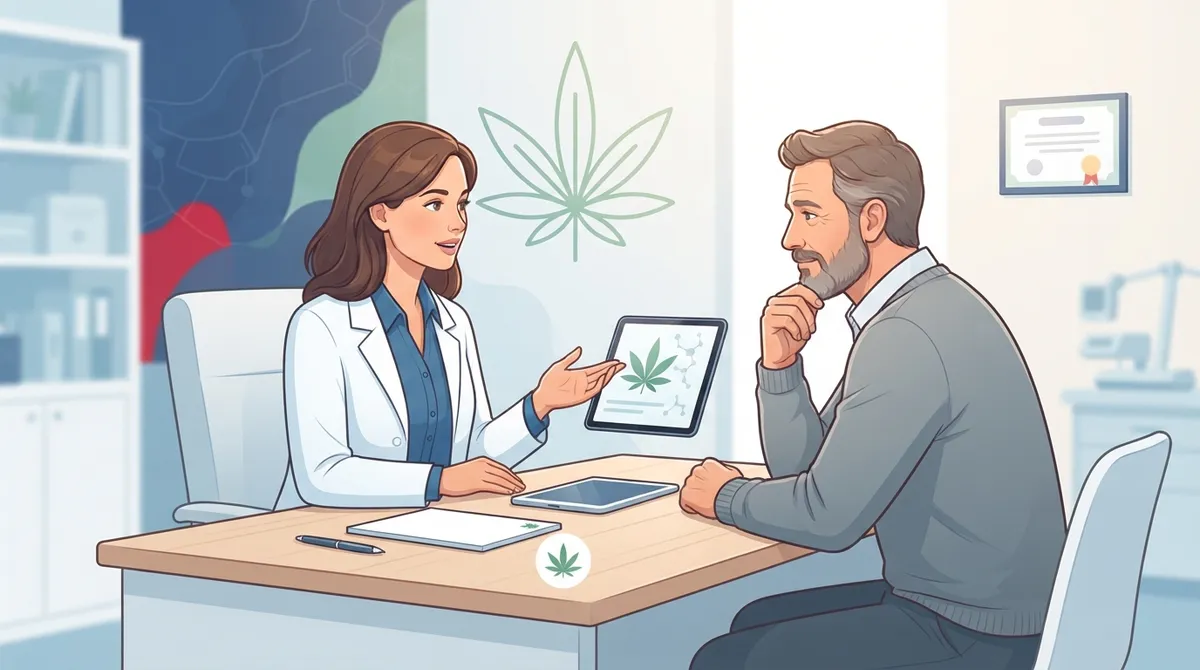
Who Can Legally Certify You for Medical Marijuana?
There is no single national rule. Each state sets its own list of approved certifiers. A clinician usually needs an active, unrestricted license in that state. Many states also require the clinician to enroll in the state medical cannabis program before they can certify anyone.
Here are examples from official state guidance:
- Connecticut: qualifying physicians, physician assistants, and advanced practice registered nurses may certify, if they meet licensing and registration rules.
- Maryland: physicians, physician assistants, nurse practitioners, dentists, podiatrists, and nurse-midwives may certify when they meet program requirements.
- Pennsylvania: participating MDs and DOs must complete a state-approved four-hour training and be approved for the practitioner registry.
The key point is simple. Being a licensed doctor is not enough by itself. The clinician must also be authorized by the state program. Always confirm this before you book.
Is Your Primary Care Doctor the Best First Stop?
For most people, yes. A primary care clinician is a sensible first contact when you ask who you should see for medical marijuana certification. They know your full health picture. They can review your conditions, current treatments, allergies, and prescription list.
This matters because cannabis can affect the brain and body. It may cause side effects and can interact with some medicines. The CDC notes that cannabis can have a wide range of effects on the body and brain. A clinician who knows your history can help you weigh benefits and risks in a safe way.
If your primary care doctor is not enrolled in your state's program, do not worry. You can ask for a referral. You can also use the official provider directory from your state agency. A good primary care team will help you take the next step instead of leaving you on your own.
At InCare, our primary care team looks at the whole person, not just one symptom. That whole-health view is exactly what you want when you are exploring a new treatment option.
Primary Care vs. Cannabis-Only Clinic: A Quick Comparison
Some patients wonder if they should see a clinic that only does certifications. Both options can work. The table below shows how they often differ.
|
Factor |
Primary Care & Wellness Clinic |
Certification-Only Clinic |
|---|---|---|
|
Knowledge of your health history |
Deep, ongoing record of your care |
Often limited to one visit |
|
Medication review |
Full review of drugs and supplements |
May be brief |
|
Follow-up care |
Built into your regular care plan |
Usually limited |
|
Other services |
Screenings, labs, urgent care, wellness |
Mostly certification only |
|
Best for |
Patients who want coordinated, safe care |
Patients who only need paperwork |
If your goal is better long-term health, a clinic that offers coordinated care usually gives you more value. You can learn more about how this works in our guide on fragmented care vs. coordinated care.
What Credentials Should You Check Before You Book?
Always verify a provider before you pay. A quick check can save you from a wasted visit. Use your state health or cannabis agency website to confirm the details.
Here is a simple checklist:
- Check the license. Make sure the clinician holds an active, unrestricted license in your state.
- Check program enrollment. Confirm they are registered with the state medical cannabis program.
- Ask about training. Some states require special courses or extra credentials.
- Confirm the format. Ask if the visit is in person, by telehealth, or both, and whether telehealth is allowed under current rules.
- Ask about fees and follow-up. Get clear answers about cost, renewals, and future visits.
A trustworthy clinic will answer these questions openly. If a provider avoids them, that is a red flag.
Do You Need an Existing Relationship With the Clinician?
Many programs require a bona fide or ongoing clinician-patient relationship. This usually means the clinician must review your medical history, assess your current condition, and decide if you meet the state's qualifying-condition rules.
That is another reason primary care is a strong starting point. If you already see a clinician regularly, that relationship may be easier to document. If you are a new patient, a clinic can often establish that relationship during your first visit. Our guide to a new patient appointment explains what to expect.
Does Certification Guarantee a Medical Marijuana Card?
No. This is a common point of confusion. Certification is a clinical decision. It is not a prescription, and it does not guarantee approval.
In many states, the process has two parts:
- The clinician evaluates you and submits a certification or recommendation.
- You then apply to the state registry for authorization or a card.
Certifications also have time limits. For example, Massachusetts guidance says a certification must be valid for at least 15 calendar days and no longer than one year. Rules can change, so always check the current requirements with your state agency.
What Conditions Qualify for Medical Marijuana Certification?
Qualifying conditions are set by each state. There is no single national list. Common categories may include chronic pain, certain neurological conditions, cancer-related symptoms, and some mental health or sleep concerns. But the exact list depends on where you live.
Your clinician will review your diagnosis and records to see if you meet your state's rules. This is why good paperwork matters. If you need older records, read our steps for a medical records request in primary care.
You can also learn more about natural symptom relief options in our guide to medical cannabis.
Can You Get Certified Through Telehealth?
It depends on your state. Some programs allow telehealth evaluations. Others require at least one in-person visit. Rules have shifted over time, so check the current guidance before you schedule.
For tech-savvy patients who like virtual care, this can be a real convenience. Just make sure the clinician is approved for your state and that telehealth is allowed. A virtual visit that does not meet state rules may not be accepted when you apply.
What Should You Bring to Your Appointment?
Being prepared makes your visit faster and more useful. Bring the following items:
- A valid photo ID and proof of residency
- Medical records or test results that support your diagnosis
- A full list of your medicines, vitamins, and supplements
- A list of past treatments and how well they worked
- Questions about benefits, risks, and side effects
If you take other medicines, tell your clinician. A pharmacist or clinician can review possible interactions. This step is especially important for patients managing several conditions at once.
Why Choose a Whole-Health Clinic Like InCare?
Cannabis is only one piece of your health plan. The best results often come when it fits into a bigger picture. That means regular checkups, smart screenings, healthy habits, and honest conversations about risks.
InCare is a personalized primary care and wellness clinic with locations in Tampa and Riverview, Florida. We combine modern technology with medical expertise. Our services include urgent care, cancer screening, weight loss programs, and DNA gene testing. This broad range lets us support you before, during, and after any treatment decision.
If you are in Florida, you can read more in our guide to a medical marijuana card in Tampa, Florida. You can also review what to expect when working with a medical cannabis doctor in Tampa. Our providers take the time to listen, explain your options, and build a plan that fits your life. Patients also share their experiences on our testimonials page, and you can visit us on Google — InCare to read recent reviews.
Common Mistakes to Avoid
Many patients lose time because of small errors. Watch out for these:
- Assuming any doctor can certify. Only state-authorized clinicians can do this.
- Skipping credential checks. Always verify on the state website.
- Ignoring medicine interactions. Share your full medicine list.
- Forgetting renewal dates. Certifications expire, so plan ahead.
- Relying on social media claims. Use official sources, not hype.
For more on avoiding care mistakes, see our article on choosing a primary care doctor. You can also follow our health updates on Instagram, Facebook, and TikTok.
Conclusion: Start With a Provider Who Knows You
When you ask who you should see for medical marijuana certification, start with a licensed, state-authorized clinician. A primary care provider is often the best first step because they understand your full health story. If they cannot certify you, they can guide you to someone who can.
Verify credentials, learn your state's rules, and prepare your records. Treat certification as one part of a safe, well-coordinated care plan. If you are in Tampa or Riverview, our team at InCare is ready to help you take the next step. Book your appointment now, or contact our team with any questions.
FAQs
Q: Who is legally allowed to certify patients for medical marijuana?
A: Only licensed healthcare professionals authorized by your state's medical cannabis program can certify patients. Depending on the state, this may include physicians, nurse practitioners, physician assistants, and other clinicians. Always confirm current requirements with your state agency.
Q: Can my primary care doctor certify me for medical cannabis?
A: Yes, if your primary care clinician is enrolled in your state's program and you meet the qualifying-condition rules. If they are not authorized, they can refer you to a registered provider or point you to the state's official provider directory.
Q: Does a clinician's certification automatically give me a medical marijuana card?
A: No. Certification is a clinical decision, not a guarantee of approval. In many states, you must also apply to the state registry after your clinician submits the certification.
Q: Can I get medical marijuana certification through telehealth?
A: It depends on your state. Some programs allow telehealth evaluations, while others require an in-person visit. Check current state rules and confirm that your clinician is approved before scheduling.
Q: What should I bring to a medical marijuana certification appointment?
A: Bring a photo ID, proof of residency, medical records that support your diagnosis, and a full list of your current medicines and supplements. Also bring questions about benefits, risks, and possible drug interactions.