

Key Takeaways
- Kisspeptin is a naturally occurring peptide that triggers the release of GnRH in the hypothalamus, initiating a cascade of reproductive hormones (LH and FSH) essential for puberty, ovulation, and testosterone production.
- No kisspeptin product is FDA-approved for routine use; an FDA advisory committee voted 0-11 against compounding approval in October 2024 due to insufficient safety data and limited evidence.
- Early clinical studies show kisspeptin is well-tolerated short-term with no major safety signals reported, but long-term safety, optimal dosing, and effects of repeated use remain unstudied.
- Researchers are investigating kisspeptin for hypothalamic amenorrhea, hypogonadotropic hypogonadism, infertility, PCOS, and as an IVF trigger, with 29 registered clinical trials underway through 2023.
- Unlike testosterone replacement or hCG, kisspeptin works higher in the hormone signaling chain by stimulating the brain's natural hormone production rather than replacing hormones directly.
- Kisspeptin should not be used for testosterone optimization or general wellness; it should only be discussed with qualified providers as part of evidence-based treatment for diagnosed reproductive health conditions.
If you have spent time researching hormone health, fertility, or advanced wellness testing, you may have come across a term that sounds more like a skincare product than a hormone: kisspeptin. Despite its playful name, kisspeptin is a serious topic in reproductive and hormone science. It plays a central role in how your body controls puberty, ovulation, and reproductive hormone balance. For patients exploring fertility support, hormone testing, or whole-body wellness, understanding kisspeptin can help you ask better questions during your next primary care visit.
At InCare, our primary care team in Tampa and Riverview stays current on emerging hormone science so patients get accurate, evidence-based guidance rather than hype. This article breaks down what kisspeptin is, how it works in the body, and what current research says about its role in fertility and hormone health. We will also cover why kisspeptin remains an investigational tool rather than an approved treatment for routine wellness use.
What Is Kisspeptin?
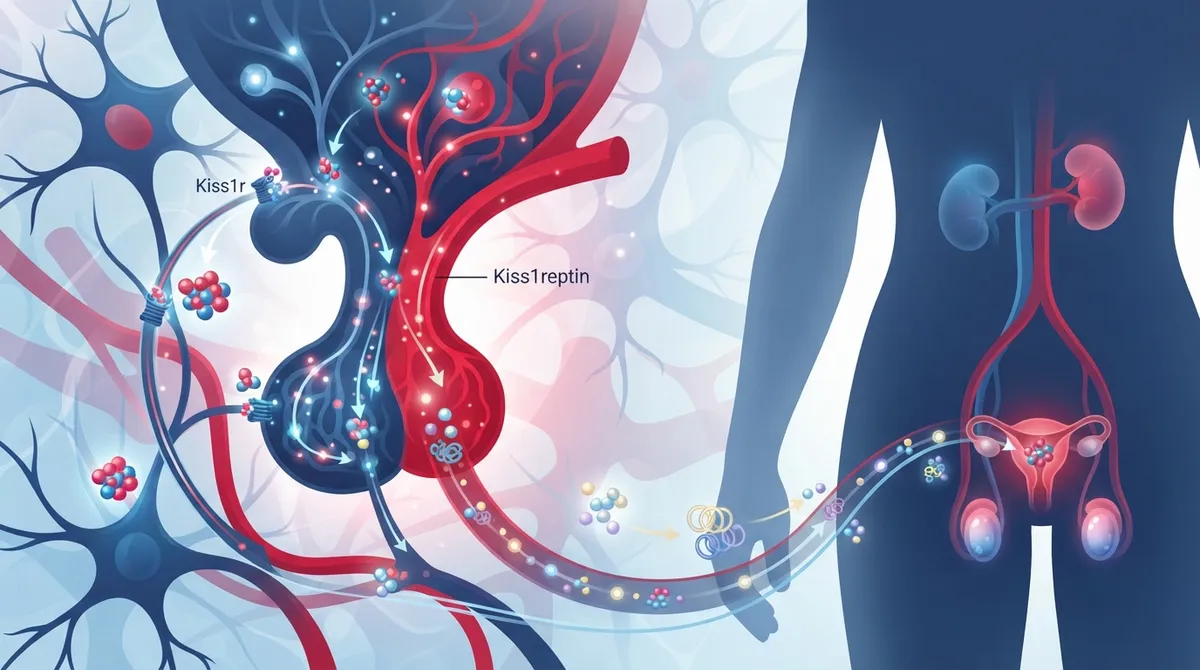
Kisspeptin is a naturally occurring peptide made in your body. It comes from a gene called KISS1. Your body uses kisspeptin to send signals inside your brain, mainly in an area called the hypothalamus.
Kisspeptin works by attaching to a specific receptor called KISS1R, also known as GPR54. Think of this receptor like a lock, and kisspeptin as the key that fits it. When kisspeptin binds to this receptor, it triggers a chain reaction that affects your reproductive hormones.
How Kisspeptin Fits Into Your Hormone System
Your body has a communication network called the hypothalamic-pituitary-gonadal axis. This is a fancy way of describing how your brain talks to your reproductive organs. Kisspeptin sits near the top of this chain of command.
Here is a simple breakdown of how it works:
- Kisspeptin is released in the hypothalamus, a part of your brain.
- It stimulates the release of another hormone called GnRH (gonadotropin-releasing hormone).
- GnRH travels to your pituitary gland, a small gland at the base of your brain.
- Your pituitary gland then releases two important hormones: LH (luteinizing hormone) and FSH (follicle-stimulating hormone).
- LH and FSH travel through your bloodstream to your ovaries or testes.
- These hormones control ovulation, sperm production, and testosterone levels.
Without kisspeptin, this entire chain of signals would not start properly. That is why researchers describe kisspeptin as a major upstream regulator of reproductive hormone function.
What Does Kisspeptin Do in the Body?
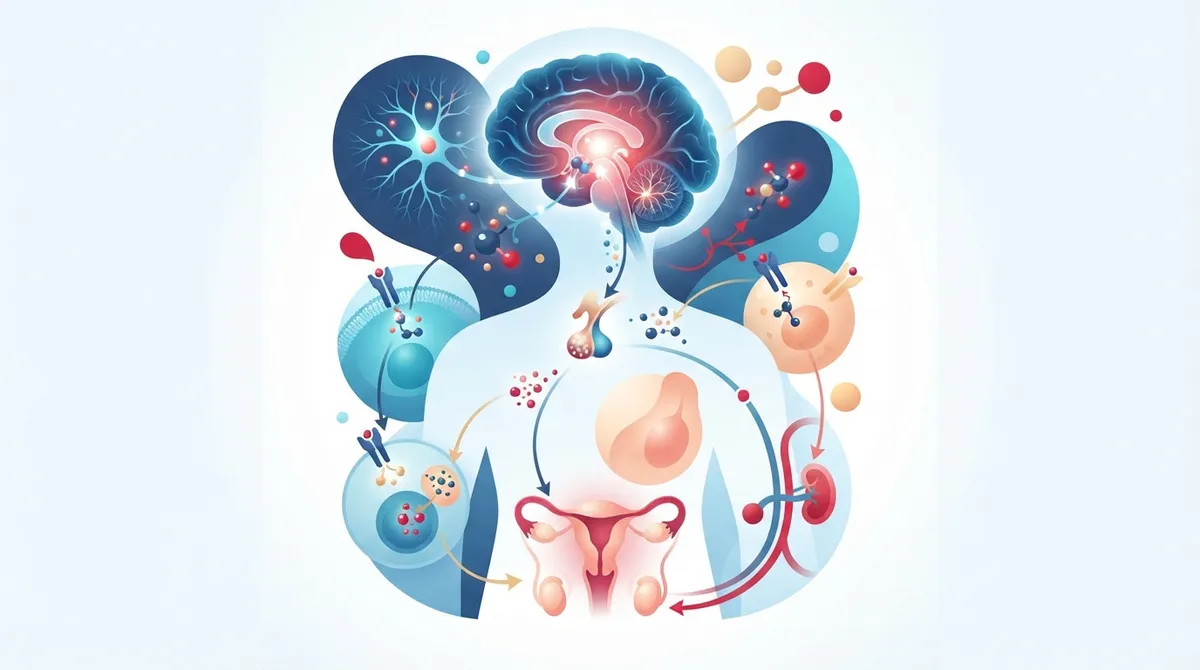
Kisspeptin influences several important body processes tied to reproduction and hormone health. Its main jobs include:
- Triggering the start of puberty in both boys and girls
- Supporting healthy ovulation in women
- Helping regulate testosterone production in men
- Playing a role in sperm production
- Influencing the timing and strength of the LH surge needed for ovulation
- Contributing to overall reproductive hormone balance
Because kisspeptin touches so many parts of the reproductive system, scientists have taken a strong interest in studying it for possible medical uses.
Is Kisspeptin Being Studied as a Treatment?
Yes. Kisspeptin is currently being researched for several health conditions, but it is important to understand that most of this research is still in early stages. A 2022 clinical review described kisspeptin as a key regulator of the reproductive hormone system and highlighted its potential role in several treatment areas. A 2024 systematic review identified 29 registered clinical trials involving kisspeptin-related research through 2023, covering topics from fertility to metabolic health.
Conditions Being Studied
Researchers are exploring kisspeptin-based approaches for:
- Hypothalamic amenorrhea (missed periods linked to stress, low body weight, or excessive exercise)
- Hypogonadotropic hypogonadism (a condition where the body does not produce enough reproductive hormones)
- Infertility in both men and women
- Polycystic ovary syndrome (PCOS)
- Certain in-vitro fertilization (IVF) protocols
One area of particular interest is using kisspeptin as a trigger for final egg maturation during IVF cycles. Some researchers believe this approach might lower the risk of ovarian hyperstimulation syndrome in certain patients, since it works through the body's own hormone pathways rather than introducing outside hormones directly.
What Does the Research Actually Show?
Human studies on kisspeptin are still limited, but early results have been informative. A 2025 study looking at intranasal kisspeptin found that it quickly triggered the release of reproductive hormones. The study reported no treatment-related adverse events during short-term follow-up, though the researchers were clear that more research is needed before any conclusions about long-term use can be made.
Other clinical reviews note that more than 1,000 healthy volunteers and patients have received subcutaneous kisspeptin or related compounds in various studies. No major safety signals have been identified so far. However, this does not mean kisspeptin is proven safe for long-term or repeated use. It simply means short-term studies have not raised major red flags yet.
What This Means for You
If you are dealing with fertility challenges, irregular periods, or low testosterone, it is natural to want fast answers. Kisspeptin research is exciting, but it is not yet a standard treatment option. The strongest evidence right now supports its ability to stimulate the reproductive hormone system in controlled research settings, not as a general wellness or hormone-optimization product.
Is Kisspeptin FDA-Approved?
No kisspeptin product currently has FDA approval for routine clinical or wellness use in the United States. This is an important distinction for patients to understand.
In October 2024, the FDA's Pharmacy Compounding Advisory Committee reviewed a proposal to add kisspeptin-10 to the list of approved bulk drug substances for compounding. The vote was 0 in favor and 11 against. The committee cited concerns about limited evidence and insufficient safety information to support compounding use.
This vote reflects the current state of kisspeptin research. While the science is promising, regulators want to see more data before kisspeptin becomes part of standard medical practice outside of research trials.
Kisspeptin vs. Other Hormone Therapies
Patients often ask how kisspeptin compares to treatments like testosterone therapy, hCG, or common fertility medications. Here is a simple comparison:
|
Treatment |
How It Works |
Current Status |
|---|---|---|
|
Kisspeptin |
Stimulates the brain to release GnRH, which then triggers LH and FSH |
Investigational; not FDA-approved for routine use |
|
Testosterone Therapy |
Directly replaces testosterone in the body |
FDA-approved for diagnosed low testosterone |
|
hCG |
Mimics LH to stimulate the testes or ovaries directly |
FDA-approved for specific fertility and hormone uses |
|
Clomiphene |
Blocks estrogen signals to increase natural GnRH, LH, and FSH release |
FDA-approved for certain fertility indications |
Unlike testosterone therapy or hCG, kisspeptin works higher up in the hormone chain. This is part of why researchers find it interesting. It may offer a more natural way to restart the body's own hormone signals rather than replacing hormones directly. However, until more research is completed, doctors cannot offer kisspeptin as a routine treatment option.
What Are the Potential Side Effects?
Because kisspeptin research is still developing, the full safety profile is not completely known. Early studies have generally reported that short-term use is well tolerated. However, researchers point out several gaps in current knowledge:
- Long-term safety has not been established
- Optimal dosing has not been determined
- Effects of repeated or ongoing use are unclear
- Safety during pregnancy has not been confirmed
- Potential drug interactions are not fully studied
- Effectiveness varies across different conditions and patient groups
This is why kisspeptin should not be viewed as a proven anti-aging, weight-loss, libido, or testosterone-boosting therapy. Responsible medical guidance is essential if you are considering any hormone-related treatment, proven or experimental.
Can Kisspeptin Help With Hypothalamic Amenorrhea or PCOS?
Researchers are actively studying kisspeptin for both of these conditions, but neither use is considered standard care yet.
For hypothalamic amenorrhea, which often happens when periods stop due to low body weight, high stress, or intense exercise, kisspeptin's ability to stimulate GnRH release makes it a logical research target. For PCOS, a condition involving hormone imbalances and irregular ovulation, scientists are exploring whether kisspeptin might help restore more regular hormone signaling.
If you are managing either condition, the most reliable path forward is a thorough evaluation from a primary care provider who can review your hormone levels, lifestyle factors, and treatment options. Our providers, including Pramjeet Ahluwalia MD and Teshy John MD, take a whole-body approach to hormone health that goes beyond a single test result.
How InCare Approaches Hormone and Wellness Care
At InCare, we believe patients deserve honest, evidence-based information about emerging treatments like kisspeptin. Rather than jumping on trends, our team focuses on proven diagnostic tools and treatment plans backed by solid research.
Our approach to hormone and reproductive health includes:
- Comprehensive lab testing to understand your current hormone levels
- DNA gene testing to identify genetic factors that may affect your health
- Body composition analysis to track changes in your metabolic health
- Personalized treatment plans built around your specific goals
- Ongoing monitoring to adjust your plan as needed
If you are curious about your hormone health or want to explore fertility-related concerns, scheduling a visit with a knowledgeable primary care team is a smart first step. You can review options for testosterone replacement therapy or ask about broader hormone testing during your appointment.
Why Working With a Primary Care Team Matters
Peptide science moves quickly, and it is easy to feel overwhelmed by claims you find online. A trusted primary care provider can help you separate solid research from marketing hype. This is especially true for compounds like kisspeptin, which remain investigational despite growing interest.
Our providers at InCare, including Naveen Paddu MD, stay informed on current peptide and hormone research so they can guide you toward safe, appropriate options. Whether you are dealing with fertility concerns, irregular cycles, or general hormone questions, a knowledgeable primary care visit is the right place to start.
Many patients also explore related services like peptide therapy in Tampa as part of a broader wellness plan. While kisspeptin itself is not currently offered as a treatment, understanding how peptides work in general can help you make informed decisions about your health.
Frequently Asked Questions About Kisspeptin
Before your next appointment, it helps to have a clear picture of what current science says and does not say about kisspeptin. Below we address some of the most common patient questions.
Taking the Next Step in Your Hormone Health Journey
Kisspeptin represents an exciting area of hormone research with real potential for the future of fertility and reproductive medicine. But as of 2026, it remains an investigational compound rather than an approved treatment. If you have concerns about fertility, irregular periods, low testosterone, or general hormone balance, the best step is a thorough evaluation with a trusted primary care provider.
InCare serves patients across Tampa and Riverview with comprehensive primary care, hormone testing, and wellness services built on current medical evidence. Our team can help you understand your hormone levels, discuss proven treatment options, and create a plan tailored to your goals. You can follow our latest health updates on Facebook, see patient photos and wellness tips on Instagram, or catch quick health insights on TikTok. You can also read what our patients say by visiting our InCare location on Google.
Ready to talk with a provider about your hormone health? Book your appointment today and take the next step toward answers you can trust.
FAQs
Q: What does kisspeptin do in the body?
A: Kisspeptin acts in the hypothalamus to trigger the release of GnRH, which then prompts the pituitary gland to release LH and FSH. These hormones control puberty, ovulation, sperm production, and testosterone levels.
Q: Can kisspeptin improve fertility or help with IVF?
A: Researchers are studying kisspeptin as a possible trigger for egg maturation during IVF and as a treatment for certain fertility conditions. These uses remain investigational and are not part of standard fertility care yet.
Q: Is kisspeptin approved by the FDA?
A: No. Kisspeptin does not have FDA approval for routine clinical or wellness use. In 2024, an FDA advisory committee voted against including kisspeptin-10 on the approved compounding substances list due to limited safety data.
Q: Is kisspeptin safe for low testosterone or hormone optimization?
A: Kisspeptin should not be used as a general testosterone-boosting or hormone-optimization therapy. Current evidence only supports its ability to stimulate hormone release in short-term research studies, not long-term wellness use.
Q: What are the potential side effects of kisspeptin therapy?
A: Early studies suggest kisspeptin is generally well tolerated in the short term, but long-term safety, proper dosing, and effects of repeated use remain unclear. Patients should discuss any hormone-related treatment with a qualified provider before considering it.