

Key Takeaways
- Appetite and cravings often return first after stopping Ozempic, and weight may creep back over months, so plan protein-rich meals, fiber, and regular eating schedules before your last dose.
- In the STEP 1 extension, participants regained about 11.6 percentage points of body weight within a year after stopping semaglutide, roughly two-thirds of their lost weight.
- For people with type 2 diabetes, blood sugar may rise within weeks of stopping, so arrange glucose monitoring and a backup treatment plan with your prescriber first.
- There is no universal FDA-labeled taper schedule for Ozempic, so ask your clinician whether a dose reduction makes sense rather than stopping abruptly on your own.
- Stop Ozempic at least two months before a planned pregnancy because of its long washout period, and seek prompt care for severe belly pain that may signal pancreatitis.
- Ongoing lifestyle support matters: strength training, regular activity, good sleep, and follow-up visits help protect progress after the medication is gone.
Many people start Ozempic with a clear goal. Some want steadier blood sugar. Others want help with appetite and weight. Sooner or later, a question comes up: what happens when you stop Ozempic? The answer matters, because the drug works only while it is in your body.
Ozempic is the brand name for semaglutide, a once-weekly injection. When you stop, its effects on appetite and blood sugar fade over time. For many people, hunger returns, weight creeps back, and blood sugar may rise. The exact pattern differs from person to person.
This guide explains what to expect after stopping, what the research shows, and how to plan a safer exit. It is written for busy adults who want clear facts, not hype. Please talk with your prescriber before you make any change.
What Is Ozempic and How Does It Work?
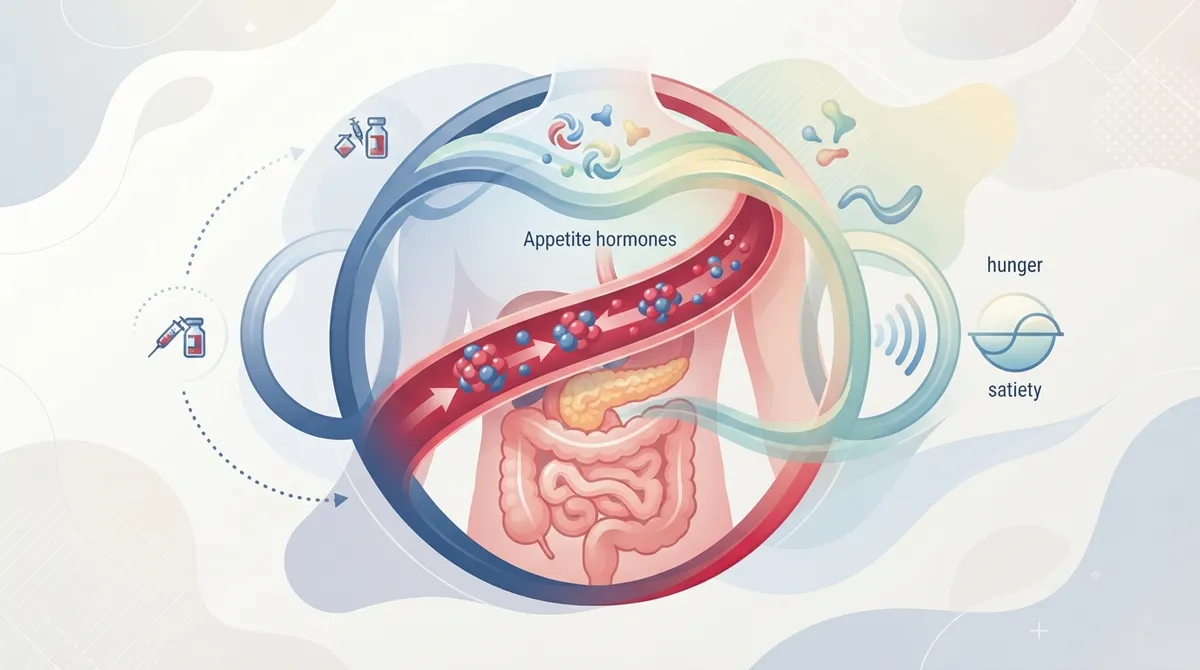
Ozempic is a GLP-1 receptor agonist. It copies a natural gut hormone that helps control blood sugar and hunger. The U.S. Food and Drug Administration (FDA) approved it for type 2 diabetes and certain heart and kidney risk reductions.
Semaglutide 2.4 mg, sold as Wegovy, is the version approved for chronic weight management. The two products and their doses are not interchangeable without a clinician's direction. You can learn more in our guide on what semaglutide is and how GLP-1 therapy works.
Here is what the medicine does while you take it:
- It slows how fast food leaves your stomach.
- It helps your body release insulin when blood sugar is high.
- It lowers appetite and food cravings.
- It helps you feel full sooner and for longer.
These effects depend on the drug being present. Once levels drop, the benefits drop too. That is the core reason the question of what happens when you stop Ozempic is so important.

What Happens When You Stop Ozempic? The Short Answer
The most common changes are a return of appetite, weight regain, and, for people with diabetes, higher blood sugar. These changes do not happen overnight. They build over weeks and months.
Semaglutide stays in your body for a long time. Its washout period is roughly five weeks. So you will not feel the full change on day one. Most people notice appetite creeping up first.
|
Area of Health |
What May Change After Stopping |
Typical Timing |
|---|---|---|
|
Appetite |
Hunger and cravings return |
Weeks after the last dose |
|
Weight |
Gradual regain of lost weight |
Months, often within a year |
|
Blood sugar |
May rise in people with type 2 diabetes |
Weeks to months |
|
Heart and metabolic markers |
Often drift back toward baseline |
Over several months |
|
Digestive side effects |
Nausea and similar effects usually ease |
Weeks |
Keep in mind that results vary. The amount and speed of change depend on your health, diet, activity, and other medicines. Stopping does not guarantee that all lost weight will return.
What Happens to Your Appetite After Stopping Ozempic?
Appetite is often the first thing to shift. While you take Ozempic, food noise may quiet down. You may feel full on smaller meals. After you stop, that effect fades.
Many people report more frequent hunger and stronger cravings. Portion sizes may creep up without you noticing. This is not a lack of willpower. It is your body returning to its usual hunger signals.
You may also notice that nausea, bloating, and constipation improve. These common side effects usually ease as the drug leaves your system.
Plan ahead for this change. Simple steps can help:
- Eat protein at every meal to stay full longer.
- Add fiber from vegetables, beans, and whole grains.
- Keep a regular meal schedule so hunger does not spike.
- Drink water throughout the day.
- Track your food for a few weeks to spot slow portion creep.
Our article on meal timing tips for curbing appetite offers more practical ideas.
How Much Weight Do People Regain After Stopping Ozempic?
Research gives us a clear picture. In the STEP 1 trial extension, adults with overweight or obesity but without diabetes took semaglutide 2.4 mg for 68 weeks. They lost an average of 17.3% of their starting body weight.
After treatment ended, they were followed for another year. On average, they regained 11.6 percentage points of body weight. By week 120, their net weight loss was 5.6% from the starting point. That means about two-thirds of the lost weight came back within a year.
|
Group |
Weight Change During Treatment (68 Weeks) |
Change After Stopping (52 Weeks) |
Net Change at Week 120 |
|---|---|---|---|
|
Semaglutide group |
Lost 17.3% |
Regained 11.6 points |
Lost 5.6% |
|
Placebo group |
Lost 2.0% |
Regained 1.9 points |
Lost 0.1% |
There is an important caveat. The study also ended its structured lifestyle program when the drug stopped. So the results do not separate the effect of the medicine from the loss of coaching and support. This suggests that ongoing lifestyle support may matter a great deal.
If you want to understand the pattern better, read our guide on whether weight comes back after semaglutide stops.
What Happens to Blood Sugar When You Stop Ozempic?
If you take Ozempic for type 2 diabetes, this part matters most. The glucose-lowering effect fades after you stop. Your blood sugar may rise, sometimes faster than you expect.
How much it rises depends on several things:
- How severe your diabetes is
- Which other medicines you take
- Your diet and activity level
- Your overall health and weight
Do not stop without a plan. Your prescriber may switch you to another medicine or adjust your current ones. You should also set up glucose monitoring so you can catch changes early.
Good diabetes care is a team effort. Our post on common diabetes management mistakes explains what to avoid. You can also learn how primary care doctors help manage chronic illness over time.
Do Heart and Metabolic Health Markers Change?
Often, yes. In the same STEP 1 extension, most measured cardiometabolic improvements moved back toward baseline during the year after treatment ended. These markers included things like blood pressure and blood sugar measures.
This does not mean the drug "stopped working." It means those benefits were tied to the medicine and the weight loss it supported. When both fade, health markers can drift back.
That is why follow-up care is so valuable. Regular checks let your doctor spot early changes. Our guide on blood pressure management strategies shows ways to protect your heart health.
How Long Does It Take for Ozempic to Leave Your System?
Semaglutide has a long duration in the body. Effects do not vanish right after your last injection. The drug clears gradually over several weeks.
The available STEP 1 withdrawal data describe outcomes over months. They do not give a fixed symptom timeline for every patient. Some people feel changes within a few weeks. Others notice them later.
Our timeline guide on how semaglutide leaves your system breaks this down in more detail.
Do You Need to Taper Off Ozempic?
This is one of the most common questions. There is no universal, FDA-labeled tapering schedule for stopping Ozempic. Some clinicians lower the dose before stopping. Others stop at once. The right path depends on your goals and health.
You can read more about this in our post on stopping semaglutide cold turkey. The key point is simple: a clinician should guide any discontinuation, switch, or restart.
Here is a safe way to approach the decision:
- Talk with your prescriber before you stop.
- Ask whether a dose reduction makes sense for you.
- Set up a plan to monitor weight and blood sugar.
- Build a nutrition and activity plan before your last dose.
- Schedule follow-up visits to review progress.
Can You Restart Ozempic After a Break?
Yes, many people restart. But you should not guess at the dose. According to FDA labeling, a missed dose can be taken within five days. If more than five days have passed, skip it and take the next dose on your regular day.
That guidance covers a single missed dose. It is not a plan for a long break. After a longer pause, your clinician may need to restart you at a lower dose. Never double up doses or jump back to a high dose without medical advice.
When You Should Stop Ozempic Right Away
Sometimes stopping is not a choice. Seek prompt medical advice if you have severe, lasting belly pain or another suspected serious reaction. FDA labeling says to stop semaglutide if pancreatitis is suspected. If pancreatitis is confirmed, do not restart it.
Planning a pregnancy is another reason to stop. The label advises stopping semaglutide at least two months before a planned pregnancy because of its long washout period. Talk with your doctor early so you have a safe plan.
If side effects are the reason you want to stop, tell your prescriber first. A dose change or a different approach may solve the problem. You can review common concerns in our guide to semaglutide side effects patients should know.
How to Keep Your Progress After Stopping Ozempic
The research is clear that stopping is not the end of the journey. What you do next shapes your results. A medical plan can help you hold on to your gains.
Consider these steps:
- Build muscle. Strength training helps protect lean mass and supports your metabolism.
- Keep moving. Walking and regular activity support weight control.
- Sleep well. Poor sleep can raise hunger hormones.
- Manage stress. Stress can drive emotional eating.
- Stay connected to care. Regular visits catch problems early.
Tracking your body, not just your scale, also helps. A body composition analysis shows fat and muscle changes. A metabolic breath analysis can estimate how your body burns energy, so your plan fits your real needs.
For deeper support, explore semaglutide maintenance therapy or read how to keep weight off for good. You can also compare options in our overview of choosing the best injection for weight loss.
How InCare Supports You Before, During, and After Ozempic
Stopping a weight or diabetes medicine works best with a plan. At InCare, our team builds personalized care for patients in Tampa and Riverview. We combine primary care with advanced wellness tools, so you are never guessing.
Our weight loss program pairs medical guidance with technology. Our providers can help you decide whether to continue, taper, switch, or stop. You can meet our team on the providers page. We also support your whole health through primary care, lab work, and follow-up visits.
Patients value our friendly, hands-on approach. You can see what they say by reading InCare reviews on Google — InCare. You can also follow our updates on Instagram, Facebook, and TikTok.
Conclusion: Plan Your Next Step With Confidence
So, what happens when you stop Ozempic? Appetite often returns, weight may creep back, and blood sugar can rise for people with diabetes. In one major study, participants regained about two-thirds of their lost weight within a year. Still, results differ for each person, and a smart plan can make a real difference.
You do not have to face this transition alone. A clear plan, steady follow-up, and healthy daily habits can protect your progress. If you are thinking about stopping, start the conversation with a trusted clinician first.
Ready to build a plan that fits your life? Book your visit with InCare today, or contact our team with questions. We are here to help you stay healthy in Tampa, Riverview, and beyond.
FAQs
Q: How soon can blood sugar rise after stopping Ozempic?
A: Blood sugar may begin to rise within weeks, because the glucose-lowering effect fades as the drug clears your body. The speed depends on your diabetes, other medicines, diet, and overall health. Arrange glucose monitoring and a backup treatment plan with your prescriber before you stop.
Q: Do you need to taper off Ozempic, or can you stop suddenly?
A: There is no universal, FDA-labeled tapering schedule for Ozempic. Some clinicians reduce the dose first, while others stop at once. Your clinician should guide this choice based on your goals and health.
Q: Can you restart Ozempic after missing several doses?
A: For one missed dose, the FDA label says to take it within five days, or skip it if more than five days have passed. After a longer break, you may need to restart at a lower dose. Do not double doses or restart at a high dose without medical advice.
Q: How can you maintain weight loss after stopping Ozempic?
A: Focus on high-protein meals, fiber, strength training, regular activity, and good sleep. Ongoing follow-up with a clinician also helps you catch weight changes early. A medical weight loss plan can add structure and accountability.
Q: Is it safe to stop Ozempic before pregnancy, and how long beforehand?
A: FDA labeling advises stopping semaglutide at least two months before a planned pregnancy because of its long washout period. Talk with your doctor early so you can plan blood sugar and weight care during that time.


