
Key Takeaways
- KP-10 is not a skin-care product or treatment; it's confusion between keratosis pilaris (KP) and the ICD-10 diagnosis code L87.0 used in medical records.
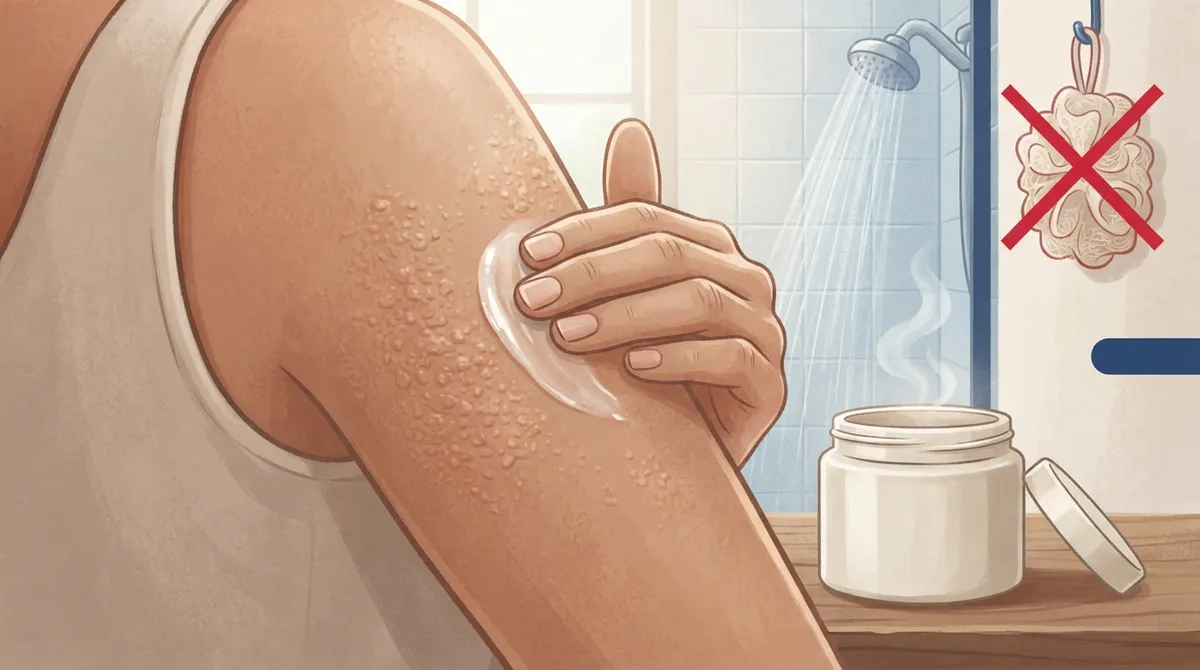
- Keratosis pilaris has no permanent cure but improves significantly with consistent care using fragrance-free moisturizers and keratolytic ingredients like lactic acid or urea applied 2-3 times weekly.
- The Kp-10 peptide studied in labs is unrelated to treating keratosis pilaris and has no FDA approval or human clinical evidence supporting skin health claims.
- Avoid habits that worsen keratosis pilaris: hard scrubbing, picking bumps, waxing, long hot showers, and scented products; keep showers under 10 minutes.
- See a doctor if bumps become painful, spread suddenly, itch intensely, show signs of infection, or don't improve after weeks of consistent home care.
- Prescription retinoids like tretinoin work for stubborn cases but cause dryness and irritation; pregnant or breastfeeding patients must consult a provider before use.
If you searched "KP-10 for skin health," you might feel confused by what you find. Some results talk about bumpy skin. Others mention a peptide studied only in lab animals. This mix-up happens often, and it can lead people to try products that have no real evidence behind them. Understanding the truth behind KP-10 helps you make safer choices for your skin and your health.
At InCare, our providers in Tampa and Riverview see patients every week with skin concerns that sound confusing online but are simple to explain in person. This guide breaks down what KP-10 actually means, what treatments work, and when you should see a doctor instead of trying a new product you found on social media.
What Is KP-10 in Dermatology?
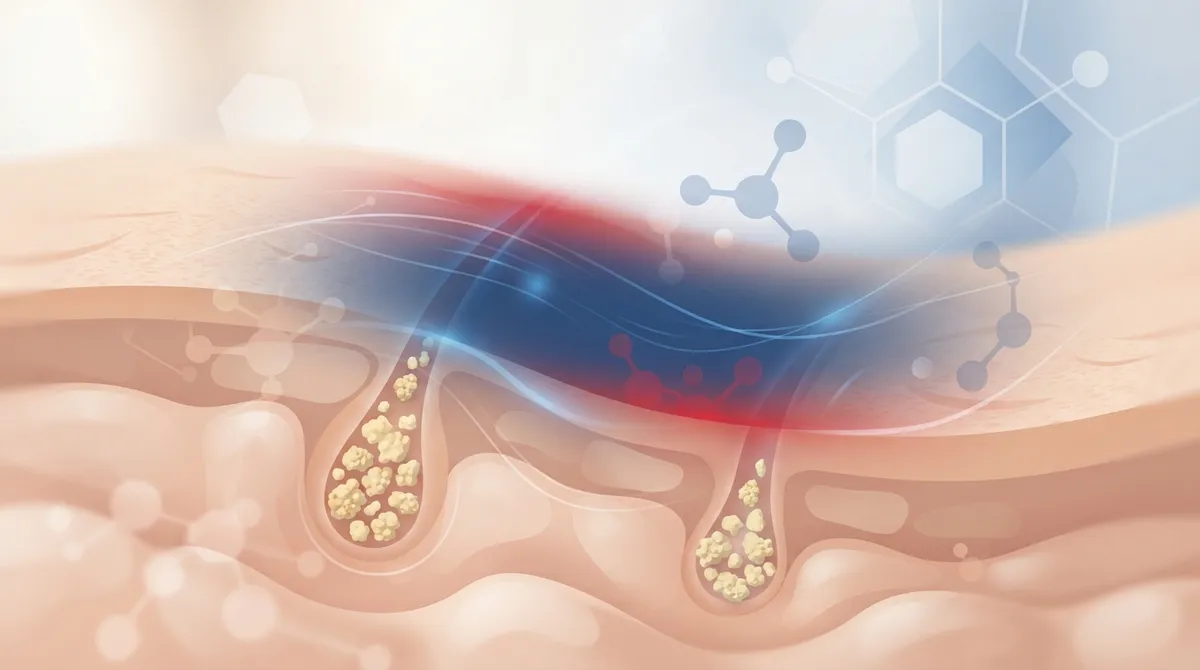
KP-10 is not a real skin-care ingredient. It is not a cream, pill, or approved treatment. In most cases, people searching this term actually mean one of two very different things.
The first meaning is keratosis pilaris, often shortened to "KP." This is a common skin condition. The second meaning is a diagnosis code, L87.0, which doctors use for keratosis pilaris in medical records. The number "10" causes confusion because it looks like it belongs with "KP," but it actually refers to ICD-10, the coding system doctors use nationwide.
There is also a separate scientific term called Kp-10, a peptide studied in labs. This is not a skin treatment. We will explain more about this later in the article.
Keratosis Pilaris vs. the ICD-10 Code L87.0
Here is a simple breakdown of the two most common meanings behind "KP-10":
|
Term |
What It Means |
Used For |
|---|---|---|
|
Keratosis Pilaris (KP) |
A skin condition with small rough bumps |
Describing the skin problem itself |
|
ICD-10 Code L87.0 |
The official diagnosis code for KP |
Medical records and insurance billing |
|
Kp-10 (peptide) |
A substance studied in animal research |
Laboratory science, not skin care |
What Is Keratosis Pilaris?
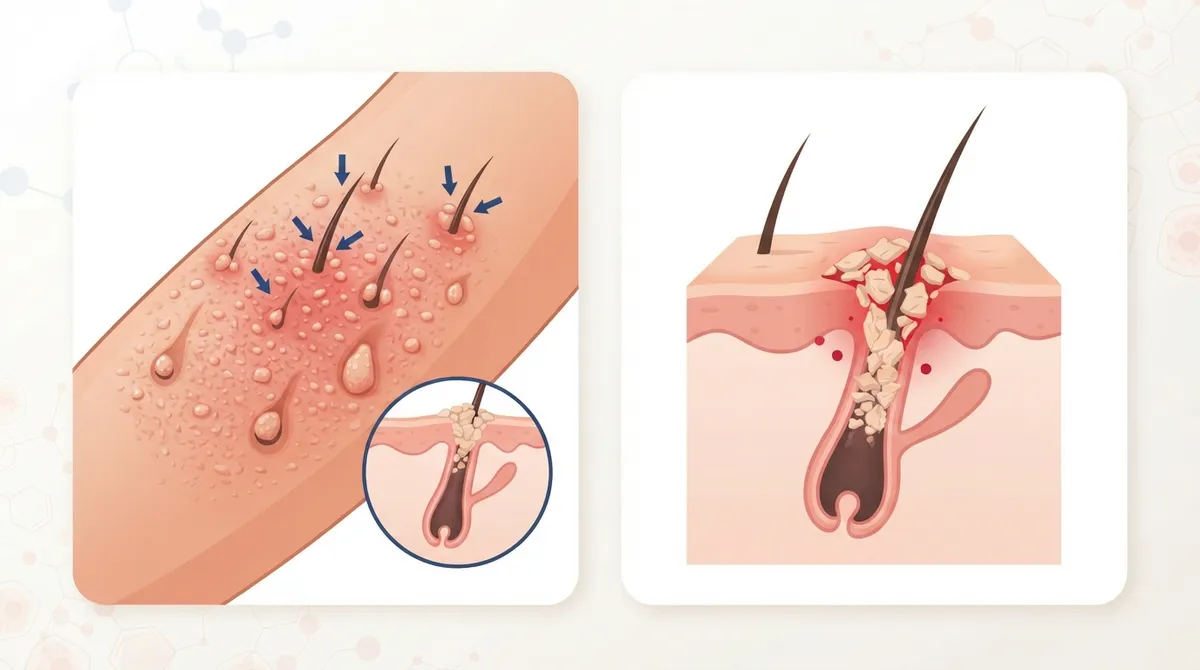
Keratosis pilaris is a harmless skin condition. It happens when keratin, a protein in your skin, builds up around hair follicles. This buildup creates small, rough bumps. People often call it "chicken skin" because of its bumpy texture.
These bumps usually show up on the:
- Upper arms
- Thighs
- Cheeks
- Buttocks
KP is very common. Many children, teens, and adults have it at some point in their lives. The good news is that it is not dangerous and does not spread like an infection.
How Is Keratosis Pilaris Diagnosed?
Most primary care doctors can diagnose KP just by looking at your skin. You usually will not need blood tests or a biopsy. Your doctor will check the texture, color, and pattern of the bumps to confirm the diagnosis.
However, you should see a doctor if your skin shows any of these signs:
- Bumps that are painful or oozing
- Skin that itches intensely and does not improve
- Bumps that change shape or color quickly
- Signs of infection, such as warmth, redness, or pus
- New symptoms that do not match typical KP patterns
These signs could point to a different skin condition. A trained provider can tell the difference and recommend the right next step. Our primary care team regularly evaluates skin concerns like these during regular visits.
Does Keratosis Pilaris Go Away?
There is no permanent cure for KP. However, most people see real improvement with consistent skin care. Many cases also become less noticeable with age. Some people notice their skin clears up almost completely by adulthood.
A 2024 Mayo Clinic reference confirms that KP often fades over time, even without aggressive treatment. Patience and steady care make a big difference.
Best Skin Care Treatments for Keratosis Pilaris
The right skin care routine can reduce bumps and improve texture. Here are the most effective, doctor-recommended options.
1. Gentle Moisturizing
Use a fragrance-free moisturizer every day. Apply it right after bathing while your skin is still damp. This locks in moisture and helps loosen built-up keratin.
2. Keratolytic Ingredients
These ingredients help remove dead skin cells and smooth rough patches. Common options include:
- Lactic acid
- Ammonium lactate
- Urea
- Alpha-hydroxy acids (AHAs)
- Salicylic acid
A small 2015 clinical study found that 10% lactic acid worked better than salicylic acid for KP-related bumps. However, this was a limited study, so no single ingredient works best for everyone.
3. Prescription Retinoids
For stubborn cases, your doctor may recommend a prescription retinoid such as tretinoin, adapalene, or tazarotene. These can cause dryness and irritation, so they need careful use. If you are pregnant or breastfeeding, always talk to your provider before starting any retinoid.
Gentle Habits That Help Your Skin
Certain habits make KP worse. Avoid these common mistakes:
- Scrubbing your skin hard with rough exfoliants
- Picking at bumps
- Waxing affected areas
- Taking long, hot showers
- Using scented soaps or lotions
A 2024 Harvard Health review suggests limiting exfoliant use to just a few times a week when starting out. This helps prevent irritation while still improving skin texture.
How Long Does Treatment Take to Work?
Most people need several weeks of steady care before seeing real change. Skin improvement takes time, so consistency matters more than trying new products constantly. Mayo Clinic also recommends keeping showers to about 10 minutes or less to avoid drying out your skin further.
What Is the Kp-10 Peptide? (And Why It's Not a Skin Treatment)
Some online sources confuse keratosis pilaris with a lab-studied peptide called Kp-10. This substance is part of early-stage research related to blood vessel activity, not skin care.
A 2011 study published in PLOS ONE tested Kp-10 on lab mice. Researchers found that it caused swelling at injection sites in a dose-dependent way. This means higher doses caused more swelling. This type of study only tells scientists how a substance behaves in animals. It does not prove any benefit for human skin.
There is no scientific evidence that Kp-10 injections or Kp-10 skin products improve skin health in people. If you see a product marketed this way, be cautious. It likely misuses the name to create confusion with keratosis pilaris treatments.
Common Peptide Study Confusion
To avoid confusion, keep these facts in mind:
- Kp-10 is not FDA-approved for skin care.
- Kp-10 research so far involves animals, not humans.
- No major dermatology guideline recommends Kp-10 for skin bumps.
- Keratosis pilaris treatment relies on moisturizers and keratolytics, not peptides.
- Marketing claims linking Kp-10 to smooth skin are not backed by solid evidence.
It is worth noting that unrelated cosmetic peptide research does exist. For example, a 2026 open-label study on a 10-peptide facial serum reported improvement in 89.6% of users after 12 weeks. This study focused on a specific commercial product, not KP-10, and should not be confused with treatment for keratosis pilaris.
When Should You See a Primary Care Doctor for Skin Bumps?
Most cases of keratosis pilaris are mild and can be managed at home. But you should schedule a visit if you notice any of the following:
- Bumps that suddenly spread or worsen
- Signs of skin infection
- Extreme itching that disrupts sleep or daily life
- Uncertainty about whether it really is KP
- No improvement after weeks of consistent home care
A primary care visit gives you a clear diagnosis and a treatment plan built around your skin type and health history. Our providers, including those featured on our providers page, can also check if any medications or health conditions are affecting your skin.
How InCare Supports Your Skin and Whole-Body Health
InCare offers more than skin evaluations. Our approach looks at your whole body, not just one symptom. Depending on your needs, your visit may include a broader wellness check, guidance on skin-safe products, or a referral to dermatology if your case needs specialized care.
We also offer services that support skin health indirectly, such as our IV hydration and vitamin drips, which some patients use to support hydration and nutrient levels. For patients interested in deeper health insights, our DNA gene testing can reveal genetic patterns linked to skin and metabolic health.
Quick Comparison: KP Treatment Options
|
Treatment Type |
Best For |
Needs a Prescription? |
|---|---|---|
|
Fragrance-free moisturizer |
Daily maintenance |
No |
|
Lactic acid or urea cream |
Rough, bumpy texture |
Sometimes (varies by strength) |
|
Salicylic acid |
Mild exfoliation |
No |
|
Topical retinoids |
Stubborn or resistant KP |
Yes |
Steps to Build a Simple Skin Care Routine for KP
Follow these steps for a routine that supports smoother skin over time:
- Take short, lukewarm showers instead of long, hot ones.
- Pat your skin dry gently instead of rubbing.
- Apply a fragrance-free moisturizer while your skin is still damp.
- Use a gentle exfoliant with lactic acid or urea two to three times a week.
- Avoid picking or scrubbing affected areas.
- See your doctor if symptoms do not improve after several weeks.
Many InCare patients in Tampa and Riverview appreciate having a trusted place to start when skin concerns pop up. You can browse patient experiences and see what our InCare patients say on Google before booking your first visit.
Why Accurate Information Matters
Confusing terms like KP-10 can lead people toward products with no proven benefit. This wastes money and can delay proper care. Always check with a licensed primary care provider before trying a new skin treatment, especially one marketed with unclear or scientific-sounding names.
You can also find helpful health tips and patient stories on our Facebook page, or see everyday wellness tips on our Instagram and TikTok pages. These channels share simple, doctor-approved advice you can trust.
Take the Next Step for Healthier Skin
Understanding the real meaning behind KP-10 helps you avoid confusion and choose treatments that actually work. Whether you are dealing with rough patches, unclear symptoms, or just want a proper diagnosis, InCare is here to help. Our team in Tampa and Riverview offers thorough evaluations, personalized skin care guidance, and access to services that support your total health.
Ready to get clear answers about your skin? Schedule your visit today and let our team create a simple, effective plan for your skin health.
FAQs
Q: What does KP-10 mean in dermatology?
A: KP-10 is not a recognized skin-care product or treatment. It most likely reflects confusion between keratosis pilaris (KP) and its ICD-10-CM diagnosis code, L87.0, which doctors use in medical records.
Q: Is KP-10 the same as keratosis pilaris?
A: No. Keratosis pilaris is the actual skin condition, while KP-10 usually refers to a mix-up with the diagnosis code L87.0. There is no separate treatment called KP-10.
Q: What is the best moisturizer or exfoliant for keratosis pilaris?
A: Fragrance-free moisturizers work well for daily care, while exfoliants containing lactic acid, urea, or salicylic acid help loosen built-up keratin. A small clinical study found 10% lactic acid may outperform salicylic acid, though results can vary by individual.
Q: Can retinoids be used for keratosis pilaris, and are they safe during pregnancy?
A: Topical retinoids like tretinoin can help with stubborn KP cases, but they may cause dryness and irritation. Pregnant or breastfeeding patients should always consult a clinician before using retinoids.
Q: When should someone with suspected keratosis pilaris see a doctor?
A: You should see a primary care provider if bumps become painful, ooze, itch intensely, change rapidly, or fail to improve after weeks of consistent home care. These signs may point to a different skin condition requiring evaluation.