
Key Takeaways
- Ipamorelin is not FDA-approved and human studies are limited to short-term hormone level increases; claims about weight loss, anti-aging, muscle gain, and improved sleep lack strong clinical evidence in healthy adults.
- The FDA identified serious safety concerns with compounded ipamorelin in October 2024, including insufficient safety data for subcutaneous injection, peptide impurities, and reported deaths linked to intravenous use.
- Marketing claims using phrases like 'clinically studied' or 'research-backed' are misleading since research was conducted on surgical patients, not healthy individuals seeking wellness benefits, making results inapplicable to general populations.
- Before considering peptide therapy, ask your provider directly whether the treatment is FDA-approved, what research shows for your specific situation, and what proven evidence-based alternatives exist for your health goals.
Ipamorelin has become a buzzword in wellness circles, promising everything from better sleep to a leaner body. But if you search for ipamorelin research online, you will find a mix of marketing claims and real science that often contradict each other. Before you consider any growth-hormone peptide, it helps to know what has actually been studied, what remains unproven, and what the FDA has said about safety. This matters whether you are a busy parent trying to protect your family's health, a young professional exploring wellness trends, or someone who wants proactive care backed by facts rather than hype.
At InCare, our approach to wellness starts with evidence, not trends. This article breaks down what ipamorelin research actually shows, where the gaps are, and what questions to ask before trying any peptide therapy.
What Is Ipamorelin and How Does It Work?
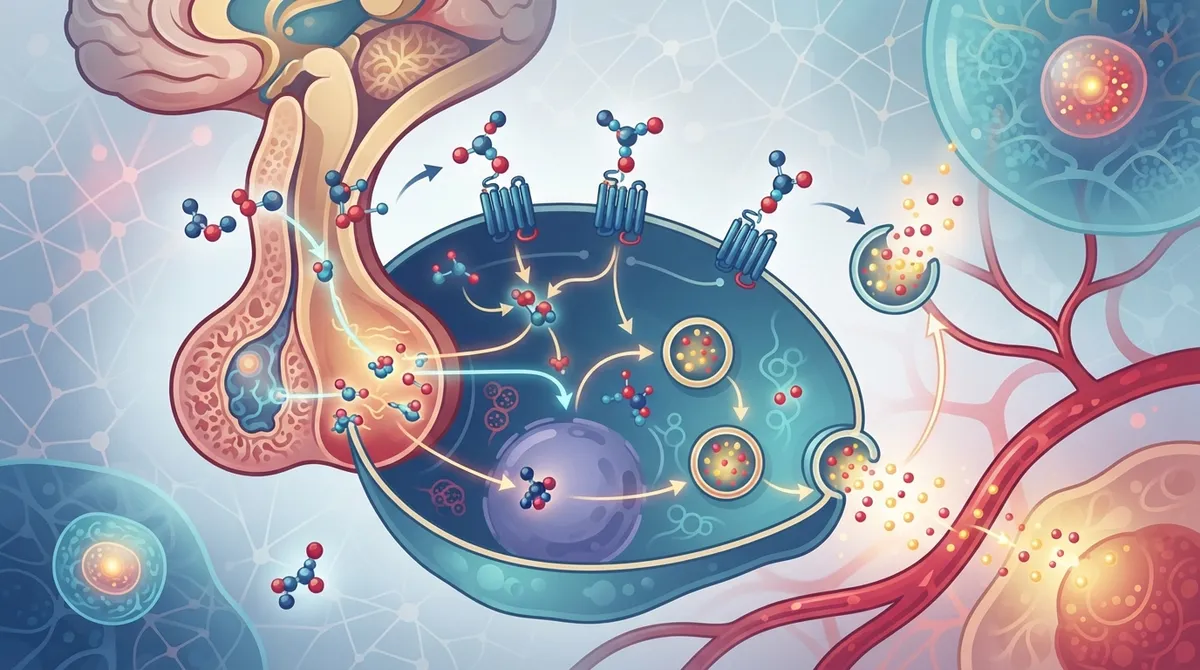
Ipamorelin is a man-made peptide. It was designed to trigger the release of growth hormone from your pituitary gland. It does this by activating a receptor called GHSR-1a, which is the same receptor that responds to the hunger hormone ghrelin.
Researchers first studied ipamorelin as a possible growth-hormone secretagogue, meaning a substance that prompts the body to release more growth hormone naturally. It was never designed or approved as a general wellness product. This distinction matters a lot when you see it marketed for anti-aging or weight loss.

What Does Human Research Actually Show?
Human studies on ipamorelin are limited. Early trials in healthy adults found it could raise growth hormone levels for a short period. But raising a hormone level in a lab setting is very different from proving real-world benefits.
These short-term studies did not test or confirm any of the following:
- Long-term anti-aging effects
- Sustainable weight loss
- Increased muscle mass over time
- Improved sleep quality
- Faster recovery from exercise or injury
Some research also examined ipamorelin for a specific surgical use: helping patients recover normal gut function after surgery, a condition called postoperative ileus. One registered study, listed on ClinicalTrials.gov as NCT01280344, looked at this exact use. But results from surgical patients cannot be applied to healthy people looking for wellness benefits.
Why the Distinction Between Investigational and Approved Uses Matters
Ipamorelin is not FDA-approved for any use in the United States. This means no version of it has gone through the full review process the FDA requires to confirm safety and effectiveness for a specific condition.
When a substance is investigational, it means scientists are still studying it. It does not mean it is proven safe or effective for the public. If you are researching options at a primary care clinic, it is worth asking your provider directly whether a treatment is FDA-approved or still under investigation.
What Has the FDA Said About Ipamorelin Safety?
The FDA has raised real concerns about compounded ipamorelin products. Compounded medications are made by pharmacies rather than large drug manufacturers, and they are not FDA-approved.
In October 2024, the FDA's Pharmacy Compounding Advisory Committee reviewed ipamorelin and identified several safety issues:
- Insufficient safety data for some routes of administration, including subcutaneous injection
- Potential for peptide impurities or aggregation, which can trigger immune reactions
- Reports of serious adverse events, including a death linked to intravenous use during a study on gastric motility
This is an important point: a lack of documented problems with a specific method of use is not the same as proof that it is safe. The FDA has been clear that missing data should not be mistaken for a safety guarantee.
Table: What Ipamorelin Research Has and Has Not Shown
|
Area of Interest |
What Research Shows |
What Remains Unproven |
|---|---|---|
|
Growth hormone levels |
Short-term increases seen in healthy adults |
Long-term hormone effects and safety |
|
Postoperative recovery |
Studied in surgical patients (NCT01280344) |
Benefits for healthy, non-surgical individuals |
|
Weight loss |
No confirmed clinical evidence |
Any measurable, lasting weight change |
|
Anti-aging effects |
No confirmed clinical evidence |
Any effect on aging markers |
|
Compounded safety |
FDA flagged serious adverse events |
Safety for subcutaneous or other routes |
Why Are So Many Wellness Claims About Ipamorelin Misleading?
Marketing materials often use words like "clinically studied" or "research-backed" to describe ipamorelin. These phrases are technically true, since some research does exist, but they can create a false sense of proven safety and effectiveness.
Here is how to spot misleading claims:
- Look for specific citations to clinical trials, not vague references to "studies"
- Check whether the cited research involved healthy people or a different patient population, like surgical patients
- Be cautious of claims involving anti-aging, fat loss, or muscle gain, since none of these are supported by strong human evidence
- Ask if the product is FDA-approved or compounded, since compounded products carry different risks
A trustworthy healthcare provider will walk you through these distinctions honestly rather than promising guaranteed results.
What Should You Ask Before Considering Any Growth Hormone Peptide?
If you are exploring peptide therapy or have seen ads for ipamorelin, bring these questions to your next appointment:
- Is this treatment FDA-approved, or is it compounded and investigational?
- What does the actual research show about people like me, not just lab studies or surgical patients?
- What are the known risks, including immune reactions or impurities?
- How does this interact with my current medications or health conditions?
- Are there proven, evidence-based alternatives to reach my health goals?
- What follow-up monitoring would be required if I chose to move forward?
These questions protect you from marketing hype and help you make an informed decision with a licensed clinician.
Why Evidence-Based Primary Care Matters More Than Trends
Wellness trends move fast, but your health decisions should not be rushed. A trend-driven product one year can be reevaluated for safety concerns the next. Ipamorelin is a clear example of this pattern: it started as a research compound, gained popularity in wellness marketing, and is now facing new scrutiny from the FDA.
Instead of chasing unproven peptides, consider proven paths supported by real clinical evidence:
- Medically supervised weight loss programs
- DNA gene testing for personalized health insights
- Body composition analysis to track real progress
- IV hydration and vitamin therapy for energy support
- Cancer screenings for early detection
These services are grounded in established medical practice rather than early-stage research still being studied for safety.
How InCare Approaches Peptide and Wellness Conversations
At InCare, with locations in Tampa and Riverview, our providers, including Dr. Naveen Paddu and Dr. Pramjeet Ahluwalia, believe in reviewing your full health history before recommending any treatment. If you are curious about peptide therapy in Tampa, our team will walk you through what current research actually supports, not just what is trending on social media.
We also understand that many patients come to us after reading conflicting information online. Our job is to translate research into plain language and help you understand your real options, whether that means peptide therapy, medical weight loss, or another approach entirely.
You can see what real patients say about their experience by visiting our InCare location on Google, where our Tampa and Riverview clinics maintain a 4.8 out of 5 rating from hundreds of reviews. Many patients mention feeling truly heard during their visits, which is exactly the kind of care experience we aim to provide.
Staying Informed Beyond the Clinic Visit
Wellness research changes often, and staying current matters. Following trusted health sources helps you separate fact from marketing. You can also follow our team's updates and educational content on Facebook, Instagram, and TikTok for practical, evidence-based wellness tips.
Final Thoughts on Ipamorelin Research
Ipamorelin research is still in its early stages. What exists so far involves small human studies, surgical patient trials, and growing safety concerns from the FDA about compounded versions. There is no strong evidence that it helps with weight loss, anti-aging, muscle gain, or sleep in healthy adults.
Rather than relying on unproven peptides, the smartest path is working with a licensed primary care provider who can review your health history and recommend treatments backed by real clinical evidence. If you have questions about peptide therapy, weight loss options, or general wellness planning, our team is ready to help you sort fact from fiction.
Ready to talk through your options with a provider who puts evidence first? Book your appointment today or reach out to our team with any questions about peptide therapy, weight loss, or preventive care in Tampa and Riverview.
FAQs
Q: What is ipamorelin, and how does it work?
A: Ipamorelin is a synthetic peptide that stimulates growth hormone release by activating the ghrelin receptor, known as GHSR-1a. It has been studied mainly as an investigational growth-hormone secretagogue, not as a proven wellness treatment.
Q: Is ipamorelin FDA-approved in the United States?
A: No, ipamorelin is not FDA-approved for any use in the United States. Compounded versions are also not FDA-approved, and the FDA has raised specific safety concerns about their production and use.
Q: Does ipamorelin help with weight loss, muscle gain, or anti-aging?
A: Current research does not establish that ipamorelin improves weight loss, muscle gain, sleep, or anti-aging in healthy adults. Short-term studies only show temporary increases in growth hormone, not lasting wellness benefits.
Q: What are the known risks of compounded ipamorelin?
A: The FDA has identified risks including peptide impurities, possible immune reactions, and serious adverse events, including a reported death linked to intravenous use in a clinical study. Safety data for other routes, like subcutaneous injection, remains insufficient.
Q: What should I ask my primary care doctor before considering a peptide like ipamorelin?
A: Ask whether the treatment is FDA-approved or investigational, what the actual research shows for people like you, and what risks apply to your specific health history. A licensed clinician can help you compare peptide therapy to proven, evidence-based alternatives.