
Key Takeaways
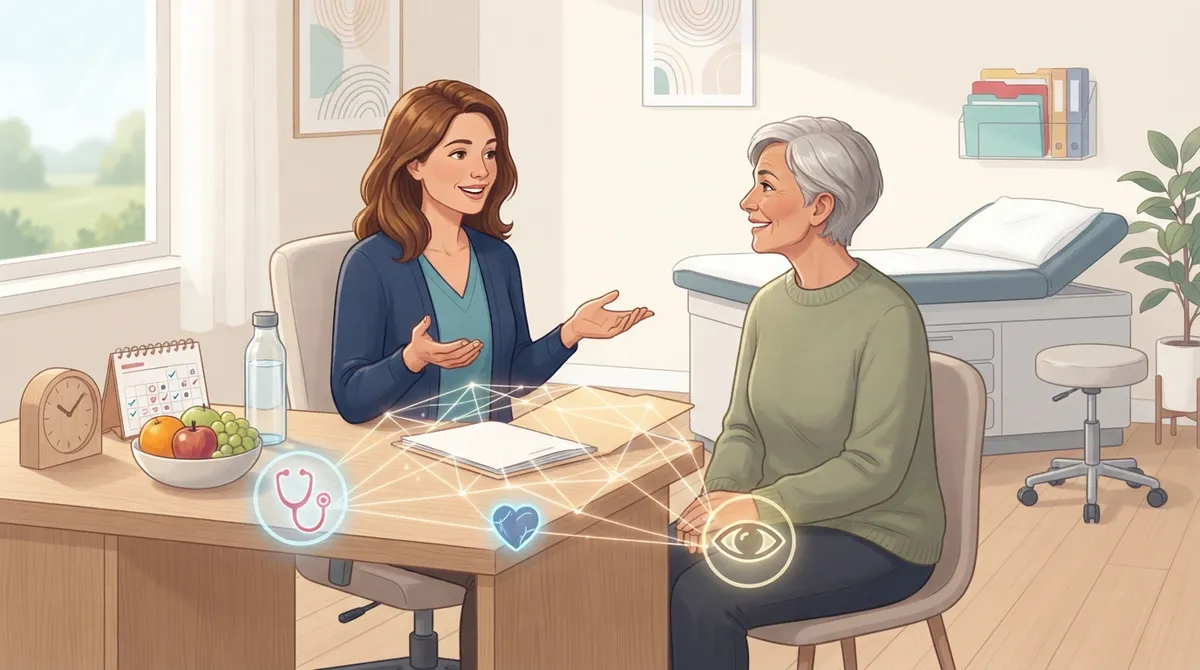
- A primary care physician (PCP) is your first point of contact for most health needs, handling prevention, common illnesses, chronic conditions, and referrals to specialists.
- PCPs focus on prevention: yearly wellness visits, age- and risk-based screenings, vaccines, and advice on diet, exercise, sleep, stress, and tobacco use.
- Your PCP manages chronic conditions like high blood pressure, diabetes, asthma, and high cholesterol, adjusting treatment over time to prevent complications.
- PCPs coordinate your care by reviewing specialist notes, ordering tests, and keeping records in one place, which reduces missed information and repeated tests.
- Continuity matters: seeing the same doctor over time helps them spot small changes early and makes patients more likely to follow their care plans.
- Healthy adults often benefit from at least one wellness visit a year, while people with chronic conditions may need visits every few months.
Many people only think about a doctor when they feel sick. But the right doctor does far more than treat illness. So, what does a primary care physician do? In short, a primary care physician (PCP) is your first point of contact for most health needs. They help you stay well, treat common problems, manage ongoing conditions, and guide you to specialists when you need them.
In 2026, primary care looks different than it did even a few years ago. Patients expect fast access, clear answers, and care that fits a busy life. They also want a doctor who knows their story. This guide explains the core duties of a PCP, what happens at a typical visit, and how modern clinics like InCare combine medical expertise with advanced wellness tools. Whether you are a young parent, a busy professional, or someone building a health plan for the first time, you will learn how a PCP can support you at every stage of life.
What Is a Primary Care Physician?
A primary care physician is a doctor who provides first-contact, ongoing care for a wide range of health needs. Unlike a specialist, who focuses on one organ system or disease, a PCP looks at your whole health. According to the American Academy of Family Physicians, primary care is built on comprehensive, continuous, and coordinated care.
Your PCP is often the first person you call when something feels off. They are also the person who helps you stay healthy when nothing is wrong. That mix of prevention and treatment is what makes primary care unique. To learn more about how this role supports your daily health, see what a primary care physician does for your health.
Types of Primary Care Doctors
Several kinds of doctors serve as PCPs. Each has a slightly different focus:
- Family medicine doctors: Care for patients of all ages, from children to older adults.
- Internal medicine doctors: Focus on adults and complex adult conditions.
- Pediatricians: Care for infants, children, and teens.
- Geriatricians: Focus on the needs of older adults.
Many clinics also use nurse practitioners and physician assistants as part of the care team. If you want a closer look at one of these roles, read about the key roles of an internal medicine physician in primary care.
The Core Duties of a Primary Care Physician
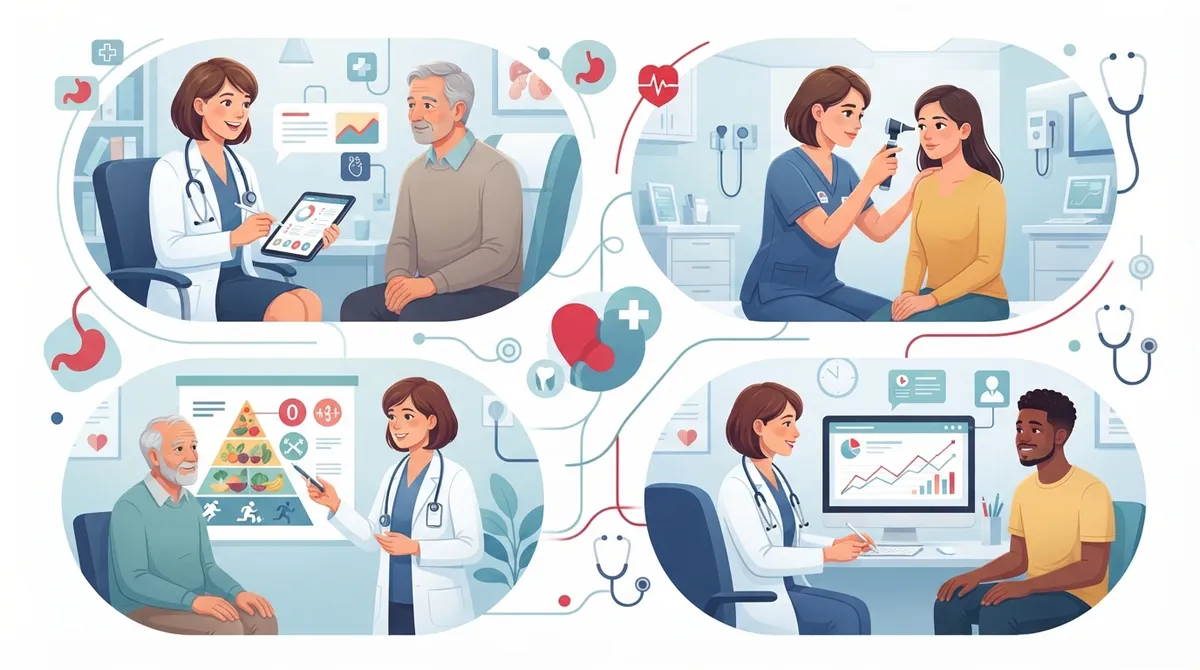
A PCP wears many hats. Here are the main responsibilities you can expect.
1. Preventive Care and Health Promotion
Prevention is the heart of primary care. A PCP helps you find problems early, when they are easier to treat. This includes yearly wellness visits, screenings based on your age and risk, and vaccines. They also give advice on food, exercise, sleep, stress, and tobacco use.
The exact screenings you need depend on your age, family history, and current medical guidance. A good PCP reviews these with you each year. You can read more in this guide on how to make preventive care work for your health.
2. Diagnosing and Treating Common Illnesses
When you get sick, your PCP is often the first stop. They diagnose and treat many short-term problems, such as:
- Colds, flu, and sore throats
- Sinus, ear, and urinary infections
- Rashes and skin concerns
- Minor injuries, sprains, and aches
- Stomach issues and headaches
If your problem needs fast attention after hours, urgent care can fill that gap. Knowing when to choose each option saves time and stress.
3. Managing Chronic Conditions
Long-term conditions need steady attention. A PCP tracks your health over time, adjusts treatment, and helps you manage your own care. Common examples include high blood pressure, diabetes, asthma, high cholesterol, and thyroid problems.
Regular visits help catch changes early and reduce the risk of complications. For a deeper look, see how primary doctors help manage chronic illnesses.
4. Coordinating Your Care
Healthcare can feel scattered. You may see a cardiologist, a lab, and a pharmacy, all in the same month. Your PCP acts as the hub. They review specialist notes, order tests, and make sure your treatment plan fits together.
This coordination lowers the chance of missed information or repeated tests. It also keeps your records in one place. Learn why this matters in fragmented care vs. coordinated care.
5. Health Education and Counseling
A good PCP is also a teacher. They explain your results in plain language. They help you set goals, such as better sleep, lower blood pressure, or healthy weight. They also support mental health by listening, screening for stress, anxiety, and low mood, and connecting you to help when needed.
What Happens at a Primary Care Visit?
Many new patients wonder what to expect. Most visits follow a simple flow:
- Check-in and history: A nurse or assistant records your vital signs, such as blood pressure, heart rate, weight, and temperature.
- Conversation: Your doctor asks about symptoms, habits, family history, and goals.
- Physical exam: The doctor examines the areas related to your concerns, or does a full exam at a yearly visit.
- Testing: You may need blood work, a urine test, or other screenings.
- Plan: Your doctor explains findings, prescribes treatment if needed, and sets your next steps.
If you are new to a clinic, the first visit often takes longer because your doctor builds your health picture from scratch. Here is a helpful overview of what happens during an annual physical exam and what to expect at a new patient appointment.
Primary Care Physician vs. Specialist
People often ask when to see a PCP and when to see a specialist. The table below shows the main differences.
|
Feature |
Primary Care Physician |
Specialist |
|---|---|---|
|
Scope |
Whole-body, broad care |
One organ system or disease |
|
Role |
First contact and long-term partner |
Focused diagnosis and treatment |
|
Visits |
Routine, preventive, and sick visits |
Usually by referral |
|
Care approach |
Coordinates all your care |
Treats a specific problem |
|
Best for |
Prevention, common illness, chronic care |
Complex or advanced conditions |
In most cases, your PCP decides if you need a specialist and sends the referral. They then follow up to keep your plan on track. For more on this topic, review general practitioner vs. specialist.
How Modern Primary Care Goes Beyond the Basics
Primary care in 2026 is not limited to the classic checkup. Many clinics now use advanced tools to help you understand your body at a deeper level. This is especially helpful for people who want to take a proactive role in their health.
At InCare primary care, the focus is on prevention and whole-body wellness, supported by state-of-the-art technology. Depending on your goals, your care team may include:
- Cancer screenings for early detection
- DNA gene testing for personalized health insights
- Metabolic breath analysis to understand your metabolism
- Body composition analysis with 3D imaging and AI tracking
- Medical weight loss programs built around your needs
- IV hydration and vitamin drips for energy and recovery
Telemedicine also makes care easier. Virtual visits let you handle many follow-ups, refills, and quick questions without leaving home. This is a big help for busy families and working professionals.
Who Benefits Most From Having a PCP?
Nearly everyone benefits from a steady primary care relationship. Still, certain groups gain a lot:
- Busy young families: One clinic can care for parents and children, handle vaccines, and manage sick visits. See family primary care for details.
- Tech-savvy adults: Online booking and virtual visits fit a fast-paced schedule.
- Women in their 18-40 years: A PCP offers whole-body care beyond reproductive health, including screenings and wellness planning.
- Young adults: Building a relationship early sets up healthy habits and helps you avoid guesswork from online searches.
- Wellness-focused adults: A PCP can guide advanced testing and long-term health goals.
If you are unsure whether you need one, this short guide answers the question: do you need a PCP?
Why Continuity Matters
One of the biggest strengths of primary care is continuity. When you see the same doctor over time, they learn your history, your habits, and what is normal for you. That knowledge helps them spot small changes before they become big problems.
Patients with a steady PCP often feel more comfortable asking questions. They also tend to follow care plans more closely. This trust is hard to build in a walk-in setting alone. If you are ready to start, learn how to choose the right general practitioner for your care.
How Often Should You See Your PCP?
The right schedule depends on your age, health, and risk factors. As a general guide:
- Healthy adults: Many see their PCP about once a year for a wellness visit.
- People with chronic conditions: Visits may be every few months, based on your doctor's plan.
- Children: Well-child visits follow a set schedule, with more visits in the early years.
- When you feel unwell: Book a sick visit whenever new or lasting symptoms appear.
Ask your doctor what schedule fits you. Your needs can change over time, so the plan should too.
Choosing the Right Primary Care Team
When you look for a PCP, think about more than location. Ask about same-day access, telehealth options, and how the clinic handles lab work and referrals. Look for a team that listens, explains clearly, and respects your time.
InCare serves patients in Tampa and Riverview, Florida, with a personalized approach that blends primary care, urgent care, and advanced wellness under one roof. Patients can see what others say by checking InCare reviews on Google, where the clinic holds a 4.8 rating. You can also meet the care team on the providers page and find clinic locations near you. For a practical checklist, read the 7 signs you have found the right primary care practice.
You can also follow InCare for health tips and updates on Instagram, Facebook, and TikTok.
Conclusion
So, what does a primary care physician do? They are your long-term health partner. A PCP prevents illness, treats common problems, manages chronic conditions, coordinates your care, and teaches you how to stay well. With a steady relationship, you get care that fits your life and your goals.
If you are ready to build that relationship, InCare makes it simple. The team offers personalized primary care, urgent care, and advanced wellness services in Tampa and Riverview. Book your appointment now or contact our team to learn how we can support your health today.
FAQs
Q: What does a primary care doctor do at a checkup?
A: At a checkup, your doctor reviews your health history, checks vital signs, and performs a physical exam. They may order blood work or screenings based on your age and risk. You also discuss vaccines, lifestyle habits, and goals for the year ahead.
Q: What conditions can a primary care physician treat?
A: A PCP treats many common illnesses such as colds, flu, infections, rashes, and minor injuries. They also manage long-term conditions like high blood pressure, diabetes, and asthma. If you need advanced care, they refer you to the right specialist.
Q: Can a primary care physician help with mental health concerns?
A: Yes. Many PCPs screen for stress, anxiety, and low mood, and they can start a treatment plan when appropriate. They can also connect you with behavioral health professionals if you need more support. The exact services vary by practice.
Q: When should I see a primary care physician instead of going to urgent care?
A: See your PCP for routine checkups, ongoing conditions, prevention, and non-urgent concerns. Choose urgent care when you need fast treatment for a sudden illness or minor injury outside normal hours. For life-threatening symptoms, call 911 or go to the nearest emergency room.
Q: How often should I see my primary care physician?
A: Most healthy adults benefit from at least one wellness visit each year. People with chronic conditions may need visits every few months. Your doctor will set a schedule based on your health, age, and risk factors.


