
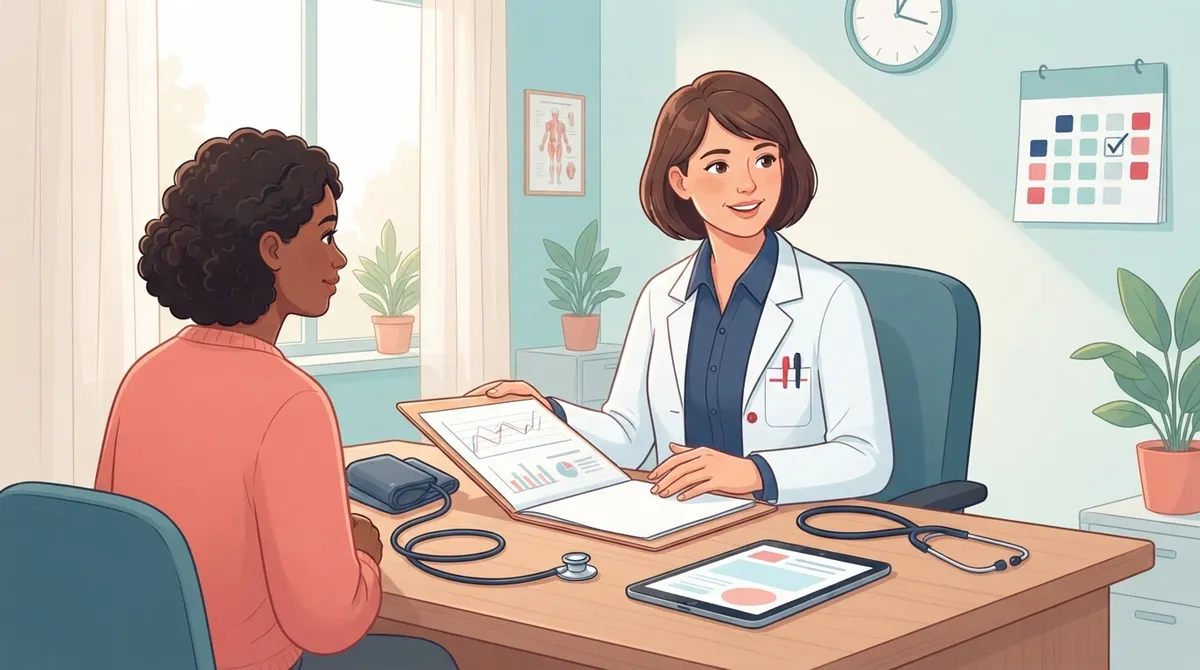
Key Takeaways
- A primary care doctor is your first point of contact for new or unclear symptoms, deciding whether you can be treated in the office or need a specialist or emergency care.
- Most adults benefit from at least one wellness visit yearly, where screenings, vaccines, and blood pressure, cholesterol, and blood sugar checks are reviewed based on your age and risk factors.
- Primary care doctors manage chronic conditions like diabetes, high blood pressure, and asthma by tracking your numbers, reviewing medications, and coordinating with specialists.
- Long-term continuity matters: a doctor who knows your history can spot subtle changes in weight, blood pressure, or energy that a one-time visit might miss.
Many people only see a doctor when something goes wrong. But a primary care doctor does far more than treat the flu or sign a form. They are your first point of contact for health concerns, your guide for staying well, and your partner in managing long-term conditions. If you have ever asked, "what does a primary care doctor do?" this guide gives you a clear answer.
In 2026, primary care is changing fast. Virtual visits, smart testing tools, and personalized wellness plans now sit beside traditional checkups. Whether you are a busy parent, a young professional, or someone who wants to optimize your health, knowing what a primary care doctor does helps you get the most from every visit.
Below, you will learn the core duties, common services, and signs that you need a primary care doctor. You will also see how care at InCare goes beyond the basics.
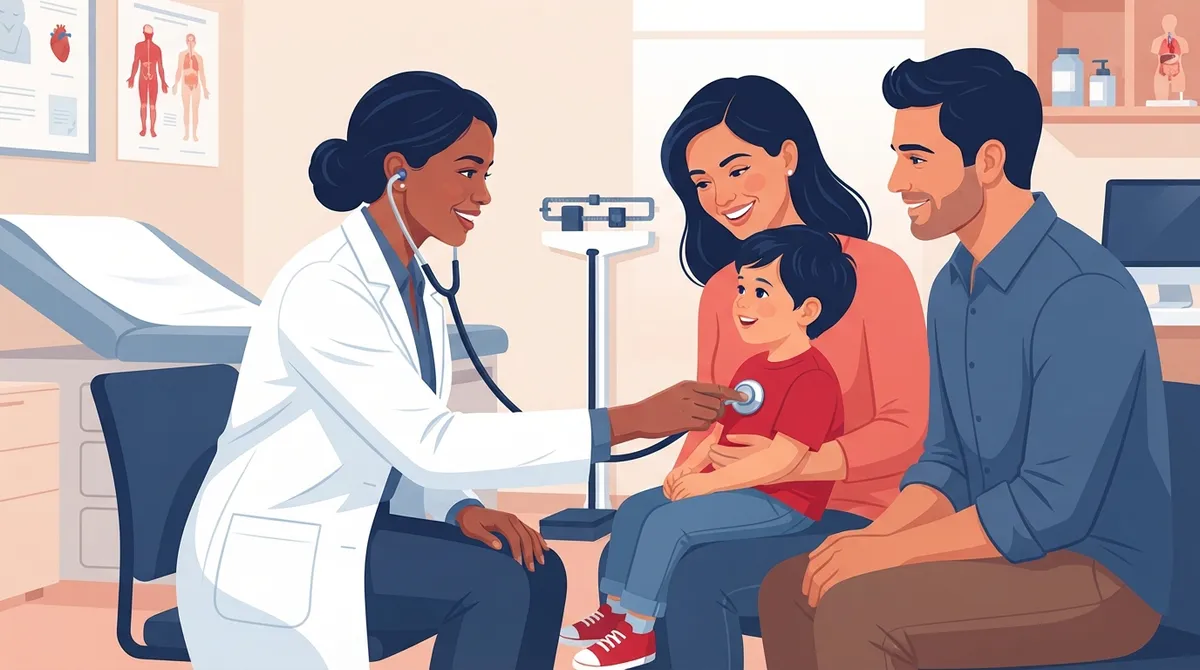
What Is a Primary Care Doctor?
A primary care doctor is a physician who provides ongoing, whole-person care. They are often your first stop for new or unclear health concerns. They look at your overall health instead of focusing on only one organ or disease.
According to the American Academy of Family Physicians (AAFP), primary care physicians commonly practice family medicine, general internal medicine, pediatrics, geriatrics, or combined internal medicine-pediatrics. Care may happen in person or through telehealth.
You can learn more about the role in our guide on what a primary care physician does for your health.
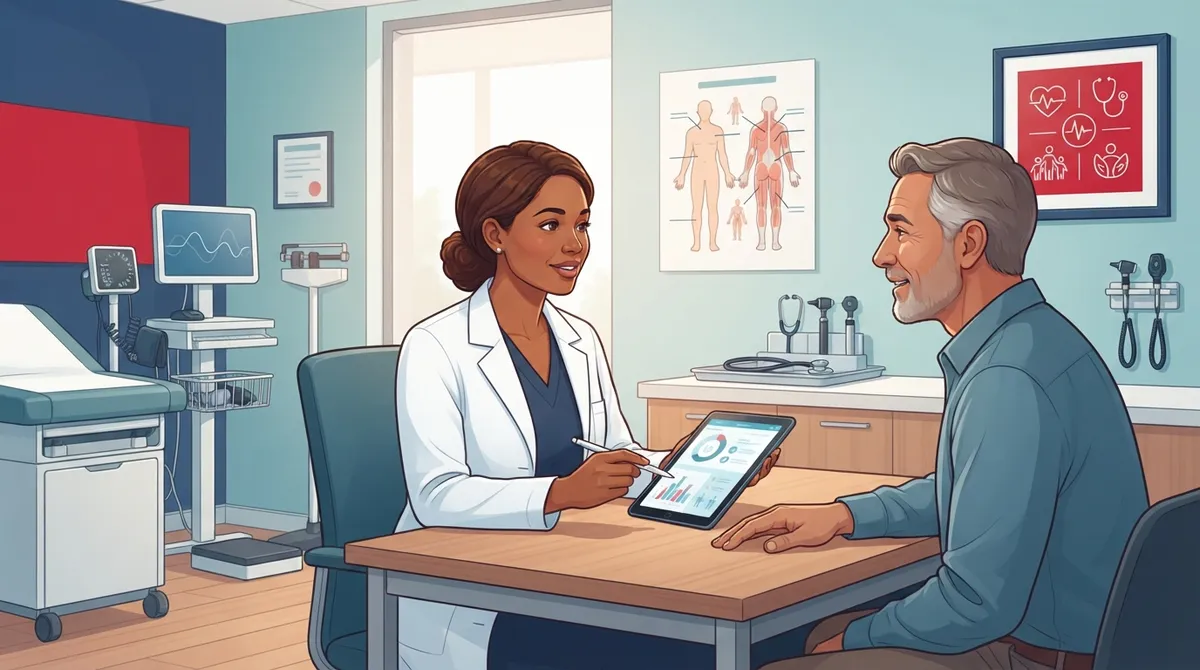
What Does a Primary Care Doctor Do? Core Responsibilities
The role covers five main areas. The World Health Organization (WHO) describes primary care through first-contact access, continuity, coordination, comprehensiveness, and people-centered care. Here is how that looks in daily practice.
- First-contact care: They evaluate new symptoms and decide on next steps.
- Prevention: They help you avoid illness through screenings, vaccines, and lifestyle guidance.
- Diagnosis and treatment: They treat common illnesses and injuries.
- Chronic disease management: They monitor long-term conditions and adjust treatment.
- Care coordination: They connect you with specialists and keep your care organized.
First Contact for Health Concerns
Not sure what a symptom means? Start with your primary care doctor. They listen to your history, examine you, and order tests if needed. Many problems can be handled right there. If not, they point you to the right next step.
A primary care doctor is not a substitute for emergency services. Sudden chest pain, trouble breathing, stroke signs, or severe injury need emergency care right away. For non-emergency concerns, your primary care team can advise you on what to do next. For minor illnesses and injuries that need quick attention, urgent care is another option.
Preventive Care and Health Screenings
Prevention is one of the most valuable parts of primary care. A primary care doctor reviews your age, family history, and risk factors. Then they suggest the screenings and vaccines that fit you. Guidance depends on your history and current clinical recommendations.
Common preventive services include:
- Annual wellness visits and physical exams
- Blood pressure, cholesterol, and blood sugar checks
- Cancer screenings, such as colon, breast, cervical, and lung screenings when appropriate
- Immunizations
- Advice on nutrition, exercise, sleep, and tobacco use
Many people skip these services. A CDC analysis of U.S. commercial insurance claims from 2018 through 2022 found that only about 20% of the studied population used wellness visits, and about 26% had lipid testing. Stool-based colorectal cancer screening was used by roughly 2%. These numbers show a clear gap, and a trusted primary care doctor can help close it.
To see what a yearly visit includes, read what happens during an annual wellness visit. You can also explore cancer screening options at InCare.
Diagnosing and Treating Common Illnesses
Your primary care doctor handles many everyday health problems. These are often called acute illnesses. They can usually be diagnosed and treated during one visit or a short series of visits.
Examples include:
- Colds, flu, and sore throats
- Sinus, ear, and urinary tract infections
- Rashes and skin concerns
- Minor injuries, sprains, and strains
- Allergies and asthma flare-ups
- Headaches, stomach upset, and back pain
Your doctor can also order lab work, imaging, and in-clinic tests. Having your history on file helps them spot patterns that a one-time visit might miss. If you suspect strep, our guide on effective strep throat treatment explains what to expect.
Managing Chronic Conditions
A primary care doctor also manages ongoing health conditions. These include high blood pressure, diabetes, asthma, heart disease, and high cholesterol. Over time, your doctor tracks your numbers, reviews your medications, and adjusts your plan when needed.
This steady relationship matters. Chronic conditions change slowly, and small shifts can be easy to miss. Regular visits catch problems early. Complex cases may need a specialist, and your primary care doctor works with that specialist as part of your team.
Learn more in how primary doctors help manage chronic illnesses. For related topics, see our tips on blood pressure management and common diabetes management mistakes.
Care Coordination and Referrals
Healthcare can feel scattered. You may see a cardiologist, a lab, and a pharmacy, all in the same month. Your primary care doctor ties it together. They arrange referrals, share key details with specialists, and help you follow up after visits or hospital stays.
Because they know your full history, they can spot conflicts between medicines and keep your records in order. This reduces repeated tests and mixed messages. See how this approach works in fragmented care vs. coordinated care.
Primary Care Doctor vs. Specialist
A common question is how a primary care doctor differs from a specialist. The table below shows the main differences.
|
Feature |
Primary Care Doctor |
Specialist |
|---|---|---|
|
Focus |
Whole-person, ongoing care |
One organ system or condition |
|
Typical visit reason |
Checkups, new symptoms, chronic care |
Specific diagnosis or procedure |
|
Relationship |
Long-term and continuous |
Often short-term or condition-based |
|
Role in coordination |
Leads and organizes your care |
Provides focused expertise |
|
Preventive care |
Core part of the role |
Usually limited to their field |
For a deeper look, read general practitioner vs. specialist.
Continuity: Why a Long-Term Relationship Matters
One of the biggest benefits of a primary care doctor is continuity. Over months and years, your doctor learns your health history, your goals, and your preferences. They notice small changes in weight, blood pressure, mood, or energy that may signal a bigger issue.
This long view helps with better decisions, faster answers, and more personal advice. It is hard to get from a different provider at every visit.
How Modern Primary Care Goes Further
Today, the best primary care clinics blend traditional medicine with advanced tools. This is especially useful for tech-savvy patients, busy families, and people who want to prevent problems before they start.
At InCare, patients can access care that includes:
- Primary care for adults and families
- Medical weight loss programs with physician guidance
- DNA gene testing for personalized health insights
- Body composition analysis and metabolic breath analysis
- IV hydration and vitamin drips for added wellness support
- Virtual visits through telemedicine for added convenience
This whole-body approach helps you do more than treat illness. It helps you build better health. InCare serves patients in Tampa and Riverview, and the team keeps a 4.8 out of 5 rating from patients on Google. You can visit us on Google and read InCare reviews to see what patients say. You can also meet our providers and see our locations.
Who Should See a Primary Care Doctor?
Nearly everyone benefits from having one. Here is how it helps different groups.
- Busy families: One clinic can care for parents and children, including vaccines and checkups. See family primary care.
- Young adults: Build a health baseline, ask about screenings, and learn about prevention early.
- Women: Get wellness exams, screenings, and whole-body care beyond reproductive health.
- Wellness seekers: Use advanced testing to plan proactive, personalized care.
- Adults with chronic conditions: Keep ongoing issues stable with regular follow-up.
Not sure if you need one? Read do you need a PCP.
How to Prepare for Your Primary Care Visit
A little preparation makes your visit more useful. Follow these steps.
- Write down your symptoms, questions, and goals.
- Bring a list of medicines, vitamins, and supplements.
- Gather past records, test results, and your insurance card.
- Note your family health history.
- Be honest about habits like sleep, diet, stress, and activity.
If you are new to a practice, our guide on the new patient appointment walks you through the process.
How to Choose the Right Primary Care Doctor
Look for a doctor who listens, explains things clearly, and fits your schedule. Check whether they accept your insurance and offer same-day or virtual visits. Strong communication and a team that coordinates care are also key. For help, see mistakes to avoid when choosing a primary care doctor and signs you've found the right primary care practice.
Want to follow clinic updates and wellness tips? You can find InCare on Instagram, Facebook, and TikTok.
Conclusion: Your Health Partner for the Long Run
So, what does a primary care doctor do? They are your first call for health concerns, your guide for prevention, your treatment partner for common illnesses, and your coordinator for complex care. Most of all, they build a lasting relationship that keeps your health on track.
If you live in Tampa or Riverview, InCare offers personalized primary care with modern tools and a caring team. Ready to start? Book Now to schedule your visit, or contact our team with any questions.
FAQs
Q: What does a primary care doctor treat?
A: A primary care doctor treats common illnesses such as colds, infections, and minor injuries. They also manage ongoing conditions like high blood pressure, diabetes, and asthma, and provide preventive care such as screenings and vaccines.
Q: How often should I see my primary care doctor?
A: Most adults benefit from at least one wellness visit each year. You may need more frequent visits if you have a chronic condition, take regular medications, or have new symptoms. Your doctor will recommend a schedule based on your age and risk factors.
Q: Do I need a referral from my primary care doctor to see a specialist?
A: It depends on your insurance plan. Some plans require a referral, while others do not. Your primary care doctor can arrange the referral and share your records so the specialist has the full picture.
Q: Can I see my primary care doctor through telehealth?
A: Yes, many primary care visits can happen by telehealth. Virtual visits work well for follow-ups, medication reviews, and many non-emergency concerns. Some needs, such as physical exams or certain tests, still require an in-person visit.
Q: What is the difference between a primary care doctor and a specialist?
A: A primary care doctor provides broad, ongoing care and coordinates your overall health. A specialist focuses on one organ system or condition, such as the heart or skin. Your primary care doctor often refers you to a specialist when you need focused expertise.


