

Key Takeaways
- Diagnosis of low testosterone requires consistent symptoms plus repeat morning, fasting total testosterone tests; a single low result or online quiz is not enough to start TRT.
- TRT can suppress sperm production, so men planning near-term fertility should raise this at the first visit and ask about alternatives that may better protect fertility.
- The FDA's 2025 labeling update requires periodic blood pressure monitoring, and TRT is not recommended for people with uncontrolled hypertension.
- Ongoing monitoring should include testosterone levels, hematocrit, blood pressure, and prostate-risk checks, since TRT can raise red blood cell concentration.
- Ask any Tampa clinic whether they check LH and FSH to find the cause, how often labs are repeated, and how they explain risks and costs before committing.
- Low testosterone often overlaps with sleep apnea, obesity, diabetes, and thyroid disease, so a primary care evaluation that screens for these conditions may be safer than treating the number alone.
Searching for a TRT specialist in Tampa, FL usually starts with a familiar set of complaints: low energy, poor sleep, reduced drive, slower recovery, or a mood that feels flat. Testosterone replacement therapy (TRT) can help men with a confirmed medical diagnosis. It is not a shortcut for aging, and it should never be started from a single lab result or a quick online quiz.
This guide explains what a qualified TRT specialist does, how a proper evaluation works, which risks matter, and what monitoring looks like once treatment begins. It also gives you practical questions to ask any Tampa clinic. The goal is to help you choose safe, evidence-based care, whether you are a busy professional, a young father, or a health-minded adult who wants to understand your numbers before making a decision.

What Does a TRT Specialist in Tampa, FL Actually Do?
A TRT specialist is a clinician with real experience diagnosing and treating male hypogonadism, which means low testosterone caused by a medical condition. This may be a primary care physician, an endocrinologist, or a urologist. The title matters less than the process they follow.
A good TRT specialist does four things well:
- Confirms whether you truly have testosterone deficiency
- Looks for the cause behind low levels
- Explains treatment options, risks, and alternatives in plain language
- Monitors you over time to keep treatment safe
Treatment should address a confirmed diagnosis. It should not be prescribed only because of age, general wellness goals, or one low result. A specialist who skips these steps is a red flag.
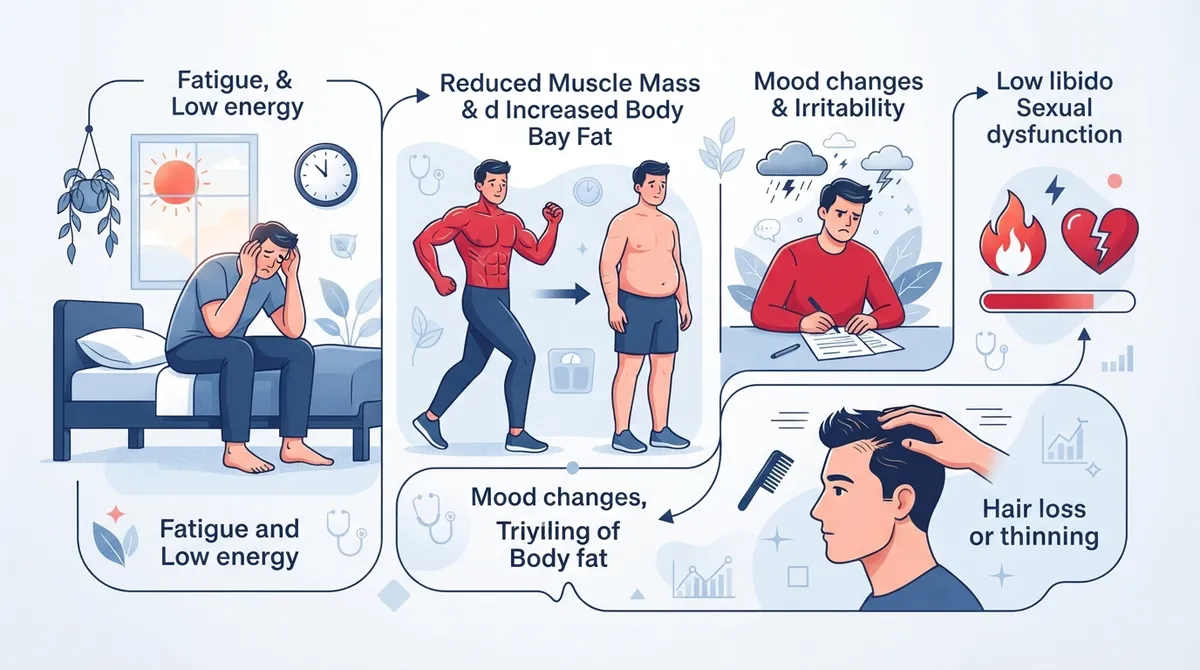
Signs That May Point to Low Testosterone
Symptoms alone cannot confirm low testosterone. Many of them overlap with sleep problems, stress, depression, thyroid disease, diabetes, and obesity. Still, they are often the reason men seek an evaluation.
Common symptoms include:
- Reduced sexual desire or fewer morning erections
- Erectile difficulty
- Low energy and ongoing fatigue
- Decreased muscle mass or strength
- Increased body fat
- Low mood, irritability, or trouble concentrating
- Poor sleep
If several of these sound familiar, a clinical evaluation is a reasonable next step. If sleep is a major issue, it is worth reading how to know when to see a doctor for poor sleep, because untreated sleep problems can lower testosterone and mimic its symptoms.
How a Proper TRT Evaluation Works
The Endocrine Society recommends diagnosing hypogonadism only when compatible symptoms or signs appear alongside consistently low testosterone. That means one number on one day is not enough.
Step-by-Step Evaluation
- Medical history and exam. Your clinician reviews symptoms, medications, sleep, weight changes, past illnesses, and fertility goals.
- Repeat morning testing. Testosterone levels vary through the day, so diagnosis is generally confirmed with repeat morning, fasting total testosterone measurements using an accurate assay.
- Cause investigation. Luteinizing hormone (LH) and follicle-stimulating hormone (FSH) help show whether the problem starts in the testes or in the pituitary or hypothalamus. Other tests depend on your history.
- Risk screening. Your clinician checks blood pressure, blood count, sleep apnea risk, and prostate health when appropriate.
- Shared decision-making. You discuss whether treatment makes sense, which option fits, and what follow-up will look like.
The guideline does not set one universal cutoff that replaces clinical judgment. Your result is interpreted with your symptoms and the lab's reference range. For a deeper look at the testing side, see this checklist of blood tests needed for TRT.
Who Should Not Start TRT, or Should Wait
Safe care includes knowing when not to treat. Testosterone therapy is generally not recommended for men planning near-term fertility, because it can suppress sperm production. Other reasons to avoid or defer treatment include:
- Certain prostate or breast cancers
- Elevated hematocrit (thick blood)
- Untreated severe sleep apnea
- Uncontrolled heart failure
- Recent heart attack or stroke
- Blood clotting disorders (thrombophilia)
- Uncontrolled high blood pressure
Every man's situation is different, so individual assessment is essential. If fertility matters to you, tell your clinician at the first visit. Other approaches may protect sperm production better than standard TRT.
TRT Treatment Options
Several FDA-approved formulations exist. The right choice depends on your health, preferences, cost, and the risks of each product.
|
Option |
How It Is Used |
Key Considerations |
|---|---|---|
|
Injections |
Given on a set schedule |
Levels can rise and fall between doses; requires injection routine |
|
Topical gels |
Applied daily to skin |
Skin contact can transfer testosterone to others; strict handling steps needed |
|
Patches |
Worn on the skin |
May cause skin irritation |
|
Other approved forms |
Varies by product |
Product-specific risks and costs apply |
If you use a topical product, your clinician should teach you how to prevent transfer to partners and children through skin contact. That is especially important for young families.
What the FDA Says About TRT Safety in 2026
The FDA's 2025 class-wide labeling update matters for anyone considering TRT. It reported that testosterone products can raise blood pressure and require periodic monitoring. Products are not recommended for people with uncontrolled hypertension.
The same update removed boxed-warning language about increased cardiovascular events after the agency reviewed the TRAVERSE trial. In the figures cited in labeling for topical testosterone gel, major adverse cardiovascular events occurred in 7.0% of participants receiving testosterone and 7.3% receiving placebo. The FDA also retained limits on use for age-related low testosterone.
What does this mean for you? Reassuring trial data does not remove the need to look at your personal risks. Blood pressure checks are now a core part of safe TRT care. You can read the agency's summary directly on the FDA page on testosterone labeling changes.
Monitoring: The Part Many Clinics Skip
Follow-up is not optional. It is a major part of what separates a careful TRT specialist from a prescription mill.
Expect your clinician to review:
- Symptom response and treatment adherence
- Testosterone levels at planned intervals
- Hematocrit, since TRT can raise red blood cell concentration
- Blood pressure at each visit
- Prostate-risk assessment when appropriate
- Side effects such as acne, swelling, or sleep changes
The Endocrine Society recommends urologic evaluation for specified PSA increases or prostate abnormalities during the first year. You can review the full recommendations in the Endocrine Society testosterone therapy guideline. For a closer look at common pitfalls after treatment starts, see these TRT follow-up mistakes patients should avoid.
How to Choose a TRT Specialist in Tampa
Credentials and services can change, so verify details directly with any practice. Then use these questions to compare clinics.
- Do you confirm low testosterone with repeat testing? The answer should be yes, using morning samples.
- Do you look for the underlying cause? LH, FSH, and a full history should be part of the workup.
- Will you discuss fertility and alternatives? A good clinician raises this early.
- How do you handle risks and costs? You should hear a clear explanation of side effects, pricing, and insurance or self-pay terms.
- What does follow-up look like? Ask how often labs and blood pressure checks happen.
- Is there a broader care relationship? Your hormones connect to sleep, weight, blood sugar, and heart health.
For more guidance, this resource on how to choose a reputable TRT clinic in Tampa goes deeper on what to verify before you commit.
Why Primary Care Is a Smart Starting Point
Many men assume they need a standalone "low T clinic." In reality, a primary care physician can evaluate symptoms, order the right labs, screen for conditions that mimic low testosterone, and prescribe therapy when it is appropriate. This approach keeps your whole health picture in one place.
That matters because low testosterone often appears alongside other issues. Weight gain, insulin resistance, sleep apnea, and chronic stress can all lower hormone levels. Treating only the number can miss the real problem. A comparison of primary care versus standalone TRT programs in Tampa shows why coordinated care often leads to safer, more complete results.
InCare is a personalized primary care and wellness clinic with locations in Tampa and Riverview. Its model combines medical expertise with modern technology, including in-house lab testing, metabolic breath analysis, body composition tracking, and weight loss programs. For patients who want an evaluation grounded in prevention and whole-body health, that integrated approach is a strong fit. You can also see what patients say by choosing to visit us on Google — InCare, where the clinic holds a 4.8 rating.
Lifestyle Factors That Affect Testosterone
Before or alongside therapy, a good specialist will address habits that influence hormone levels. These steps will not replace treatment for true hypogonadism, but they support your results.
- Sleep: Short or fragmented sleep lowers testosterone. Screening for sleep apnea is important.
- Weight: Excess body fat can reduce testosterone. A structured plan can help; see how a primary care doctor aids weight loss.
- Activity: Regular strength training and aerobic exercise support hormone health.
- Medications: Some drugs, including opioids, can lower testosterone.
- Alcohol and stress: Heavy use and chronic stress can both interfere with hormone balance.
Because testosterone ties into energy and mood, many men also wonder what to expect from therapy. This overview of whether TRT can help with energy and mood sets realistic expectations.
Take the Next Step With Confidence
A strong TRT specialist in Tampa, FL will slow down before speeding up. They confirm the diagnosis, investigate the cause, protect your fertility and heart health, and monitor you carefully for as long as you are on treatment. If a clinic promises instant results without testing, keep looking.
If you want a clear answer about your hormones, start with a full evaluation from a team that treats the whole person. You can book an appointment with InCare to discuss your symptoms and labs, or contact our team with questions first. You can also follow InCare's wellness updates on Instagram, Facebook, and TikTok.
FAQs
Q: What does a TRT specialist in Tampa, FL do?
A: A TRT specialist evaluates whether you have true testosterone deficiency using symptoms and repeat morning lab tests. They look for the underlying cause, review risks and alternatives, prescribe an appropriate treatment if needed, and monitor you over time.
Q: What tests are needed before starting TRT?
A: Diagnosis generally requires repeat morning, fasting total testosterone testing with an accurate assay. Clinicians often add LH and FSH to find the cause, and may check hematocrit, blood pressure, and prostate-related markers based on your history.
Q: Can a primary care doctor prescribe testosterone therapy?
A: Yes. A primary care physician with experience in male hypogonadism can evaluate symptoms, order labs, and prescribe therapy when it is medically appropriate. Referral to an endocrinologist or urologist may be needed in complex cases.
Q: Does testosterone therapy affect fertility or sperm count?
A: Yes. TRT can suppress sperm production, so it is generally not recommended for men planning near-term fertility. Tell your clinician about family plans early so they can discuss alternatives.
Q: How often should labs be monitored during TRT?
A: Monitoring is ongoing and individualized. Clinicians typically check symptom response, testosterone levels, hematocrit, and blood pressure, with prostate-risk assessment when appropriate. Your provider will set the schedule based on your health and treatment type.


