

Key Takeaways
- Diagnosis requires both symptoms of deficiency and two separate early-morning blood tests showing total testosterone below 300 ng/dL, ideally at the same lab.
- Testosterone therapy can suppress sperm production, so men who want children now or later should discuss fertility with their doctor before starting.
- The FDA strengthened blood pressure warnings for all testosterone products in 2025, so blood pressure should be checked at every follow-up visit.
- TRT requires ongoing monitoring: retest levels after an initial interval, then every 6 to 12 months, and screen for other causes like sleep apnea or thyroid problems first.
Low energy, a flat mood, and a drop in strength can make any man wonder if testosterone is to blame. Searches for testosterone therapy in Tampa, FL keep climbing, and many men want clear answers before they start. The truth is that testosterone therapy is a real medical treatment, but it is not for everyone. It works best when a doctor confirms the diagnosis first and follows you closely afterward.
This guide explains who may qualify, how doctors diagnose low testosterone, what treatment options exist, and what safety checks matter most in 2026. It also covers fertility, blood pressure, and follow-up care. Use it to ask better questions and to choose a clinic that puts your whole health first.

What Is Testosterone Therapy?
Testosterone therapy, often called TRT, replaces testosterone in adult men whose bodies do not make enough. It is meant for men with symptoms or signs of testosterone deficiency and repeated low lab results. It is not meant for normal aging, general tiredness, or a wish to boost athletic performance.
The U.S. Food and Drug Administration (FDA) still keeps a limitation of use for age-related hypogonadism on testosterone product labels. In plain terms, a lower level that comes only with age is not a standard reason to prescribe. A careful primary care visit helps sort real deficiency from other causes.
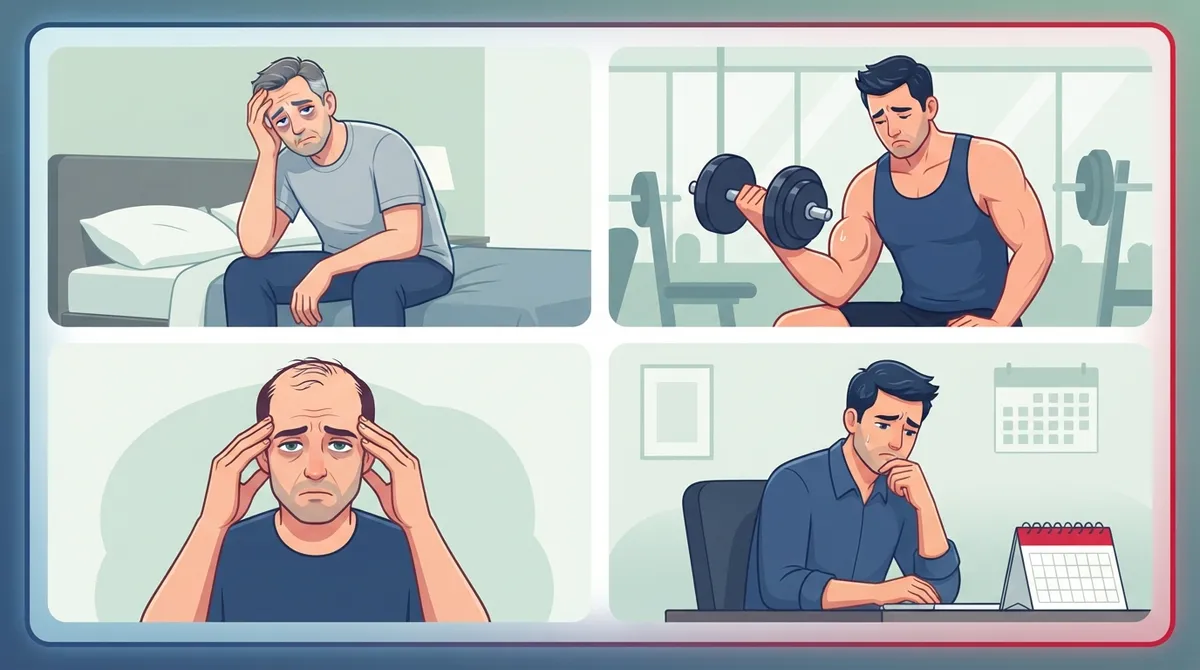
Common Signs of Low Testosterone
Symptoms can be vague, and many overlap with other health problems. That is why testing and a full exam matter. Common signs include:
- Low sex drive or fewer morning erections
- Ongoing fatigue and low energy
- Loss of muscle mass or strength
- Increased body fat, especially around the waist
- Low mood, irritability, or trouble focusing
- Reduced bone density in some men
Sleep apnea, depression, thyroid problems, diabetes, and certain medicines can cause the same symptoms. A good clinician checks these first. Treating the real cause may solve the problem without hormones.
How Doctors Diagnose Low Testosterone
The American Urological Association (AUA) gives clear guidance. A total testosterone level below 300 ng/dL is a reasonable cutoff that supports a diagnosis. The level alone is not enough. You also need symptoms or signs of deficiency.
Here is the standard process:
- Review symptoms and health history. Your doctor asks about sleep, mood, sexual function, medicines, and fertility goals.
- Do a physical exam. This checks body composition, blood pressure, and other clues.
- Run an early-morning blood test. Testosterone is highest in the morning, so timing matters.
- Repeat the test on a separate day. Two low morning results are needed. Using the same lab and method is best.
- Look for the cause. The AUA recommends measuring luteinizing hormone (LH) in men with low testosterone. Other tests depend on your history.
This process protects you from starting a long-term treatment that you do not need. It also helps find other conditions that need care.
Treatment Options for Men in Tampa
Several forms of testosterone are available. The best choice depends on your health, daily routine, cost, and ability to use the product safely. Each type has different dosing and monitoring needs.
|
Form |
How It Is Used |
Key Points |
|---|---|---|
|
Topical gels |
Applied to skin daily |
Steady levels; can transfer to others by contact |
|
Injections |
Given on a set schedule |
Less frequent dosing; levels can rise and fall between doses |
|
Patches |
Worn on the skin |
Daily use; skin irritation can occur |
|
Oral or nasal products |
Taken by mouth or nose |
Certain products only; labels carry specific instructions |
Your clinician should explain the pros and cons of each form. They should also review the product label with you, since the FDA updated labeling for this drug class in 2025.
Benefits and Risks to Weigh
When used for a true deficiency, testosterone therapy may improve sexual function, energy, mood, and muscle mass for some men. Results vary, and not every symptom improves.
Risks also deserve a plain look:
- Blood pressure increases. In February 2025, the FDA announced class-wide labeling changes. Studies found blood pressure rises across testosterone products as a class. New or updated warnings now reflect this.
- Fertility effects. Testosterone therapy can lower sperm production.
- Other effects. These can include acne, fluid retention, and higher red blood cell counts that need lab checks.
The same FDA update removed boxed-warning language about increased adverse cardiovascular outcomes. This followed review of the TRAVERSE trial. The agency kept the limitation of use and strengthened blood pressure warnings. Because of this, blood pressure checks should be part of every follow-up visit.
Fertility: A Key Question Before You Start
Testosterone therapy is not a fertility treatment. It can suppress sperm production and make it harder to father a child. If you want children now or in the future, tell your doctor before starting.
Other options may fit better when fertility matters. Your clinician can explain which paths protect sperm production while still addressing your symptoms. This conversation should happen at the first visit, not after treatment begins.
Follow-Up Care Matters as Much as the Prescription
TRT is ongoing care, not a one-time visit. The AUA recommends checking testosterone after an appropriate interval to confirm you have reached the target level. After that, levels should be checked every 6 to 12 months.
Good monitoring also looks at:
- How well your symptoms are improving
- Blood pressure at each visit
- Side effects and how you feel day to day
- Other lab markers your doctor finds relevant
This is where a primary care setting shines. Your doctor sees the full picture, including blood pressure, weight, blood sugar, and medicines, instead of treating hormones in isolation. You can read more about how testosterone therapy works to restore vitality and what testosterone replacement therapy at InCare involves.
How to Choose a Testosterone Clinic in Tampa
Many Tampa-area practices advertise hormone services, but offerings and standards vary. Before you commit, check these points:
- Clinician credentials. Confirm you will be treated by a licensed physician or qualified provider. You can review the InCare provider team to see what this looks like.
- Diagnostic standards. A trustworthy clinic requires symptoms plus two early-morning low results, not a single quick test.
- Cause evaluation. Ask whether they check LH and rule out other conditions.
- Follow-up plan. Make sure lab and blood pressure checks are built into your care.
- Whole-health coordination. The best results come when hormone care fits with your primary care needs.
Be careful with any clinic that promises fast results, skips lab work, or pushes treatment to every patient who walks in.
Why Primary Care Is a Strong Starting Point
A primary care doctor can screen for the conditions that mimic low testosterone, manage blood pressure, and coordinate referrals when needed. This matters for busy professionals, young families, and men who want a single trusted team for all their health needs.
InCare is a personalized clinic in Tampa and Riverview that blends medical expertise with modern technology. Beyond hormone care, patients can access medical weight loss, body composition analysis, and DNA gene testing. These tools help track progress and support healthy habits alongside any treatment plan. Telemedicine visits are also available, which helps when your schedule is tight.
Curious about a men's health focus? See what sets a men's health clinic in Tampa Bay apart, or learn about TRT for men over 40.
Lifestyle Steps That Support Healthy Hormones
Medication is only one piece. Daily habits can influence how you feel and how your body makes hormones. Consider these steps:
- Sleep seven to nine hours and get screened for sleep apnea if you snore
- Build strength and stay active each week
- Aim for a healthy weight, since extra body fat can lower testosterone
- Limit alcohol and avoid tobacco
- Manage stress and keep up with routine screenings
Some men find that improving these areas eases symptoms before any hormone is needed. Others use them alongside treatment for better results.
Cost and Insurance Questions
Coverage varies by plan and by product. Many insurers cover lab testing and treatment when a clear diagnosis is documented, but rules differ. Ask any clinic what is included in the visit fee, lab costs, and follow-up care, and check with your insurer about coverage for your chosen form.
Take the Next Step With Confidence
Testosterone therapy in Tampa, FL can help the right patient, but it works best with a careful diagnosis, an honest talk about fertility, and steady follow-up. Ask for two early-morning tests, a review of other causes, and a plan to monitor blood pressure and levels over time.
If you want a team that treats the whole person, book an appointment with InCare or contact our team with your questions. You can also see what patients say when you visit us on Google — InCare. Stay connected with updates and health tips on Facebook, Instagram, and TikTok.
FAQs
Q: What testosterone level is considered low, and how is it diagnosed?
A: The American Urological Association considers a total testosterone below 300 ng/dL a reasonable cutoff. Diagnosis also requires symptoms or signs of deficiency and two low early-morning blood tests taken on separate days, ideally at the same lab.
Q: Can testosterone therapy affect fertility or sperm count?
A: Yes. Testosterone therapy can suppress sperm production and make it harder to conceive. It is not a fertility treatment, so men who want children should discuss this with their doctor before starting.
Q: How often should testosterone levels and blood pressure be checked during TRT?
A: The AUA recommends checking testosterone after an appropriate initial interval to confirm the target level, then every 6 to 12 months. Because the FDA added blood pressure warnings in 2025, blood pressure should also be checked at follow-up visits.
Q: What forms of testosterone therapy are available in Tampa, FL?
A: Common options include topical gels, injections, patches, and certain oral or nasal products. The right choice depends on your health, preferences, cost, and ability to use the product safely.
Q: Does insurance cover testosterone testing and treatment in Tampa?
A: Coverage depends on your plan and the product prescribed. Many plans cover testing and treatment when a clear diagnosis is documented, so confirm details with your insurer and ask the clinic what is included in its fees.


