Key Takeaways
- Testosterone deficiency is diagnosed only when consistent symptoms are paired with two separate early-morning blood tests showing total testosterone below about 300 ng/dL, per AUA guidance.
- Symptoms like low sex drive, fatigue, and muscle or bone loss can also stem from sleep apnea, diabetes, thyroid problems, depression, or medications, so the underlying cause must be checked first.
- Reversible contributors such as excess weight, poor sleep, uncontrolled diabetes, heavy alcohol use, and medication side effects can lower testosterone and may improve with lifestyle and root-cause care.
- Testosterone therapy can suppress sperm production and reduce fertility, so men planning children should disclose this to their clinician before starting treatment.
- Safe treatment requires monitoring testosterone levels, hematocrit, blood pressure, and prostate health, since FDA labeling notes these products can raise blood pressure.
- Testosterone therapy treats a diagnosed deficiency and is not recommended solely for age-related decline in men without an associated medical condition.
Low energy, a fading sex drive, and slower recovery after workouts are easy to blame on stress or aging. For some men, though, these changes point to a medical condition called testosterone deficiency, also known as male hypogonadism. The good news is that it can be diagnosed and treated safely when the right steps are followed.
If you are searching for testosterone deficiency treatment Riverview residents can trust, it helps to know what a proper evaluation looks like before you book a visit. Good care starts with confirmed lab results, a full health review, and a plan built around your goals, not a quick prescription.
This guide explains the symptoms, how doctors diagnose the condition, which treatment options exist, and what safety monitoring should look like. It also shows how a primary care practice like InCare in Riverview, Florida can manage the whole process under one roof.
What Is Testosterone Deficiency?
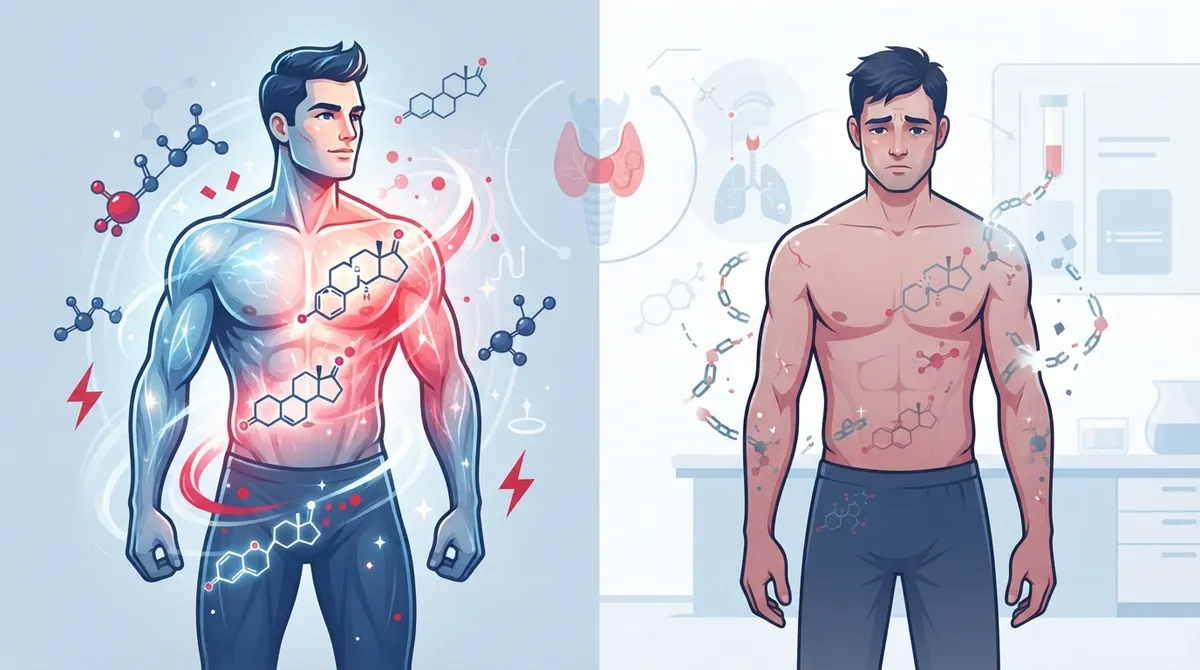
Testosterone deficiency means the body does not make enough testosterone to support normal function. Testosterone helps maintain libido, muscle mass, bone density, red blood cell production, mood, and energy.
Doctors diagnose the condition only when two things are present together. First, a man has symptoms or signs that fit low testosterone. Second, repeated blood tests confirm consistently low levels. A single lab result or a list of symptoms alone is not enough.
Common Symptoms
Symptoms can develop slowly, so many men do not notice the pattern right away. Common signs include:
- Reduced sex drive
- Fewer spontaneous erections, especially in the morning
- Low energy and ongoing fatigue
- Loss of muscle mass or strength
- Loss of bone density
- Difficulty with fertility or low sperm count
- Low mood or trouble concentrating
These symptoms also appear with sleep apnea, depression, thyroid problems, diabetes, obesity, and certain medicines. That is why a careful medical evaluation matters. Treating the wrong problem wastes time and can cause harm.
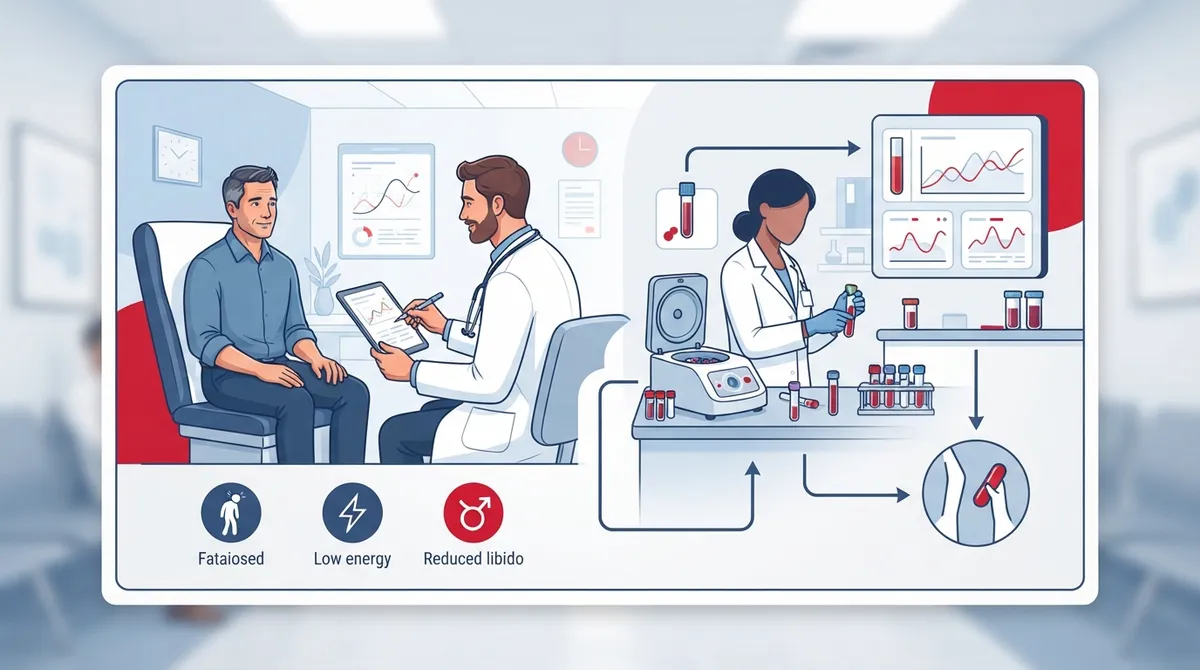
How Testosterone Deficiency Is Diagnosed
A reliable diagnosis follows a clear process. Guidance from the American Urological Association (AUA) uses a total testosterone level below 300 ng/dL as a reasonable cutoff. The AUA also recommends confirming a low result with two separate early-morning blood draws. Testosterone levels are highest in the morning, so timing affects accuracy.
Your clinician then reads the numbers alongside your symptoms, health history, and the lab's reference range. No single number tells the whole story.
Steps in a Proper Evaluation
- Symptom and history review. Your provider asks about libido, energy, sleep, mood, fertility goals, and past health conditions.
- Medication check. Some drugs, including opioids and certain steroids, can lower testosterone.
- Physical exam. This looks for signs such as changes in body composition or testicular findings.
- Two early-morning blood tests. These confirm whether total testosterone is consistently low.
- Follow-up labs. Depending on your case, your clinician may check luteinizing hormone (LH), prolactin, blood count and hematocrit, and prostate-related measures.
- Screening for contributing conditions. Sleep disorders, obesity, and diabetes are checked because they can lower testosterone or mimic its symptoms.
Because primary care covers all of these areas, one team can order the labs, review the results, and screen for related conditions without sending you to multiple offices. You can learn more about this kind of whole-person care in our guide to comprehensive primary care.
Why the Root Cause Matters
Low testosterone is not always a stand-alone problem. It can be primary, meaning the testes do not produce enough. It can also be secondary, meaning the brain signals that tell the testes to work are weak. The cause shapes the treatment.
Several reversible factors can pull levels down:
- Excess body weight, especially belly fat
- Poor or interrupted sleep, including untreated sleep apnea
- Uncontrolled diabetes or metabolic syndrome
- Medication side effects
- Acute illness or high ongoing stress
- Heavy alcohol use
Addressing these contributors is part of good care. In some men, weight loss and better sleep raise testosterone enough to improve symptoms. InCare's medical weight loss program and metabolic breath analysis can help identify and correct metabolic issues that may be part of the picture.
Treatment Options for Low Testosterone
Treatment is individualized. For men with a confirmed diagnosis, testosterone replacement therapy (TRT) is one option. Your provider chooses the form based on your medical history, preferences, cost, and monitoring needs.
|
Treatment Option |
How It Is Used |
Key Considerations |
|---|---|---|
|
Topical gel |
Applied daily to the skin |
Convenient, but skin contact can transfer the medication to others |
|
Injections |
Given on a regular schedule |
Levels can rise and fall between doses |
|
Patches |
Worn on the skin |
Steady delivery, but skin irritation is possible |
|
Lifestyle and root-cause care |
Weight loss, sleep treatment, medication review |
May improve levels without hormone therapy, or work alongside it |
Testosterone therapy is not an anti-aging treatment. It is not recommended solely for age-related decline in men who have no associated medical condition. The goal is to treat a diagnosed deficiency, not to chase a number.
To understand how treatment is structured, read our overview of testosterone replacement therapy at InCare and our explanation of how testosterone therapy works. Men weighing different options may also find our comparison of TRT, peptide therapy, and hormone replacement useful.
Fertility and Testosterone Therapy
This point deserves its own section. Testosterone therapy can suppress sperm production and reduce fertility. Men who want to have children now or in the near future should talk with their clinician before starting treatment.
Other approaches may protect fertility while still addressing symptoms. Your provider can review these options with you and coordinate with a fertility specialist if needed. Being open about your family plans is one of the most important things you can do at your first visit.
Safety Monitoring During Treatment
Starting treatment is only the first step. Responsible care includes baseline testing and regular follow-up. Before therapy begins, your clinician reviews potential risks. During therapy, monitoring typically includes:
- Testosterone levels to confirm the dose is working and not too high
- Hematocrit to watch for an increase in red blood cells
- Blood pressure checks at regular visits
- Prostate-related evaluation when appropriate for your age and risk
- Symptom review to track energy, libido, mood, and side effects
Blood pressure deserves attention. FDA labeling for testosterone products notes they can raise blood pressure and advises periodic monitoring. In the TRAVERSE trial data cited in FDA labeling for a topical gel, the average systolic blood pressure rose by 1.0 mm Hg at 36 months, compared with a 0.5 mm Hg decrease on placebo. For a long-acting testosterone undecanoate injection, FDA labeling reports an average increase of 3.1/2.0 mm Hg after 16 weeks in an ambulatory monitoring study. These changes are modest on average, but they show why regular checks are a standard part of safe care.
Men who already manage hypertension should plan for closer follow-up. Our article on blood pressure management strategies offers practical steps that pair well with hormone care.
Why Primary Care Is a Strong Starting Point
Many men assume they need a specialty clinic to address low testosterone. In reality, a primary care practice is often the best first stop. Your primary care provider already knows your history, your medications, and your other health conditions. That context makes a diagnosis more accurate and treatment safer.
Primary care also lets one team handle the related issues that affect hormone health, including weight, sleep, blood sugar, blood pressure, and preventive screenings. Fragmented care can miss these links. You can read more about the difference in fragmented care versus coordinated care.
A routine visit is also a good time to cover other men's health topics. For example, our guide to prostate exams explains what men should know about screening, which can be relevant before and during hormone treatment.
Treatment in Riverview With InCare
The word "Riverview" refers to more than one place in the United States, so it is wise to confirm the city, the clinic, and the clinician before you book. InCare serves Riverview, Florida, and also has a Tampa location, so patients in the Tampa Bay area have two convenient options.
InCare is a personalized primary care and wellness clinic that combines modern technology with medical expertise. Patients receive a full evaluation, clear explanations of their lab results, and a plan matched to their goals. The care team includes experienced physicians. You can meet them on our providers page and learn about our approach on the About Us page.
Patients often tell us they value the personal attention and the friendly staff. InCare holds a 4.8 out of 5 rating on Google across more than 350 reviews. See what patients say when you visit us on Google — InCare.
If you are researching local options, our page on the testosterone clinic in Riverview, Florida provides more detail on what to expect.
What to Expect at Your First Visit
Knowing the process can ease any worry about getting started. A typical first visit includes:
- A conversation about your symptoms, goals, and medical history
- A review of your current medications and supplements
- A physical exam and vital signs
- Orders for early-morning blood work
- A follow-up visit to review results and discuss next steps
Bring a list of your medications, any recent lab work, and notes on when your symptoms began. If you plan to have children, say so at the start. Your provider will use that information to shape the safest plan for you.
Lifestyle Steps That Support Healthy Testosterone
Whether or not you need medication, daily habits matter. Small, steady changes can support hormone balance and overall health:
- Aim for seven to nine hours of quality sleep each night
- Build strength training into your weekly routine
- Work toward a healthy body weight
- Limit alcohol and avoid tobacco
- Manage stress through exercise, rest, or counseling
- Keep up with annual checkups and preventive screenings
Our article on supporting healthy testosterone production after 40 goes deeper on these steps. Men over 40 may also want to read about the benefits of testosterone therapy for men over 40.
Take the Next Step
Low testosterone is a real medical condition, and it deserves a careful, evidence-based approach. The right path starts with proper testing, looks for underlying causes, and uses treatment only when it is warranted. Ongoing monitoring keeps that treatment safe.
If you notice the symptoms described here, do not guess or self-treat. Schedule an evaluation with a clinician who will look at the whole picture. You can book your appointment with InCare today, or contact our team with any questions. You can also follow InCare for health tips on Facebook, Instagram, and TikTok.
FAQs
Q: What are the symptoms of low testosterone?
A: Common symptoms include reduced sex drive, fewer spontaneous erections, low energy, loss of muscle or bone mass, and fertility problems. These signs can also come from sleep apnea, diabetes, depression, or medication effects, so a medical evaluation is needed before treatment.
Q: How is testosterone deficiency diagnosed, and do I need two morning blood tests?
A: Yes. The American Urological Association recommends confirming a low result with two separate early-morning blood tests, because testosterone is highest in the morning. A diagnosis also requires symptoms or signs that fit low testosterone, along with a review of your health history.
Q: What testosterone level is considered low?
A: The AUA uses a total testosterone level below 300 ng/dL as a reasonable cutoff for diagnosis. Your clinician interprets the result alongside your symptoms, medical history, and the lab's reference range rather than relying on one number.
Q: Can testosterone therapy affect fertility or sperm count?
A: Yes. Testosterone therapy can suppress sperm production and reduce fertility. Men who want to conceive should discuss alternatives with their clinician before starting treatment.
Q: What monitoring is needed during testosterone treatment?
A: Monitoring typically includes testosterone levels, hematocrit, blood pressure, and prostate-related evaluation when appropriate. FDA labeling notes that testosterone products can raise blood pressure, so periodic checks are a standard part of safe care.