
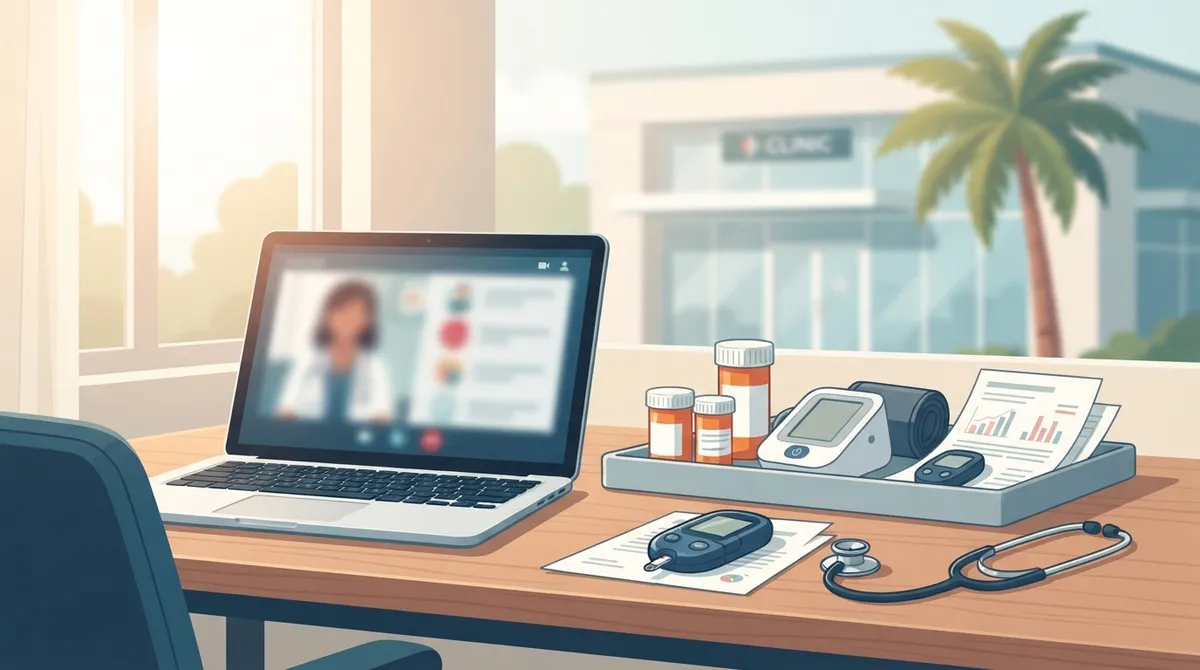
Key Takeaways
- Telehealth suits follow-ups, lab result reviews, medication refills, and chronic condition check-ins, but not hands-on exams, vaccines, or lab draws, which still need an in-person visit.
- Confirm the clinician is licensed where you will be physically located during the visit, and check whether the visit is video or audio-only before booking.
- Before a telehealth visit, test your camera and internet, gather medications and recent results, and have home readings like blood pressure or blood sugar ready.
- Choose a practice offering both virtual and in-person care, since a hybrid approach lets you handle routine check-ins from home and come in for screenings or testing.
Finding a doctor who fits your schedule can feel like a second job. Long drives, crowded waiting rooms, and time off work all add up. That is why primary care telehealth in Riverview has become a smart option for many residents in 2026.
Telehealth lets you meet with a licensed clinician by video or phone from home, work, or anywhere you feel comfortable. It works well for follow-ups, medication reviews, test results, and many everyday health concerns. It does not replace in-person care when a hands-on exam or lab work is needed.
This guide explains how primary care telehealth works in Riverview, Florida. You will learn what it can treat, when to choose an in-person visit instead, and how to prepare. You will also learn what to check before you book. One note on location: "Riverview" can also mean Riverview, Michigan, so this article focuses on Riverview, FL (zip codes 33569 and 33578).
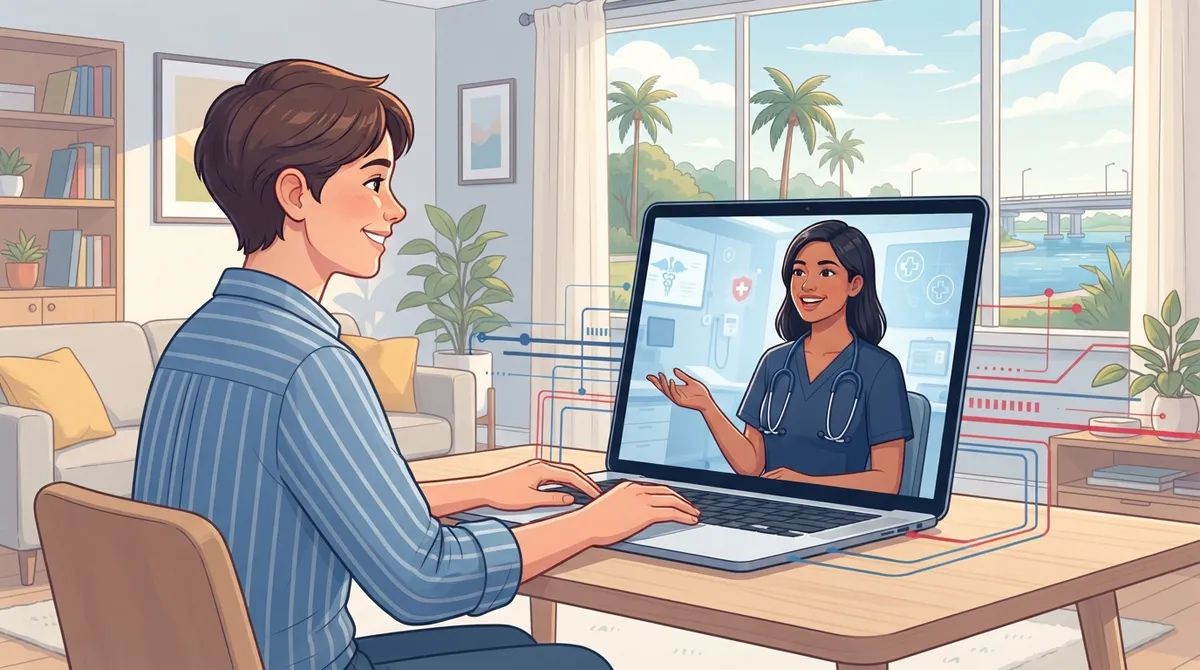
What Is Primary Care Telehealth?
Primary care telehealth is a virtual visit with your primary care provider. You connect through a secure video platform or a phone call. The provider listens to your concerns, reviews your history, and builds a care plan with you.
It is still real medical care. A licensed clinician can diagnose many common conditions, adjust treatment plans, and send prescriptions to your pharmacy when appropriate. Telehealth also keeps your care connected, so your records stay in one place.
Telehealth is now a normal part of healthcare in the United States. According to the Centers for Medicare & Medicaid Services, more than 27.5 million Medicare fee-for-service beneficiaries used telehealth in 2025. KFF also reports that community health centers provided nearly 19 million telehealth visits in 2025, about 13% of all visits. These are national figures, not Riverview-only data, but they show how common virtual care has become.
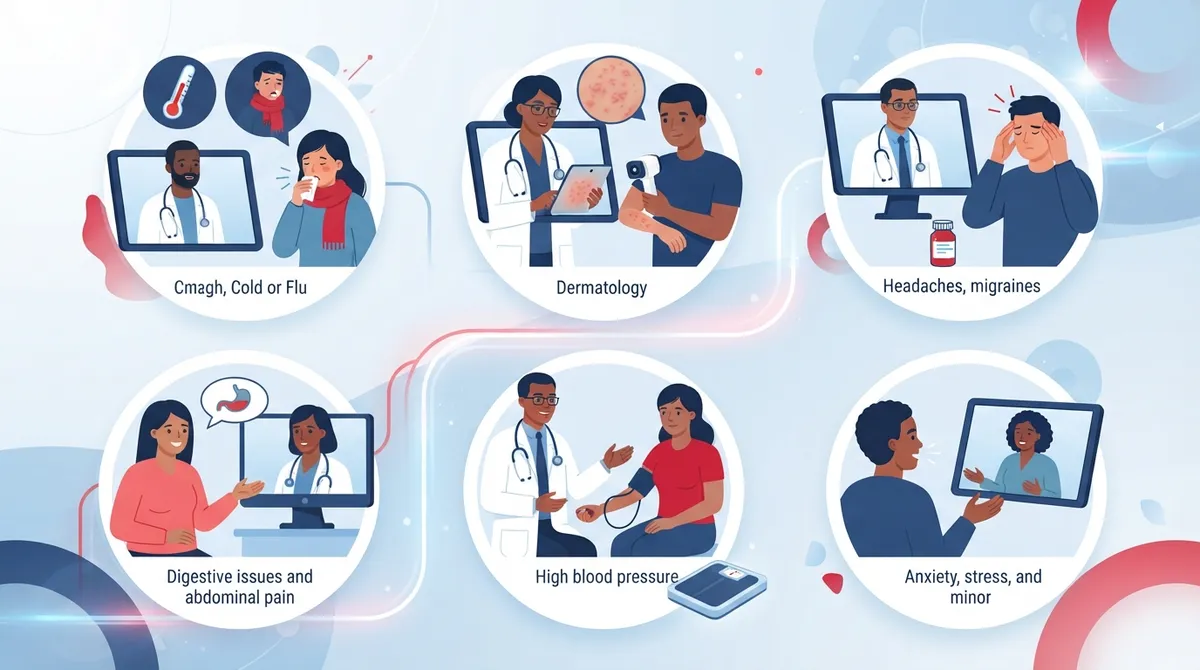
What Can Primary Care Telehealth Treat?
Many routine health needs do not require an exam room. Telehealth can be a fast, convenient fit for the following:
- Follow-up visits after an illness or procedure
- Reviewing lab and imaging results
- Medication management and refill questions
- Chronic condition check-ins, such as blood pressure or diabetes updates
- Mild cold, flu, allergy, and sinus symptoms
- Skin concerns that can be seen on camera
- Weight management check-ins
- Lifestyle, sleep, and stress questions
- Referral requests and care planning
Telehealth works best when your provider already knows your history. That is one reason having a trusted primary care home matters. If you are still deciding what to look for, our guide to what a primary care physician does for your health is a helpful starting point.
When to Choose an In-Person Visit Instead
Telehealth is not right for every situation. Some problems need a physical exam, testing, or immediate treatment. Choose an in-person visit when you need any of these:
- A hands-on exam. Abdominal pain, joint injuries, and ear or throat problems often need to be examined in person.
- Testing or screening. Blood draws, vaccines, cancer screenings, and breathing tests require a clinic visit.
- Annual wellness exams. A virtual visit can cover history and goals, but vitals and screenings are best done in person. See what happens during an annual wellness visit for details.
- Sudden or worsening symptoms. Fever that will not break, strong pain, or trouble breathing should be seen promptly. Our urgent care team can help.
- Emergencies. Chest pain, stroke symptoms, severe bleeding, or serious injuries need emergency care. Call 911 or go to the nearest emergency room.
Primary Care Telehealth Options in Riverview, FL
Riverview residents have several ways to access virtual primary care. Search listings show that some local practices include telehealth alongside in-person care. These include Sanitas Medical Center on S Falkenburg Rd. and BayCare Medical Group Primary Care II on Rhodine Rd. Listings change often, so always confirm current services directly with a clinic before you book.
InCare offers a modern approach that blends virtual and in-person care. With locations in Riverview and Tampa, plus telemedicine appointments, InCare gives patients flexibility without losing the personal touch. The clinic is led by experienced physicians and has earned a 4.8 out of 5 rating from 359 reviews. You can read InCare reviews on Google to see what patients say.
What sets InCare apart is the full picture. You can use telehealth for convenient check-ins, then come in for advanced services when you need them. These include cancer screening, DNA gene testing, and medical weight loss. It is care that follows your life, not the other way around.
Telehealth vs. In-Person Primary Care: A Quick Comparison
|
Factor |
Telehealth Visit |
In-Person Visit |
|---|---|---|
|
Convenience |
Join from home or work |
Travel and waiting time required |
|
Best for |
Follow-ups, results, medication review, mild symptoms |
Exams, screenings, vaccines, lab work |
|
Physical exam |
Limited to what the camera shows |
Full hands-on assessment |
|
Testing |
Ordered, then completed at a lab or clinic |
Often available on site |
|
Time off work |
Usually minimal |
Often more |
|
Emergencies |
Not appropriate |
Go to the ER or urgent care |
Who Benefits Most From Virtual Primary Care?
Telehealth fits many lifestyles, but a few groups see big gains:
- Busy families. Parents can handle a quick check-in without packing the kids into the car. Learn more about family primary care.
- Working professionals. A lunch-break appointment beats a half-day absence.
- Tech-savvy young adults. Many prefer booking, messaging, and meeting online.
- Wellness-focused patients. Virtual visits make it easier to track goals, labs, and progress.
- People managing chronic conditions. Regular check-ins help keep care on track. See how primary doctors help manage chronic illnesses.
How to Prepare for a Telehealth Visit
A little preparation makes your visit smoother and more useful. Follow these steps:
- Test your tech. Check your internet, camera, microphone, and the visit link ahead of time.
- Find a quiet, private space. Good lighting helps your provider see you clearly.
- Gather your information. Have your medications, supplements, and recent test results ready.
- Write down your questions. List symptoms, when they started, and what makes them better or worse.
- Take basic readings if you can. Blood pressure, weight, temperature, or blood sugar numbers are useful.
- Keep your pharmacy details handy. This makes prescription handling faster.
What to Confirm Before You Book
Not every telehealth visit works the same way. Ask these questions up front to avoid surprises:
- Licensing and location. Make sure the clinician is licensed to treat you where you will be physically located during the visit.
- Visit type. Ask whether the visit is video or audio-only.
- Insurance and cost. Confirm coverage, copays, and any self-pay pricing.
- Prescriptions. Learn how refills and new prescriptions are handled.
- Labs and follow-up. Ask how testing, results, and next steps will work.
- New patient rules. Some practices need a first visit in person. Our guide on new patient appointments explains what to expect.
If you are a senior, also review your Medicare coverage. Telehealth rules can change, so confirm details with your plan and your clinic. Our article on what Medicare covers for seniors in primary care can help.
Why a Hybrid Approach Works Best
The best primary care is not all virtual or all in person. It is a mix. You might start with a video visit to talk through symptoms, then come in for labs or a screening. After that, you can review results online and adjust your plan from home.
This approach saves time while keeping quality high. It also builds a lasting relationship with a provider who knows your goals. That is the heart of comprehensive primary care, and it is what InCare is built to deliver. You can meet our providers and learn more about primary care at InCare before your first visit.
You can also stay connected with the clinic through social channels such as Instagram, Facebook, and TikTok for health tips and clinic updates.
Conclusion
Primary care telehealth in Riverview gives you faster, easier access to a trusted provider. It is ideal for follow-ups, results, medication reviews, and everyday concerns. It also pairs well with in-person visits for exams, screenings, and testing.
Before you book, confirm licensing, coverage, and how prescriptions and labs are handled. Choose a practice that can offer both virtual and in-person care so you are never stuck. InCare brings both together with advanced technology, personalized plans, and a caring team in Riverview and Tampa.
Ready to see how simple primary care can be? Book your appointment now or contact our team with any questions. Your health fits into your life, and InCare is here to make that happen.
FAQs
Q: Which primary care clinics in Riverview, Florida, offer telehealth visits?
A: Several Riverview practices list telehealth among their services, including InCare, which offers telemedicine alongside in-person care at its Riverview and Tampa locations. Because listings and availability change, confirm current telehealth options, insurance, and appointment times directly with the clinic.
Q: What conditions can a primary care provider treat through telehealth?
A: Telehealth is well suited to follow-ups, lab result reviews, medication management, chronic condition check-ins, and mild illnesses such as colds or allergies. It cannot replace an in-person exam, testing, or emergency care when those are clinically necessary.
Q: Can I use telehealth for an annual physical or preventive care visit?
A: A virtual visit can cover your health history, goals, and risk review. A full annual physical usually still needs an in-person visit for vitals, screenings, vaccines, and lab work.
Q: Does insurance or Medicare cover primary care telehealth visits?
A: Many plans, including Medicare, cover telehealth visits, but coverage rules and costs vary by plan. Check with your insurer and the clinic before booking to confirm what is covered and what you may owe.
Q: Do I need to be in Riverview during a telehealth appointment?
A: Not necessarily, but your clinician must be licensed to treat you in the state where you are physically located during the visit. Confirm this with the clinic before your appointment, especially if you will be traveling.


