
Key Takeaways
- Nattokinase and vitamin K2 are different products with different mechanisms—nattokinase is an enzyme and vitamin K2 is a vitamin—and taking both has not been proven to prevent heart disease or blood clots.
- People taking warfarin or other blood thinners must consult their clinician before using vitamin K2 or nattokinase, as vitamin K2 can weaken warfarin's effect and nattokinase may increase bleeding risk.
- Some nattokinase products contain hidden vitamin K2 or residual vitamin K from natto; if you take warfarin, read labels carefully and have a pharmacist review the product before use.
- The research evidence for nattokinase is limited to small human trials with no major adverse events reported, but this does not mean it is proven safe or effective for everyone.
- Before surgery or dental procedures, inform your surgeon and primary care provider about these supplements well in advance, as both can affect the clotting system.
- Neither supplement should replace prescribed blood thinners, cholesterol medications, or standard heart care; focus instead on proven prevention methods like balanced diet, exercise, and regular health screenings.
Nattokinase and vitamin K2 show up together on supplement shelves and wellness blogs everywhere in 2026. Many labels promise better circulation, stronger bones, and a healthier heart. But are these two products the same thing? Do they work together? And are they safe for everyone?
The short answer is no, they are not the same, and the research is less clear than the marketing suggests. Nattokinase is an enzyme. Vitamin K2 is a vitamin. They act in different ways, and taking both has not been proven to prevent heart disease or blood clots. For some people, especially those who take blood thinners, mixing supplements can carry real risk.
This guide explains what each one does, what the science shows, and where the safety concerns are. It also covers how to talk with your care team before you start. Whether you are a busy parent, a wellness-minded professional, or someone curious about prevention, you will find clear, practical answers here.
What Is Nattokinase?
Nattokinase is an enzyme made during the fermentation of soybeans into natto, a traditional Japanese food. It is sold as a capsule or powder. Most products are marketed for circulation and heart health.
The idea is that nattokinase may affect fibrinolysis, which is the body's process of breaking down clots. Some small studies have looked at blood pressure, clotting markers, and artery health. However, the evidence is limited. A review of the research found only a small number of human trials and concluded that the data are not strong enough to support its use for cardiovascular disease.
A 2023 systematic review and meta-analysis reported no major adverse events in the trials it included. The authors also noted that the evidence base is small and that monitoring is important. In plain terms, "no major problems in a few studies" is not the same as "proven safe for everyone."
What Is Vitamin K2?
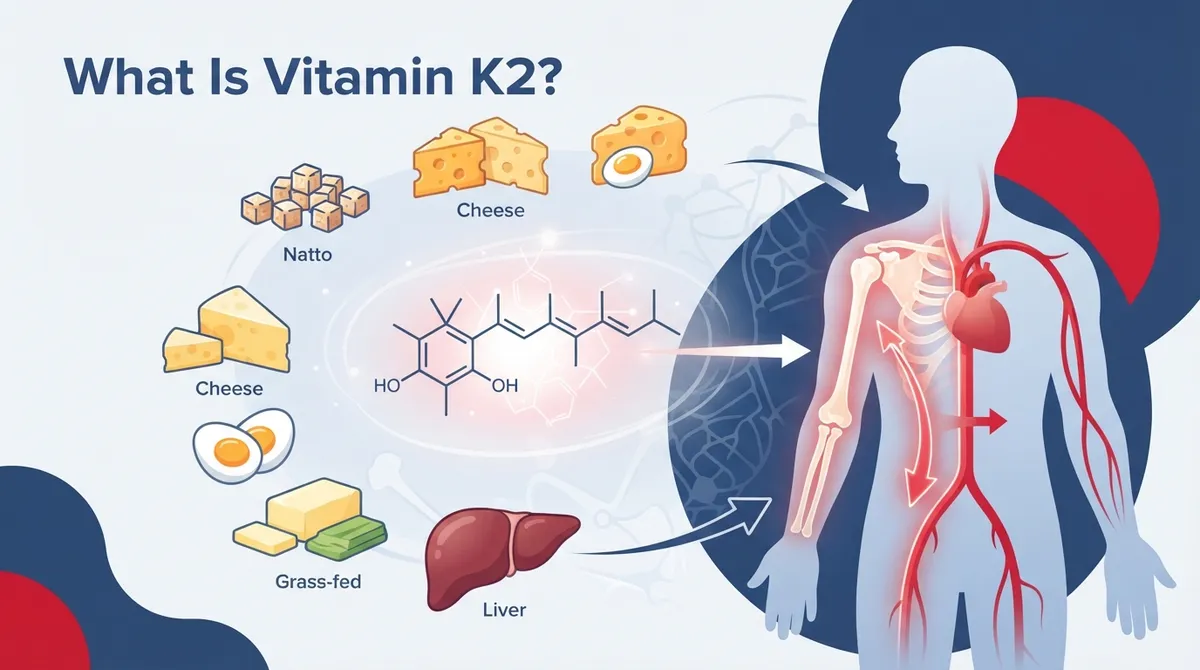
Vitamin K2, also called menaquinone, is one form of vitamin K. Vitamin K helps your body activate proteins that are involved in blood clotting and bone metabolism. You get vitamin K from leafy greens, fermented foods, and some animal products. Natto is especially rich in K2.
Vitamin K is essential. Without enough of it, blood does not clot well. K2 supplements are also promoted for bone strength and for keeping calcium out of the arteries. These ideas are interesting, but the proposed heart benefits of K2 supplements remain unproven. Bone benefits are better studied, yet results vary by person and by dose.
The NIH Office of Dietary Supplements consumer fact sheet on vitamin K is a trustworthy place to review daily intake guidelines and food sources.
Nattokinase and Vitamin K2: How They Differ
People often lump these two together because natto contains both. But as supplements, they do very different jobs. The table below shows the main differences.
|
Feature |
Nattokinase |
Vitamin K2 |
|---|---|---|
|
What it is |
An enzyme from fermented soybeans |
A form of vitamin K (menaquinone) |
|
Main marketing claim |
Supports circulation and clot breakdown |
Supports bone health and calcium balance |
|
Effect on clotting |
May affect fibrinolysis and clotting measures |
Helps activate clotting proteins |
|
Key safety concern |
Possible bleeding risk with blood thinners |
Can lower the effect of warfarin |
|
Strength of evidence |
Limited human trials |
Stronger for basic nutrition; weaker for heart claims |
Taking both together does not create a proven heart benefit. Each should be judged on its own evidence and your own health history.
Can You Take Nattokinase and Vitamin K2 Together?
For many healthy adults, taking both is not known to cause harm. But "not known to cause harm" is different from "recommended." There is no strong proof that the combination prevents blood clots, heart attack, or stroke.
The answer changes if you take certain medicines. Here are the groups who should speak with a clinician first:
- People who take warfarin or other vitamin K-antagonist blood thinners
- People who take antiplatelet drugs or other medicines that affect clotting
- Anyone with a bleeding or coagulation disorder
- People with a history of ischemic stroke or peptic ulcer
- Anyone preparing for surgery or a dental procedure
- Pregnant or breastfeeding women
If you are in any of these groups, do not start either supplement on your own. A short conversation can prevent a serious problem.
Nattokinase, Vitamin K2, and Blood Thinners
This is the most important safety topic in this article. The two supplements raise different concerns with blood-thinning drugs.
Vitamin K2 and Warfarin
Warfarin works by blocking the action of vitamin K. If you add a vitamin K2 supplement, you can weaken the drug's effect. That can raise your risk of a clot. If you stop a K2 supplement suddenly, the opposite can happen, and your blood may become too thin.
The NIH advises people who take warfarin to keep their vitamin K intake consistent from day to day. Steady intake, plus regular INR monitoring, helps keep treatment safe. Anyone on warfarin should not start, stop, or sharply change vitamin K2 without guidance from the clinician who manages their anticoagulation.
Nattokinase and Bleeding Risk
Nattokinase may affect clotting-related measures. When it is combined with anticoagulants, antiplatelet medicines, or other agents that thin the blood, there is a possible risk of bleeding. Clinical safety data are limited, so doctors tend to be careful.
Hidden Vitamin K in Nattokinase Products
Some nattokinase products may contain vitamin K2 or leftover vitamin K from natto. Contents vary from brand to brand. If you take warfarin, do not assume a nattokinase capsule is free of vitamin K. Read the label and ask a clinician or pharmacist to review it.
What Does the Research Really Say?
It helps to look at the claims one by one.
- Blood clots and stroke: Nattokinase has not been established as a treatment or prevention method for clots, heart disease, or stroke.
- Blood pressure and circulation: A few small studies suggest possible effects, but the data are not strong enough for firm conclusions.
- Bone health: Vitamin K plays a known role in bone metabolism, but the benefit of a K2 supplement depends on your diet, age, and other factors.
- Artery calcification: The idea that K2 keeps calcium out of arteries is still unproven in clinical practice.
- Safety: Short trials of nattokinase have reported no major adverse events, but long-term data remain thin.
The bottom line is that neither supplement should replace prescribed blood thinners, cholesterol medicine, or standard heart care. They are not a shortcut around proven treatments.
Should You Stop Them Before Surgery?
Because both products can touch the clotting system, surgery planning matters. Tell your surgeon and your primary care provider about every supplement you take. Do this well before your procedure date. Your care team can tell you whether to pause a supplement and when.
Do not make that choice alone, especially if you also take a prescription blood thinner. Stopping or starting the wrong product at the wrong time can raise the risk of bleeding or clotting.
How to Choose a Supplement More Safely
If your clinician agrees that a trial is reasonable, these steps can lower your risk:
- Pick products that list the exact ingredient amounts on the label
- Look for third-party testing seals from independent labs
- Check whether the product contains added vitamin K2 or soy
- Avoid products that promise to "cure" or "dissolve" clots
- Bring the bottle to your appointment so your provider can review it
- Start with one product at a time so side effects are easier to spot
Remember that supplements are not tested by the FDA before they reach shelves the way prescription drugs are. Quality can vary a lot.
Who Might Ask About These Supplements?
Interest in nattokinase and vitamin K2 cuts across many groups. Tech-savvy millennials often read about them while researching longevity. High-income wellness seekers may already use advanced testing and want to add supplements to a larger plan. Busy parents may wonder about bone health for the whole family. Younger adults and women who have not yet built a relationship with a primary care provider often turn to online sources first.
No matter which group you fall into, the best starting point is the same: a personal health review. Your history, your medicines, and your lab results decide what is right for you, not a trend.
How a Primary Care Team Can Help
A primary care clinician can look at your whole picture. That includes your medicines, your family history, your blood pressure, and your lab work. This is where supplement questions belong, because the safe answer depends on you.
At InCare, our team in Tampa and Riverview focuses on prevention and whole-body health. Our primary care services let you review supplements and prescriptions in one place. If you want to understand your own risk factors better, options like DNA gene testing and a wellness visit can add useful context. Our guide on prescription management tips also explains how to keep your medicine list organized and up to date.
If you are curious about our work and community, you can follow us on Instagram or see what patients say when you visit us on Google — InCare. You can also find updates on Facebook and short wellness clips on TikTok.
Questions to Bring to Your Appointment
Come prepared. These questions can make your visit more useful:
- Do my current medicines interact with nattokinase or vitamin K2?
- Do I have a health condition that makes these supplements risky?
- Should my vitamin K intake stay steady because of warfarin?
- Do I need any lab tests before or after I start?
- Are there better-proven ways to support my heart and bones?
Good answers to these questions often point to simple steps such as a balanced diet, regular exercise, blood pressure control, and the right screenings.
Final Thoughts
Nattokinase and vitamin K2 are popular, but they are not magic. They are two different products with different actions, and the proof for heart protection is limited. The biggest risks involve blood thinners, surgery, and hidden vitamin K in some products.
Before you buy, talk with a clinician who knows your history. The right plan is built around your health, not around a label. If you are ready to review your supplements and medicines with a team that puts prevention first, book your appointment with InCare today, or contact our team with any questions.
FAQs
Q: Can you take nattokinase and vitamin K2 together?
A: Many healthy adults may be able to take both, but there is no proven heart or clot benefit from the combination. People on warfarin, antiplatelet drugs, or other blood thinners should speak with their clinician first, because each supplement can affect clotting in a different way.
Q: Does nattokinase contain vitamin K2?
A: Some nattokinase products may contain vitamin K2 or leftover vitamin K from natto, but contents vary by brand. If you take warfarin, check the label and ask a clinician or pharmacist rather than assuming a product is vitamin-K-free.
Q: Does nattokinase interact with warfarin or other blood thinners?
A: It may. Nattokinase can affect clotting-related measures, so combining it with anticoagulants or antiplatelet medicines may raise bleeding concerns. Clinical safety data are limited, so medical advice is important before use.
Q: Does nattokinase prevent blood clots, heart attack, or stroke?
A: No. The evidence is not strong enough to show that nattokinase prevents or treats blood clots, heart disease, or stroke. It should never replace prescribed anticoagulants or standard cardiovascular care.
Q: Should I stop nattokinase or vitamin K2 before surgery?
A: Tell your surgeon and primary care provider about all supplements well before your procedure. They can advise whether to pause a product and when, which is especially important if you also take a prescription blood thinner.


