Key Takeaways
- No single lab panel is required before starting a GLP-1; baseline testing should be tailored to your diagnosis, history, current medicines, and goals.
- HbA1c or fasting glucose, kidney function (creatinine/eGFR), and a lipid panel are the most commonly useful baseline tests.
- Kidney function deserves attention because GLP-1 nausea, vomiting, or diarrhea can cause dehydration that worsens kidney function.
- Review your personal and family history of medullary thyroid carcinoma or MEN 2, which is a contraindication for semaglutide products, instead of relying on routine calcitonin or thyroid ultrasound.
- Liver, thyroid, and pregnancy tests are added only when history, symptoms, or pregnancy possibility call for them; routine lipase testing is not generally recommended without symptoms.
- Stop semaglutide if pregnancy is recognized, and stop at least two months before a planned pregnancy; anyone trying to conceive should raise this with their doctor early.
Starting a GLP-1 medication is a medical decision, not a quick purchase. Many people searching for what labs are needed before starting GLP-1 expect a single standard blood panel. In reality, no universal panel exists. A careful clinician tailors baseline testing to your diagnosis, medical history, current medicines, and goals.
That said, certain tests come up often. These include HbA1c or glucose, kidney function, and a lipid panel. Others, such as liver tests, thyroid tests, or a pregnancy test, are ordered only when your history calls for them. Just as important, some tests are not needed at all for most people, including routine lipase or calcitonin screening.
This guide explains which labs are commonly useful, which are optional, and which are not recommended without symptoms. It is written for busy adults, young families, and wellness-minded readers who want clear answers before talking with a doctor. It is general education, not personal medical advice.

Why There Is No Single GLP-1 Lab Panel
GLP-1 medicines include semaglutide products such as Ozempic and Wegovy, as well as related drugs like tirzepatide. Each has its own prescribing information. The reason for treatment also matters. Type 2 diabetes, obesity, or both will shape which labs make sense.
Primary care clinicians usually start with a review of your diagnosis, family history, pregnancy plans, current medicines, and cardiometabolic risk. Labs are then ordered based on those findings. The goal is simple: confirm that treatment is safe, set a reference point, and spot problems early.
If you want a full overview of how these medicines are used in practice, see our guide on how GLP-1 medications transform weight loss in 2026.
Core Baseline Labs Most Clinicians Consider
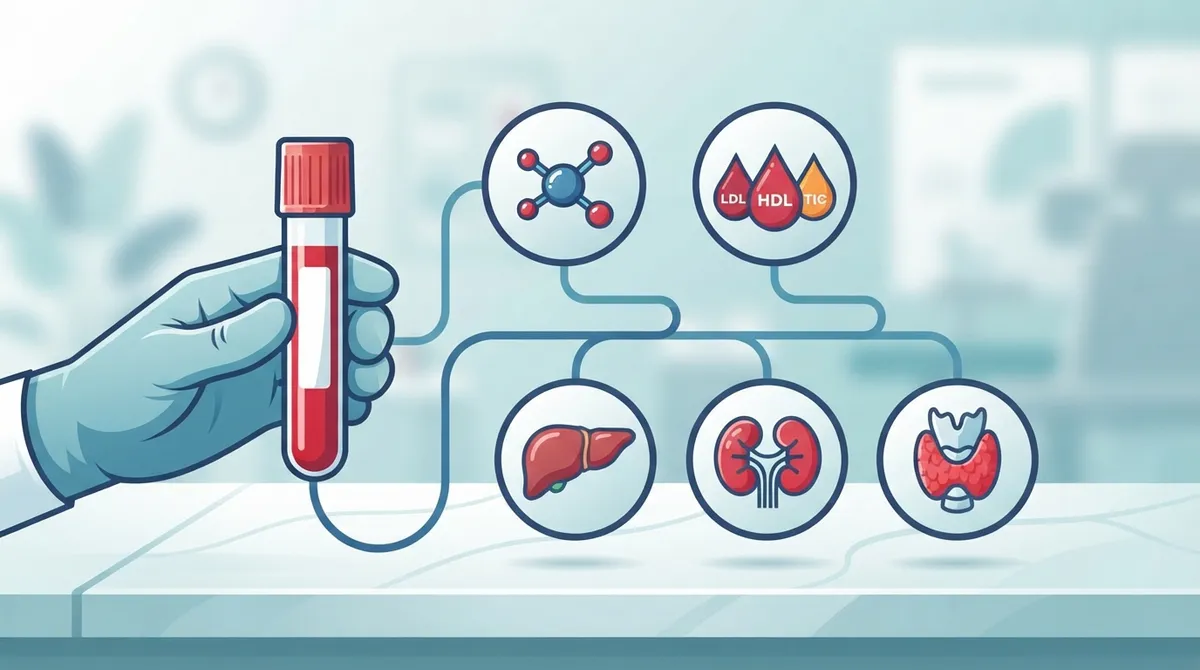
Three groups of tests are common starting points. They are not mandatory for everyone, but they are frequently useful.
HbA1c or Fasting Glucose
HbA1c reflects your average blood sugar over about three months. Fasting glucose gives a snapshot. These tests help confirm whether you have diabetes or prediabetes. They also give a baseline to measure progress.
For someone using a GLP-1 for type 2 diabetes, this test is central. For someone using it for weight loss, it still helps identify hidden blood sugar problems. It also matters if you take insulin or a sulfonylurea, because glucose-lowering therapy may need adjustment once a GLP-1 starts.
Comprehensive Metabolic Panel and Kidney Function
A comprehensive metabolic panel checks electrolytes, kidney markers, and liver enzymes in one draw. Kidney function, measured by creatinine and eGFR, deserves special attention.
GLP-1 medicines can cause nausea, vomiting, or diarrhea. If those symptoms lead to dehydration, kidney function can worsen. People with existing kidney disease, diabetes, or a tendency to dehydrate benefit most from a baseline value. Product-specific labeling guides ongoing monitoring.
Lipid Panel
A lipid panel measures total cholesterol, LDL, HDL, and triglycerides. It is not a GLP-1 safety requirement. However, it is a core part of cardiometabolic risk assessment. Many patients starting a GLP-1 for weight management also carry cholesterol or blood pressure concerns. A baseline lipid result lets you and your clinician see how overall health shifts over time.
Labs Ordered Only When Clinically Indicated
Some tests are useful in the right situation but unnecessary as routine screening. The table below summarizes the difference.
|
Test |
Typical Use Before GLP-1 |
When It Is Most Helpful |
|---|---|---|
|
HbA1c / glucose |
Commonly ordered |
Diabetes, prediabetes, or obesity workup |
|
Kidney function (creatinine, eGFR) |
Commonly ordered |
Kidney disease, diabetes, dehydration risk |
|
Lipid panel |
Often ordered |
Cardiometabolic risk assessment |
|
Liver tests |
When indicated |
Suspected liver disease or metabolic assessment |
|
TSH (thyroid) |
When indicated |
Thyroid symptoms, exam findings, or history |
|
Pregnancy test |
When pregnancy is possible |
Results would change treatment |
|
Lipase / amylase |
Not routine |
Symptoms suggesting pancreatitis |
|
Calcitonin / thyroid ultrasound |
Not routine |
Generally not used as a screening step |
Liver Function Tests
Liver enzymes are part of many metabolic panels, so you may get them anyway. They are not a GLP-1-specific requirement. They become more important if you have fatty liver disease, heavy alcohol use, or other signs of liver trouble. For background, our article on what your liver tests really mean explains how to read these results.
Thyroid Testing (TSH)
A TSH test is typically ordered when symptoms, history, or an exam suggest thyroid disease. Fatigue, unexplained weight change, or a neck mass could prompt it. It is not routine screening just because a GLP-1 is planned.
Pregnancy Testing
If pregnancy is possible and the result would affect treatment, a pregnancy test is appropriate. FDA labeling for semaglutide advises stopping the medicine when pregnancy is recognized. It also advises stopping at least two months before a planned pregnancy. Anyone trying to conceive should raise this early with their doctor.
Tests You Usually Do Not Need
Several tests are often assumed to be required but are generally not recommended for people without symptoms.
Routine Lipase or Amylase
Routine baseline lipase or amylase testing is not generally recommended for patients without symptoms. A history of pancreatitis matters, though. Some products have not been studied in people with prior pancreatitis. FDA semaglutide labeling reported acute pancreatitis in Ozempic glycemic-control trials at 0.3 cases per 100 patient-years among treated patients, versus 0.2 among comparators. That figure is product and trial specific, so it should not be applied to all GLP-1 medicines.
If severe, persistent abdominal pain occurs during treatment, the medicine should be stopped and you should be evaluated promptly.
Calcitonin and Thyroid Ultrasound
FDA Wegovy labeling states that routine serum calcitonin monitoring or thyroid ultrasound has uncertain value for early detection of medullary thyroid carcinoma. It may also lead to unnecessary procedures. Instead, your clinician reviews your personal and family history.
A personal or family history of medullary thyroid carcinoma, or of multiple endocrine neoplasia syndrome type 2 (MEN 2), is a contraindication for semaglutide products such as Ozempic and Wegovy. This history review is a key safety step, and it costs nothing.
What a Safe Pre-Treatment Visit Looks Like
Labs are only one piece. A good visit follows a clear order.
- Review your reason for treatment. Type 2 diabetes, obesity, or both.
- Take a full history. Include pancreatitis, gallbladder disease, kidney disease, and thyroid cancer in you or your family.
- Review all medicines. Insulin and sulfonylureas may need dose changes.
- Discuss pregnancy plans. Test if pregnancy is possible.
- Order targeted labs. Typically HbA1c or glucose, kidney function, and often lipids.
- Add tests as needed. Liver or thyroid labs when history or symptoms call for them.
- Plan follow-up. Set a schedule for recheck labs and symptom checks.
This approach fits well within primary care, where one team can see your full health picture. At InCare, physicians pair these steps with medical weight loss programs built around prevention and whole-body health.
Who May Need Extra Testing
Certain groups benefit from a more careful baseline. Consider extra attention if you:
- Have chronic kidney disease or have had episodes of dehydration
- Have a history of pancreatitis or gallbladder problems
- Take insulin or a sulfonylurea
- Have fatty liver disease or abnormal liver enzymes
- Have thyroid symptoms or a thyroid history
- Are pregnant, breastfeeding, or planning pregnancy
For people with diabetes, additional context helps. Our overview of how medical weight loss supports diabetics covers how weight management and glucose control work together.
Advanced Wellness Testing: Helpful, Not Required
Some wellness-focused patients want a deeper baseline. Options include body composition analysis to track fat and lean mass, and metabolic breath analysis to assess resting metabolism. These tools are not required for GLP-1 safety. They can, however, help you see whether treatment is changing the right things, such as fat loss while preserving muscle.
Tracking this data matters because rapid weight loss can include muscle. Pairing GLP-1 therapy with nutrition and strength guidance supports better long-term results.
Monitoring After You Start
Baseline labs set the stage. Follow-up keeps treatment safe and effective. There is no single repeat schedule that fits everyone. Your clinician may recheck HbA1c, kidney function, or lipids after a few months, depending on your results and dose changes.
Report any of the following promptly:
- Severe or persistent abdominal pain, with or without vomiting
- Ongoing vomiting or diarrhea that causes dehydration
- Signs of an allergic reaction
- A neck lump, trouble swallowing, or hoarseness
- Low blood sugar symptoms if you also take insulin or a sulfonylurea
Staying hydrated and eating smaller meals can ease early side effects. If you are weighing options, our guide on how to choose the best injection for weight loss in 2026 compares what to consider.
Cost and Access Considerations
Lab costs vary by insurance and testing site. Many of the core tests are routine and widely covered when ordered for a medical reason. In-house testing can also speed up decisions. Learn more in our comparison of in-house versus external lab testing. For medicine costs, see weight loss injections cost: what to expect in 2026.
Why Choose InCare for Pre-GLP-1 Care
Safe GLP-1 therapy starts with the right questions and the right tests. InCare is a personalized primary care and wellness clinic serving Tampa and Riverview, Florida. The team combines medical expertise with modern technology to build a plan around your history, labs, and goals.
You can meet our clinicians on the providers page and find your nearest office on the locations page. See what patients say by reading InCare reviews on Google through our InCare Google Business Profile. You can also follow health tips from the team on Instagram, Facebook, and TikTok.
Key Takeaways
Knowing what labs are needed before starting GLP-1 comes down to one idea: testing should match the person. HbA1c or glucose, kidney function, and often lipids are common baseline measures. Liver tests, thyroid tests, and pregnancy testing are added when clinically indicated. Routine lipase, calcitonin, and thyroid ultrasound screening are generally not needed for someone without symptoms.
Most important, a thorough history review and open conversation with your clinician protect your safety more than any single test. Never start or stop a GLP-1 on your own.
Ready to find out which labs make sense for you? Book your visit with InCare today, or contact our team with questions about GLP-1 therapy and weight management in Tampa and Riverview.
FAQs
Q: What blood tests should I get before starting Ozempic, Wegovy, or another GLP-1?
A: There is no single required panel. Commonly useful tests include HbA1c or glucose, kidney function, and a lipid panel. Liver tests, thyroid tests, and pregnancy testing are added when your history or symptoms call for them.
Q: Do I need a lipase test before starting semaglutide or tirzepatide?
A: Routine baseline lipase testing is not generally recommended for people without symptoms. A history of pancreatitis should be reviewed with your clinician. If pancreatitis is suspected during treatment, the medicine should be stopped and you should be evaluated.
Q: Is thyroid testing or calcitonin screening required before a GLP-1?
A: No. FDA labeling states that routine calcitonin monitoring or thyroid ultrasound has uncertain value for early detection of medullary thyroid carcinoma. Your clinician instead reviews your personal and family history of medullary thyroid carcinoma and MEN 2.
Q: Should I take a pregnancy test before starting a GLP-1?
A: A pregnancy test is appropriate when pregnancy is possible and the result would change treatment. Semaglutide labeling advises stopping the medicine when pregnancy is recognized and at least two months before a planned pregnancy.
Q: Should kidney function be checked before GLP-1 treatment?
A: Kidney testing is often helpful, especially if you have kidney disease, diabetes, or a risk of dehydration. GLP-1 medicines can cause vomiting or diarrhea, and fluid loss may worsen kidney function in some patients.